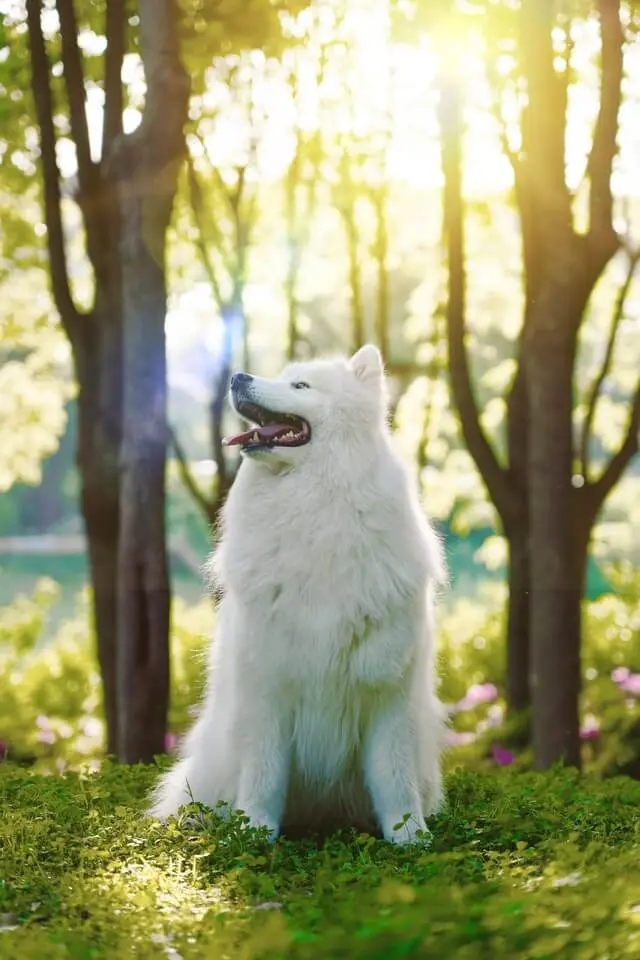
Why choosing the right breeder is vital for Samoyeds
The Samoyed is a sturdy, ancient working dog breed developed for the harsh Siberian climate. Today, their friendly, adaptable, and people-oriented nature makes them a popular family companion. However, this popularity comes with risks. As demand for these "smiling" white dogs rises, unethical breeders often see an opportunity for profit. Choosing a responsible breeder is therefore the most important step in bringing a healthy and sound-tempered dog into your family.
In reputable Samoyed breeding, the focus isn't just on the aesthetic of that thick, white coat. It is primarily about preserving health and the breed-specific temperament. A Samoyed from uncontrolled breeding can carry serious hereditary diseases and may develop behavioral issues. Because these dogs are highly intelligent and energetic, a lack of proper socialization during the first few weeks often leads to everyday problems, such as severe separation anxiety or excessive barking. If you check our Samoyed breed profile, you'll quickly realize that this breed requires consistent leadership and plenty of exercise. A good breeder lays the foundation to ensure the puppy can channel these traits in a healthy way.
Characteristics of reputable Samoyed breeders
Finding the right puppy requires patience and a keen eye. Reputable Samoyed breeders are defined by their transparency, expertise, and deep love for the breed. They don't treat breeding as a high-volume business, but as a dedicated, time-intensive passion.
- Club Affiliation: In Germany, the VDH (Verband für das Deutsche Hundewesen) is the primary authority for controlled purebred dog breeding. Specifically for Samoyeds, the Deutscher Club für Nordische Hunde e.V. (DCNH) is the responsible breed club under the VDH umbrella. Breeders belonging to these organizations adhere to strict breeding regulations, undergo regular kennel inspections, and perform mandatory health screenings on all parent dogs.
- Rearing Conditions: Puppies grow up in the home, ideally with close family contact. They are introduced to everyday noises like vacuum cleaners, televisions, and clattering pots. Having a dedicated outdoor garden area for initial exploration is standard for rearing this active breed.
- Interest in the Buyer: A responsible breeder won't simply hand you a dog. They will ask detailed questions about your living situation, your work schedule, and your activity level. They want to ensure you can meet the Samoyed's energy needs and grooming requirements.
- Transparency: You should be allowed to visit the mother dog and the puppies in their usual environment. The mother should appear relaxed, friendly, and well-cared for.
Essential health tests in Samoyed breeding
Although the Samoyed is a fairly primitive breed without extreme physical exaggerations, there are specific hereditary predispositions that must be minimized through selective breeding. A reputable breeder can provide you with the parents' health screening results voluntarily and in writing. The most important tests include:
- Hip Dysplasia (HD): As a medium-to-large, very active dog, the Samoyed is prone to joint problems. Before being cleared for breeding, the hips of both parents must be officially X-rayed and evaluated by an independent expert.
- Samoyed Hereditary Glomerulopathy (SHG): This is a severe, genetically inherited kidney disease that can occur in this breed and is often fatal, particularly in males. DNA testing of the parent dogs is essential to ensure that no affected puppies are born.
- Eye Examinations: Progressive Retinal Atrophy (PRA), particularly XL-PRA, can lead to gradual blindness. There is also a risk of glaucoma, which is why a gonioscopy (examination of the drainage angle) should be performed by a veterinary specialist.
Further information on health guidelines can be found on the official websites of the VDH or directly at the Deutscher Club für Nordische Hunde e.V.
6 specific questions for your Samoyed breeder
When you initiate contact with a breeder, a prepared list of questions will help you assess the professionalism of the kennel. Be sure to ask these questions:
- What health evaluations have been performed on the parents? (Look for the tests mentioned above, such as HD, SHG, and eye exams).
- How are the puppies socialized during their first eight weeks? (Good answers include car rides, contact with children, exposure to various surfaces, and common household noises).
- What character traits are you hoping to achieve with this specific pairing? (A good breeder knows the strengths and weaknesses of their bloodlines intimately).
- What does daily coat care involve? (The breeder should be honest about the need to brush the thick undercoat and the heavy shedding during molting seasons).
- Are you a member of a recognized breeding club like the DCNH/VDH? (Ask to see their membership status and the puppies' pedigree certificates).
- Will you take the dog back in an emergency? (Responsible breeders feel a lifelong commitment to the dogs they produce).
Red flags: How to spot unethical breeders and puppy mills
Unfortunately, the purebred dog market has its share of bad actors. To avoid dealing with a puppy dealer or an amateur backyard breeder, look out for these warning signs:
- Missing papers and health records: If the seller claims papers are only for dog shows and would unnecessarily inflate the price, this is a classic excuse to bypass expensive health screenings and breeding requirements.
- The mother is not present: Excuses like "the mother is out for a walk" or "she is resting in another room" are huge red flags. Puppy dealers often import animals from abroad, where mothers are kept in cruel conditions.
- Offering multiple breeds: If someone offers Samoyeds, Huskies, and small companion dogs all at once, they are likely a commercial dealer, not a specialized hobby breeder.
- Pressure to buy: Statements like "There are three other interested parties, you need to decide today" are designed to pressure you into an impulsive, unconsidered purchase.
- Handover in neutral locations: A reputable breeder will always hand over the puppy at their home. Meeting in parking lots or having the puppy delivered to your doorstep is highly unprofessional and suspicious.
Price overview: What does a Samoyed from a breeder cost?
If you are looking for Samoyed puppies, you should be prepared for a reasonable purchase price. A puppy from a recognized, controlled VDH breeder typically costs between 1,500 and 2,500 euros in Germany.
While this price may seem high at first glance, it covers numerous expenses the breeder has invested beforehand. These include stud fees for a suitable, healthy sire, comprehensive veterinary examinations for both parents, high-quality nutrition for the pregnant mother and the puppies, as well as costs for vaccinations, microchipping, deworming, and the registration of pedigree certificates. Offers significantly below this price range—often found on classified ad portals—usually come with serious compromises regarding health checks and socialization. The eventual veterinary costs for a sick dog from such a source will almost always far exceed the money you thought you saved at purchase.
Frequently Asked Questions
How long is the waiting list for a Samoyed puppy?
With a reputable breeder, a waiting period of six to twelve months is completely normal. Bitches are usually bred only once a year, and good breeders often maintain waiting lists. You can use this time productively to prepare for your puppy's arrival and visit the kennel multiple times.
Is the Samoyed a good family dog?
Yes, the Samoyed is considered extremely family-friendly and gentle with children. They are very people-oriented and need to be closely integrated into their "pack." Due to their size and strength, interactions with small children should always be supervised, as with any dog.
Can you keep a Samoyed in an apartment?
Apartment living is generally possible, provided the dog receives sufficient physical and mental stimulation every day. However, since Samoyeds are very active and have a thick coat, they often prefer cooler spots and access to a fenced garden. They are also known to be quite communicative, which is something to consider if you live in thin-walled apartment buildings.
How much grooming does a Samoyed's coat require?
The grooming requirements are high. The thick coat with its lush undercoat must be brushed regularly to prevent matting. Particularly during the molting season in spring and autumn, the Samoyed sheds large amounts of hair, making daily brushing essential.
Find verified Samoyed breeders on HonestDog
Finding the right breeder requires time, research, and a watchful eye. It's about finding a partner who not only entrusts you with a healthy puppy but is also there to provide advice and support throughout the dog's life. To simplify this process, HonestDog consolidates transparent and verified information. If you are ready to share your life with one of these fascinating Nordic dogs, you can discover Samoyed breeders in Germany right here who meet strict criteria regarding health, rearing, and club affiliation. Take the time to study the breeder profiles carefully and make initial contact to arrange a visit.