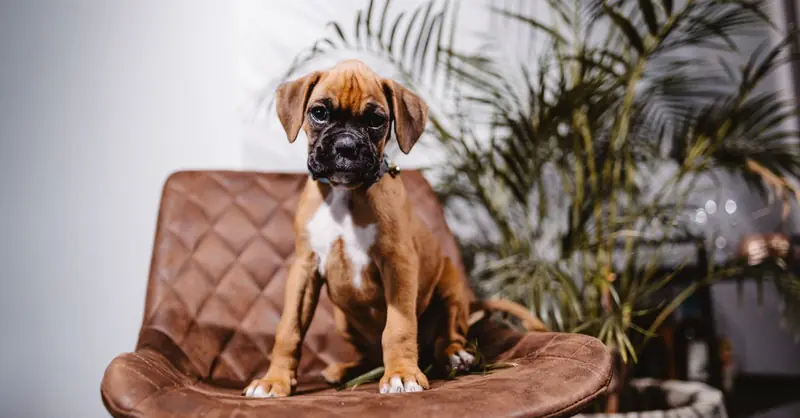
Why choosing a reputable dog breeder is so crucial
The decision is made: a puppy is coming home! The anticipation is immense, the puppy bed might already be set up, and you are probably already dreaming of long walks together. But before you can hold your dream dog in your arms, you face the most important decision of your future life as a dog owner: choosing the right kennel. A reputable dog breeder is not just the "producer" of your dog. They are the architect of the physical and psychological foundation upon which your four-legged friend's entire future life is built.
Why do I emphasize this so strongly as a breeding expert? In the first eight to twelve weeks of life, a puppy goes through critical developmental phases. Loving, expert rearing in the home, gradual habituation to everyday noises, and optimal medical care have a lasting impact on the dog. A truly reputable breeder focuses on genetic health, stable temperament, and long-lived bloodlines. When you invest time into learning how to identify an excellent dog breeder, you are directly investing in a relaxed, healthy, and happy next 10 to 15 years with your dog. Those who cut corners here or buy out of pity often end up paying thousands of euros in vet bills later—and suffer emotionally along with their sick or behaviorally challenged pet.
The 10 signs: How to recognize a reputable dog breeder
It isn't always easy to separate the wheat from the chaff on the internet at first glance. Anyone can upload beautiful pictures of cuddly puppies in a green meadow. But when you look behind the scenes, there are concrete criteria. Here are the ten most important signs of a first-class breeder.
1. Health and transparency come first
A responsible breeder doesn't just pair two dogs that look nice. They know the genetics of their animals. Depending on the breed, the parent dogs must have been screened for hip dysplasia (HD), elbow dysplasia (ED), eye diseases, or breed-specific genetic defects. The breeder will proudly show you these evaluations (usually provided by independent experts) without being asked. Transparency is the keyword here. They will also inform you about potential breed weaknesses and won't sugarcoat anything.
2. Specialization in one, maximum two breeds
High-level dog breeding is an extremely time-consuming and expensive hobby. If done correctly, there is simply no capacity to breed five different breeds at once. A reputable breeder is passionate about "their" breed. They know the history, the quirks, and the specific needs inside and out. If you arrive at a farm where Golden Retrievers, French Bulldogs, Chihuahuas, and additionally "rare hybrid dogs" are offered, you should turn around immediately.
3. The mother dog is always present
This is one of the most important points of all! You must be allowed to see the mother dog. She should make a healthy, well-groomed impression and show a friendly or at least neutral-relaxed temperament. It is perfectly normal for her to look tired shortly after birth or to be shedding her coat. However, she must never be aggressive, panicked, or apathetic. If the breeder makes excuses as to why the mother is "just out for a walk" or "at the vet," be extremely cautious.
4. Rearing in the middle of the family
A puppy that is meant to become a calm family dog must experience family connection. The whelping box is often in a quiet place in the house for the first few weeks (e.g., the bedroom) but usually moves to the living room or kitchen later. The puppies need to get to know everyday noises like vacuum cleaners, clattering pots, the TV, and human voices. Rearing exclusively in kennels or sheds without close human contact is absolutely unacceptable for family dogs.
5. Only a few litters per year
Good breeders are not factories. A dam should have sufficient time between litters for physical and mental regeneration. Reputable breeding associations prescribe recovery periods anyway. If a breeder consistently has puppies ready for sale all year round, it points more toward commercial dog trading than loving hobby breeding.
6. The breeder will cross-examine you
Don't be annoyed if the breeder asks you a million questions. On the contrary: be happy about it! A person who raises their puppies with heart and soul wants to know exactly who they are entrusting one of their "babies" to. They will ask about your housing situation, your working hours, your experience with dogs, and your plans for vacations. A breeder who doesn't care who buys the dog as long as the money is on the table is not reputable.
7. Waiting lists are completely normal
A sign of quality is often that you cannot take a puppy home immediately like a supermarket product. You often have to join a waiting list before the mating or during the pregnancy. Good breeders are in high demand. Use the waiting time to prepare, read breed books, and get to know the breeder better.
8. No handover before the eighth week of life
In Germany, it is legally prohibited to separate puppies from their mother before they are eight weeks old. Many breeders even keep the little ones until their ninth or tenth week, especially with very small breeds. During this time, puppies learn essential bite inhibition and canine communication through interaction with their mother and siblings.
9. Papers, contracts, and vaccination records
A puppy from a reputable breeder always comes with a proper sales contract, a pedigree (the "papers"), and an EU pet passport. Upon handover, it is dewormed multiple times, vaccinated according to age, and microchipped. The veterinarian has examined the litter and issued a health certificate or litter inspection report. Don't let anyone tell you that "papers are only for show dogs"—the pedigree is the certificate of guarantee for the controlled health of the ancestors.
10. There for you for a dog's life
For a true breeder, responsibility does not end with the signature on the sales contract. They offer lifelong advice and support, whether it's questions about nutrition, training, or health issues. Many breeders will even take their dogs back in extreme emergencies (illness, divorce of the owner) so that they do not end up in a shelter.
Red flags: How to identify disreputable breeders and puppy mills
Unfortunately, the illegal puppy trade is a lucrative, million-dollar business built on animal suffering. So-called puppy mills produce quantity instead of quality. Here are the absolute warning signs that should make you break off contact immediately:
- Meeting points in parking lots or "free delivery to your door": A puppy will never be handed over at a highway rest stop, out of the trunk of a car, or at a gas station. Convenient home delivery is also a popular trick so that you don't see the actual (usually terrible) rearing conditions.
- "Discount" for skipping papers: Statements like "With papers it costs 2000 euros, without papers only 1000 euros" are a scam. Applying for a pedigree from a reputable club usually only costs the breeder between 30 and 50 euros. If the papers are missing, the expensive health screenings of the parents are usually missing as well.
- No mother dog to be seen: Often a so-called "alibi dog" is presented that is not the real mother (check the teats – has this dog really nursed recently?).
- The pity ploy: The puppies are dirty, smelly, or look sick, and you want to "rescue" them? Don't do it! You are just creating space for the next litter. Report such conditions to the veterinary office immediately.
- Pressure to buy: "There are three other interested parties, you have to decide now" – a good breeder will never pressure you.
Online breeder search: What to look for in ads
The internet is the number one resource for families looking for a dog breeder today. But especially on large, unregulated classified ad portals, there are many black sheep. To find a genuine dog breeder online, you have to read between the lines.
Pay attention to the text of the ad. Is it written in perfect language? Does it lovingly describe the character of the parents and the puppies? Or does it read more like a product description ("Top quality, mini format, ready for immediate pickup")? Check the images as well. Does the seller use stock photos or heavily edited studio images? Reputable breeders usually show natural, authentic photos from the whelping box, the garden, or the living room. A look at the imprint or the breeder's website also reveals a lot. A well-maintained website where the breeder's dogs are presented in detail with their health evaluations is a very good sign.
The first visit: What to check in person
The first visit to the breeder is exciting. Between sniffing noses and wriggling puppies, it's easy to forget to be critical. Therefore, it's best to bring a checklist of questions or a dog-savvy companion who can keep a cool head.
First, pay attention to your senses. What does it smell like in the house? A litter of puppies is work and sometimes an accident happens, but it must never smell pungently of urine or feces. What does the environment look like? Are there toys, different surfaces, access to the garden? How do the adult dogs behave? They should be curious and open-minded, respect the breeder, and greet you joyfully. If the dogs shrink away from the breeder, flinch, or are extremely fearful, that is an alarming sign.
Also observe the puppies. They should have clear, clean eyes, shiny coats, no bloated bellies (often a sign of severe worm infestation), and appear cheerful and playful.
The most important questions for the breeder: Your guide
Dare to ask critical questions! A breeder who has nothing to hide will be happy to answer every single one of these in detail.
- Which association are your papers from and who inspects your kennel?
- What breed-specific health screenings have the parent dogs undergone? (Ask to see the results!)
- How old is the mother dog and which litter is this for her?
- How exactly do you socialize the puppies in the first 8 weeks (noises, car rides, other animals)?
- Did the puppies or the mother dog have any health problems during rearing?
- What do you feed and why did you choose this type of diet?
- When and how often were the puppies dewormed and what vaccinations do they receive before moving?
- What criteria do you use to decide which puppy fits which family?
- What does your sales contract look like? (Request to review it in advance)
- Will you be available to us after the purchase if we have questions?
Breeder clubs and associations in Germany: A guarantee of quality?
In Germany, there are countless associations that issue pedigree certificates. However, not every association is equally strict. The best-known and largest umbrella organization in Germany is the VDH (Verband für das Deutsche Hundewesen). It in turn belongs to the international umbrella organization FCI. Breeders who breed under the VDH must adhere to strict breeding regulations.
Kennels are inspected by breeding wardens before the first litter. There are requirements for the maximum number of litters for a dam, the minimum and maximum age for mating, and, above all, mandatory screenings for hereditary diseases. Even if papers from a recognized association are not a 100% guarantee that a dog will never get sick (nature cannot be outsmarted), they drastically minimize the risk of hereditary diseases.
Besides the VDH, there are so-called "dissident" associations. Here, it is worth looking closer. Some of these clubs have quite high standards, while others print pedigrees almost on demand on a home printer without a vet or breeding warden ever having seen the dogs. A look at the recommendations of the German Federal Chamber of Veterinarians regarding puppy purchases confirms it time and again: controlled association breeding offers the buyer the greatest security against unpleasant surprises.
Frequently asked questions (FAQ)
How much does a puppy from a reputable breeder cost?
Quality and health have their price. Depending on the breed, prices for a puppy from controlled, reputable breeding in Germany are currently mostly between 1,500 and 3,000 euros. This price covers stud fees, intensive veterinary examinations of the parents, high-quality food, vaccinations, microchips, association fees, and months of 24/7 care by the breeder. "Bargains" for 500 euros almost exclusively come from the illegal dog trade.
When can I visit the puppy at the breeder's?
Most breeders only accept visitors when the puppies are about three to four weeks old. In the first weeks, the puppies' immune system is extremely vulnerable, and the mother dog needs undisturbed rest to care for her offspring. From the fourth week on, the little ones become more mobile and begin to curiously explore their surroundings and human visitors.
What papers must the puppy have upon handover?
Mandatory requirements are the blue EU pet passport (in which the vaccinations and microchip number are entered), a veterinary health certificate or litter inspection report, as well as a written sales contract. The pedigree (the proof of ancestry) is sometimes given upon handover, but often it is printed by the breeding association weeks later and sent to you by mail.
Are there guarantees for the puppy's health?
Animals are living beings, not machines. No reputable breeder can or will give you an absolute guarantee that your dog will never get sick in its life. What they do guarantee, however—and prove with documents—is that they have acted to the best of their knowledge and belief according to the strict rules of their association to exclude hereditary diseases as much as possible through the correct selection of healthy parent dogs.
Find the perfect companion for life with HonestDog
Finding a truly excellent dog breeder is an undertaking that requires time, patience, and a lot of research. The checklists and features from this article give you the most important tools to protect yourself from puppy mill traps.
However, we know how tedious and confusing the jungle of finding a breeder can be. This is exactly why HonestDog exists. Our mission is to take these hurdles off your hands. We screen breeders thoroughly in advance, request health certificates, and verify rearing conditions before a breeder is listed on our platform. If you are ready to start the puppy adventure and are looking for a reliable partner, visit our section to find your breeder. For even deeper information and perfect preparation for the arrival of your new family member, we also highly recommend our comprehensive puppy buying guide. Take the first step into a wonderful life with a dog—safe, transparent, and with a clear conscience.