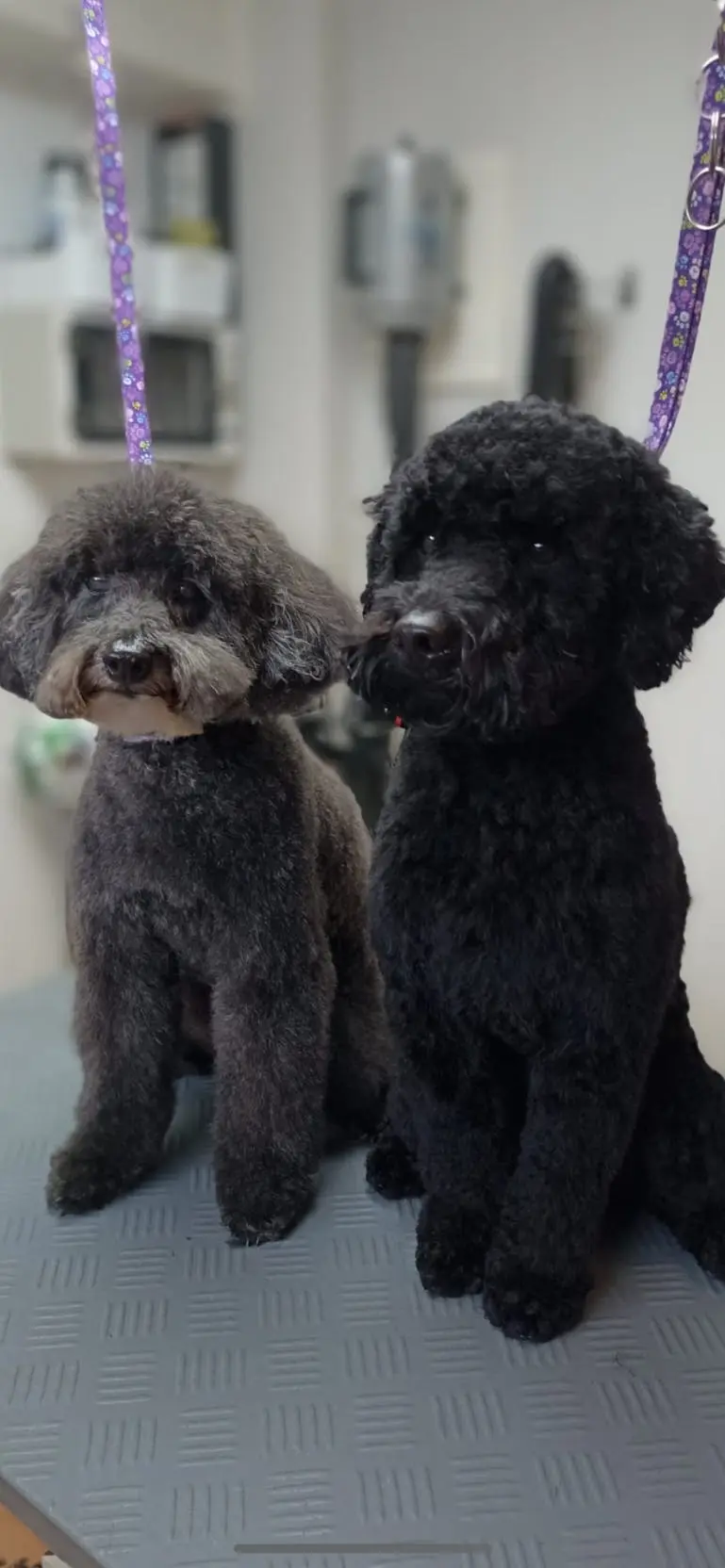
If you are looking for miniature poodle puppies for sale, you are exploring one of the most beloved companion breeds worldwide. With a shoulder height of 28 to 35 cm and a weight of about 4 to 7 kg, the Miniature Poodle combines the handy size of a small dog with the sharp intellect, athleticism, and adaptability of a capable working dog. Originally hailing from France, where they were prized as passionate water retrievers, Poodles retain those working roots today: they are far from mere lapdogs, thriving instead as active, eager-to-learn companions with outstanding trainability.
The Miniature Poodle also owes much of its popularity to its dense, curly coat that barely sheds. However, before bringing one home, it's essential to understand the real acquisition and upkeep costs, daily enrichment needs, and how to spot a truly responsible breeder. For more in-depth breed characteristics, check out our comprehensive Miniature Poodle breed profile.
Miniature Poodle Price and Acquisition Costs: What to Expect
When looking for healthy puppies from a fully vetted breeder, the typical price usually ranges between 1,500 and 2,500 EUR. This reflects the significant investment responsible breeders make into genetic health screenings, breeding clearances, and high-standard puppy rearing.
What Influences the Puppy Price?
- Parent Health Screenings: Comprehensive genetic panels, board-certified eye exams, cardiac clearances, and joint evaluations require substantial time and veterinary expense.
- Kennel Club and Breed Club Affiliation: Breeders registered with reputable organizations like the Verband für das Deutsche Hundewesen (VDH) or the Deutschen Pudel-Klub e.V. (DPK) adhere to strict breeding and welfare regulations.
- Coat Colors: Classic solid colors (black, white, brown, silver, fawn) form the standard foundation. Rarer color variations or specialized bloodlines can sometimes push prices into higher tiers.
- Nurture and Early Socialization: Premium nutrition, regular veterinary supervision, initial vaccinations, microchipping, routine deworming, and structured early neurological stimulation during those crucial first weeks.
Initial Equipment and Ongoing Living Costs
Beyond the purchase price, you will need some essential starter gear right from day one:
- Starter Gear (approx. 200–400 EUR): A well-fitted harness, leash, orthopedic dog bed, secure travel crate, food bowls, and safe puppy toys.
- Grooming Equipment (approx. 100–250 EUR): A high-quality slicker brush, metal greyhound comb, detangling spray, and clippers or grooming shears for touch-ups.
Monthly maintenance costs typically run between 100 and 180 EUR:
- Food: Around 30 to 60 EUR monthly for high-quality, nutritionally balanced wet or dry food.
- Professional Grooming: Because a Poodle's coat grows continuously without a seasonal shedding cycle, it requires a professional clip every 6 to 8 weeks, running roughly 50 to 90 EUR per visit.
- Veterinary Care, Vaccines, and Parasite Prevention: Routine wellness exams, core boosters, and flea/tick/worm prevention average around 150 to 300 EUR per year (excluding unexpected surgeries).
- Liability Insurance and Dog Tax: Depending on where you live, budget roughly 80 to 200 EUR annually.
- Pet Health Insurance (Optional): About 25 to 60 EUR per month to protect against major veterinary or surgical emergencies.
Finding Reputable Miniature Poodle Breeders: Green Flags and Red Flags
Because Miniature Poodles are in high demand, backyard breeders and puppy mills often cut corners on health and welfare for profit. A responsible breeder always puts the physical and mental well-being of their dogs first.
Hallmarks of an Ethical Breeder
- Home Visits Welcome: You're invited to visit the breeding facility in person and see the mother interacting naturally with her litter in a clean, nurturing home environment.
- Transparent Health Proof: Official veterinary health certificates for both parents (such as DOK eye clearances and patella scores) are shared openly without hesitation.
- Thorough Screening: The breeder asks thoughtful questions about your daily routine, living environment, and how you plan to exercise and care for the puppy.
- Appropriate Rehoming Age and Paperwork: Puppies are never released before 8 to 9 weeks of age. They leave microchipped, dewormed, up-to-date on vaccinations, with an EU pet passport (or local health certificate), an official contract, and verifiable pedigree papers.
Red Flags to Watch Out For
- Parking Lot or Public Hand-Offs: Never buy a puppy delivered out of a car trunk or at a neutral meeting point.
- Mother Is Unavailable: If the mother dog isn't present or flimsy excuses are made, the litter likely comes from an unscrupulous commercial broker or puppy mill.
- Bargain Prices: Offers far below standard rates (e.g., under 1,200 EUR) almost always point to skipped health checks, substandard diets, and neglected early care.
- Gimmick Labels like "Teacup Poodle": Intentionally breeding dogs down to unnaturally tiny sizes creates severe risks of organ hypoplasia, fragile bones, and dwarfism-related defects. Recognized kennel clubs strictly reject teacup breeding.
To browse verified breeding kennels, visit our directory of Miniature Poodle breeders.
Miniature Poodle Health: Key Genetic Conditions and Screening
Miniature Poodles are generally robust, long-lived companions with an average life expectancy of 12 to 17 years. Still, breed-specific predispositions exist and must be managed through conscientious selective breeding.
Common Health Considerations
- Patellar Luxation (PL): A condition where the kneecap slips out of its groove, common across many small breeds. Breeding stock should undergo certified orthopedic evaluations and be graded clear or mild (Grade 0 or Grade 1, per club regulations) before mating.
- Progressive Retinal Atrophy (prcd-PRA): A genetic retinal disorder causing gradual vision loss and eventual blindness. A validated DNA test reveals whether a dog is clear (N/N) or a carrier. A carrier must only ever be bred to a clear partner to ensure no offspring develop the disease.
- Cataracts: Lens opacities that can be hereditary. Annual slit-lamp eye exams by certified veterinary ophthalmologists (such as the DOK network) are mandatory among reputable breed clubs.
- Dental Health: Due to their narrow jaws, Miniature Poodles are prone to early tartar buildup. Starting a regular teeth-brushing routine during puppyhood helps prevent periodontal disease.
Is a Miniature Poodle the Right Breed for You? Lifestyle and Training
Before making a commitment, ensure the Miniature Poodle's character and needs align with your lifestyle.
Living Arrangements and Daily Life
Miniature Poodles thrive in city apartments just as comfortably as in houses with large yards, provided their daily physical and mental needs are met. Two to three good walks a day—supplemented with nose work, fetch games, or trick training—keep them well-balanced and satisfied.
Family Life, Kids, and First-Time Owners
With their cheerful, adaptable demeanor, Miniature Poodles make wonderful family dogs and are generally gentle and playful around children. Because of their petite frame, young kids should be taught to handle them gently. For committed first-time owners, the breed's intelligence and desire to please make training rewarding, provided you remain consistent, positive, and patient.
Don't Underestimate the Grooming Commitment
While Poodles don't shed fur over your furniture, loose hairs and dirt get caught in their dense curls. This requires thorough brushing and combing at least two to three times a week to prevent painful matting close to the skin. Routine clipping around the eyes and paws, as well as regular ear cleaning, are also essential.
Alternative: Adopting a Miniature Poodle from Rescue
You don't necessarily have to buy a puppy from a breeder. Purebred Miniature Poodles and Poodle mixes frequently end up in shelters or with dedicated breed rescues through no fault of their own, often due to changes in their owners' circumstances. Many adult rescues already know basic manners and are eager to settle into a loving home. Rescue organizations typically rehome dogs under an adoption contract and a modest rehoming fee (usually around 300 to 500 EUR) after a brief home check.
Frequently Asked Questions
Are Miniature Poodles hypoallergenic?
Because Miniature Poodles don't shed seasonally, they are often recommended for allergy sufferers. However, human dog allergies are usually triggered by proteins in canine saliva, urine, and dander, rather than the hair itself. If you have known dog allergies, spending time around dogs from the specific bloodline prior to bringing one home is strongly advised.
How much daily exercise does a Miniature Poodle need?
An adult Miniature Poodle needs roughly 1.5 to 2 hours of daily outdoor activity across multiple walks. Because they are exceptionally clever, physical exercise should always be paired with mental stimulation like puzzle toys, dummy retrieval, or agility.
What is the average lifespan of a Miniature Poodle?
Miniature Poodles are remarkably hardy dogs. With quality nutrition, regular veterinary care, and sound breeding origins, they routinely live between 12 and 17 years.
Can a Miniature Poodle be left alone?
With patient, gradual independence training, a Miniature Poodle can easily handle staying home alone for a few hours. However, because they are deeply social dogs who bond closely with their humans, they should not be left isolated for full working days on a regular basis.
Find the Right Miniature Poodle
Bringing a Miniature Poodle into your life adds years of joy, intelligence, and loyal companionship. Thorough breeder vetting and careful preparation will ensure you welcome a happy, healthy puppy into your home.
Ready to begin your journey? On HonestDog, you can connect with verified breeders and browse available Miniature Poodle puppies with complete peace of mind.