
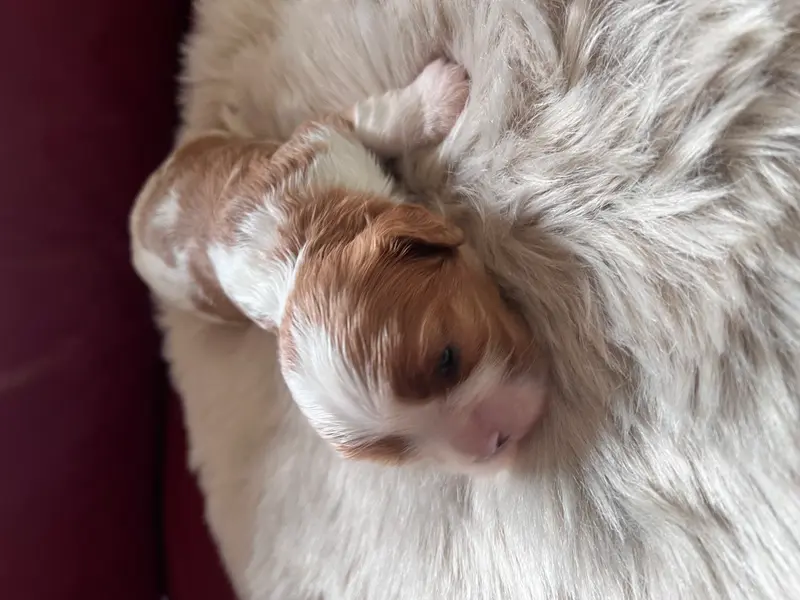
Cavalier King Charles Spaniel Training: The Foundation for a Happy Life Together
Anyone who has ever looked into the large, gentle eyes of a Cavalier King Charles Spaniel knows: this dog captures hearts instantly. With its affectionate, cheerful, and graceful nature, it is the epitome of a fantastic companion. However, even the most charming four-legged friend needs guidance. Fortunately, Cavalier King Charles Spaniel training is a rewarding task that not only ensures a relaxed coexistence but also significantly strengthens the close bond between you and your dog.
As an experienced dog trainer, I can assure you: this little Brit, who originally enchanted the English nobility, is far more than just a pretty lapdog. With a trainability rating of 5 out of 5, they are intelligent and attentive students. In this guide, I will show you how to unlock your pet's full potential — from the first steps in puppyhood to engaging activities for adult dogs.
The Cavalier as a Student: Why Training is So Enjoyable
To train your dog correctly, you must understand their nature. The Cavalier belongs to the group of toy and companion dogs. For centuries, its breeding goal was to please humans and build a close, harmonious relationship. This so-called "will to please" makes them an ideal dog for beginners.
They are gentle, adaptable, and never haughty. Whether you live in a bustling city or the quiet countryside, your Cavalier will fit seamlessly into your daily life as long as they can be with you. Punishment, loud scolding, or harshness have no place in dog training anyway, but with this highly sensitive breed, they cause massive damage. A stern look or a disappointed tone of voice is usually enough to signal that they are on the wrong track. Positive reinforcement through praise, play, and well-timed treats is the key to success.
If you want to dive deeper into the fascinating history and character traits of this breed, I recommend taking a look at our detailed Cavalier King Charles Spaniel breed profile.
Cavalier King Charles Spaniel Puppy Training: The Golden First 16 Weeks
When a little Cavalier moves in with you, an exciting time begins. Cavalier King Charles Spaniel puppy training lays the foundation for the dog's entire future. The first 16 weeks of life are considered the sensitive phase. What your puppy experiences positively now will not rattle them later in life.
Housebreaking: Patience and Good Timing
Small dogs have small bladders. Your Cavalier puppy needs to go outside frequently at first — after every nap, play session, and meal. Carry them to their designated spot and praise them enthusiastically once they've done their business. If an accident happens indoors: wipe it up without comment. Scolding only confuses the puppy and, in the worst case, leads to them hiding in a corner of the apartment to relieve themselves.
Learning Bite Inhibition through Play
Like all puppies, the Cavalier explores the world with their sharp milk teeth. Because they are so people-oriented, they will often nip at your hands during play. This isn't meant to be aggressive, but they must learn that human skin is sensitive. If they nip too hard, stop the game immediately with a short "Ouch" and turn away for a few seconds. Offer a suitable chew toy instead. This way, they quickly learn to control their jaw strength.
Socialization: Discovering the World
Although the Cavalier is naturally open and friendly, they need diverse positive environmental impressions. Gently introduce them to:
- Different surfaces (grass, asphalt, metal grates)
- Everyday noises (vacuum cleaners, traffic, doorbells)
- Strangers (men, women, children, people with hats or umbrellas)
- Other dogs and pets
Be careful not to overwhelm them. Short, positive sessions are much more effective than hours of sightseeing that turns into stress. For more information on breed-appropriate rearing and standards, you can visit the Cavalier-King-Charles-Spaniel Club Deutschland e.V., the relevant breed association.
The Most Important Cavalier King Charles Spaniel Commands
A well-trained dog enjoys more freedom. Therefore, learning basic Cavalier King Charles Spaniel commands should be integrated into daily life early on and with plenty of fun.
The Recall: The Most Important Command of All
Even though the Cavalier doesn't have an extreme hunting drive, there is still a Spaniel inside them. A flushing bird or a hopping frog can be very tempting for a moment. Build the recall by crouching down, calling their name happily, and giving the command "Here" or "Come." When they run to you joyfully, reward them with a "jackpot" (e.g., a piece of cheese or liver paste) and a great game. The recall must always be associated with something positive!
Sit, Down, and Stay
The intelligent Cavalier usually learns these basic commands in no time through "luring." Lead a treat slowly over their nose toward the back — their head goes up, their bottom goes down into a "Sit." Reward immediately. For "Down," lead the treat from the sitting position straight down between their paws. Build the "Stay" command by initially moving away only a millimeter and rewarding immediately if they hold the position. Increase distance and duration very slowly.
Mat Training (Learning to Settle)
Although their energy level is moderate (3 out of 5), the Cavalier loves to be where the action is. They must learn to switch off occasionally. Send them to their place and reward calm behavior. This is worth its weight in gold at restaurants, when guests visit, or in the office.
Breed-Specific Challenges in Cavalier King Charles Spaniel Training
Every dog breed brings its own little quirks. With the Cavalier, there are two essential points you must consider during training.
Separation Anxiety and Being Alone
The Cavalier's greatest strength — their extreme devotion to people — is also their greatest Achilles' heel. These dogs are "velcro dogs" (in the best sense) and hate being left alone. Separation anxiety is a common issue. You must practice being alone in very small steps. Start by closing doors behind you when you change rooms and come back immediately, before the dog starts to whine. Slowly increase the time from seconds to minutes. Don't make a big drama out of leaving or returning. it must become the most normal thing in the world.
Health Aspects During Training
Cavaliers can unfortunately be affected by certain hereditary diseases, including heart conditions or neurological issues like Syringomyelia (a spinal cord disorder). This has a direct impact on your training: Always walk your Cavalier on a well-fitting harness, never a collar! A tug on the neck can have devastating neurological consequences for this breed. The German Federal Chamber of Veterinarians also regularly points out that protecting the sensitive cervical spine must be a top priority for health-compromised breeds.
Advanced Training: Mentally Stimulating Your Spaniel
Mastered the basic Cavalier King Charles Spaniel training? Perfect! Then it's time for some action. Your dog may be small, but they love nature walks and want to use their clever brain.
Nose Work and Search Games
Spaniels are excellent sniffers. Hide treats around the house, use snufflemats, or practice target scenting. Nose work is very mentally taxing and tires the dog out in a healthy, calm way. At the same time, the joint "hunt" for a food bag strengthens your team bond immensely.
Trick Dogging
Since the Cavalier lives to be the center of attention and receive affection, they are predestined for learning tricks. Sitting pretty, weaving through legs, rolling over, or "acting shy" — they learn all of this with great enthusiasm. Clicker training is an excellent method for pinpointing the exact moment of success.
Dog Sports for Little Athletes
The elegant Spaniel also cuts a fine figure in dog sports. Activities like Rally Obedience (a mix of heelwork and courses), Dog Dancing, or light, joint-friendly Agility (without extreme jumps) bring them a lot of joy. Check with local dog clubs; many offer special small dog groups. You can find an overview of various dog sports through the VDH (Verband für das Deutsche Hundewesen).
Common Training Mistakes to Avoid
Even with the most uncomplicated dog, errors can creep in. Be sure to avoid the following pitfalls:
- Small Dog Syndrome: Just because your dog is small and cute doesn't mean you should let them get away with everything. A jumping or yapping Cavalier is just as untrained as a large German Shepherd. Set loving but consistent boundaries.
- Inconsistency: Allowed on the sofa once, allowed on the sofa forever. Dogs don't understand exceptions. Decide beforehand which rules apply in the house and enforce them with all family members.
- Too Many Treats: Cavaliers are prone to obesity. If you use a lot of food rewards in training, be sure to deduct this amount from their regular daily ration. Use part of their normal kibble as reward bits.
- Lack of Stimulation: A Cavalier is not just a couch potato. They need daily walks and mental engagement. An under-challenged dog will quickly find their own (usually undesirable) hobbies.
Frequently Asked Questions (FAQ)
Is the Cavalier King Charles Spaniel hard to train?
No, quite the opposite. The breed is considered very easy to train. They have a strong desire to please their owner ("will to please") and learn very quickly. This makes the Cavalier an ideal dog for beginners. Just don't let yourself be manipulated by those puppy-dog eyes.
How long can a Cavalier King Charles Spaniel stay alone?
The Cavalier is extremely people-oriented and highly prone to separation anxiety. They are definitely not dogs that can be left alone for 8 hours a day. With good, incremental training, an adult Cavalier can learn to stay alone for about 3 to a maximum of 4 hours. However, they feel most comfortable when they can accompany their person everywhere.
Does the Cavalier King Charles Spaniel have a hunting drive?
While "Spaniel" is in the name, the hunting drive has been greatly softened over generations of breeding as a companion dog. Nevertheless, a Cavalier may show temporary interest in flushing birds, butterflies, or a running rabbit. However, with well-established recall training, this can be managed without problems.
What equipment do I need for training?
You don't need much: a well-fitting, soft Y-harness (to protect the sensitive cervical spine), a light leash (about 6 feet), a long line for recall training, high-quality small treats, and possibly a clicker. The most important things, however, are your patience and a positive attitude!
Conclusion: Your Path to the Perfect Companion
Training a Cavalier King Charles Spaniel is a wonderful journey. If you approach their gentle nature with empathy, consistency, and positive reinforcement, they will anticipate your every wish. These dogs want nothing more than to be part of your life and do everything right. Give them the time to understand the world, guide them confidently through daily life, and you will be rewarded with a loyal, cuddly, and exemplary companion.
Want to learn more about species-appropriate dog care, exciting breeds, and the best grooming tips? Then become part of our large dog community! Discover trustworthy information, exchange ideas, and find everything that makes your four-legged friend happy at HonestDog.de. Visit us today and make life with your dog a little better every day!