
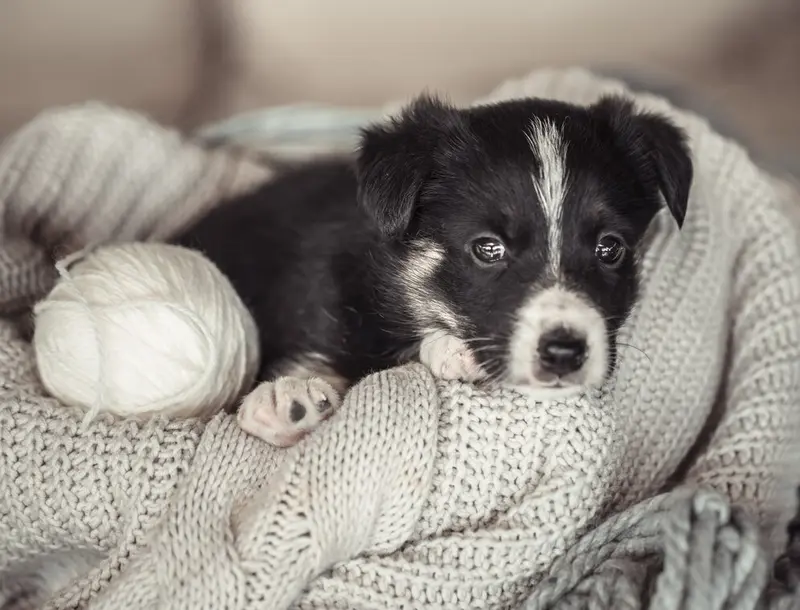
Puppy Development: What Happens in the First Weeks?
The first few weeks in a puppy's life are an exciting and crucial time that influences their entire future behavior and well-being. During this phase, puppies develop from helpless little beings into curious, playful, and eager-to-learn youngsters. In this article, we take you on a journey through the developmental stages, their dependence on their mother, sensory development, and the crucial steps toward socialization. We also offer practical advice and tools to help you provide the best possible support for your puppy.
First Stage of Life: The First Two Weeks
During the first two weeks, puppies are completely dependent on their mother. They are blind and deaf, spend most of their time sleeping and drinking, and grow at a remarkable pace. Their mother's milk, especially colostrum, is vital for their survival because it contains antibodies that strengthen the immune system. During this phase, it is important that the puppies' environment is warm and calm to avoid stress.
Many new dog owners notice that a puppy rarely leaves its mother during this phase. This is completely normal and a sign of a strong bond and dependence on the mother. Ensure that all puppies have equal access to milk and are checked regularly to detect any health problems early.
Sensory Development: Opening of the Eyes and Ears
From the second week onwards, puppies begin to develop their senses. Their eyes and ears open, and they become increasingly active. This sensory development is the first step towards actively exploring the world. It may happen that a puppy shows no reaction after opening its eyes. In such cases, it is advisable to consult a veterinarian to ensure that no health problems are present.
The third to fourth week: Exploration and socialization
From the third week onwards, puppies become increasingly curious and begin to explore their surroundings. This phase is crucial for socialization, as the puppies are now learning to interact with their siblings and humans. During this period, a puppy may bite too hard during play. This behavior is normal but should be gently corrected to avoid future aggressive behavior.
Contact with different people and dogs is especially important during this phase. A controlled introduction to new environments and sounds can help the puppy become confident and socially competent.
📋 Checklist: Puppy Development Milestones (to print/save)
- Weeks 1-2: Blind and deaf, dependent on mother's milk
- Week 3: Eyes and ears open, sensory perception begins
- Week 4: First steps toward socialization and exploration of the environment
From the sixth week: Preparing for the new home
Between the sixth and eighth weeks is the ideal time to begin preparing for the move to the new home. Puppies should be accustomed to various everyday sounds now to prevent future anxiety. In addition, initial short car rides can help puppies get used to traveling.
Receiving Puppies: The Right Time
Puppies can go to their new homes at eight weeks at the earliest, although some breeders recommend waiting until ten or twelve weeks. This additional time with their mother and siblings can promote the puppies' social and emotional development.
Everyday Experiences
Case 1: A Young Family from Cologne and Their Labrador
A young family from Cologne decided to adopt their Labrador puppy at eight weeks old. Although the puppy was playful and curious, the family found it difficult to separate from its mother. With a lot of patience and regular visits to puppy school, they were able to help the puppy integrate well into its new home.
Case 2: A couple from Hamburg and their German Shepherd
A couple from Hamburg waited until the puppy was ten weeks old before picking up their German Shepherd. This extra time with its mother helped the puppy develop a stronger immune system and become better socialized. Upon arrival at the new home, the puppy showed more confidence and was less fearful of new noises and people.
In the new home: The role of socialization
After the move, it is important that the puppy continues to be well socialized. This means introducing it to different people, animals, noises, and environments. However, too little or too much can be harmful, so a balance is crucial. If you're unsure, it may be helpful to seek professional support.
Step-by-Step Guide to Socialization
- Establish a safe and stress-free environment for your puppy.
- Introduce your puppy slowly to new sounds and environments.
- Organize regular playtimes with other dogs to encourage social behavior.
- Avoid overexertion by introducing too many new impressions at once.
- Consult a dog trainer for targeted support if needed.
From 16 Weeks: The Transition to Young Dog
The transition from puppy to young dog begins at around 16 weeks. During this phase, it's important to continue training and socialization. Many dog training schools offer special courses for young dogs that can help lay the foundation for a well-behaved and socialized animal.
These exciting first weeks in a puppy's life lay the foundation for their future behavior and well-being. With the right support and preparation, you can ensure your puppy grows up to be a happy and healthy dog.
📋 Checklist: Important Points to Consider When Handing Over a Puppy (to print/save)
- Puppy should be at least eight weeks old
- Health check with the vet before handing over
- Vaccinations and deworming should be up to date
- First basic commands should be known
A puppy's journey to a new home is an exciting one, which, with the right steps and loving support, will lead to a happy dog life. Trust your gut feeling and the advice of experienced breeders and trainers to give your puppy the best possible start in life.
Frequently Asked Questions (FAQ)
How long are puppies blind and deaf?
Puppies are typically blind and deaf for the first two weeks of their lives. During this period, they are completely dependent on their mother and spend most of their time sleeping and drinking. Their eyes and ears usually open by the second week of life.
When do puppies begin to play and socialize?
From the third week of life, puppies begin to explore their environment and play with their siblings. This is a crucial socialization phase in which they learn to interact with other dogs and people. Early and positive socialization is important for their later development.
How can I best support my puppy in the first few weeks?
Provide a warm and calm environment, ensure the mother has sufficient milk supply, and regularly check their health. Early socialization with controlled encounters with people and other dogs is also important. Calming and protective environment
My puppy bites while playing – is this normal?
Yes, light biting while playing is normal in the first few weeks. It is important to gently correct this behavior, e.g., with a brief "no" and interrupting play. This way, puppies learn to control their bite force and avoid later aggressive behavior.
What developmental steps can be expected in a puppy's fourth week of life?
In the fourth week, puppies further develop their senses, actively explore their surroundings, and begin intensive socialization. They take their first steps and begin eating solid food (in addition to their mother's milk). Development of the Sensory Organs and Motor Skills
When should I start introducing my puppy to different sounds and environments?
Socialization should begin in the third week, but always in a controlled and age-appropriate manner. Slowly introduce your puppy to different sounds, surfaces, and people. The earlier, the better, but without overwhelming the puppy. Early Habituation to Stimuli
How do I know if my puppy has health problems?
Pay attention to loss of appetite, lethargy, unusual behavior, or physical abnormalities. If you are unsure, consult a veterinarian immediately. Regular veterinary visits during the first few weeks are advisable. Health Check and Veterinary Visit
What role does the mother dog play in the first weeks of puppy development?
The mother dog plays a crucial role. She provides the puppies with vital milk, especially colostrum, and protects them. The mother-puppy bond is essential for the healthy development of the puppies. Importance of the Mother-Child Bond