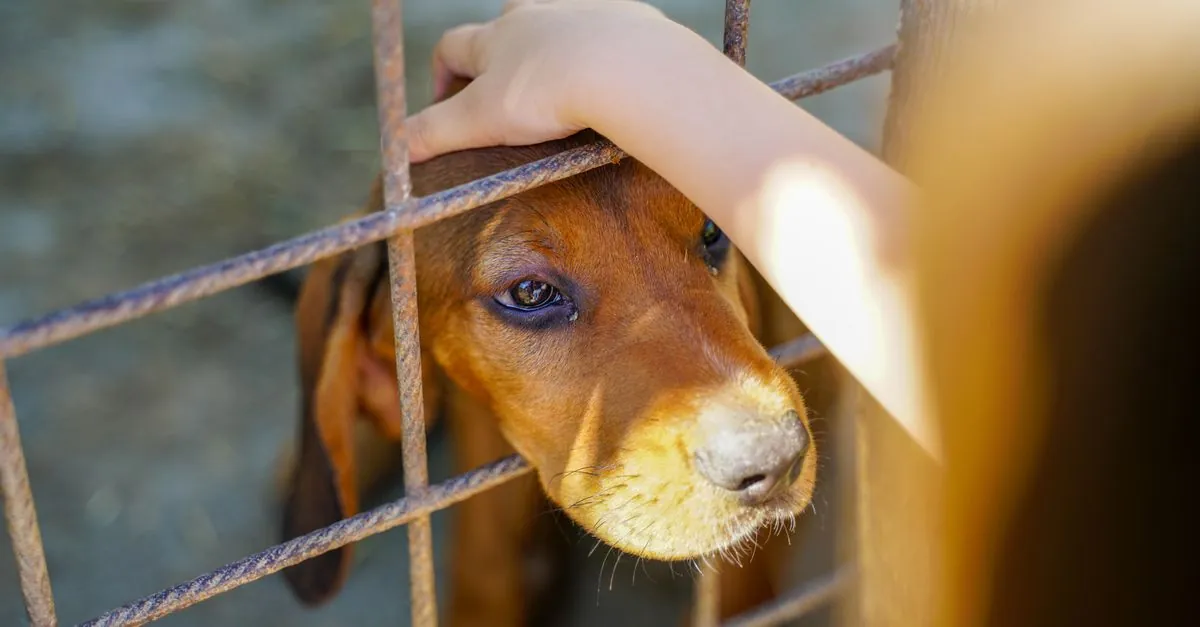
Animal Shelter Financial Crisis: Tierschutzbund Sues Government [June 2026]
It is an unprecedented event in German legal history, one that has shaken both the animal welfare community and the political landscape: In May 2026, the German Animal Welfare Federation (Deutscher Tierschutzbund), together with four local animal welfare associations, officially filed a lawsuit against the Federal Republic of Germany. Now, in June 2026, the initial legal and social shockwaves of this move are being felt. The accusation before the Cologne Administrative Court is severe: The federal government is failing in its constitutional duty to provide financial security for practical animal welfare. While this often appears in the news as an abstract political power struggle over budget funds, it actually has far-reaching and concrete consequences for you as a dog owner and for reputable breeders in Germany.
We summarize the current events surrounding the animal shelter financial crisis, analyze the legal implications, and show you what the dog-owning community needs to prepare for.
A Historic Move: Why the Tierschutzbund is Heading to Court
The animal shelter financial crisis is not a new phenomenon, but it has reached a dramatic breaking point in 2026. Following the aftermath of the pandemic-era pet boom, the drastic increase in veterinary costs due to the 2023 fee schedule (GOT), and general inflation, facilities in many places are on the verge of total collapse. More and more dogs are remaining in kennels for longer periods, often involving animals with behavioral issues or medical conditions that are difficult to rehome due to high maintenance costs.
The trigger for this current lawsuit was the 2026 federal budget. Although the ruling coalition’s agreement explicitly promised financial aid for investments in animal shelters, these funds simply did not appear in the final budget draft. Thomas Schröder, President of the Deutscher Tierschutzbund, sharply criticized this move. The plaintiffs argue that animal welfare has been a constitutionally protected state objective since 2002 (Art. 20a GG). From this, they derive a direct financial obligation for the federal government, which cannot simply be offloaded onto chronically underfunded municipalities. It is particularly galling for animal welfare advocates that direct federal funds are flowing into other areas—such as the so-called "sports billion"—while shelters are being left to fend for themselves.
What the Shelter Crisis Means for You as a Dog Owner
You might be asking yourself: "My dog is happy on the sofa—what does the animal shelter crisis have to do with me?" The answer is: quite a lot. If the Cologne Administrative Court does not uphold the complaint and the federal government does not change course, a widespread insolvency scenario for non-profit animal welfare associations is imminent. This would destroy the most important safety net for pets in Germany.
- Rising Dog Taxes: If associations can no longer manage the care of stray animals, this legal duty will inevitably fall back onto cities and municipalities. They would have to build their own state-run holding facilities and staff them with expensive professionals. To cover these enormous costs, a drastic increase in the dog tax for all registered owners is considered extremely likely.
- Lack of Emergency Help: Life is unpredictable. Severe illness, sudden unemployment, or unforeseen personal tragedy could lead to a situation where you might have to surrender your dog. Countless shelters have already imposed strict intake freezes. If the system collapses, you would be left completely on your own in such a personal emergency.
- Threat to Public Safety: If shelters can no longer accept stray or seized animals (e.g., from illegal puppy trading or bite incidents), chaotic conditions in the municipalities are a real risk, which could eventually be felt by all dog owners through stricter official regulations in everyday life.
The Impact on Reputable Dog Breeders
The current situation in June 2026 also brings new challenges for responsible breeders. The media coverage of overcrowded shelters often leads to general criticism of dog breeding. Yet, it is usually not the animals from reputable breeders that fill the shelters, but rather impulsively acquired dogs from the internet or illegal trade.
Nevertheless, political pressure is growing. There is already talk of stricter legal regulations for breeding to curb the influx of dogs. Breeders must prepare for the possibility that requirements for proof of competence, breeding permits, and veterinary care could continue to rise. It is therefore more important than ever that breeders educate their puppy buyers intensively and verify that they are capable of handling a lifelong responsibility.
If you are considering getting a dog yourself, choosing the right breed is crucial to avoid becoming overwhelmed later and potentially surrendering the animal. Inform yourself thoroughly in advance in our comprehensive breed overview regarding the specific needs, temperament, and exercise requirements of your desired dog.
A Look at the Legal Situation in June 2026
Legally, the Deutscher Tierschutzbund is entering uncharted territory with this lawsuit. It concerns the fundamental question of whether a state objective enshrined in the Basic Law generates enforceable financial claims for those who implement this objective in practice. The Cologne Administrative Court has confirmed receipt of the lawsuit and has set deadlines for the Federal Republic of Germany—represented by the Federal Ministry of Food and Agriculture—to respond.
Parallel to this, developments are happening at the European level: To relieve shelters long-term and fight illegal puppy trading, a new EU law has been introduced that provides for a mandatory chip and registration system for dogs and cats in interconnected databases. But until these measures are implemented into national law and take full effect, years will pass—time that German shelters simply no longer have.
Conclusion: Animal Welfare Concerns Us All
The animal shelter financial crisis has long since reached the center of society. The Tierschutzbund's lawsuit against the federal government is a desperate but necessary wake-up call. It shows that animal welfare in Germany is standing on shaky ground as long as it is supported almost exclusively by donations and volunteer work.
As a dog owner or breeder, you should closely follow the further developments of this historic case. At the same time, it is our collective responsibility to contribute to relieving the system through education and well-considered decisions when acquiring a dog. HonestDog is here to support you as a trusted platform. In our education-center, you will find valuable guides to help you prepare for a life with a dog and avoid typical beginner mistakes.
FAQ on the Animal Shelter Financial Crisis
Why is the Tierschutzbund suing the federal government right now?
In May 2026, the Deutscher Tierschutzbund filed a lawsuit because, contrary to promises in the coalition agreement, no sufficient investment aid for animal shelters was provided in the 2026 federal budget. The facilities are suffering from extremely increased costs and overcrowding, which is why the association is now seeking a court ruling at the Cologne Administrative Court to enforce a financial obligation for the federal government based on the constitutional state objective of animal welfare (Art. 20a GG).
What happens if my local animal shelter declares insolvency?
If a non-profit animal shelter closes, the legal obligation to accommodate found animals passes to the respective municipality. Since cities and towns would then have to establish their own holding stations, experts expect a significant increase in the dog tax to finance these new municipal expenses.
How can I, as a private individual, help shelters during the current crisis?
In addition to financial donations or sponsorships, volunteering helps immensely. Most importantly, however, is prevention: Only acquire a dog after careful consideration, avoid dubious internet offers, and support reputable breeders. You can find further information on the current situation directly at the Deutscher Tierschutzbund or in the official communications of the Federal Ministry of Food and Agriculture.