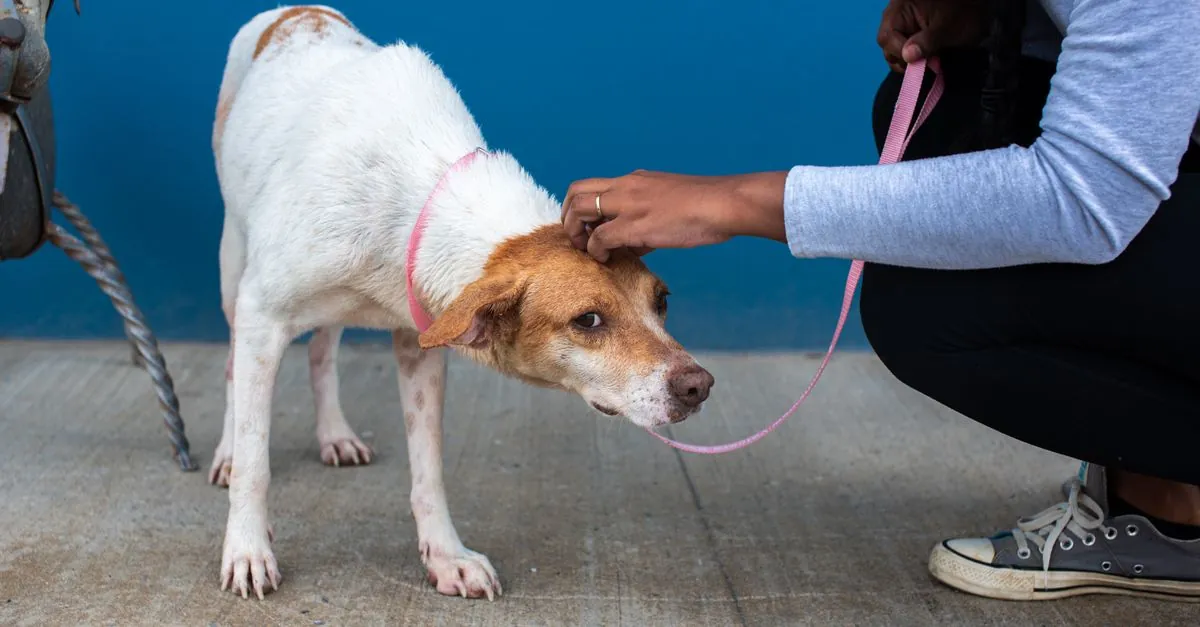
It is a historic summer for animal welfare in Germany and Europe. After the comprehensive national Animal Welfare Act amendment stalled last year due to political upheaval, a long-awaited breakthrough has finally arrived in June 2026. While the Bundesrat and Bundestag are currently debating the closure of final legislative gaps at the national level, the European Union has already established historic facts: at the end of April 2026, the EU Parliament passed the groundbreaking "Cats and Dogs" regulation. For you as a dog owner and for responsible breeders, this means massive changes. The focus is shifting irrevocably from extreme aesthetic features to animal health, and a definitive fight has been declared against illegal puppy trading. We have summarized the new rules on the table and what you need to prepare for.
The End of Gray Areas: What Changes for Breeders
The fight against so-called "torture breeding" (Qualzucht) is at the absolute heart of the current Animal Welfare Act amendment. Until now, the legal situation in Germany was often subject to interpretation, making it easy for unscrupulous multipliers to breed animals with extreme physical limitations and sell them for profit. This is now changing fundamentally.
At the core of the national debate, fueled further in June 2026 by new recommendations from the Bundesrat, is the introduction of a binding and legally secure symptom list. This means: in the future, discussions will no longer be about breeds as a whole, but about concrete, hereditary suffering. Symptoms such as respiratory distress (common in brachycephalic breeds like Pugs or French Bulldogs), deafness, blindness, chronic skin inflammation, or massive joint abnormalities will be explicitly enshrined in law. For official veterinarians, this finally provides the legal certainty needed to consistently enforce breeding bans nationwide. Breeders will be held more accountable to provide veterinary reports proving that their breeding animals are free from these defect markers.
Additionally, the new EU Pet Regulation is taking effect, establishing cross-border standards for breeding for the first time. Inbreeding—such as between siblings or parents and offspring—will be strictly prohibited throughout Europe. The living conditions for breeding bitches will also be specified to stop exploitation in so-called puppy mills.
Another massive impact concerns online trade. Anyone wishing to sell dogs via internet portals in the future must have their identity and the animal's data officially verified. Platforms will be legally required to strictly check this data before any listing can go online. For responsible breeders, this is a highly welcome development, as they already adhere to strict rules, and unfair competition from the "puppy mafia" will be massively curbed.
New Obligations and More Safety: What This Means for Puppy Buyers
If you are currently thinking about giving a puppy a new home, the new regulations primarily bring one thing: significantly more transparency and safety. Purchasing a sick dog from dubious sources will be made much more difficult by stricter online verification requirements. In the future, you will find it easier to recognize whether a provider is officially registered.
One of the greatest achievements of the new EU regulation is the comprehensive microchip and registration requirement. Previously, identification laws in Germany were a patchwork of different federal states. In the future, every dog in the European Union must be microchipped and registered in a national database. These national databases are intended to be networked across the EU in the long term to immediately identify stolen or abandoned animals. A transition period of four years applies to commercial dealers, animal shelters, and breeders. For you as a private dog owner, the obligation to re-register existing dogs only applies after a longer transition period of ten years—but even today, microchipping and registration are an absolute must for every responsible owner.
Furthermore, the national amendment to the Animal Welfare Act strengthens general keeping conditions. The fundamental ban on tethering is further underpinned by the overarching law. Also, non-curative interventions—such as docking tails or ears for purely aesthetic reasons, which are already banned in Germany—are now sanctioned EU-wide for shows and trade under the new regulation. An imported dog with cropped ears may not be shown or traded in the future.
If you would like to find out more about various dog breeds and their breed-typical health requirements, we recommend taking a look at our comprehensive breed overview. There you will learn in detail what you should pay special attention to for your desired breed to minimize health risks from the start.
The Political State of Play (June 2026)
What does the current legal roadmap look like? At the European level, the EU Parliament voted by an overwhelming majority on April 28, 2026, in favor of the "Cats and Dogs" regulation. Formal confirmation by the European Council is expected in the summer of 2026. After that, the regulation will enter into force, and member states will have two years to translate the key points into national law and establish the corresponding control mechanisms.
In Germany, political momentum is also extremely high. After the ambitious draft from the Federal Ministry for Food and Agriculture (BMEL) fell victim to the principle of discontinuity in 2025 due to the early end of the government coalition, the topic is once again at the top of the agenda. In June 2026, the Bundesrat demanded in a current statement that the gaps in animal welfare law be closed once and for all, building on the 2024 draft. The German Animal Welfare Federation (Deutscher Tierschutzbund) explicitly supports this demand and appeals to the Bundestag to improve the bill in the current parliamentary process. The signs clearly point to change: there will be no going back to the old, vague gray areas.
Conclusion: A Win for Dog Health
The Animal Welfare Act amendment and the new EU Pet Regulation mark a true turning point in the history of dog ownership. Even if the wheels of politics sometimes turn slowly, the decisions from the spring and summer of 2026 are a clear and unequivocal signal: the health, vitality, and well-being of dogs have top priority. For you as a buyer, this means that you will be much better protected from scammers in the future, and the probability of welcoming an entirely healthy and sound-tempered puppy into your family increases significantly.
We at HonestDog explicitly welcome these legal developments. As a trusted platform, we have always been committed to ensuring that only verified, reputable, and responsible breeders can rehome their puppies. If you are looking for a new family member, you will find further valuable guides on safe puppy purchasing and optimal preparation for your four-legged friend in our education-center.
Frequently Asked Questions (FAQ) about the Animal Welfare Act Update
-
Are certain dog breeds banned in Germany due to the amendment?
No. Neither the national Animal Welfare Act nor the EU regulation imposes a blanket ban on specific breeds (such as the Dachshund or the Pug). It is exclusively about banning torture breeding features. Breeders may continue to breed all breeds, provided they can prove that the parents are healthy and the offspring will not suffer from hereditary defects like respiratory distress or joint problems. -
When will the new EU-wide chip requirement for dogs take effect?
The EU regulation is expected to formally enter into force in the summer of 2026, after which member states have two years for implementation. A transition period of four years applies to breeders, animal shelters, and commercial dealers for implementing the registration requirement. A period of ten years applies to private dog owners for re-registering dogs already owned. -
How will the online trade in puppies be controlled in the future?
Platform operators will be legally required to verify the identity of sellers and the data of the animals offered in advance. In the future, no dogs may be offered for sale on the internet without official proof or a valid registration. This is intended to eliminate the anonymity of the illegal puppy mafia and protect the buyer.