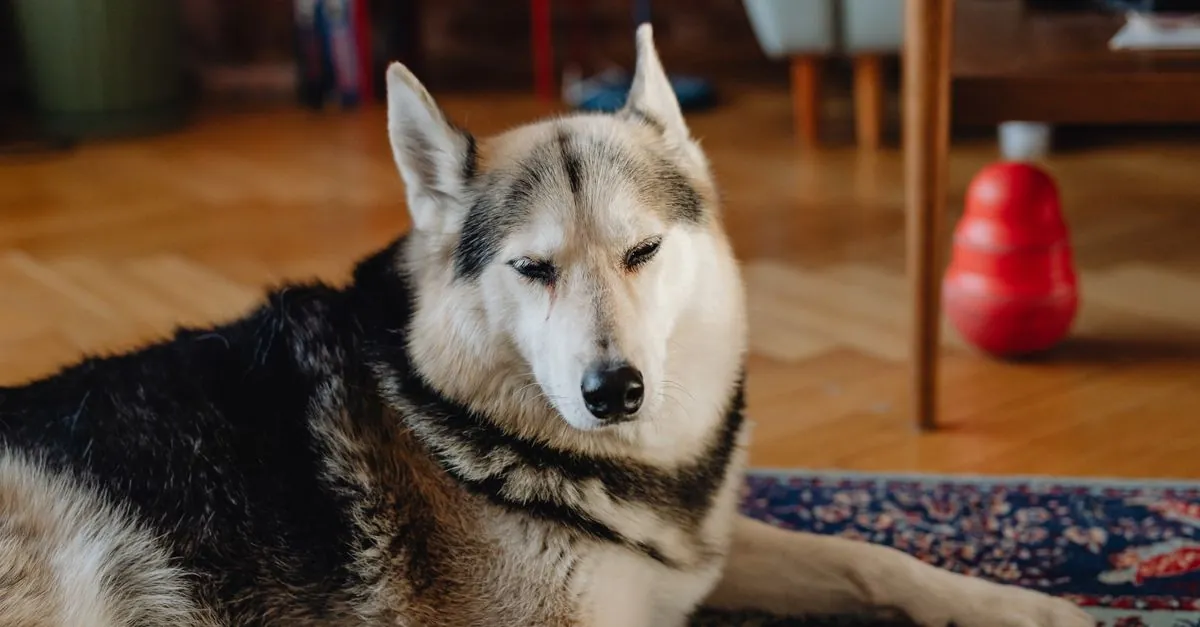
The bernedoodle dog breed is enjoying massive popularity as demand for hybrid dogs continues to surge. Crossing the calm Bernese Mountain Dog with the highly intelligent Poodle creates a companion known for its teddy-bear looks and friendly nature . However, bringing this designer cross into your home means looking past the hype: understanding their genetics, daily care requirements, and real grooming commitment is essential. In this comprehensive breed guide, we break down their temperament, health profile, and practical care tips.
Temperament and Personality: Gentle Charm Meets Keen Intelligence
In the Bernedoodle, two distinct character worlds combine . The Bernese Mountain Dog contributes steadfast loyalty, a calm demeanor, and deep affection for family members . The Poodle brings sharp intelligence, an eager-to-please work ethic, agility, and sometimes a mild prey drive .
In daily life, this pairing typically produces an affectionate, playful, and child-friendly companion . That said, hybrid dogs do not carry standardized breed traits, making individual behavior less predictable , . Some pups lean toward the laid-back, occasionally stubborn nature of the Bernese, while others inherit the high-energy drive of a Standard or Miniature Poodle , .
Size Variations and Appearance
Depending on the variety of Poodle used in the breeding program, Bernedoodles fall into several size categories :
- Standard Bernedoodle: A cross between a Bernese Mountain Dog and a Standard Poodle. Height at the withers: approx. 58 to 70 cm (23–28 in), weight: 25 to 40 kg (55–90 lbs) , .
- Miniature / Medium Bernedoodle: Bred using Miniature or Medium Poodles. Height: approx. 35 to 55 cm (14–22 in), weight: roughly 10 to 20 kg (22–45 lbs).
- Tiny / Toy Bernedoodle: Typically a multi-generational cross involving Toy Poodles, with a shoulder height rarely exceeding 35 cm (14 in) , .
Coat colors vary widely: from the iconic tricolor pattern of the Bernese Mountain Dog to bicolors, solid blacks, browns, and cream tones, almost any combination is possible .
Grooming and Allergy Considerations: Myths vs. Reality
A primary selling point for many buyers is the claim that Bernedoodles are low-shedding, "hypoallergenic" dogs . While their dense, wavy-to-curly coat generally sheds far less loose hair than the straight double coat of a Bernese Mountain Dog, no dog is truly hypoallergenic , . Allergens are carried in dander, saliva, and urine proteins (such as Can f 1), meaning complete guarantees simply do not exist.
At the same time, maintaining this coat requires significant dedication. Shed hairs get trapped inside the curls, quickly forming tight, painful mats close to the skin without thorough daily care.
Practical Grooming Tips:
- Use the line-brushing technique: Part the coat and brush layer by layer down to the skin using a slicker brush followed by a metal comb. Surface-level brushing alone lets severe mats develop underneath.
- Stay on top of paw and ear hygiene: Floppy ears with internal hair growth easily trap moisture, predisposing dogs to infections . Regular checks and gentle cleaning should be part of your weekly routine.
- Schedule regular grooming appointments: Plan for professional trims every 6 to 8 weeks . Avoid shaving the coat down to the bare skin in summer, as the double coat provides vital thermal regulation and UV protection.
Health Profile and Life Expectancy
A healthy Bernedoodle has an average life expectancy of 10 to 14 years, with smaller varieties generally living longer than larger Standard Bernedoodles . While hybrid vigor is frequently cited, crossbreeding does not automatically eliminate hereditary health conditions shared by parent breeds .
Key health risks to monitor include:
- Joint conditions: Hip dysplasia (HD) and elbow dysplasia (ED), especially in larger dogs .
- Eye diseases: Progressive Retinal Atrophy (PRA) and cataracts .
- Hereditary cancers: A predisposition to histiocytic sarcomas inherited from Bernese Mountain Dog bloodlines , .
Because the Bernedoodle is not recognized as an independent breed by the Fédération Cynologique Internationale (FCI) or the Verband für das Deutsche Hundewesen (VDH) , there are no official kennel club inspections. It is crucial to verify comprehensive screening results from breeders, including radiographic hip/elbow assessments (HD/ED) and genetic health panels for both parents .
Training and Daily Exercise Requirements
Bernedoodles are not low-energy couch potatoes . They thrive with a balanced routine that offers both physical exercise and mental enrichment . Dummy training, nose work, and tracking games keep their minds engaged without putting excessive strain on growing joints.
During training, Bernedoodles respond best to gentle, consistent guidance and shut down under harsh correction. Positive reinforcement, clear boundaries, and early socialization create a confident, well-adjusted companion . Explore HonestDog's knowledge hub for more practical training and settling-in guides.
Summary: Is a Bernedoodle the Right Dog for You?
The Bernedoodle makes a versatile, devoted, and generally social family pet . If you have the time for intensive coat maintenance and can provide regular physical and mental exercise, you will find an exceptional companion for life. When searching for a puppy, prioritize ethical breeders who provide transparent, vet-certified health clearances for their breeding dogs . HonestDog connects you with responsible breeders and expert resources to support you every step of the way .
Frequently Asked Questions (FAQ)
Are Bernedoodles truly suitable for allergy sufferers?
Not in every case . Because allergens are present in skin flakes (dander) and saliva rather than just shedding hair, prospective owners with allergies should spend time with dogs from the specific breeding line or complete an allergy test before committing.
How much daily exercise does a Bernedoodle need?
An adult Standard Bernedoodle generally needs about 1.5 to 2 hours of daily activity, split across brisk walks, scent games, and mental stimulation. Mini Bernedoodles may need slightly shorter walks, but they require just as much brainwork to stay satisfied .
Why isn't the Bernedoodle recognized by the VDH or FCI?
The FCI and national kennel clubs like the VDH only register purebred populations with closed studbooks and stable, multi-generational breed standards , . As a designer crossbreed, Bernedoodles display significant genetic and physical variation across litters , .