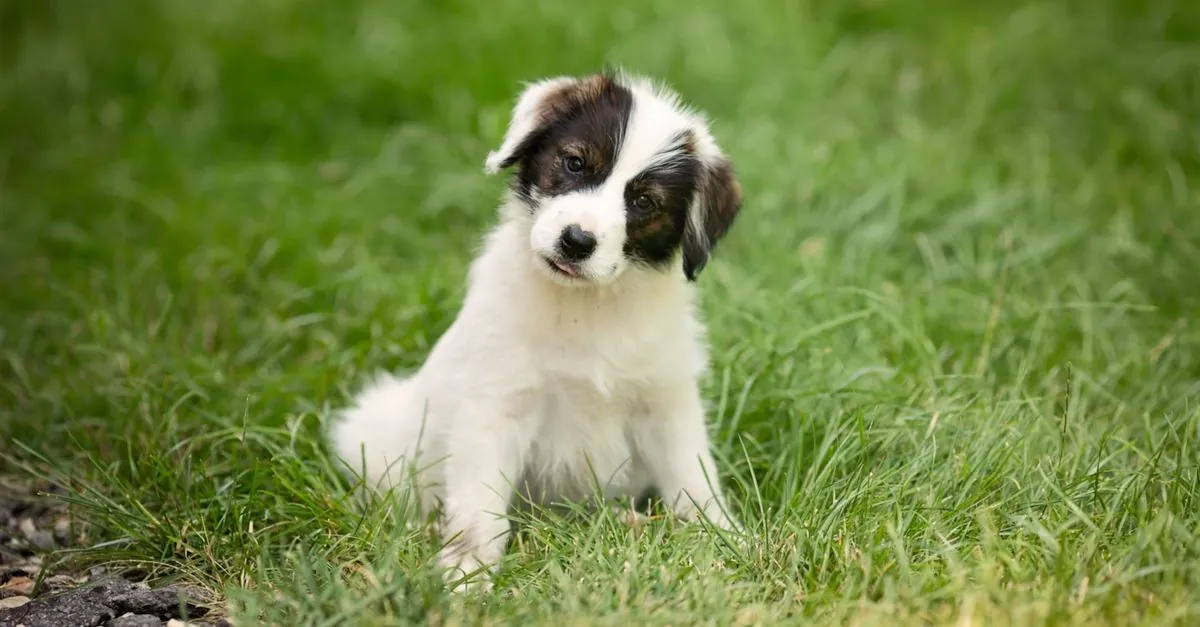
The bernedoodle dog breed is often described as a fluffy, tricolor bundle of joy with loyal eyes and the promise of being a non-shedding family companion. In August 2026, rescue platforms and search engines are seeing a noticeable surge in interest for this crossbreed. A planned pairing of the easygoing Bernese Mountain Dog and the intelligent Poodle, it represents the ultimate dream dog for many. Yet behind the adorable teddy-bear looks lie demanding grooming, training, and genetic health requirements that have long been viewed critically by major kennel clubs like the Fédération Cynologique Internationale (FCI) and the Verband für das Deutsche Hundewesen (VDH).
In our comprehensive breed overview, we explore what drives this ongoing popularity, the everyday challenges owners face, and how to meet this crossbreed's true needs.
Temperament and Character: The Myth of the Perfect Companion
On paper, the breeding goal sounds ideal: blend the calm, loyal nature of the Swiss mountain dog with the sharp intellect and adaptability of the Poodle. In practice, many Bernedoodles do develop an affectionate, friendly disposition, making them beloved family pets.
However, genetics isn't a simple equation. Because this is a crossbreed without a standardized breed profile, traits can vary significantly even within the same litter:
- Poodle Dominance: If the Poodle side takes the lead, you get a highly active dog with a strong drive to work, remarkable agility, and sometimes a noticeable prey drive.
- Bernese Mountain Dog Dominance: When Bernese genes predominate, the dog tends to be calmer, but you may also encounter a stubborn streak along with protective and guarding instincts.
- Sensitivity: Both parent breeds are sensitive to their owners' moods. Harsh training methods quickly lead to avoidance behavior or insecurity.
Practical Lifestyle Tips: Day-to-Day Care and Living
If you're considering a Bernedoodle, being prepared makes all the difference. These practical tips will help keep your daily routine smooth and well-structured:
1. Make Coat Care a Daily Routine
A Bernedoodle's coat often blends the dense undercoat of the Bernese Mountain Dog with the continuously growing curls of the Poodle. Without regular maintenance, matting forms rapidly right at the skin.
- Line Brushing: Brush the coat daily, section by section down to the skin using a slicker brush, followed by a metal comb to check for hidden tangles.
- Grooming Schedule: Plan for a professional grooming visit or a home trim every 6 to 8 weeks.
- Ear Hygiene: Heavy, floppy, hair-filled ears are prone to infections, especially in warmer weather. A gentle weekly clean helps keep issues at bay.
2. Focus on Targeted Mental Stimulation
Physically, a Standard Bernedoodle (which can weigh up to 40 kg) needs moderate, varied exercise. To keep their sharp mind satisfied, scent work and problem-solving games are invaluable.
- Incorporate quick 5-minute dummy training or tracking exercises into your morning walk.
- Use food puzzles and snuffle mats on rainy days.
- Avoid endless ball throwing, which can overstimulate prey and chase drives.
3. Protect Their Joints Early On
Given their adult weight and inherited risks for hip and elbow dysplasia (HD/ED), puppies and young dogs should avoid climbing stairs. Using a ramp for the car trunk helps protect joints over the long haul.
Designer Dog Criticisms: What Buyers Should Know
Despite their appeal, designer crosses face scrutiny from veterinarians and canine experts. Neither the VDH nor the FCI recognizes the Bernedoodle as an independent breed.
This reality brings clear considerations:
- No Independent Breeding Oversight: Without mandatory breed club assessments, health testing (such as genetic screenings for degenerative myelopathy, eye exams, or joint X-rays) is left entirely to the individual breeder's discretion. For more background on breeding standards and animal welfare, consult reputable veterinary resources like the German Animal Welfare Federation.
- The Hypoallergenic Myth: No dog is 100% hypoallergenic. Allergens are found in saliva, dander, and urine, not just shedding fur. Many Bernedoodles do shed noticeably despite marketing claims.
- Inflated Pricing: Puppies are frequently sold for premium prices as exclusive designer pets without official pedigree registration or independent verification.
Is a Bernedoodle Right for You?
This crossbreed can be a wonderful, clever, and devoted companion—provided you're ready for intensive coat care, consistent positive training, and a clear-eyed approach to health claims. Don't let social media trends steer your decision.
Before bringing a puppy home, research thoroughly. Compare recognized breeds across our HonestDog breed library. HonestDog is dedicated to supporting verified breeders, comprehensive health screenings, and transparent guidance so dogs and owners can build a thriving life together.
Frequently Asked Questions (FAQ)
Are Bernedoodles truly non-shedding?
There are no guarantees. Depending on whether Poodle genes (continuous hair growth) or Bernese genes (heavy seasonal shedding) dominate, some shed very little while others shed substantially. If you have allergies, spending time around the dogs beforehand is essential.
How large and heavy do Bernedoodles get?
It depends on the parents: A Standard Bernedoodle (Standard Poodle × Bernese Mountain Dog) typically reaches 58 to 70 cm at the shoulder and weighs 25 to 40 kg. Crosses involving Miniature Poodles (Mini Bernedoodles) stay noticeably smaller at roughly 10 to 18 kg.
Is a Bernedoodle suitable for first-time owners?
Generally yes, thanks to their eager-to-please nature. However, beginner owners should not underestimate the substantial grooming commitments or potential stubbornness and prey drive.