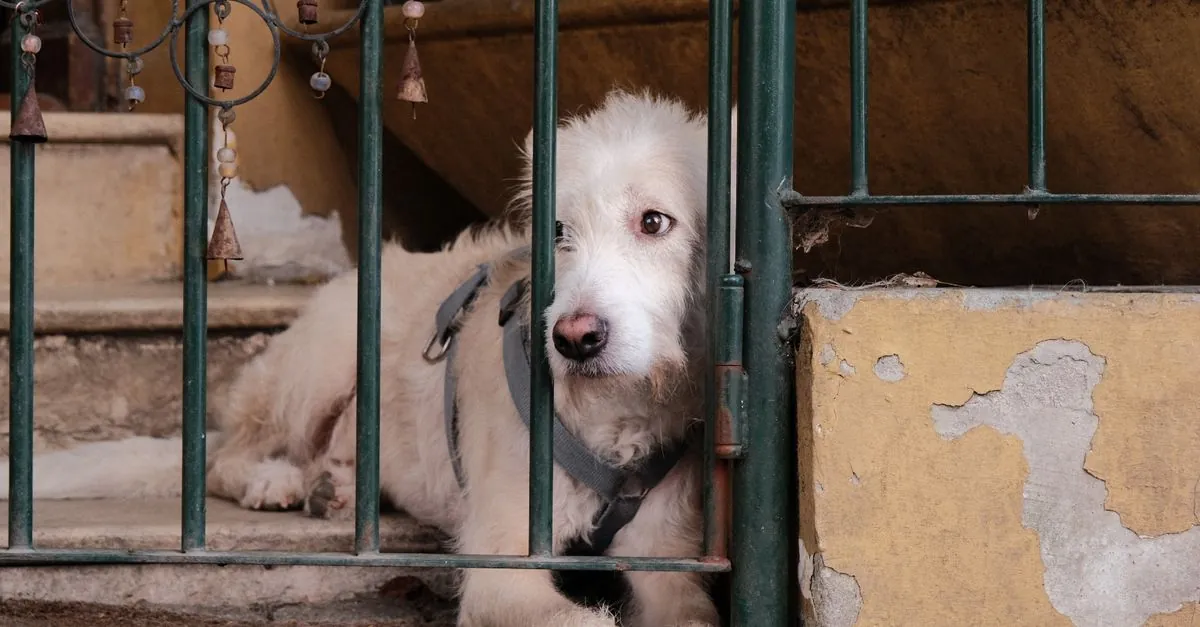
Overcrowded Animal Shelters Face Dog Intake Freezes in August 2026
Closed doors, full kennels, and exhausted shelter staff: as the peak holiday season winds down in August 2026, the situation across German animal welfare has reached a critical boiling point. The German Animal Welfare Federation and local rescue organisations nationwide are sounding the alarm. From Hamburg to Munich, facilities are reporting complete or partial intake freezes for dogs. What was once a temporary, seasonal spike after the summer holidays has solidified into a structural crisis in 2026, pushing rescue centres to the brink of collapse.
The Data: Why Are Animal Shelters Overcrowded After Summer?
The statistics reveal a clear picture: according to data from the German Animal Welfare Federation, more than two-thirds of the roughly 550 affiliated animal shelters are operating at or above their absolute capacity limit. Barely 18 percent have any open spots left for new intakes. Around 350,000 animals are taken in across Germany every year, but the summer influx is bringing the system to a complete standstill.
The fact that overcrowded animal shelters are turning dogs away stems from a toxic mix of compounding factors:
- Seasonal surrenders and abandonment: Many owners only realise right before their trip that professional pet sitters or boarding kennels are either fully booked or prohibitively expensive. The result is a surge in last-minute surrender requests or, worse, illegal abandonments at highway rest stops and parking lots.
- Skyrocketing costs of dog ownership: Since the reform of the veterinary fee schedule (GOT) alongside persistent price hikes for specialized food and energy, fewer people can afford to care for chronically ill or injured pets.
- The fallout from impulse purchases: Many dogs purchased on a whim via online classified ads over recent years are now reaching two to five years of age. Without consistent training, they develop behavioural issues that overwhelm their owners in everyday life.
The "Long-Term Residents" Crisis in Dog Adoption
A data-driven look at shelter demographics shows that overcrowding isn't driven solely by incoming animals, but by dropping rehoming rates. While healthy puppies and easygoing family dogs find new homes quickly, certain categories of dogs remain in kennels for months or even years:
- Dogs with behavioural issues: A lack of early socialization, leash reactivity, or resource guarding makes rehoming to beginners impossible. Finding experienced owners without young children can take years.
- Working breeds and restricted dogs: Breeds such as American Staffordshire Terriers, Belgian Malinois, or Kangals end up in shelters in disproportionate numbers because owners underestimated their intense need for mental stimulation, exercise, and structured leadership. If you're looking for a canine companion, be sure to research specific traits and care requirements beforehand in our detailed breed guides.
- Senior and chronically ill dogs: Faced with potential vet bills, many prospective adopters hesitate to take on an older dog.
Calls for Political Action: Animal Welfare Laws and Handler Proof of Competence
Animal welfare experts emphasize that volunteers and private donations can no longer shoulder the statutory public duty of caring for stray and surrendered pets alone. The German Animal Welfare Federation and the Federal Government Commissioner for Animal Welfare are calling for clear legislative changes:
- Regulation of online pet sales: A strict ban on anonymous puppy sales on digital classifieds to eliminate the business model of unethical backyard breeders.
- Nationwide certificate of competence: A mandatory dog handler license before acquiring a pet, ensuring owners understand the lifelong responsibility, training commitment, and financial costs involved.
- Cost-covering municipal reimbursements: A legal obligation for local municipalities to fully cover the actual costs of boarding and veterinary care for found and confiscated animals.
Under Section 3 of the German Animal Welfare Act (TierSchG), abandoning or deserting an animal is illegal. Simply tying a dog to a tree or dumping it in the woods is at least an administrative offence subject to fines of up to €25,000—and if the animal suffers or dies, offenders face criminal prosecution.
Conclusion: Responsible Dog Buying Prevents Overcrowding
The overcrowding seen in shelters in late summer 2026 is a stark reminder of what happens when animals are treated as disposable consumer goods. True animal welfare starts long before bringing a pet home: anyone looking to get a dog must realistically assess their lifestyle, time commitments, and budget. Reputable guidance and transparency are vital. This is precisely where platforms like HonestDog come in: through verified breeders, well-researched educational resources, and a commitment to responsible rehoming, we help prevent impulse buys and break the cycle of crowded rescue facilities for good.
Frequently Asked Questions (FAQ)
What should I do if my local shelter has an intake freeze?
If you're facing an emergency and can no longer keep your dog, avoid dubious online classifieds. Reach out to other rescue groups in your region, talk to your vet, or contact breed-specific rescue initiatives. Many shelters can also list your dog on their website as a direct adoption while the dog temporarily stays with you.
Why do shelters impose intake freezes?
Shelters must comply with strict animal welfare regulations regarding space, hygiene, and staff-to-animal ratios. Exceeding maximum capacity leads to disease outbreaks, stress-induced bite incidents, and severe staff burnout. An intake freeze protects the health and safety of the animals already in their care.
How can I support overcrowded shelters right now?
Adoption isn't the only way to help: shelters welcome financial donations toward vet bills, food sponsorships, volunteer dog walking, or temporary foster homes to care for dogs until their forever homes are found.