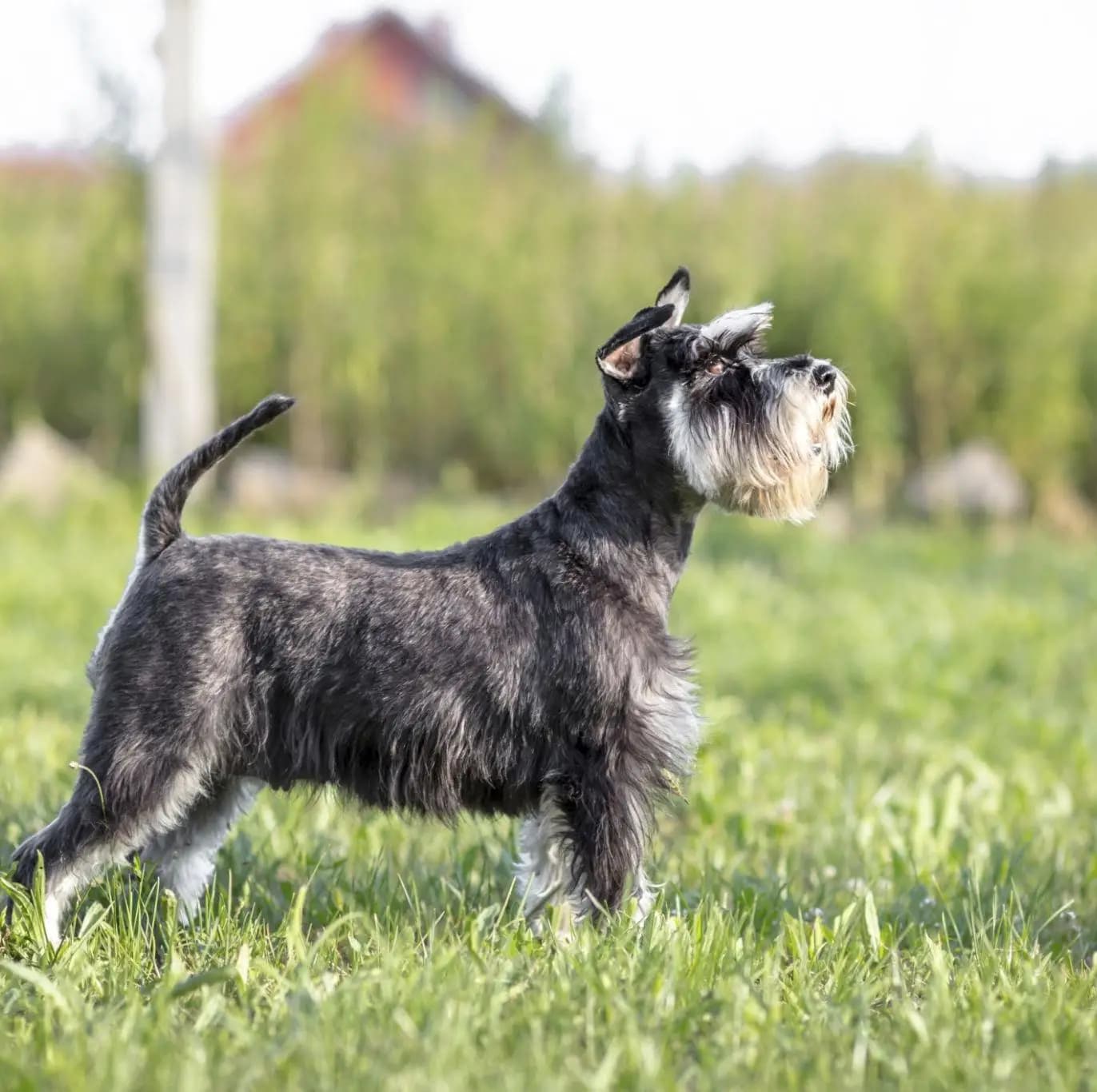
Standard SchnauzerClose relative
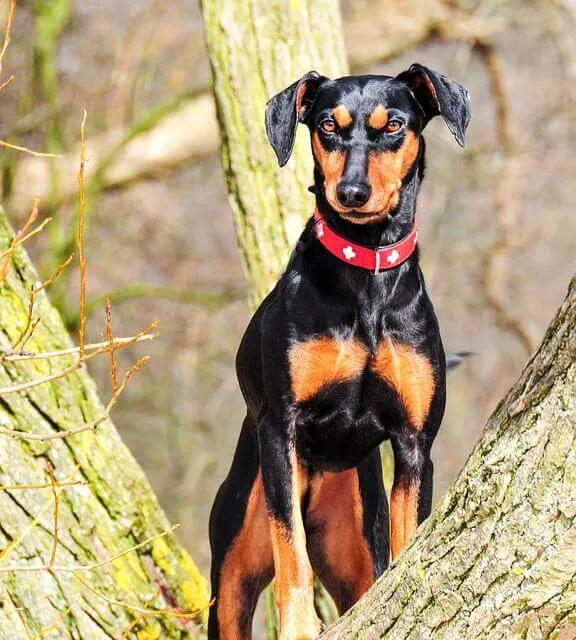
The Deutscher Pinscher is an intelligent, hardy, and territorial watchdog and farm dog—bred to guard home and hearth independently and hunt pests with lightning speed, which is why he will quickly take command himself if he lacks confident leadership.
How the health grade is calculated
Sources for required breeding screenings. Pinscher-Schnauzer-Klub 1895 e.V.
Self-check
Answer 6 quick questions about your everyday life and see how well the German Pinscher fits you — including an honest cost estimate per month, per year, and across the dog's lifetime.
At a glance
The essentials — key facts, traits, and health priorities — before you dive deeper.
Lifespan
12–14 yrs
Shoulder height
45–50 cm
Weight
14–20 kg
Practical
Temperament
Daily life
What matters most
Especially with a German Pinscher, choosing the right breeder is the single most important decision you'll make. Serious breeders consistently test the parents for inherited conditions, prioritize healthy early socialization, and stay accountable long after handover. A cheap puppy without health screening tends to become the most expensive dog later on.
See HonestDog breeder standards →Colors & coat
The coat colors that occur in the German Pinscher — including which ones fall outside the breed standard and which carry genetic risk.
Eye colors
 Brown
BrownCoat type
 Short
Short Smooth
The real vibes check
A Deutscher Pinscher is like a highly dedicated bouncer: he loves his team dearly, but he is naturally inclined to decide for himself who is allowed in and what constitutes a threat. If you take this job off his hands and set clear boundaries, you will get an incorruptible, cuddly shadow. However, if you leave the leadership to him, he will rigorously manage your daily life according to his own ideas.
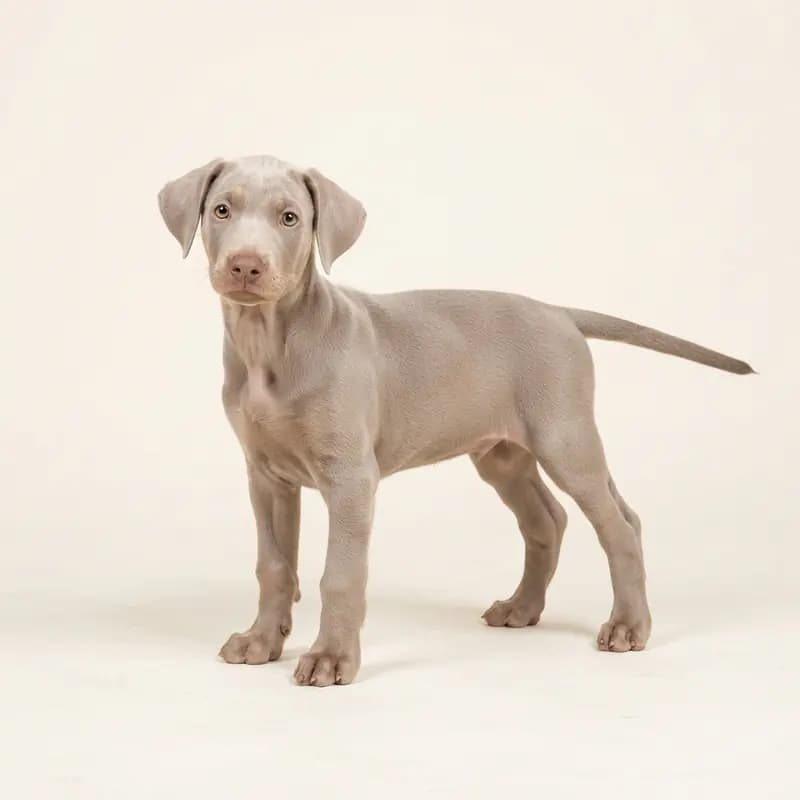
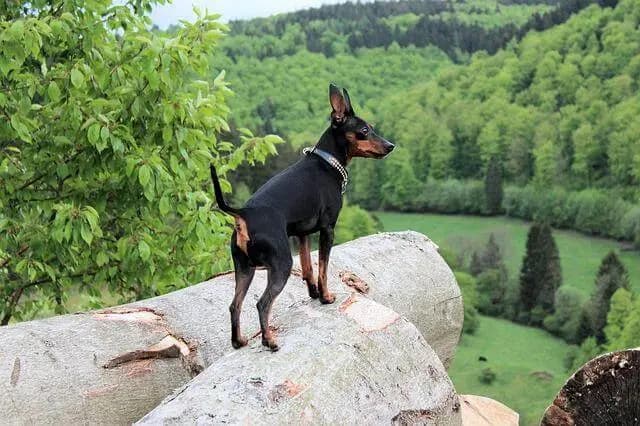
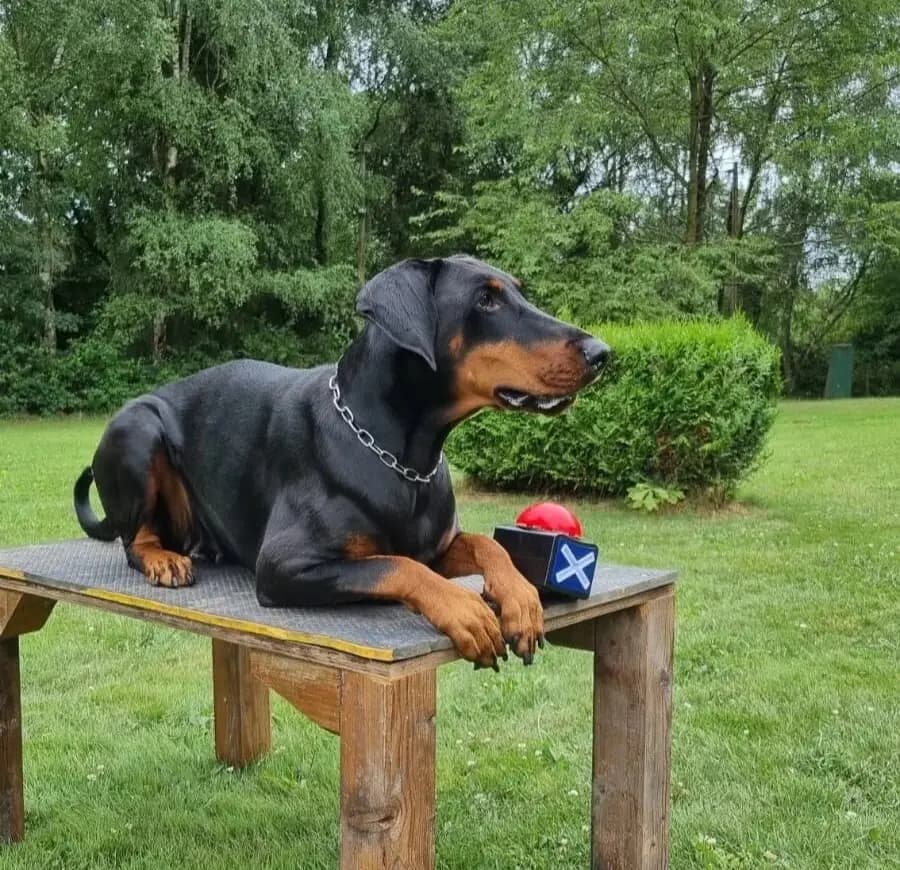
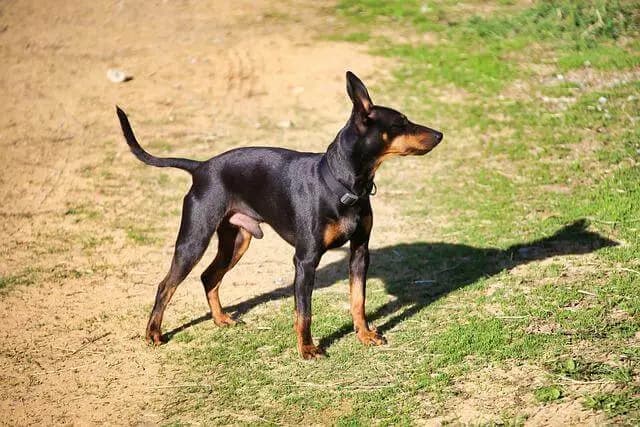
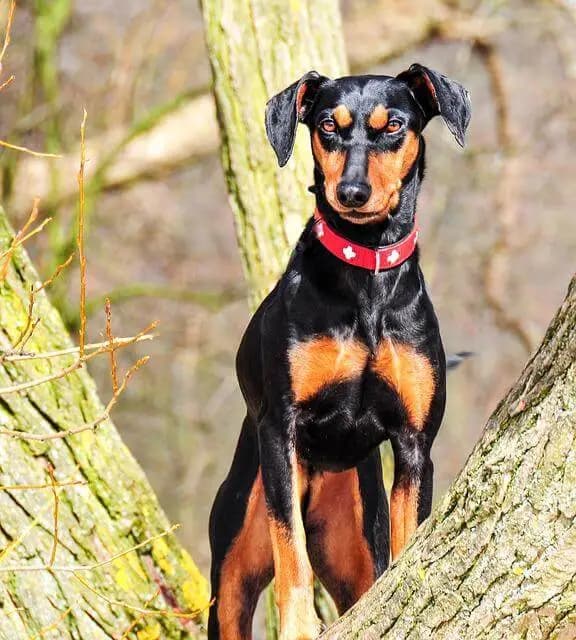
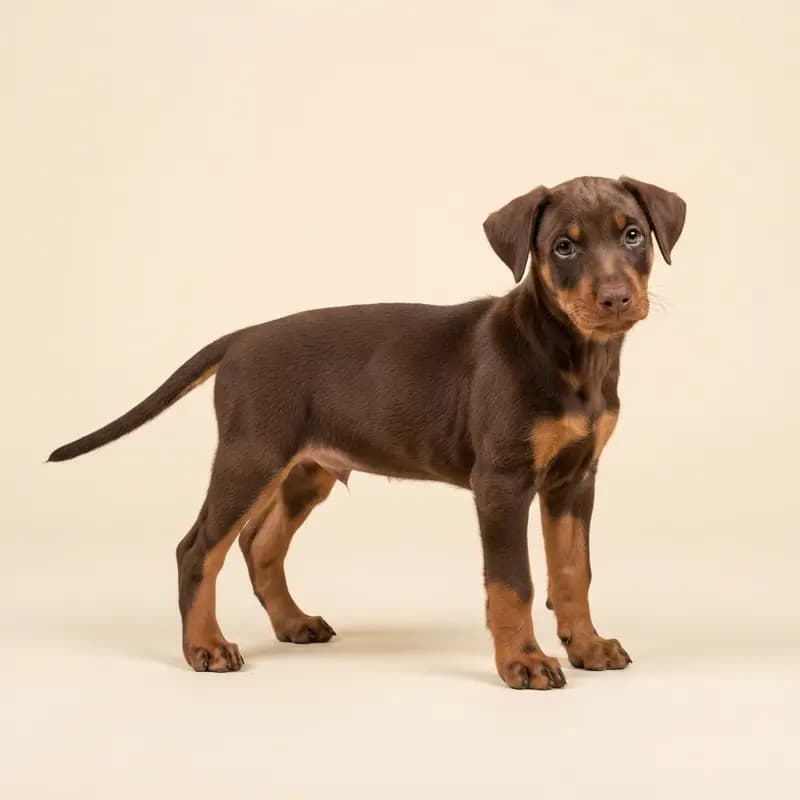
The German Pinscher is a medium-sized dog with an elegant and athletic appearance. His physique is square and muscular, which emphasizes his agility and strength. He has an elegant and proud posture that reflects his alertness and intelligence. The head is long and strong, with pronounced muscles and a prominent stop. The eyes are dark and oval, the ears are set high and either droopy or erect. The German Pinscher belongs to FCI Group 2, Section 1: Pinscher and Schnauzer. In general, there is no distinction between show and performance lines in this breed.
The German Pinscher is a devoted and affectionate dog who values close contact with his family. He is known for his intelligence, his energy and his alertness. He is also very playful and enjoys spending time with his humans, whether it's games, training or just cuddling. Despite his attachment to his family, the German Pinscher is an independent and confident dog. He tends to closely observe his surroundings and is always ready to protect his territory and family. Therefore, he is an excellent watchdog. Although he doesn't bark excessively, he will certainly raise the alarm if he notices something suspicious. The German Pinscher has a distinct personality. He is naturally curious and loves discovering and learning new things. However, his intelligence and resourcefulness can sometimes get him into trouble if he doesn't receive enough mental and physical stimulation. The German Pinscher can initially be reserved when dealing with strangers. It takes him some time to trust new people, but once he accepts them, he is very friendly and affectionate. In terms of temperament, the German Pinscher is an active and lively dog. He needs daily exercise and mental stimulation to be happy and content. He loves running, playing and training and has high endurance. The German Pinscher can learn to stay alone, but he should not be left alone for long periods of time. He values the company of his people and can develop separation anxiety if he is left alone for too long. When it comes to their hunting behavior, the German Pinscher has a strong prey drive. He was originally bred to be a rat catcher, and these instincts are still present in him today. Therefore, it is important that you keep an eye on him when you take him for a walk, especially in areas where small animals may be present. Raising the German Pinscher requires clear and consistent leadership. He is intelligent and learns quickly, but he can also be stubborn if not guided properly. Positive reinforcement methods work best with him, and he responds well to praise and rewards. The German Pinscher is a versatile dog that can adapt to many different activities and lifestyles. He can live in the city or in the country as long as he gets enough exercise and mental stimulation. He is an excellent companion dog for active people and families who are willing to include him in their daily activities.
| Watchfulness A natural watchdog with real protective instinct. | High |
| Openness to Strangers Neither pushily friendly nor suspicious. | Neutral |
| Hunting or Herding Drive Mild interest in movement and small animals — easily managed. | Low |
Fun Fact!
Despite their name, German Pinschers are not typical “Pinschers”. The name "Pinscher" is actually a German word meaning "Terrier", but German Pinschers have no terriers in their ancestry!
The German Pinscher is considered an easily excitable, active and intelligent dog. Its hunting motivation is high.
German Pinschers are versatile dogs that get along well in both the city and the country. They are adaptable and do well with different lifestyles as long as they receive enough exercise and mental stimulation. They generally get along well with children and can be a wonderful addition to families. Interacting with other pets, including cats, can also work well provided they are properly socialized and trained.
Loves family life and thrives in a group.
Takes boisterous and affectionate children in its stride.
Usually gets on fine with other dogs.
Adapts well to city living and urban environments.
Owning a dog is a privilege, but it's also a real responsibility. Before you bring one into your life, be honest with yourself about the commitment it takes.
German Pinschers are intelligent and eager to learn, which makes them excellent students. They respond well to positive reinforcement and benefit from consistent training. Because they are an active breed, they can be well suited to various dog sports such as agility, obedience and rally obedience. However, it is important to note that these dogs also have some independence and strong will. Therefore, training can sometimes be challenging and it is important that you are patient and consistent. They should also be trained to manage their energy and enthusiasm to avoid becoming "ball junkies" or direct their energy into undesirable behavior.
German Pinschers are active dogs, and their diet should reflect their energy needs. High-quality dog food that is balanced and nutritious can help them stay healthy and fit. It is important that you follow the manufacturer's feeding recommendations and check your dog's weight regularly to avoid becoming overweight. Grooming the German Pinscher is quite easy. He has a short, smooth coat without an undercoat that requires little grooming. Regular brushing can help remove dead hair and keep the coat healthy and shiny. Since the German Pinscher has no undercoat, it copes well with the German climate, but can benefit from a dog coat in particularly cold temperatures.
| Care Level Minimal effort — occasional brushing and bathing. | Low-maintenance |
| Exercise Needs Needs several hours of serious exercise every day. | Very active |
| Shedding No or minimal hair loss — suitable for allergy sufferers. | No shedding |
| Trainability Bred to work closely alongside humans. | Highly trainable |
Our experts are still reviewing this information. Spotted something wrong? Email us at info@honestdog.de.
Robust
Health grade
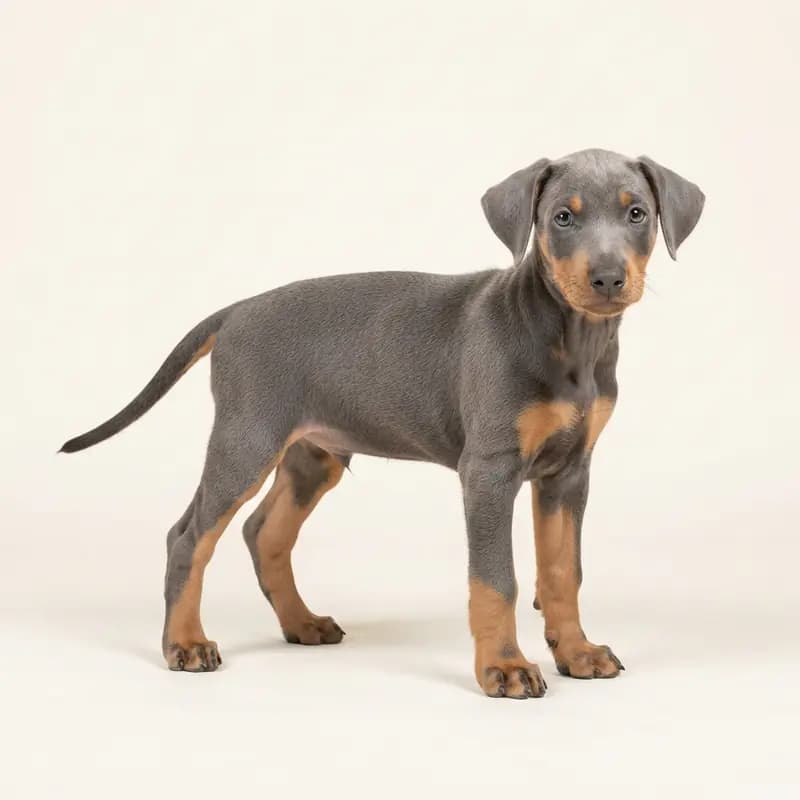
The German Pinscher is considered a very healthy breed; nevertheless, breed-specific risks such as hip dysplasia (HD), color dilution alopecia / blue dog syndrome, as well as von Willebrand disease type I or congenital heart defects can occur. For breeding approval, the Pinscher-Schnauzer-Klub 1895 e.V. mandates tests for color dilution alopecia / blue dog syndrome, where carriers may only be mated with clear partners, as well as examinations for eye anomalies. Responsible breeders additionally have the hips X-rayed for hip dysplasia (HD) and also test for von Willebrand disease type I and congenital heart defects. Before buying a puppy, ask to see the official test results of the parent animals showing HD A–B, unremarkable heart examinations, and the appropriate DNA status.
Grade is relative to other breeds — AI-assisted and editorially reviewed.
Methodology and data: HonestDog Dog Breed Health Report 2026
What matters most for this breed
Tap any item to see details.
You should ensure that he is raised in a way that is easy on his joints, schedule regular check-ups for his heart and eyes, and keep the breed-specific blood clotting factors in mind during vet visits or surgeries.
Responsible breeders test for Color Dilution Alopecia / Blue Dog Syndrome and eye anomalies in accordance with PSK requirements, and additionally have hip dysplasia (HD) and congenital heart defects veterinary evaluated.
Note: This health overview is AI-assisted and editorially reviewed. It is for orientation only and does not replace veterinary advice.
What matters most for this breed — what's common, how much it affects the dog's life, and how to protect yourself as a buyer.
Tap a body region to see the inherited conditions linked to it.
The three most important risks
Pick a region on the map to explore other areas.
Tier 1 is the core standard: the tests Pinscher-Schnauzer-Klub 1895 e.V. requires, plus further tests from the recommended health standard for this breed. Tiers 2 and 3 show how responsible breeders go beyond.
Core standard. Tests marked “Club standard” are required by Pinscher-Schnauzer-Klub 1895 e.V. for breeding approval; the others are part of the recommended health standard for this breed. Ask any reputable breeder for the results.
Note: This health overview is AI-assisted and editorially reviewed. It is for orientation only and does not replace veterinary advice.
A German Pinscher costs around ~€170 per month (€90 – €310, depending on your setup). The first year adds up to roughly ~€4,700 including purchase, equipment and puppy school; across the dog's life (13 years) it comes to about ~€28,970.
With surgery cover, running costs come to about ~€160 per month — in return, your share of a major operation drops from several thousand euros to around 20 percent.
Per month
~€170
In the first year
~€4,700
Across the dog's life
~€28,970
Estimated purchase price from a breeder: €1,200 – €2,500
Estimate at a mid-range setup (suburban, dry food, 1–2 hours of daily exercise), average German prices, as of July 2026.
 Illustrative image
 Illustrative image
 Illustrative image
 Illustrative image
The history of the German Pinscher dates back to the 15th century, where they were used as farm dogs, rat catchers and guard dogs in Germany. They are among the oldest German dog breeds and are the direct ancestors of many of today's breeds, including the Doberman and the Miniature Pinscher. The breed was originally called a "smooth pinscher" to distinguish them from the wiry pinschers now known as schnauzers. The German Pinscher was nearly extinct after World War II, but the breed was revived through the efforts of a few dedicated breeders. The breed was officially recognized as a separate breed in 1879.
The German Pinscher was used as a guard dog and for pest control on farms.
Germany
1879
At home and in family life, owners describe the German Pinscher as an affectionate, cuddly and loyal companion that practically demands a close bond with its people. With enough exercise it makes a pleasant housemate that is happy to doze for hours or snuggle up on the couch. At the same time, many owners stress that indoors and out, these dogs show strong controlling and watchdog instincts. Unusual noises or strangers are reliably announced, though the breed rarely yaps for no reason and instead barks with purpose. It is often aloof or suspicious with visitors at first.
Several reports point out that the German Pinscher is not a classic "tag-along dog" for every family. Its low frustration tolerance as a puppy and adolescent, and a tendency to get wound up when overstimulated, call for calm management. Owners describe it as loving with children but often physical and boisterous. They therefore advise setting clear boundaries from the start and giving the dog fixed places to retreat to amid the bustle of family life so it can learn to switch off.
Sources:darkangels-deutschepinscher.dedogforum.deforum.hundund.dedeutsche-pinscher.comamba-versicherungen.de
On training and activities, experienced owners highlight the breed's sharp intelligence and quick understanding, but point just as much to its strong will and independence. A German Pinscher regularly questions rules and shows little or no blind obedience. In owner forums, people repeatedly report that pressure or harshness in training leads to stubbornness and refusal, while consistency, fairness and humor bring the best results. Young dogs go through phases of renegotiating established rules or keeping tabs on their owners' every step around the house.
Hunting and prey drive is a dominant topic in owner reports. Originally bred as a farm and stable dog to control vermin, many Pinschers react in a flash to movement and to the scent of game, mice or birds. For most owners, reliable off-leash time therefore takes months of intensive anti-hunting and recall training. Thanks to its agility and love of work, the breed can be motivated very well for dog sports like agility, tracking or mantrailing, as long as you keep its interest up.
Sources:darkangels-deutschepinscher.dedogforum.deforum.hundund.dediehundezeitung.com
On health and care, many owners consider these dogs generally hardy and weatherproof, with a short, easy-care coat. Dirt can usually just be brushed off after walks. Owners do share with a wink, however, that the short, bristly hairs stubbornly stick in upholstered furniture, clothing and carpets. Because they lack a dense undercoat, many Pinschers are also sensitive to wet and cold and appreciate a warm coat in winter weather.
Breed and breeder circles repeatedly point out that the breed's gene pool is relatively small due to historical population crashes. Owners and clubs therefore pay attention in breeding selection to breed-typical predispositions such as von Willebrand disease (a blood-clotting disorder), hip dysplasia (HD) and inherited eye diseases (such as cataracts). Some owners also discuss increased sensitivity or delayed reactions to routine vaccinations, which is why a careful choice of breeder and veterinary support are recommended. With good care and a balanced workload, however, they are considered long-lived companions.
Paraphrased from real owner reports · translated from German
The German Pinscher is an active dog that needs plenty of exercise and mental stimulation. Research the temperament, grooming needs, and space requirements before deciding.
The average life expectancy of a German Pinscher is 12-14 years. With proper care and regular vet visits, your dog can live a long, healthy life.
German Pinscher grooming requirements include regular brushing, nail trimming, and dental care. HonestDog provides detailed grooming tips for every breed.
The German Pinscher can be a great family dog. Proper training and socialization are key. HonestDog provides family suitability information for every breed.
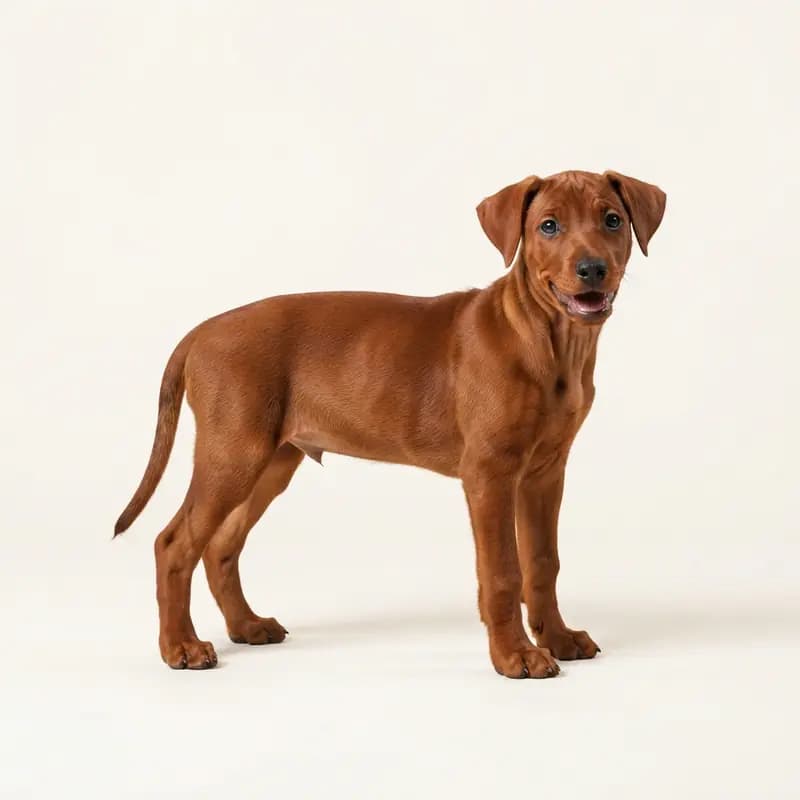
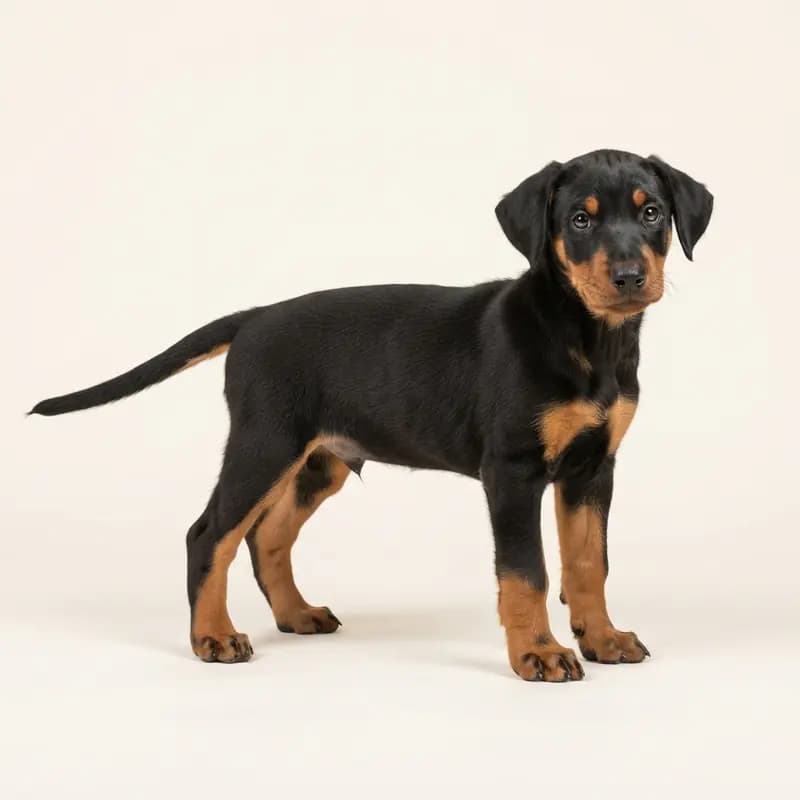
The German Pinscher comes in these colors: Red, Black and tan, Blue and tan, Brown and tan, Isabella. Colors that fall outside the breed standard are marked as such on the breed page.
Showcase your kennel on HonestDog and reach families searching for a responsibly bred German Pinscher.