Icelandic SheepdogSame FCI section
The Norwegian Buhund is an energetic, alert all-purpose dog—bred as a Nordic watchdog and herding dog that keeps a watchful eye and a loud voice on the house, farm, and herd.
How the health grade is calculated
Sources for required breeding screenings. Deutscher Club für Nordische Hunde e.V. (DCNH)
Self-check
Answer 6 quick questions about your everyday life and see how well the Norwegian Buhund fits you — including an honest cost estimate per month, per year, and across the dog's lifetime.

At a glance
The essentials — key facts, traits, and health priorities — before you dive deeper.
Lifespan
12–15 yrs
Shoulder height
41–47 cm
Weight
12–18 kg
Practical
Temperament
Daily life
What matters most
Especially with a Norwegian Buhund, choosing the right breeder is the single most important decision you'll make. Serious breeders consistently test the parents for inherited conditions, prioritize healthy early socialization, and stay accountable long after handover. A cheap puppy without health screening tends to become the most expensive dog later on.
See HonestDog breeder standards →Colors & coat
The coat colors that occur in the Norwegian Buhund — including which ones fall outside the breed standard and which carry genetic risk.
Eye colors
 Brown
Coat type
 Double coat
 Medium
The real vibes check
A Norwegian Buhund is like a dutiful farm manager who has an opinion on everything and isn't afraid to share it loudly. He doesn't just tag along; he wants to actively shape and guard every aspect of your daily life. If you appreciate this talkative, high-energy presence, you'll have a tireless team partner; if you're looking for a quiet follower, he will drive you crazy.
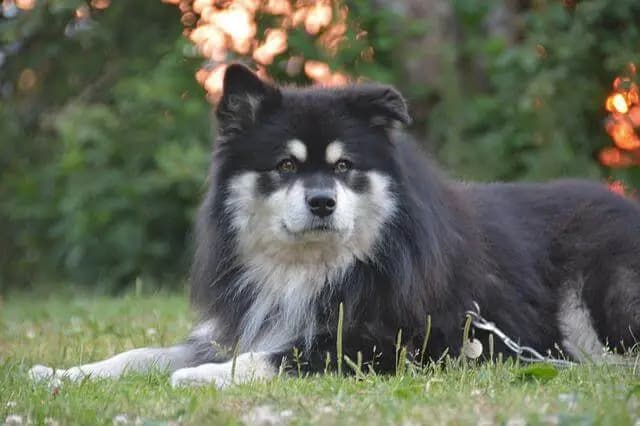
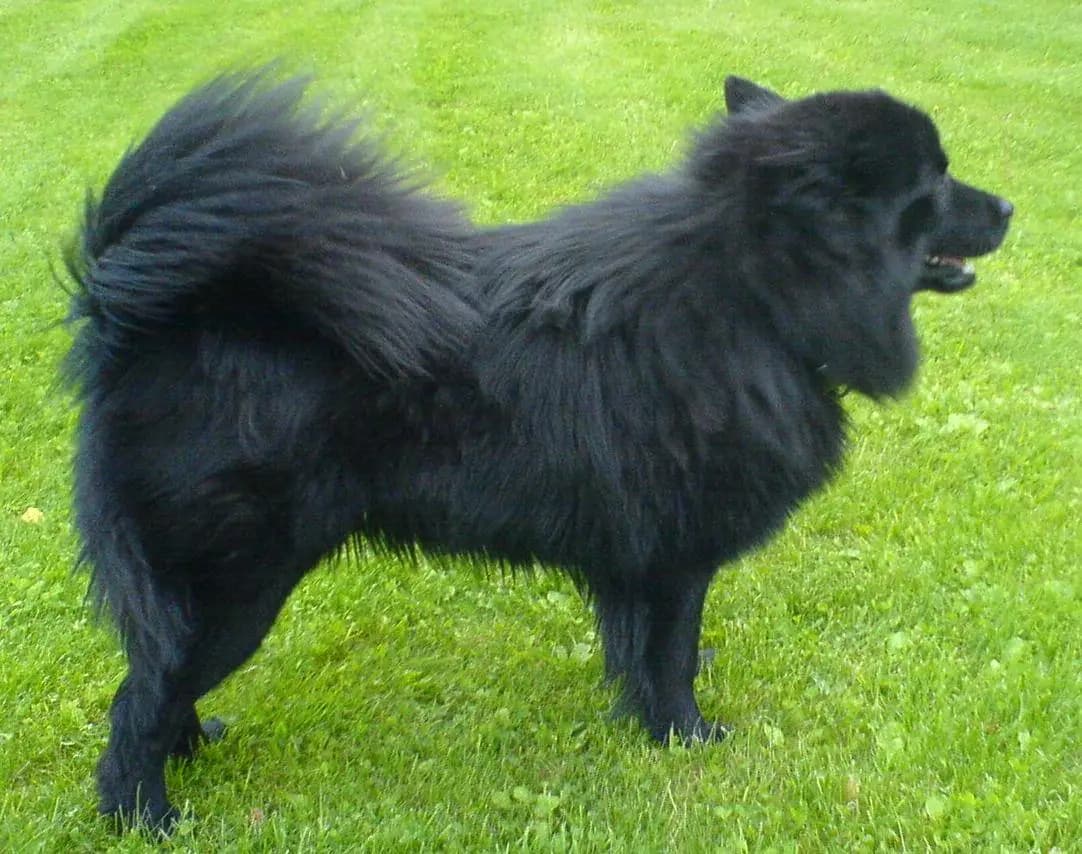
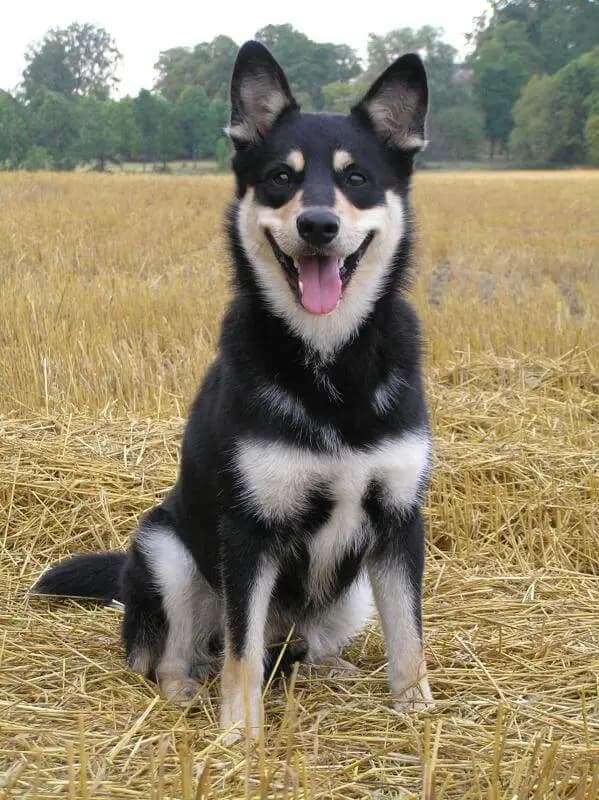
The Norwegian Buhund is a medium-sized dog that belongs to FCI Group 5, Spitz and Urtype dogs. He has a compact build with well-developed muscles and a magnificent coat that protects him from the harsh Nordic weather. Its ears are erect and pointed, and it has a powerful tail that often curls over its back. His eyes are dark and almond-shaped, giving him an attentive and intelligent expression. There are no specific performance and show lines in the Norwegian Buhund; rather, the breed is valued for its versatility and natural abilities.
The Norwegian Buhund is a highly intelligent and energetic dog that develops a close bond with its family. He is known for his loyalty and desire to be close to his people. His intelligence and eagerness make him a versatile working dog that can excel in a variety of roles. In terms of temperament, Norwegian Buhunds tend to be active and require regular exercise to stay happy and well-balanced. They have a natural herding instinct and can sometimes show some guarding instinct as well. This means they are often vigilant and tend to protect their family and home. They are not overly suspicious of strangers, but they will make sure you know when someone is around. Norwegian Buhunds are also very people-oriented and enjoy being in company. They are often playful and retain an air of playfulness even into adulthood. They can get along well with children and other pets if properly socialized. Their intelligence and desire to please also make them good candidates for dog sports such as agility, obedience and herding trials. When it comes to staying alone, it is important to know that Norwegian Buhunds often have a close bond with their people and prefer to be in their company. They can learn to stay alone for short periods of time, but they are not dogs that like being left alone for long periods of time. It is important that they are mentally and physically exhausted and that they know that you will return. When it comes to hunting and prey-catching behavior, Norwegian Buhunds have a moderate to strong hunting instinct due to their herding history. It is important that they are in a safe area or on a leash when outside as they may give in to the temptation to chase a squirrel or cat.
| Watchfulness Reports unusual activity but stays controlled. | Moderate |
| Openness to Strangers Warms up quickly and is generally welcoming. | Friendly |
| Hunting or Herding Drive Noticeable drive — needs attention around small animals. | Moderate |
Fun Fact!
The Norwegian Buhund belongs to a group of dogs known as "Spitz", and its history dates back to the time of the Vikings, who may have taken these dogs with them on their travels!
The thick-coated Norwegian Buhund, a Nordic spitz closely associated with the Vikings, is a medium-sized, weather-resistant working dog that is good at herding and guarding. As family dogs, Buhunds are intelligent, affectionate and unwaveringly loyal.
The Norwegian Buhund can be kept in the city if it receives enough exercise and mental stimulation. He needs regular walks and activities to be happy. This breed gets along well with children and is generally friendly. However, it is advisable to always monitor the interaction between small children and dogs. Norwegian Buhunds can also get along with cats and other pets, especially if they are used to them from an early age.
Lives for its family — the born family companion.
Extraordinarily patient and loving — a true family dog.
Actively enjoys the company of other dogs.
City-appropriate with enough exercise and stimulation.
Owning a dog is a privilege, but it's also a real responsibility. Before you bring one into your life, be honest with yourself about the commitment it takes.
The Norwegian Buhund is an intelligent dog that is willing to learn, which makes training easier. However, due to his origins as a herding dog, he is also independent and can sometimes have a mind of his own. It's important to be consistent and use positive reinforcement. This breed has a natural energy and curiosity, so activities like agility, obedience or even herding are a wonderful way to challenge them both physically and mentally. It is important to ensure that the Buhund is not over-employed and has enough rest periods. Ball games should also be enjoyed in moderation, as this breed can sometimes become a “ball junkie”. It is also advisable to teach the dog frustration tolerance and impulse control as this will help him behave better in different situations.
The Norwegian Buhund has an active lifestyle and therefore requires a balanced diet tailored to its energy needs. A combination of high-quality dry or wet food with occasional healthy treats like vegetables is a good option. It is also important to ensure that your Buhund does not become overweight, as this can put strain on his joints. When it comes to grooming, the Norwegian Buhund has a thick undercoat. The coat is short to medium long and should be brushed regularly to prevent matting and remove dead hair. They shed moderately, but this can increase during the spring and fall shedding period. The fur is well insulated and protects the Buhund from cold weather, so it can cope well with the German climate.
| Care Level Minimal effort — occasional brushing and bathing. | Low-maintenance |
| Exercise Needs Needs several hours of serious exercise every day. | Very active |
| Shedding Hair everywhere, always — no white clothing survives. | Very heavy |
| Trainability Picks up commands quickly and wants to please. | Eager to learn |
Our experts are still reviewing this information. Spotted something wrong? Email us at info@honestdog.de.
Solid, watch carefully
Health grade
The Norwegian Buhund has some breed-specific issues, but no documented high burden of disease: Cerebellar ataxia (CA1) is documented primarily as a serious hereditary disease, for which a DNA test has been available since 2018, and hip scores are average (OFA: 10.3% dysplastic). The Deutscher Club für Nordische Hunde e.V. (DCNH) mandates hip X-rays for breeding approval; only dogs with HD A–B are approved. Responsible breeders additionally screen their breeding dogs with a DNA test for cerebellar ataxia (CA1) and have their eyes examined for hereditary diseases such as cataracts and progressive retinal atrophy. Before purchasing a puppy, ask to see the hip results, a clear CA1 test, and a current eye examination report from both parent animals.
Grade is relative to other breeds — AI-assisted and editorially reviewed.
Methodology and data: HonestDog Dog Breed Health Report 2026
What matters most for this breed
Tap any item to see details.
With joint-friendly rearing during the first year of life and regular veterinary eye exams, most dogs remain active and healthy for a long time.
Responsible breeders have the hips X-rayed for dysplasia (HD) in accordance with DCNH requirements, additionally test via DNA test for cerebellar ataxia (CA1), and have the eyes examined for cataracts.
Note: This health overview is AI-assisted and editorially reviewed. It is for orientation only and does not replace veterinary advice.
What matters most for this breed — what's common, how much it affects the dog's life, and how to protect yourself as a buyer.
Tap a body region to see the inherited conditions linked to it.
The three most important risks
Pick a region on the map to explore other areas.
Tier 1 is the core standard: the tests Deutscher Club für Nordische Hunde e.V. (DCNH) requires, plus further tests from the recommended health standard for this breed. Tiers 2 and 3 show how responsible breeders go beyond.
Core standard. Tests marked “Club standard” are required by Deutscher Club für Nordische Hunde e.V. (DCNH) for breeding approval; the others are part of the recommended health standard for this breed. Ask any reputable breeder for the results.
Note: This health overview is AI-assisted and editorially reviewed. It is for orientation only and does not replace veterinary advice.
A Norwegian Buhund costs around ~€160 per month (€90 – €310, depending on your setup). The first year adds up to roughly ~€4,810 including purchase, equipment and puppy school; across the dog's life (13.5 years) it comes to about ~€29,550.
With surgery cover, running costs come to about ~€160 per month — in return, your share of a major operation drops from several thousand euros to around 20 percent.
Per month
~€160
In the first year
~€4,810
Across the dog's life
~€29,550
Estimated purchase price from a breeder: €1,500 – €2,500
Estimate at a mid-range setup (suburban, dry food, 1–2 hours of daily exercise), average German prices, as of July 2026.
HonestDog Concierge
We currently have no breeders for this breed who have passed our verification. Create your short buyer profile: we'll set up your search alert, review a possible source and email you within 28 days.
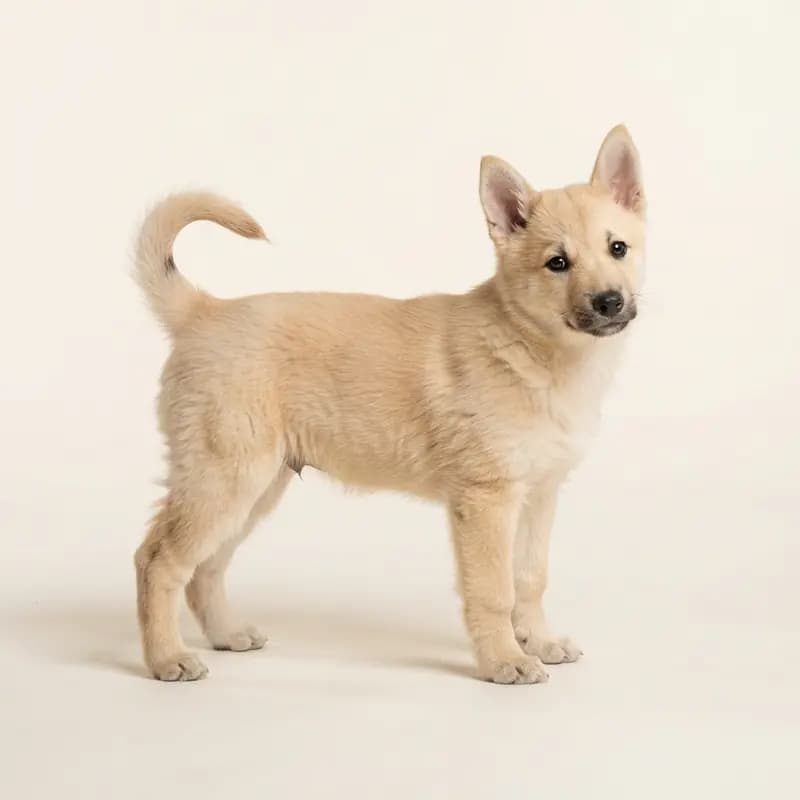 Illustrative image
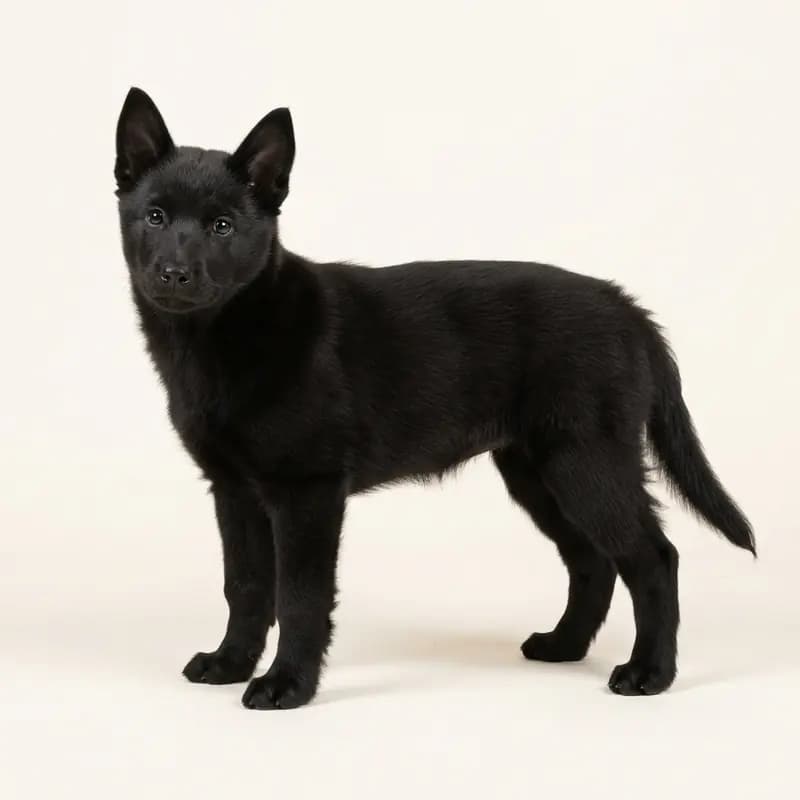 Illustrative image
As the name suggests, the Norwegian Buhund comes from Norway. The breed has a long history and can be traced back to the Viking Age. It is believed that the Vikings took these dogs with them on their travels and used them for herding and guard work. In fact, skeletons of dogs very similar to the Norwegian Buhund have been found in Viking graves, indicating that they played an important role in Viking life. The Norwegian Buhund was traditionally used as a farm and herding dog, tending sheep and cattle. He was also used as a guard dog. The breed continued to be bred in Norway over the centuries, but it was not until the 20th century that they began to be systematically bred and standardized. The first breed standard was established in 1939, and since then the Norwegian Buhund has been recognized as a separate breed.
The Norwegian Buhund was used as a herding dog for sheep and other farm animals.
Norway
900
Owners describe the Norwegian Buhund as an unusually affectionate, cheerful and people-oriented companion in everyday life. It bonds very closely with its people and would rather not leave their side at home. With children it comes across as playful, friendly and sturdy. However, owners occasionally see the inborn herding instinct break through when children or other pets run around in a jumble; some Buhunds then try to actively keep the "group" together.
Being left alone is a challenge that comes up again and again. Because of its strong social needs and close focus on its people, many dogs of this breed struggle to spend longer stretches without them. Owners say that if alone time isn't trained in small steps from puppyhood, or if the dog doesn't get enough exercise and activity, it quickly tends toward frustration, separation anxiety or loud protest. Owner accounts therefore consider the breed about as unsuitable as it gets for working people who are away for long hours with no care arranged.
Owners also agree that the seasonal coat change is heavy. The dense double coat repels dirt and brushes out easily day to day, but once or twice a year the Buhund sheds huge amounts of fine undercoat, which calls for regular, thorough brushing.
Sources:de.working-dog.compaw-champ.comrundum.dogdogpackapp.comedogs.de
Owners and breed experts especially highlight the Buhund's great eagerness to learn (its "will to please") and its intelligence. It picks up commands very quickly and is easy to motivate with positive reinforcement. Many owners put this love of work to good use in dog sports such as agility, rally obedience or tracking, where the dog can combine its need to move with mental work.
Owners agree, however, that barking is the biggest everyday training task. As a typical Scandinavian watch and farm spitz, the Buhund registers every change in its surroundings and reliably announces noises or passersby with a high-pitched bark. Owners stress that this barking isn't hysterical or aggressive, but it has to be channeled consistently from puppyhood, or the dog quickly becomes a nonstop barker, especially in thin-walled rentals or densely built neighborhoods.
On walks, many owners find the Buhund comparatively easy, since compared with other Nordic breeds (such as sled dogs or hunting spitzes) its prey drive is usually moderate and it can be called off well. Moving triggers like small animals darting away do catch its attention, but with solid basic training they can usually be kept well under control, so relaxed off-leash walks are possible in many places.
Sources:de.working-dog.compaw-champ.comrundum.dogpetbook.dezooplus.de
In owner accounts and breed profiles, the Norwegian Buhund is described as a basically vigorous, unspoiled and weatherproof breed that rarely suffers from problems created by overbreeding. Many owners report cheerful dogs that stay active into old age and reach a life expectancy of about 12 to 15 years.
Even so, owners and breed clubs point to certain hereditary weak spots to keep in mind before getting one. The focus is mainly on eye diseases (such as hereditary cataracts or PRA) and hip dysplasia (HD). Neurological conditions such as cerebellar ataxia are also covered in the health guidelines and monitored with gene tests.
A recurring point among Buhund owners outside Scandinavia is how rare the breed is. Because the gene pool in German-speaking countries is relatively small, dedicated owners and clubs stress how crucial the choice of breeder is: future owners often have to be ready for longer waits and should insist that the parents have documented hip and eye exams, to minimize the risk of inbreeding.
Sources:paw-champ.comedogs.depurina.desnack4pet.comzooroyal.de
Paraphrased from real owner reports · translated from German
The Norwegian Buhund is an active dog that needs plenty of exercise and mental stimulation. Research the temperament, grooming needs, and space requirements before deciding.
The average life expectancy of a Norwegian Buhund is 12-15 years. With proper care and regular vet visits, your dog can live a long, healthy life.
Norwegian Buhund grooming requirements include regular brushing, nail trimming, and dental care. HonestDog provides detailed grooming tips for every breed.
The Norwegian Buhund can be a great family dog. Proper training and socialization are key. HonestDog provides family suitability information for every breed.
The Norwegian Buhund comes in these colors: Wheaten, Black.
Showcase your kennel on HonestDog and reach families searching for a responsibly bred Norwegian Buhund.