Extreme Breeding in Dogs: Every Trait Explained
Short noses, long backs, rare colours – what is behind the best-known extreme-breeding traits, how to recognise healthy dogs and what the law says.
In short
Extreme breeding (called Qualzucht in German law) means breeding dogs for a look that causes them inherited pain, suffering or harm – such as breathing problems from an extremely short nose, disc disease from extremely short legs, or deafness linked to certain coat colours. In Germany, Section 11b of the Animal Welfare Act prohibits it. Usually the problem is the exaggerated trait rather than the whole breed – although for some breeds it is part of the breed type.
Where on the body is the problem?
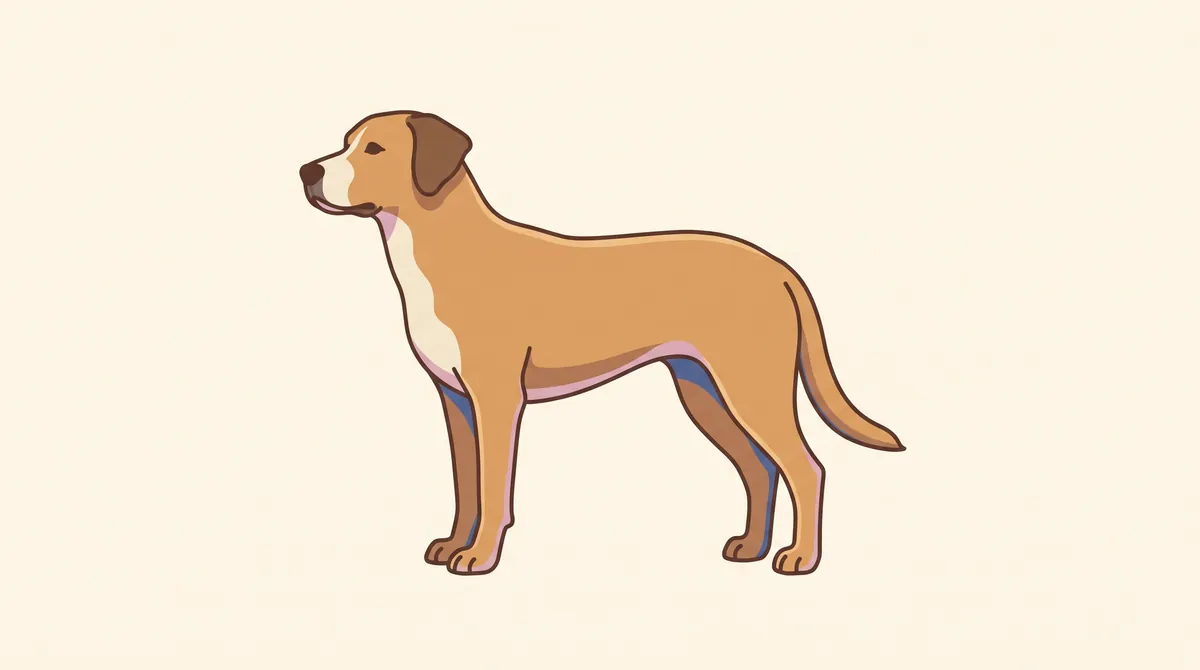
Tap a point to jump to the trait.
All traits at a glance
Build & spine
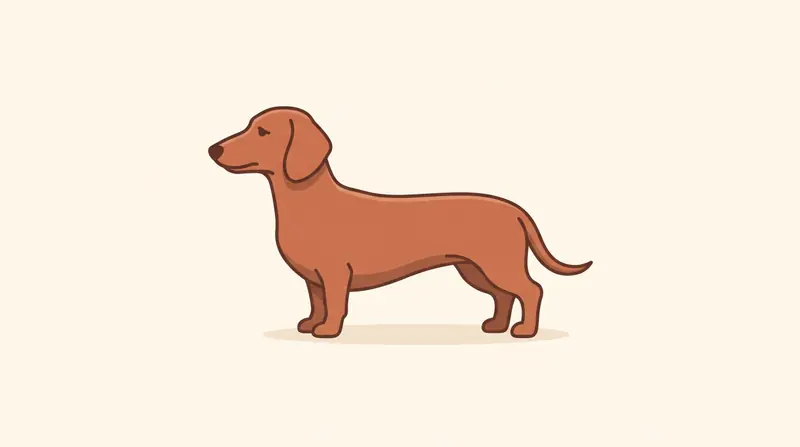
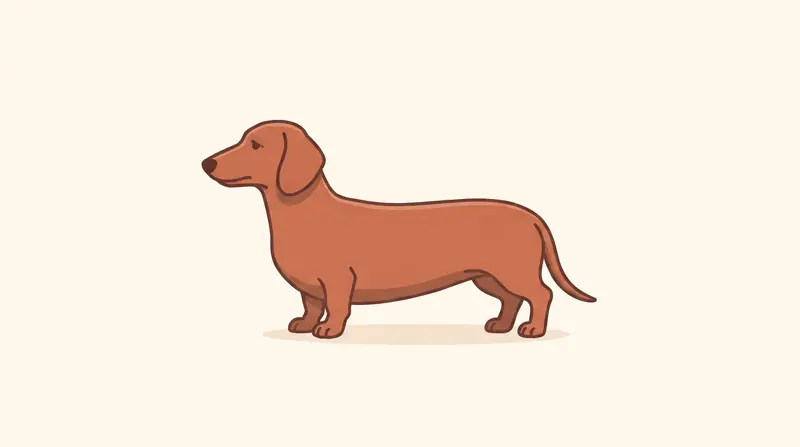
Short legs
13 affected breeds
Dachshund, Corgi, Basset: the gene behind those short legs also makes the spinal discs age early – and yet not every Dachshund is the product of extreme breeding (called Qualzucht in German law).
Learn more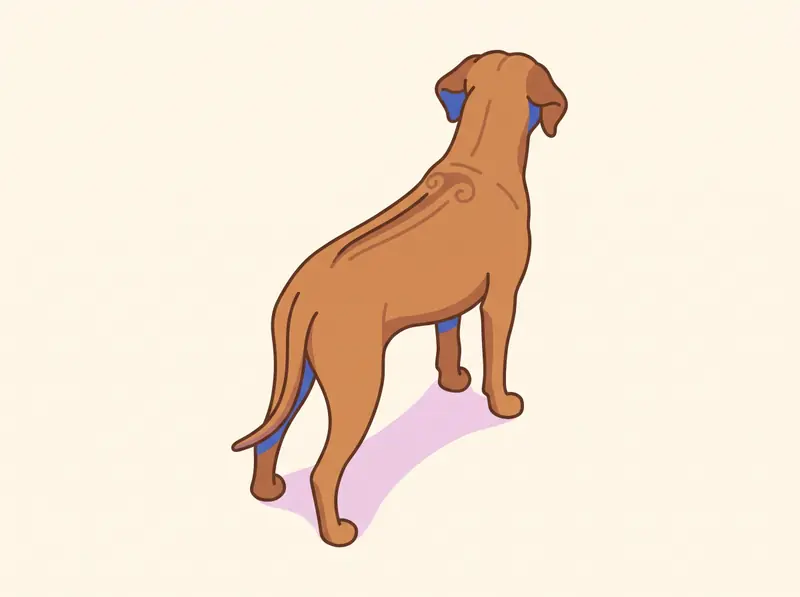
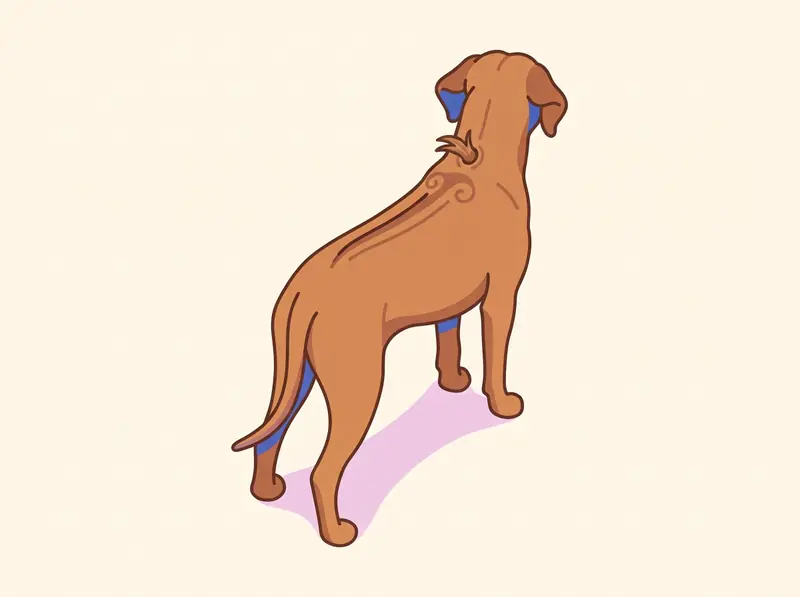
Ridge & dermoid sinus
2 affected breeds
The ridge of backward-growing hair is what makes a Ridgeback a Ridgeback – and the same mutation raises the risk of a skin tunnel that can reach the spinal cord.
Learn more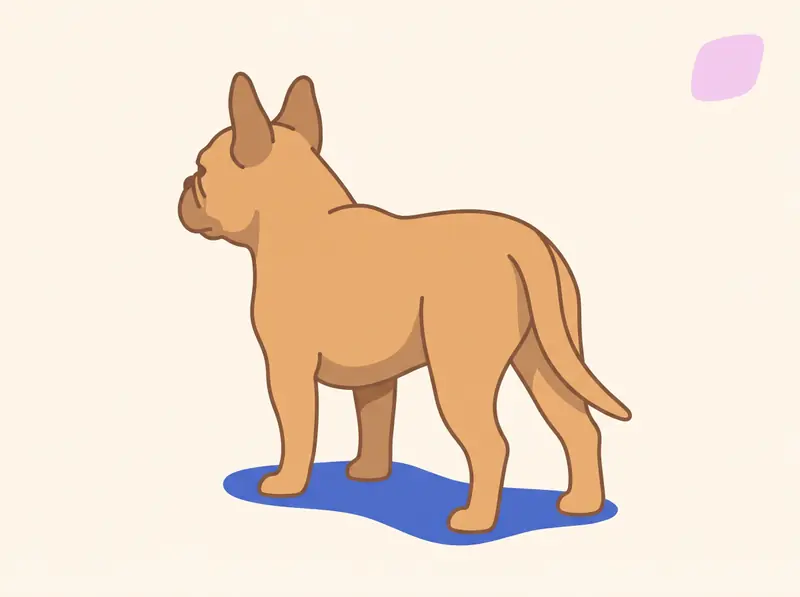
Screw tail
4 affected breeds
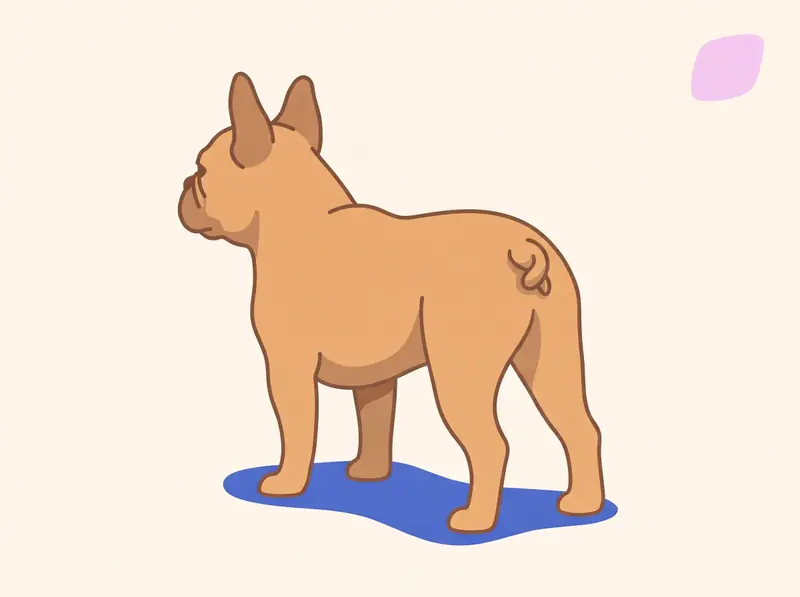
The short, twisted tail of bulldog breeds looks cute – but it is the visible end of a spinal malformation that often reaches into the back as well.
Learn moreCoat, colour & senses
White & deafness
8 affected breeds
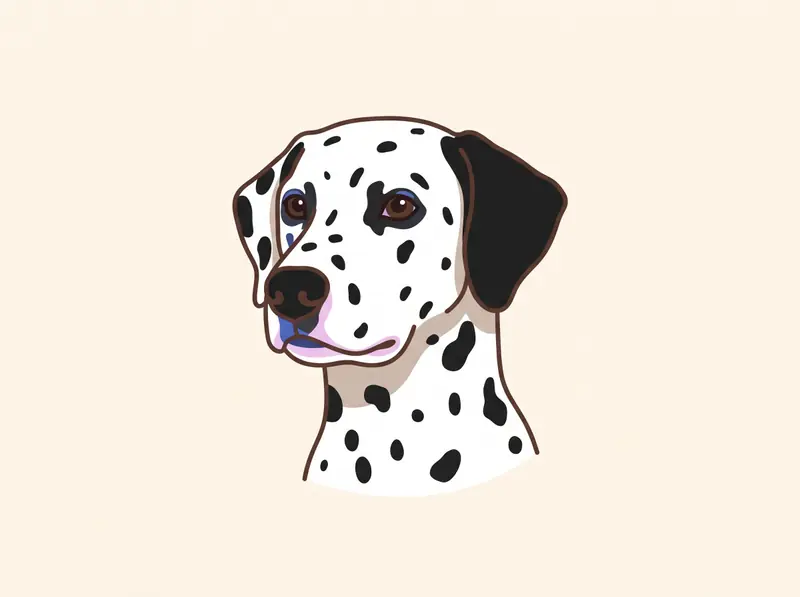
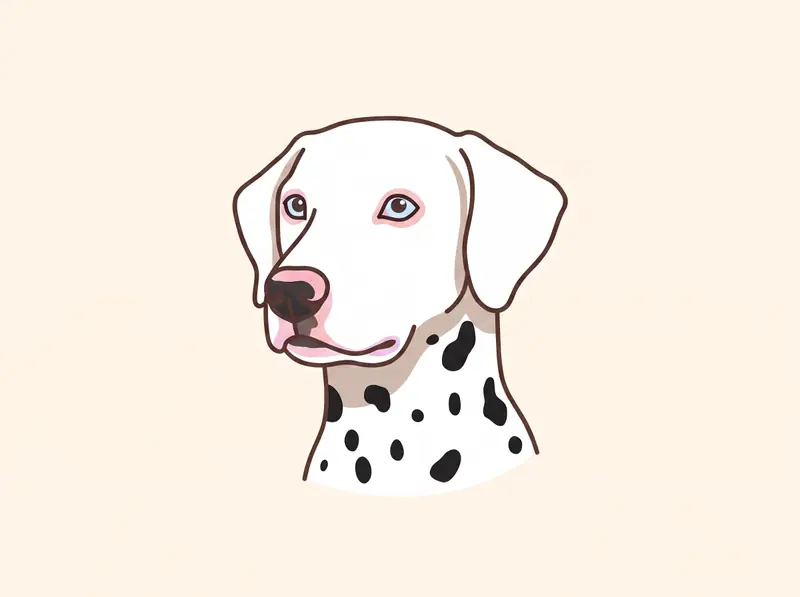
Not every white dog is at risk – but where pigment cells are missing from the head, they are often missing from the inner ear too, and a puppy can go deaf in its first weeks of life.
Learn more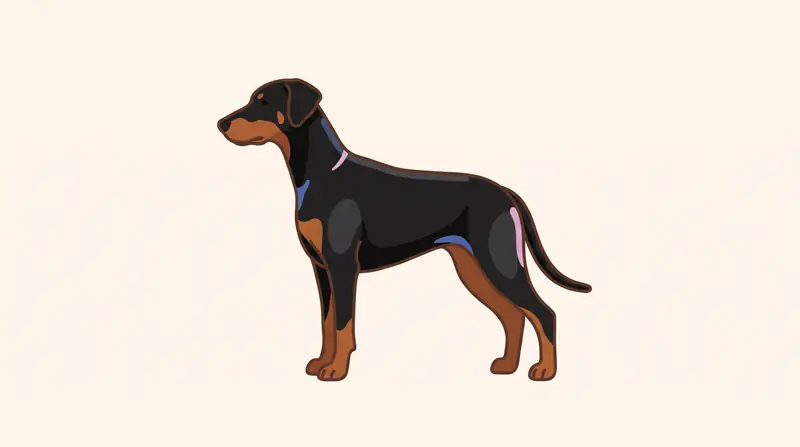
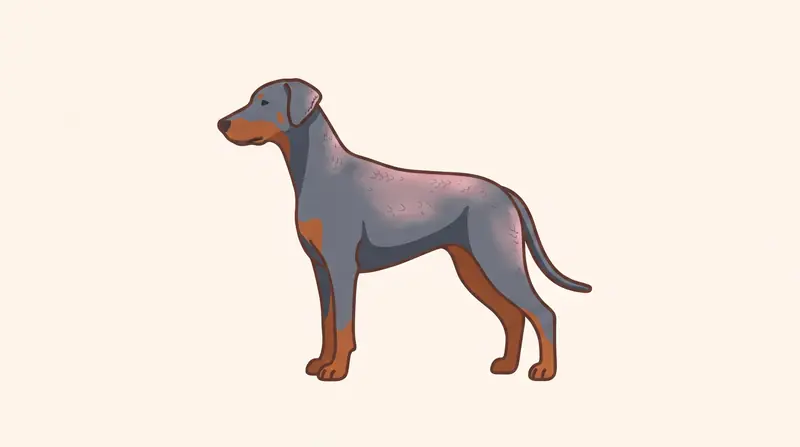
Colour dilution
9 affected breeds
Blue, grey and lilac dogs look striking – but the same gene variant that lightens their colour can, in some breeds, leave the coat permanently brittle.
Learn more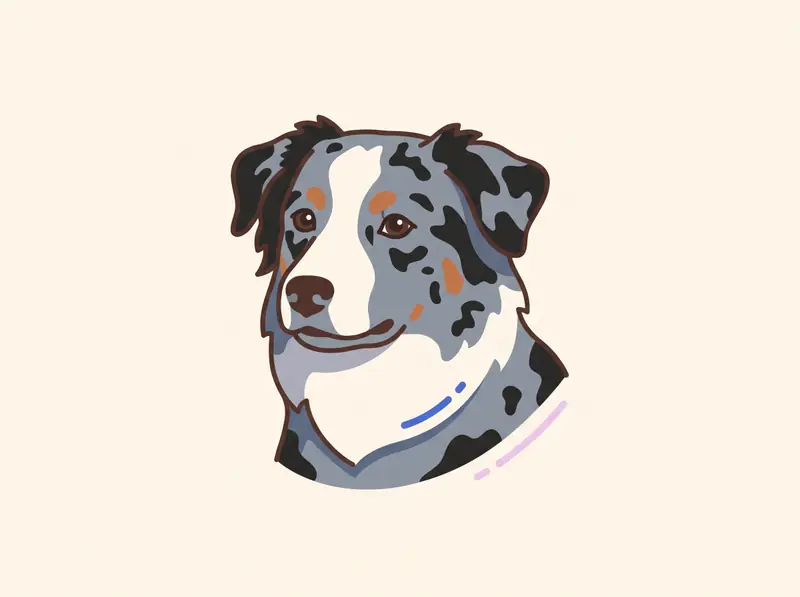
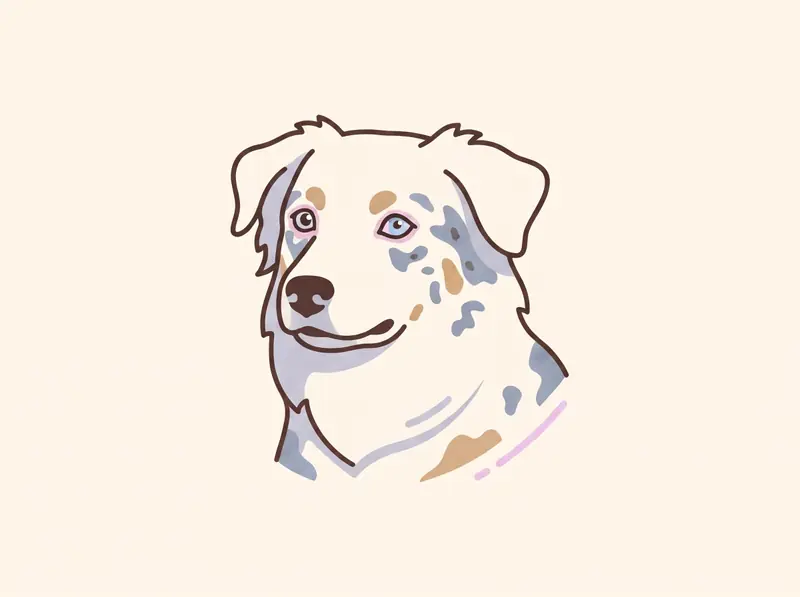
Merle & double merle
17 affected breeds
One merle parent gives the marbled coat many people love; two merle parents can produce puppies born deaf or with malformed eyes.
Learn moreHealthy or extreme? Test your eye
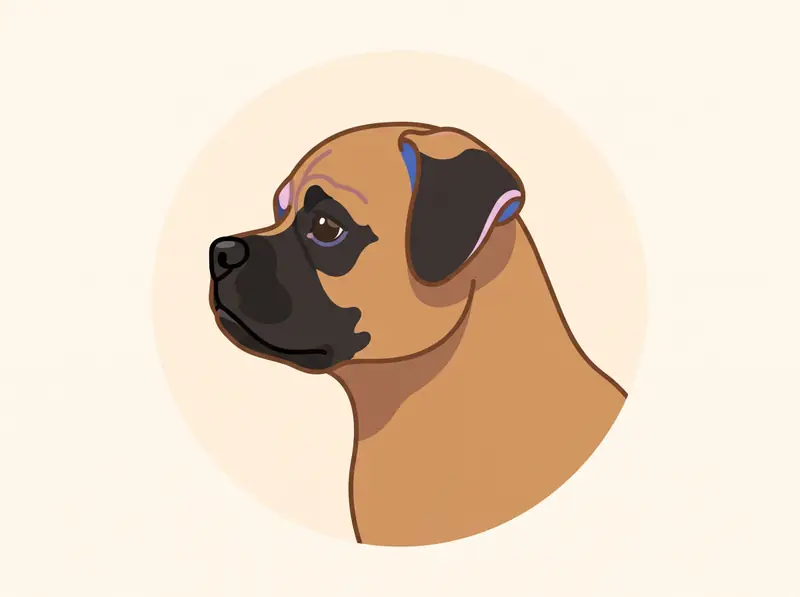
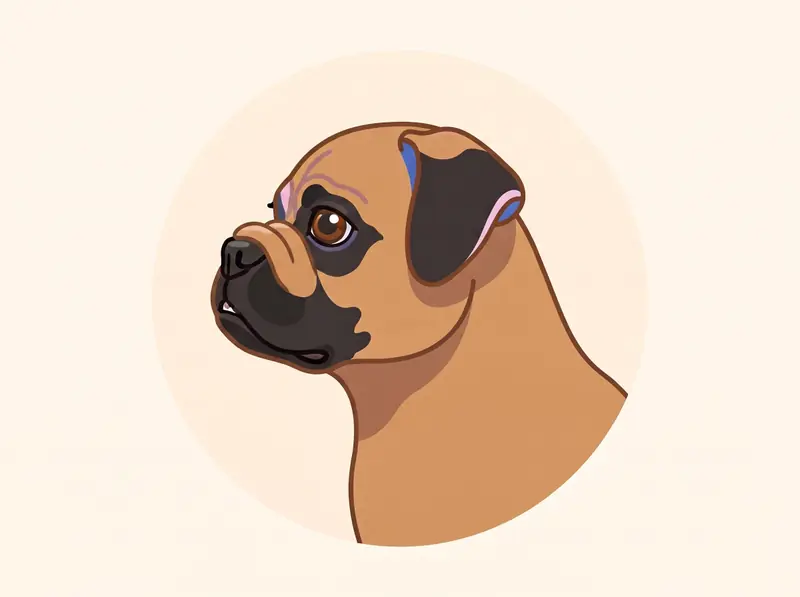
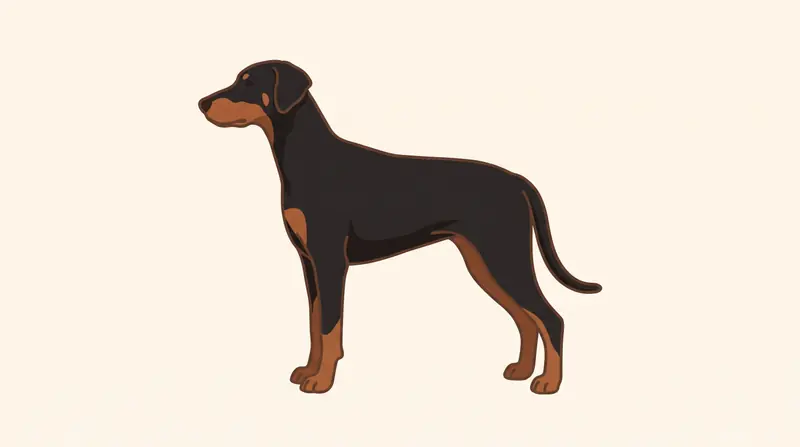
Two pictures, one question per round – can you tell which dog was bred for health?
Not inherited: interventions by people
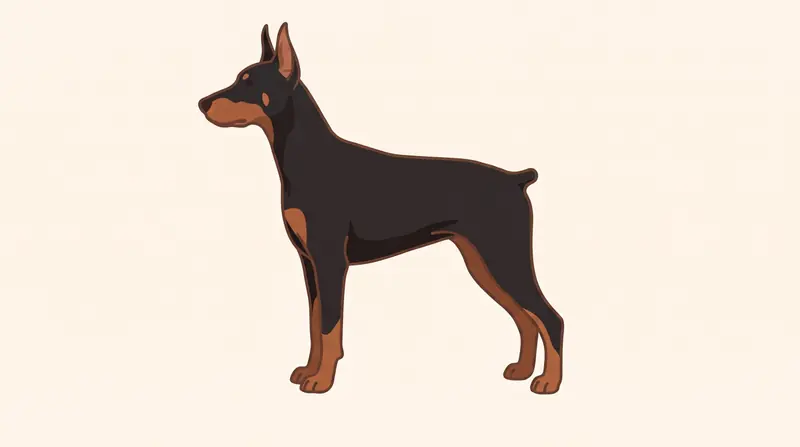
Some harm is not bred in but done to the dog: cropping and docking surgically shorten the ears or tail of a dog born healthy. That is not extreme breeding – it falls under the amputation ban of the German Animal Welfare Act.
How breeding can do better
Health tests, healthier standards, new genes from other breeds: what breed clubs and kennel clubs are doing about extreme breeding – and what it has achieved so far.
Which breed has which trait?
The main affected breeds and the traits that matter for them. An entry does not mean every dog of the breed is ill – it means the trait deserves a close look.
| Breed | Flat face | Short legs | Ridge & dermoid sinus | Screw tail | White & deafness | Colour dilution | Merle & double merle |
|---|---|---|---|---|---|---|---|
| French Bulldog | Typical of the breed | Typical of the breed | Typical of the breed | Certain colours only | Certain colours only | ||
| Chihuahua | Exaggerated lines only | Certain colours only | Certain colours only | ||||
| Dachshund | Exaggerated lines only | Certain colours only | Certain colours only | ||||
| Bulldog | Typical of the breed | Typical of the breed | |||||
| Pekingese | Typical of the breed | Exaggerated lines only | |||||
| Boston Terrier | Typical of the breed | Typical of the breed | |||||
| Shih Tzu | Typical of the breed | Exaggerated lines only | |||||
| Boxer | Exaggerated lines only | Certain colours only | |||||
| Cardigan Welsh Corgi | Exaggerated lines only | Certain colours only | |||||
| Pug | Typical of the breed | ||||||
| Japanese Chin | Typical of the breed | ||||||
| King Charles Spaniel | Typical of the breed | ||||||
| Brussels Griffon | Typical of the breed | ||||||
| Frenchton | Typical of the breed |
Typical of the breedExaggerated lines only / Certain colours only
Is a whole breed automatically extreme breeding?
No. Extreme breeding describes a trait, not a breed. A Dachshund with moderate proportions and X-rayed, unremarkable discs is a different dog from one whose chest nearly drags on the ground. That is why these pages explain the traits – and show, for each breed, how closely it is tied to the trait.
We use three levels: for some breeds the trait is part of the breed type (such as the Pug's strongly shortened nose). For other breeds, only exaggerated lines are the problem. And for some, the risk only concerns certain colours, such as merle or blue.
HonestDog deliberately does not list breeders for the Pug, the French and English Bulldog, the King Charles Spaniel and the bully lines Frenchton, Pocket Bully and Exotic Bully: for them a strongly shortened nose is part of the breed type, and we cannot reliably verify the parents' breathing function. For the Cavalier King Charles Spaniel the reason is different – heart and nerve disease such as mitral valve disease and syringomyelia, whose screening we cannot verify at breeders. We still explain these breeds in detail, because people who love them deserve to know what matters.
Is extreme breeding illegal in Germany?
Yes. Section 11b of the German Animal Welfare Act prohibits breeding dogs where the offspring can be expected to suffer inherited pain, suffering or harm. The law does not name specific breeds – whether a case counts as extreme breeding is assessed individually, based on the animal's traits.
Since 2022, dogs with inherited extreme-breeding traits may also no longer be shown in Germany at exhibitions or other events where dogs are judged (Section 10 of the Dog Welfare Ordinance).
Authorities still use the federal agriculture ministry's expert opinion on extreme breeding, usually dated 1999, as an interpretation aid. It is not law, and authorities such as the Bavarian state office consider it scientifically outdated; they also rely on sources such as the veterinary animal-welfare association's (TVT) fact sheet 141.
A statutory list of extreme-breeding symptoms, as planned in 2024, has not come into force in Germany – the bill lapsed at the end of the parliamentary term.
What applies in Austria, Switzerland, the Netherlands and Denmark?
Several neighbouring countries are stricter and more specific than Germany. Austria names extreme-breeding symptoms explicitly in its Animal Welfare Act and, since 2025, also prohibits importing, acquiring, brokering or passing on animals with extreme-breeding symptoms or visible extreme-breeding traits – with exceptions, for example for animal shelters and for animals lawfully bred or imported before.
| Country | Rule | Since |
|---|---|---|
| Austria | Symptom list in the law (incl. breathing difficulty, deafness, blindness); since 2025 also a ban on import, acquisition, brokering, shows and advertising images | tightened 1 Jan 2025 |
| Switzerland | Breeding ban for animals in the highest burden category; toy dogs under 1,500 g expressly banned | 1 Jan 2015 |
| Netherlands | Short-nosed dogs may only be bred if they meet six official criteria; a muzzle under 0.3 of skull length rules out breeding | 24 Aug 2023 |
| Denmark | Breathing test (BOAS) before breeding for English and French Bulldogs and Pugs | 1 Jul 2025 |
What does the new EU regulation change?
EU Regulation 2026/1818 on the welfare of dogs and cats bans breeding from animals with excessive conformational traits across the EU – but for breeders only from 1 July 2030, and the European Commission has yet to define which traits it covers. The regulation entered into force on 30 August 2026.
The breeding and show rules address breeders, sellers, shelters and organisers; the duty to identify and register dogs applies to all owners. From 31 August 2028 the regulation prohibits ear cropping and tail docking without a medical reason, among other things, and dogs with excessive conformational traits must be excluded from shows – although the latter can only take effect once the Commission has defined the traits by 2030. Stricter national rules, such as Germany's or Austria's, remain in place.
Which traits are disputed?
For example hip dysplasia, excessive skin folds, eyelid malformations and hairlessness, which the German expert opinion also lists. Not every trait is as clear-cut as a nose that obstructs breathing; how strictly it is judged often depends on how pronounced it is in the individual dog.
Extreme sizes are disputed too: Switzerland expressly prohibits breeding toy dogs that weigh less than 1,500 grams as adults. There is no comparable limit for very large breeds. Traits such as excessive skin folds or hairlessness do not have their own page here yet.
Is cropping or docking extreme breeding?
No – but that is prohibited in principle in Germany too. Extreme breeding is inherited: the dog is born with the short nose or the malformed tail. Cropping and docking, by contrast, surgically shorten the ears or tail of a dog that was born healthy. That falls under the amputation ban in Section 6 of the German Animal Welfare Act: cropping ears has been prohibited in principle since the 1980s and docking tails since 1998, with fines of up to €25,000. The only exceptions are a veterinary indication in the individual case and – narrowly, in practice only for the tail – hunting dogs that are actually used for hunting.
Dogs with ears or tails amputated in breach of animal-welfare law may not be exhibited in Germany – even if the cropping was done abroad. Buying or keeping a dog cropped abroad is not currently prohibited in Germany, but buying cropped puppies keeps demand for a painful procedure alive. In Austria even importing or acquiring cropped dogs is prohibited; Switzerland bans the import. Adopting a cropped dog from a shelter, on the other hand, is completely legal.
Which dog breeds have no extreme-breeding traits?
Most of them. Many breeds come without exaggerated traits: a nose that lets them breathe freely, legs that match the back, and colours with no known health risk. Our health ranking rates every breed by its hereditary disease burden – a good starting point if you want a robust breed.
And think of shelters: many mixed breeds and adult rescue dogs are healthy, have a temperament that is often already well known, and are waiting for a home.
Signs of a healthy dog
- The dog breathes silently at rest and can play normally when it is warm.
- The nostrils are open and the eyes sit protected in their sockets.
- The legs are long enough for the back, and the tail is straight or naturally curled.
- Both parents have breed-typical health tests – and you see the original results.
- The breeder never mates merle to merle and does not advertise 'rare colours'.
Looking for a dog without this burden?
Many wonderful dogs are waiting in shelters – and many breeds come without extreme-breeding traits.
For vets & shelters: embed it on your website
Explain a trait to your visitors, with pictures – free, no cookies, no tracking. Choose a trait, copy the code and paste it where you want it on your page.
The widget shows both comparison pictures, a short explanation and a link to the full page. Updates appear automatically.
Frequently asked questions
Are Pugs banned in Germany?
No. Neither the Pug nor any other breed is banned, and owning a Pug is legal. Section 11b of the Animal Welfare Act prohibits breeding where the offspring suffer for inherited reasons – with extreme brachycephaly, that is a question of the individual animal.
Which dogs count as extreme breeding?
The law names no breeds. Most often affected are dogs with an extremely short nose (such as the Pug and the French and English Bulldog), dogs with extremely short legs and a long back, double merles, and certain colours such as blue or all-white with a deafness risk. We explain each trait on this page.
What is the difference between extreme breeding and a hereditary disease?
A hereditary disease can affect any breed, often unnoticed. Extreme breeding means the suffering comes from a trait that is deliberately bred for – the short nose, the long back, the merle colour. The problem is then not bad luck but the breeding goal.
Can I own or adopt a dog with extreme-breeding traits?
Yes, owning one is legal in Germany; breeding and showing are what is prohibited. That includes adopting a dog from a shelter. In Austria, however, since 2025 it is illegal to acquire or pass on animals with visible extreme-breeding traits – with exceptions, for example for animal shelters and for animals lawfully bred or imported before.
When does the EU ban on extreme breeding apply?
EU Regulation 2026/1818 has been in force since 30 August 2026. Its breeding ban for animals with excessive conformational traits only applies from 1 July 2030, and only to breeders; the European Commission will define the traits by then.
Is cropping or docking extreme breeding?
No. Extreme breeding is inherited; cropping and docking are surgery on a dog born healthy. They are prohibited in principle all the same – under Section 6 of the German Animal Welfare Act, with exceptions only for a veterinary indication in the individual case and, narrowly and in practice only for the tail, working hunting dogs. Dogs cropped or docked in breach of welfare law may not be exhibited in Germany. Buying or keeping a dog cropped abroad is not currently prohibited in Germany; Austria bans even import and acquisition, Switzerland the import.
Why does HonestDog not list Pug breeders?
Because a strongly shortened nose that makes breathing harder is part of the Pug's breed type, and we cannot reliably verify the parents' breathing function. We still explain the breed honestly – and show alternatives and dogs from shelters.
Sources
- Section 11b German Animal Welfare Act (TierSchG)
- Section 10 German Dog Welfare Ordinance (TierSchHuV)
- Section 6 German Animal Welfare Act (TierSchG) – amputation ban
- German federal ministry (BMLEH): expert opinion on Section 11b
- Bavarian state office LGL: extreme breeding in pets
- German Bundestag research services, WD 7 - 3000 - 049/26 (2026)
- Austria: Animal Welfare Act (RIS, current version)
- Switzerland: FSVO ordinance on animal welfare in breeding (TSchZV)
- NVWA: short-nosed dogs (Netherlands)
- Denmark: Executive Order no. 607 on keeping dogs (2025)
- Regulation (EU) 2026/1818 on the welfare of dogs and cats
- TVT fact sheet no. 141: extreme breeding and hereditary disease in pets
Last reviewed on September 30, 2026 by Sufyan Osamah · what that means: Editorial standards