Miniature Bull TerrierSimilar profile
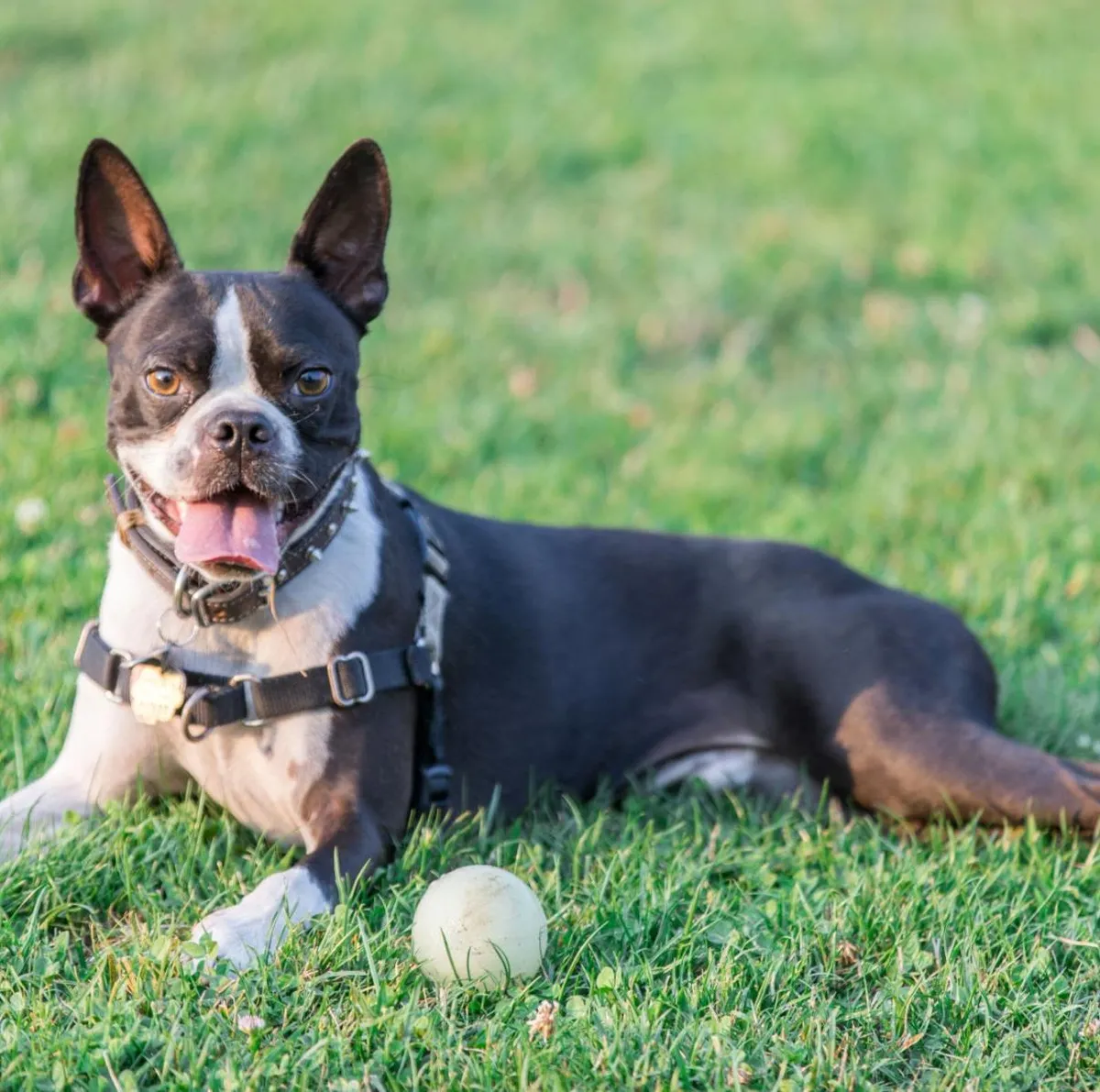
The Boston Terrier is a lively, extremely people-oriented companion dog—a compact bull-type breed that has been softened over generations into a pure companion. It retains the self-confidence of its ancestors without their sharpness, and simply wants to be by your side wherever you go.
Self-check
Answer 6 quick questions about your everyday life and see how well the Boston Terrier fits you — including an honest cost estimate per month, per year, and across the dog's lifetime.



At a glance
The essentials — key facts, traits, and health priorities — before you dive deeper.
Lifespan
11–15 yrs
Shoulder height
38–43 cm
Weight
4–11 kg
Practical
Temperament
Daily life
What matters most
Especially with a Boston Terrier, choosing the right breeder is the single most important decision you'll make. Serious breeders consistently test the parents for inherited conditions, prioritize healthy early socialization, and stay accountable long after handover. A cheap puppy without health screening tends to become the most expensive dog later on.
See HonestDog breeder standards →Colors & coat
The coat colors that occur in the Boston Terrier — including which ones fall outside the breed standard and which carry genetic risk.
Blue
Red
Fawn
Eye colors
 Brown
BrownCoat type
 Short
Short Smooth
The real vibes check
A Boston Terrier is not a passive lap dog that sleeps all day—it is a little clown in a tuxedo that views daily life as a shared comedy show. You won't get an unconditional order-follower, but rather a humorous roommate who knows exactly how to wrap you around its finger with a tilted look.
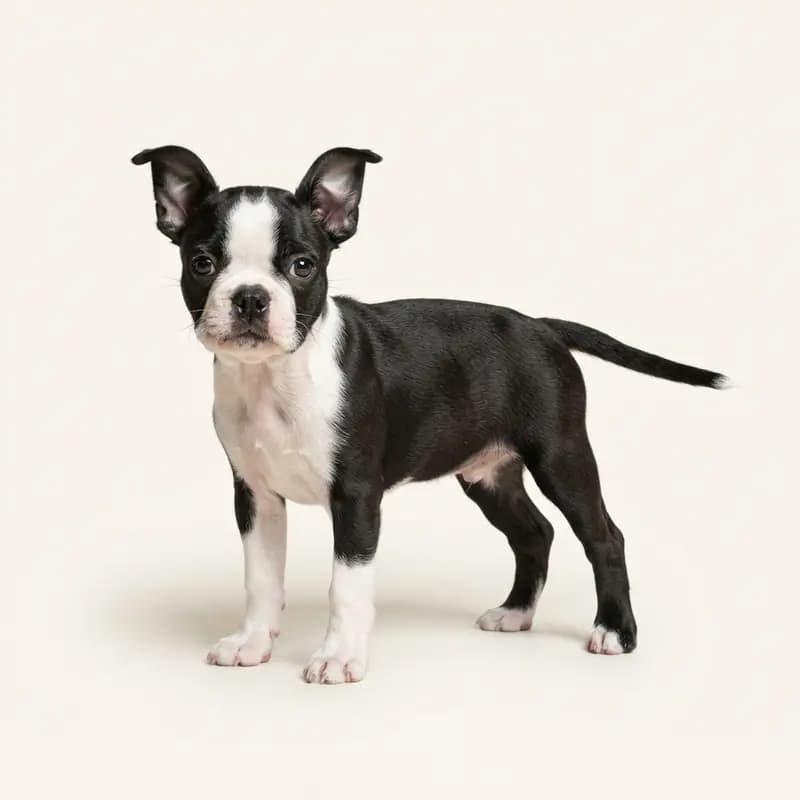
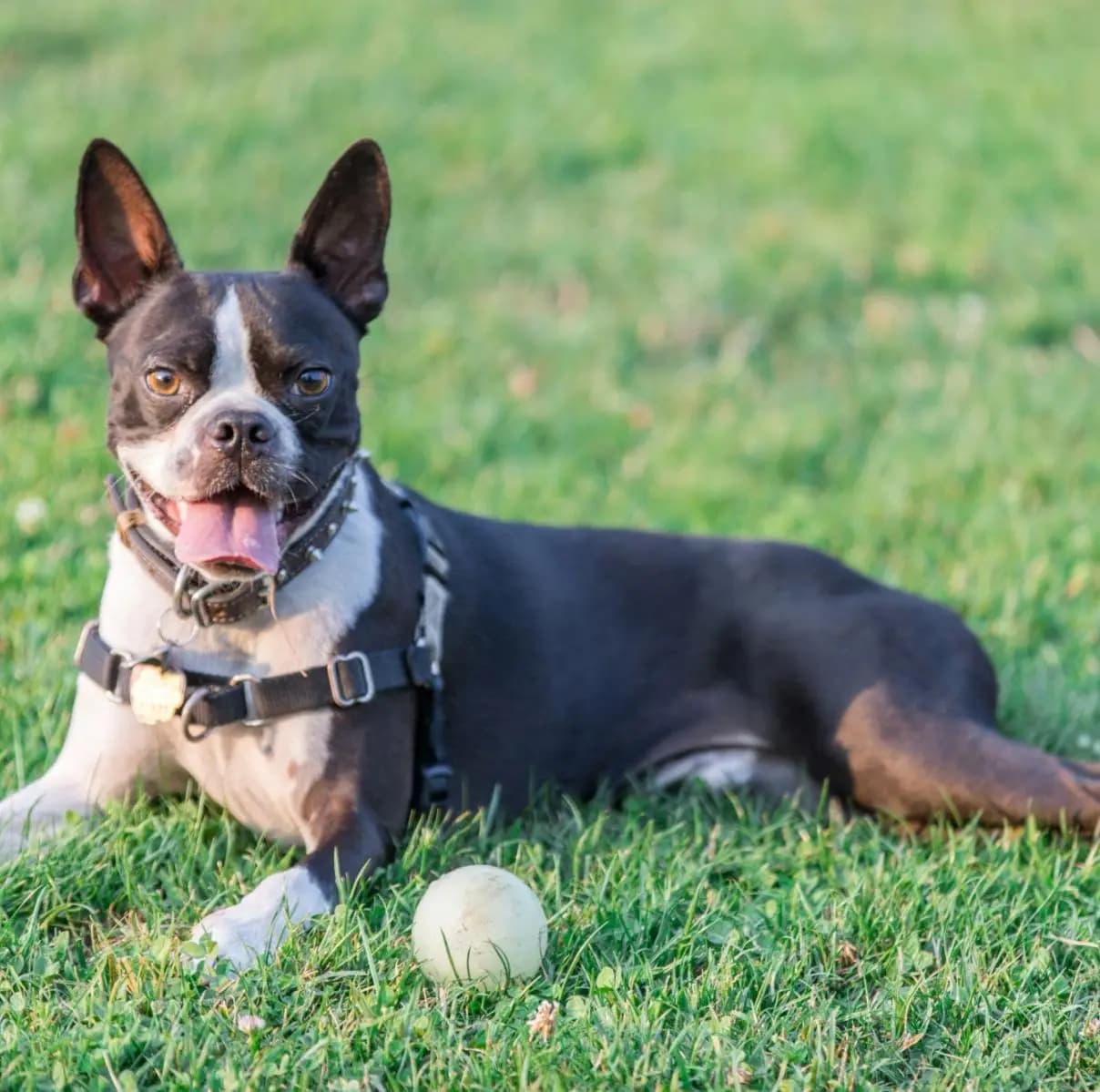
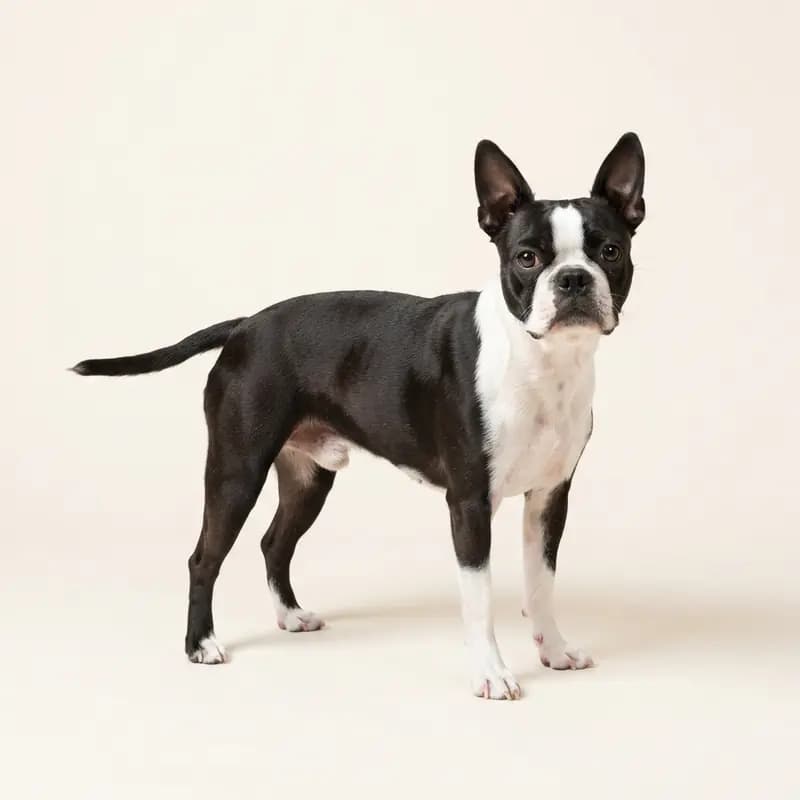
The Boston Terrier is a small, compact dog with an elegant, tuxedo-like coat pattern that has earned him the nickname "American Gentleman." He belongs to FCI Group 9 of companion and companion dogs. His head is square and his expression is alert and intelligent. He has large, round eyes and erect ears, which give him a lively and curious expression. Its nose is short and it has a flat snout, typical of brachycephalic breeds. Its body is short and well proportioned, with a straight back and a short tail. Boston Terriers are bred in three weight classes: under 6.8 kg (15 lbs), 6.8 to 9 kg (15-20 lbs), and 9 to 11.3 kg (20-25 lbs). There is no distinction between performance and show lines as the focus of this breed is on temperament and sociability.
The Boston Terrier is a breed characterized by its intelligence, friendliness and lively personality. He is known for his love of people and is often described as a "people dog". He always wants to be close to his family and loves being in company. In terms of temperament, the Boston Terrier is often lively and cheerful. He is very playful and enjoys playing with toys, children and other dogs. He is not hyperactive and tends to adapt to his family's activity level. If you want to spend a relaxing evening at home, he will happily lie next to you on the couch. But if you feel like playing a game, he will be there with enthusiasm. Due to his people-oriented nature, the Boston Terrier can have difficulty staying alone. It's important to slowly teach him that it's okay to be alone for short periods of time. He can tend to be clingy, but with patience and training he can learn to stay alone without being too afraid. The Boston Terrier generally does not show much interest in hunting or catching prey. While he can be curious, he is more interested in being around his people than exploring his surroundings. It's still important to make sure he's safe when he's outside. Boston Terriers are often very alert and can make good watchdogs. They tend to bark when they notice something unusual, but their barking is usually not excessive and can be controlled with training. When it comes to training, Boston Terriers are generally easy to train, thanks to their intelligence and desire to please. They respond well to positive reinforcement and are often eager to learn new things. In summary, the Boston Terrier is a wonderful choice for someone looking for a cheerful, loving and intelligent companion. It is a breed that adapts well to different lifestyles and can be a valuable addition to any family. His charming character and elegant appearance make him a distinctive and beloved companion.
| Watchfulness Reports unusual activity but stays controlled. | Moderate |
| Openness to Strangers Loves every new person immediately and without reserve. | Very open |
| Hunting or Herding Drive Barely any prey drive — small animals trigger nothing. | Very low |
Fun Fact!
Did you know that the Boston Terrier is often referred to as the “American Gentleman?” because of his distinctive, tuxedo-like coat pattern and his distinguished demeanor?
Due to its shortened head shape, the Boston Terrier also often suffers from brachycephalic respiratory syndrome, including problems with heat regulation and shortness of breath. Problems with the eyes and the musculoskeletal system are also common.
Boston Terriers are great city dogs. Their compact size and friendly nature make them ideal companions for living in apartments or smaller houses. They generally get along well with children, but as with any dog, interactions should be monitored, especially with very young children. They are also generally friendly with cats and other pets.
Lives for its family — the born family companion.
Extraordinarily patient and loving — a true family dog.
Actively enjoys the company of other dogs.
Small space, noise, lots of people — no problem at all.
Owning a dog is a privilege, but it's also a real responsibility. Before you bring one into your life, be honest with yourself about the commitment it takes.
Boston Terriers are smart and docile dogs that often enjoy learning. However, it is important to note that they can sometimes have a mind of their own. Positive reinforcement and patience are key concepts in parenting. Boston Terriers can also excel in dog sports such as agility and obedience training. They need regular mental and physical stimulation, but be careful not to overwhelm them, especially in hot weather due to their breathing problems. One potential problem is that they can easily become ball junkies, meaning they chase balls obsessively. It is important to create a balance in their play behavior and also offer them other activities. Training frustration tolerance and impulse control is also beneficial for Boston Terriers.
The Boston Terrier's diet should be balanced and high quality. Be sure to choose a food tailored to the needs of small breeds. Because some Boston Terriers tend to be overweight, it is important to monitor their food intake and ensure they receive regular exercise. In terms of care, the Boston Terrier is relatively easy to care for. He has a short, smooth coat without an undercoat. A weekly brushing is enough to keep the coat clean and healthy. Boston Terriers can live well in Germany, however, it is important to note that their short muzzles make them sensitive to extreme temperatures, both hot and cold.
| Care Level Minimal effort — occasional brushing and bathing. | Low-maintenance |
| Exercise Needs Needs 1–2 hours of real exercise daily. | Active |
| Shedding No or minimal hair loss — suitable for allergy sufferers. | No shedding |
| Trainability Willing to learn with clear rules and regular training. | Balanced |
Our experts are still reviewing this information. Spotted something wrong? Email us at info@honestdog.de.
Elevated risks
Health grade
Due to its body structure and genetics, the Boston Terrier carries a high risk of serious health problems, first and foremost Brachycephalic Obstructive Airway Syndrome (BOAS), as well as the eye disease Primary Lens Luxation (PLL) and the neurological disease Degenerative Myelopathy. A responsible breeder actively counteracts this by comprehensively testing all breeding animals and only mating dogs that have passed the fitness test ("pug" test) and are free from Brachycephalic Obstructive Airway Syndrome (BOAS) and Primary Lens Luxation (PLL). For Degenerative Myelopathy, the limit is free or carrier, whereby a carrier must only be mated with a completely free partner to prevent the onset of the disease. Before buying, be sure to ask to see the official test results of the parent animals, which fully prove their freedom from symptoms and their corresponding genetic status.
Grade is relative to other breeds — AI-assisted and editorially reviewed.
Methodology and data: HonestDog Dog Breed Health Report 2026
What matters most for this breed
Tap any item to see details.
You should reduce exertion on hot days, keep an eye on a healthy weight, and limit wild jumping to protect its breathing and back in everyday life.
Reputable breeders have the parents' spines, knees, eyes, and hearing checked and pay special attention to clear airways to reduce risks within the bloodline.
Note: This health overview is AI-assisted and editorially reviewed. It is for orientation only and does not replace veterinary advice.
What matters most for this breed — what's common, how much it affects the dog's life, and how to protect yourself as a buyer.
Tap a body region to see the inherited conditions linked to it.
The three most important risks
Pick a region on the map to explore other areas.
Tier 1 reflects the tests 1. Club für Boston-Terrier in Deutschland e.V. (1. CBD) actually mandates. Tiers 2 and 3 show how responsible breeders go beyond.
Club standard. Tests that the relevant breed club (VDH / FCI / AKC parent club) requires. Any serious breeder should be able to show you these.
Note: This health overview is AI-assisted and editorially reviewed. It is for orientation only and does not replace veterinary advice.
A Boston Terrier costs around ~€160 per month (€80 – €280, depending on your setup). The first year adds up to roughly ~€4,690 including purchase, equipment and puppy school; across the dog's life (13 years) it comes to about ~€27,020.
With surgery cover, running costs come to about ~€150 per month — in return, your share of a major operation drops from several thousand euros to around 20 percent.
Per month
~€160
In the first year
~€4,690
Across the dog's life
~€27,020
Estimated purchase price from a breeder: €1,500 – €2,500
Estimate at a mid-range setup (suburban, dry food, 1–2 hours of daily exercise), average German prices, as of July 2026.
 Illustrative image
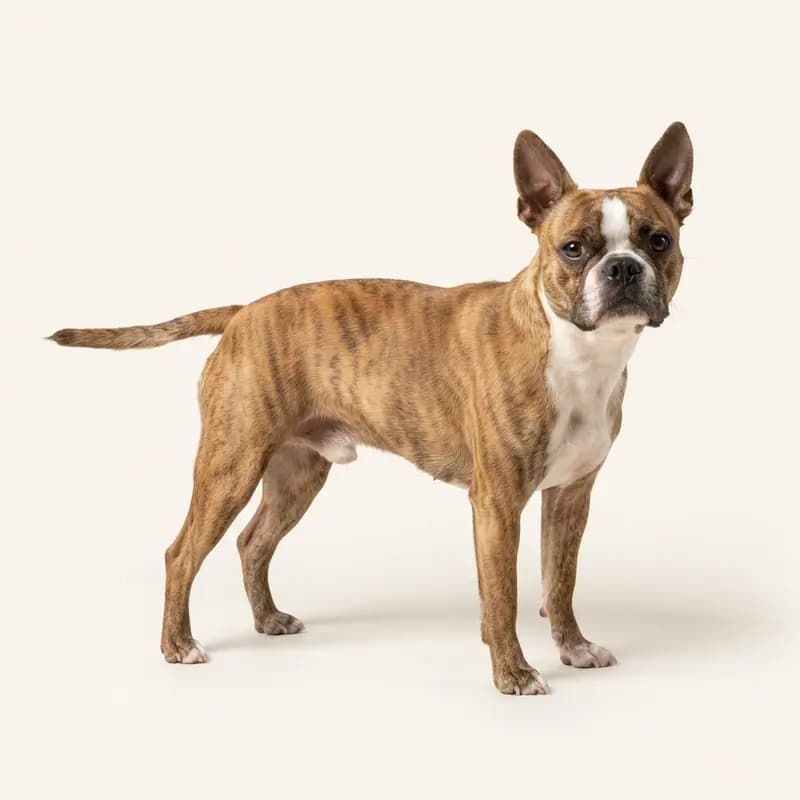 Illustrative image
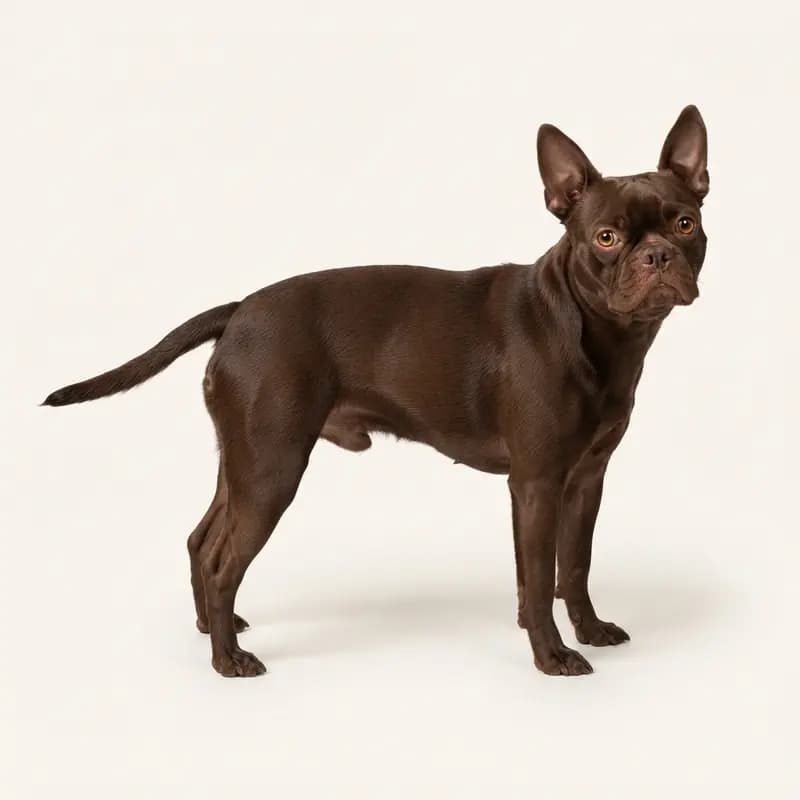 Illustrative image
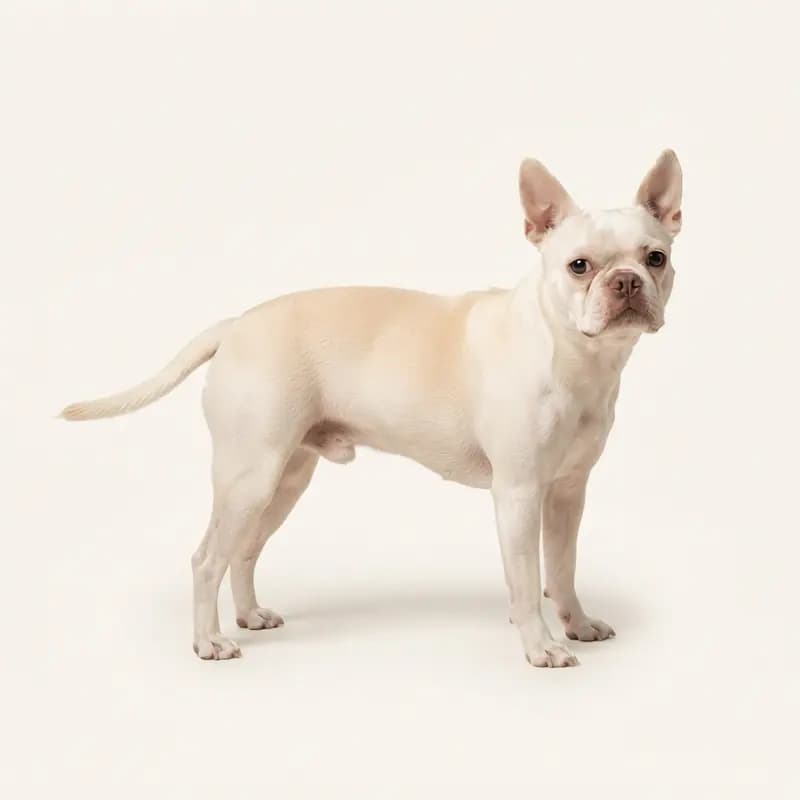 Illustrative image
The Boston Terrier is originally from the United States and was bred in Boston, Massachusetts in the late 1800s. It was created by crossing the English Bulldog with the now extinct White English Terrier. Later, the French Bulldog may also have been cross-bred to reduce size. They were originally bred as fighting dogs, but thanks to breeders who focused on their friendly nature, the Boston Terrier quickly became a popular companion dog. The American Kennel Club recognized the Boston Terrier as a separate breed in 1893, and it is one of the few breeds that is considered a true American breed in the United States. The Boston Terrier has become a national symbol and is even the mascot of Boston University.
The Boston Terrier was bred as a companion dog and is characterized by its friendly nature and compact stature.
USA
1800
In everyday family life, owners agree that the Boston Terrier is a very affectionate, cuddly and funny companion. Many call their dog a real "shadow" that follows its people everywhere and all but insists on snuggling on the couch. Its open, friendly attitude toward people makes it an easy guest in cafés or at the office. Life with children usually goes very well, since these dogs are very playful and sturdily built.
On the flip side, owners regularly report that this same close bond makes being left alone one of the biggest everyday hurdles. Many Bostons suffer from separation stress if it isn't practiced in small steps from puppyhood. Their play style with other dogs is also often described as typically "bully-like": they tend to play rough, like to body-slam and can quickly work themselves up. More sensitive dogs they don't know don't always appreciate this, so owners need to keep a watchful eye during dog encounters. According to the owner community, noises such as snoring, occasional wheezing and a certain tendency toward gas are also a very real part of daily life with a Boston Terrier.
Sources:reddit.comleiky.debeutlers-bostonterrier.deweenect.com
On training and activity level, owners see the Boston Terrier as an interesting mix of clever companion dog and willful terrier heritage. These dogs generally learn very quickly, are food-motivated and want to please their people. Most have little or no prey drive toward wildlife, so off-leash time in suitable areas is often possible early on and without much stress. Many dogs do react to visual triggers such as fluttering leaves, birds or balls, though, which with careless play can turn into a strong ball or prey fixation.
A recurring challenge owners describe is a real stubborn streak, especially during adolescence, paired with surprising persistence. If spoken to too harshly or unfairly, a Boston Terrier shuts down completely, since at heart it is very sensitive to its person's mood. Exercise calls for a light touch: Bostons often have much more energy and love of play than their bodies can handle. Many owners stress that you have to actively teach them to settle; otherwise they tend to get completely overexcited and simply ignore their own physical limits.
Sources:reddit.comleiky.dedogforum.dedogorama.appmartinruetter.com
Health is the most intensely discussed topic in owner forums and conversations. Despite the breed's lively, cheerful spirit, many owners share concerns about its brachycephalic (short-skulled) anatomy. Many report clear heat sensitivity in summer: even in moderately warm weather, walks have to be cut much shorter because cooling down by panting reaches its limits. In winter, on the other hand, the short coat with no undercoat means these dogs get cold very fast and really need a protective coat.
Owners also repeatedly describe vet visits for sensitive, protruding eyes that are prone to corneal injuries or inflammation. Food intolerances, skin allergies and, in some cases, kneecap (patella) problems or spinal changes (such as hemivertebrae) also come up regularly in owner accounts. Owners therefore strongly urge prospective buyers to choose breeders very critically and to look specifically for freer-breathing bloodlines with more defined noses and longer backs, so the dog can live without limitations.
Paraphrased from real owner reports · translated from German
The Boston Terrier is an adaptable dog that adjusts well to various lifestyles. Research the temperament, grooming needs, and space requirements before deciding.
The average life expectancy of a Boston Terrier is 11-15 years. With proper care and regular vet visits, your dog can live a long, healthy life.
Boston Terrier grooming requirements include regular brushing, nail trimming, and dental care. HonestDog provides detailed grooming tips for every breed.
The Boston Terrier can be a great family dog. Proper training and socialization are key. HonestDog provides family suitability information for every breed.
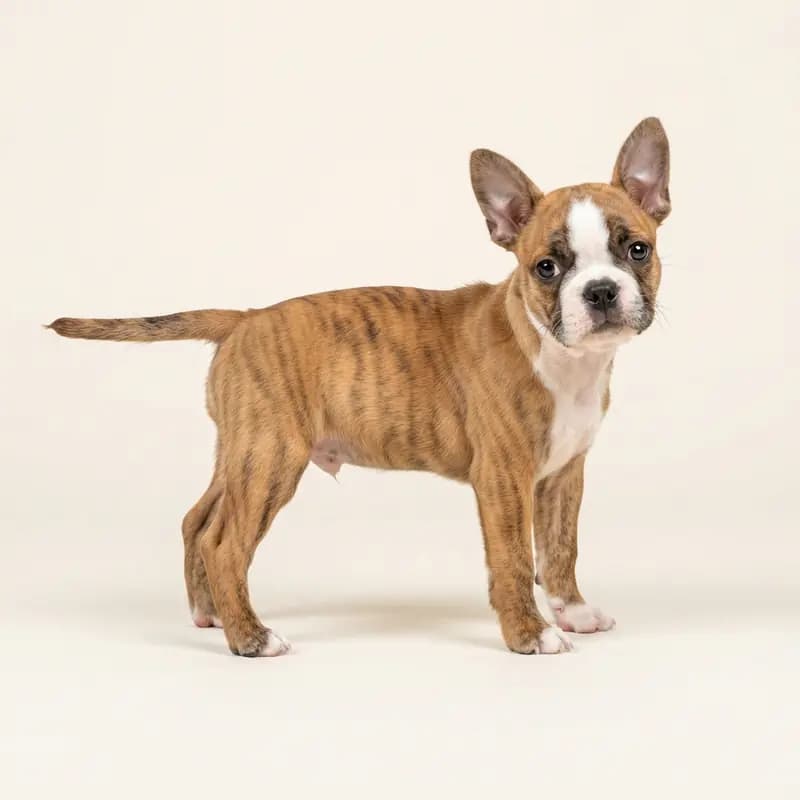
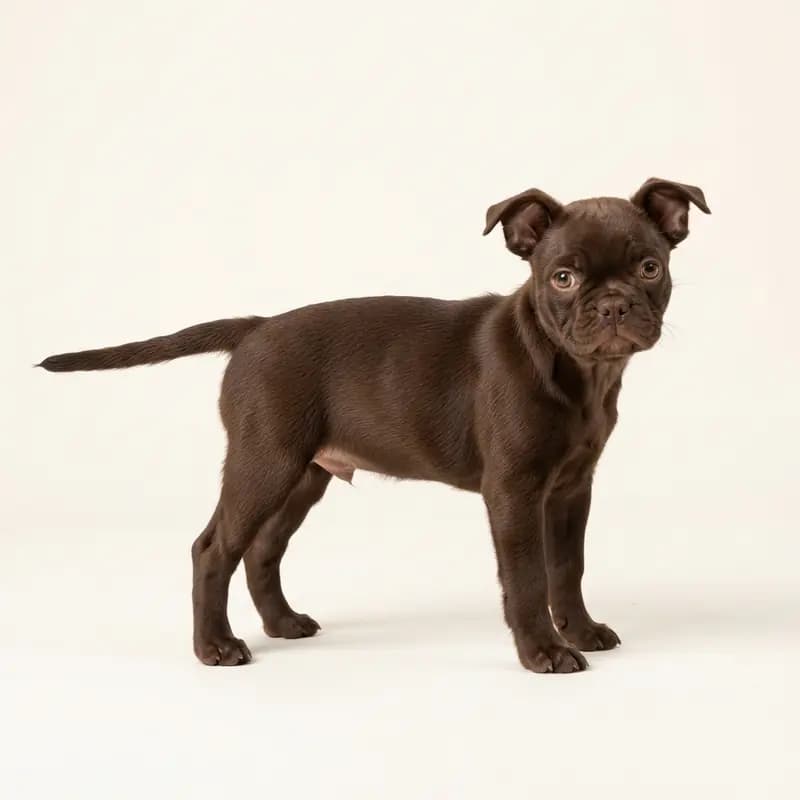
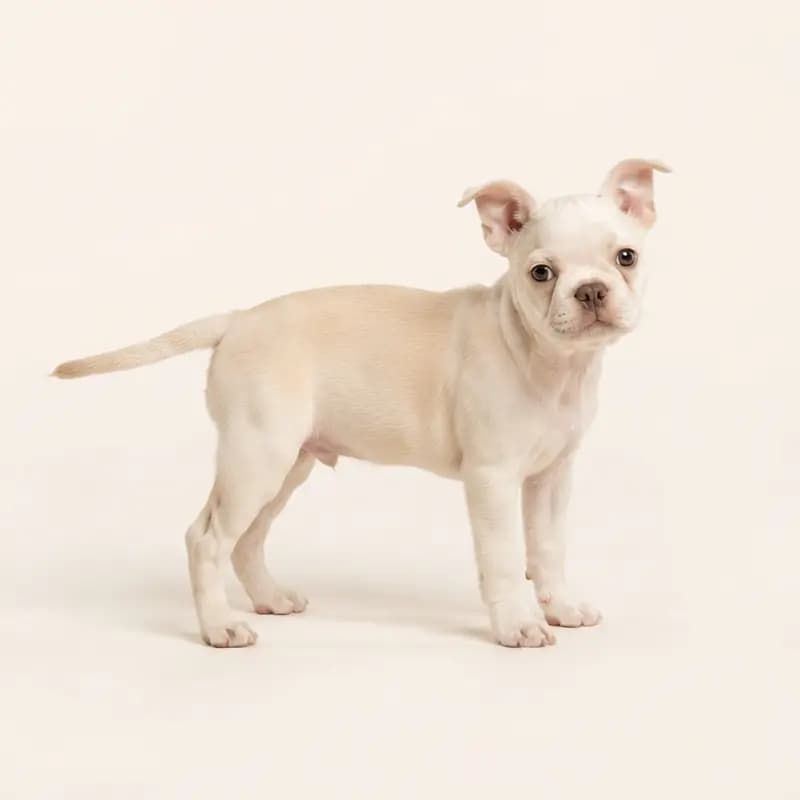
The Boston Terrier comes in these colors: Black and white, Brindle, Blue, Red, Chocolate, Cream, Fawn, Merle. Colors that fall outside the breed standard are marked as such on the breed page.
Showcase your kennel on HonestDog and reach families searching for a responsibly bred Boston Terrier.