
French BulldogClose relative
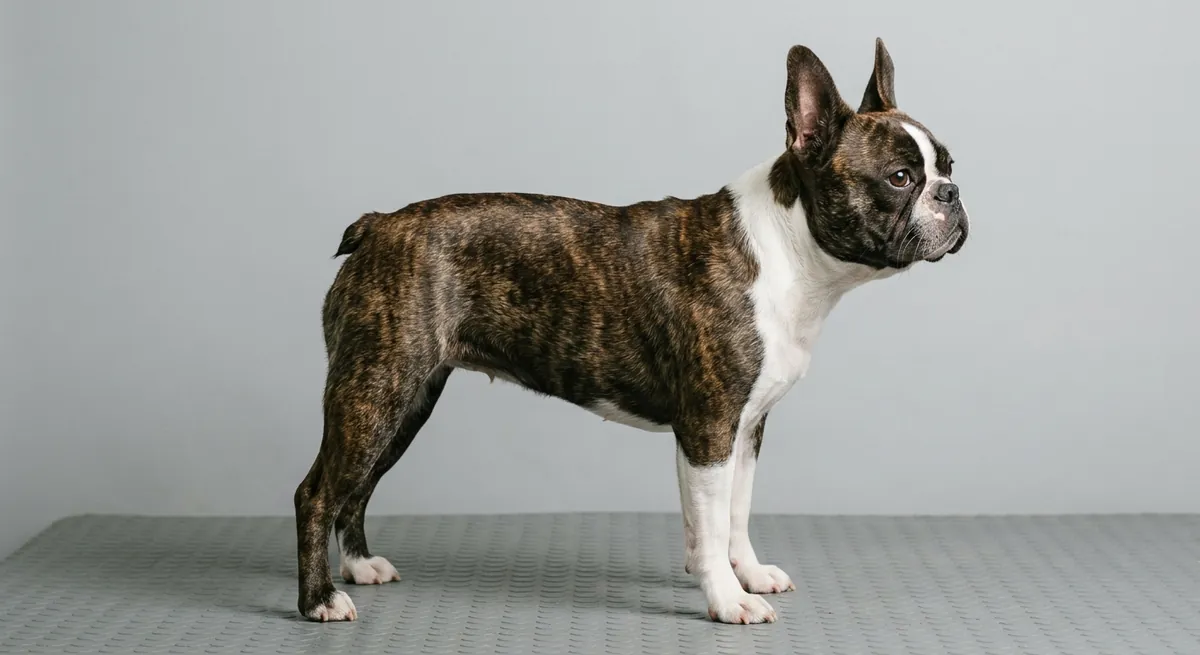 AI-generated image
Why this breed is missing
The breed-specific health risks for the Frenchton are high — especially when it comes to breathing and stamina. In these cases, a lot depends on the breeder: on consistent screenings, transparent results, and breeding choices that put health ahead of appearance. Assessing this breed is complex and not straightforward. We currently don't have a standard for this that we would rely on — which is why we aren't showing any breeders or puppies for this breed for the time being. As soon as we can change this, we'll include the breed again.
What a short muzzle means for the dog
See dogs available for adoptionThe Frenchton is a compact, people-oriented mix of French Bulldog and Boston Terrier—a companion dog with bull-type genetics bred to live as a humorous, often stubborn shadow by your side.
Self-check
Answer 6 quick questions about your everyday life and see how well the Frenchton fits you — including an honest cost estimate per month, per year, and across the dog's lifetime.
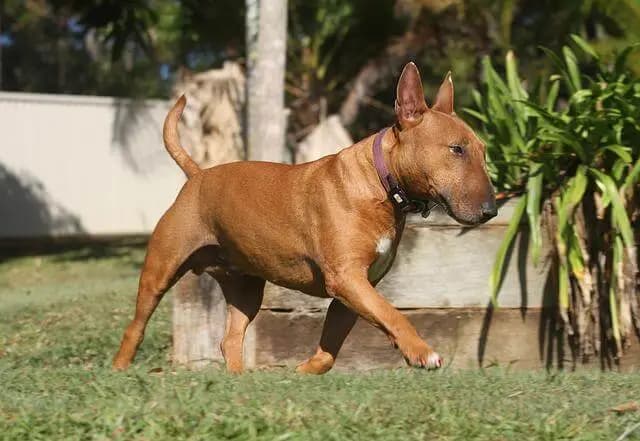
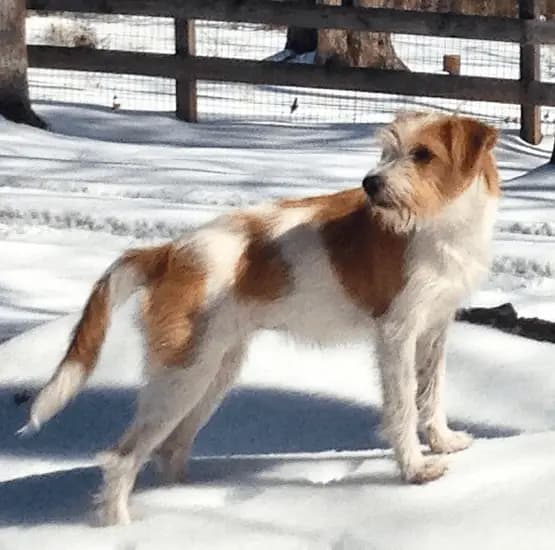
At a glance
The essentials — key facts, traits, and health priorities — before you dive deeper.
Lifespan
9–11 yrs
Shoulder height
26–33 cm
Weight
6–13 kg
Practical
Temperament
Daily life
What matters most
Especially with a Frenchton, choosing the right breeder is the single most important decision you'll make. Serious breeders consistently test the parents for inherited conditions, prioritize healthy early socialization, and stay accountable long after handover. A cheap puppy without health screening tends to become the most expensive dog later on.
See HonestDog breeder standards →Colors & coat
The coat colors that occur in the Frenchton — including which ones fall outside the breed standard and which carry genetic risk.
Eye colors
 Brown
Brown Blue
Blue Amber
Amber Odd-eyed
Coat type
 Short
Short Smooth
The real vibes check
A Frenchton is like a small, stubborn bouncer in a clown suit—they often take themselves very seriously, but the next moment they'll inevitably make you laugh. You're not getting a dog that blindly executes commands, but rather an extremely loyal character with a mind of their own who accompanies your every step around the house. If you take their charming self-will with humor and loving consistency, you'll have the best buddy for life.
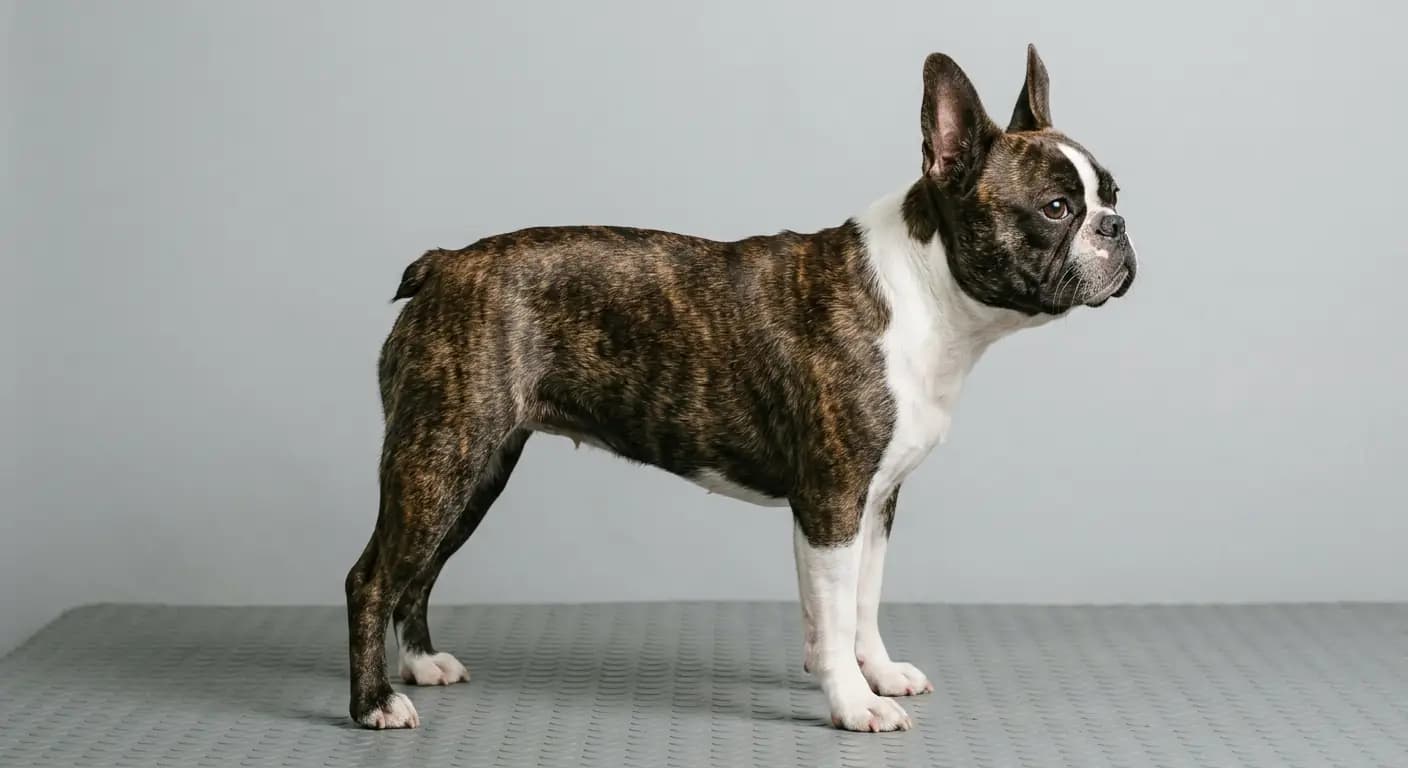
The Frenchton is a cross between a French Bulldog and a Boston Terrier, often marketed as a supposedly healthier alternative to purebred bulldogs. However, because both parent breeds are brachycephalic (short-muzzled), the Frenchton inherits the exact same fundamental respiratory issues, varying only in severity from one dog to another.
Frenchtons are considered playful, affectionate, and people-oriented, with a calmer, indoor-friendly disposition compared to many other small breeds. They actively seek closeness with their family and generally get along well with children. However, depending on the individual conformation of their airways, their physical stamina is limited, and they tolerate heat or prolonged exertion poorly. Like both parent breeds, their shortened muzzle restricts their facial expressions, limiting their ability to communicate effectively with other dogs.
| Watchfulness Greets everyone as a friend — no natural guarding instinct. | Very low |
| Openness to Strangers Warms up quickly and is generally welcoming. | Friendly |
| Hunting or Herding Drive Barely any prey drive — small animals trigger nothing. | Very low |
Fun Fact!
Although the Frenchton is often advertised as a healthier alternative to the French Bulldog, the Boston Terrier is also a brachycephalic breed, which is why this crossbreed does not resolve the respiratory issues.
The Frenchton originated in the USA in the 2000s from the deliberate crossing of the French Bulldog and the Boston Terrier—two breeds that share a similar size, temperament, and short-muzzled head structure. A common selling point is that the Boston Terrier ancestry makes this cross a healthier alternative to a purebred French Bulldog. This is misleading: the Boston Terrier is itself brachycephalic, meaning the cross does not resolve the underlying respiratory problems, but merely makes their severity unpredictable from litter to litter. HonestDog does not list puppies of this crossbreed because the underlying health claim is scientifically untenable. Prospective owners looking for a small, people-oriented family dog will find significantly more robust alternatives among non-brachycephalic breeds of a similar size, such as smaller terrier or pinscher breeds.
With its moderate suitability for city life and rather calm nature, the Frenchton is well-suited for both a city apartment and a house. It actively seeks proximity to its family and generally gets along well with children. Its indoor-friendly nature makes it a pleasant companion. It displays average compatibility when interacting with other dogs. However, due to its shortened muzzle, its facial communication with conspecifics is limited, which should be taken into account in daily life.
Gets on well with different people and varying routines.
Takes boisterous and affectionate children in its stride.
Usually gets on fine with other dogs.
Can manage in the city, but only with very active owners.
Owning a dog is a privilege, but it's also a real responsibility. Before you bring one into your life, be honest with yourself about the commitment it takes.
Training and keeping the Frenchton occupied requires consistent yet gentle guidance, as it is considered easily trainable. Its energy level is moderate, but its anatomy sets clear limits. This crossbreed is brachycephalic, which is why exertion and heat must be strictly limited. Daily routines should reflect this: short training sessions are far better suited than long, exhausting outings. Always pay close attention to the dog's physical limits during training and play. Heavy panting or distinct breathing noises are a clear sign to stop, requiring all activity to cease immediately. Additionally, due to its low watchdog instinct and virtually non-existent prey drive, no specialized anti-predatory training is necessary. Mental stimulation should always be adapted to individual respiratory capacity.
Exercise should be moderate and adapted to the dog's individual respiratory capacity, with extreme caution required during hot weather and physical exertion. Facial skin folds must be inspected and cleaned regularly. Due to the high prevalence of eye and respiratory issues, regular veterinary check-ups throughout the dog's life are strongly advised.
| Care Level Minimal effort — occasional brushing and bathing. | Low-maintenance |
| Exercise Needs Needs 1–2 hours of real exercise daily. | Active |
| Shedding Regular shedding — dog hair on clothes is now normal. | Moderate |
| Trainability Willing to learn with clear rules and regular training. | Balanced |
Our experts are still reviewing this information. Spotted something wrong? Email us at info@honestdog.de.
High risks
Health grade
The Frenchton results from crossing two brachycephalic breeds (French Bulldog and Boston Terrier). Because anatomical risks such as Brachycephalic Obstructive Airway Syndrome, ectropion/entropion, or spinal malformations are carried by both parent breeds, this crossbreed provides little to no health relief regarding respiration and the musculoskeletal system. Eye conditions such as cataracts and lens luxation are also among the primary risks. Health-focused breeding therefore relies on comprehensive screening of parent animals for respiratory function, spinal changes, and eye diseases to systematically minimize risks.
Grade is relative to other breeds — AI-assisted and editorially reviewed.
Methodology and data: HonestDog Dog Breed Health Report 2026
What matters most for this breed
Tap any item to see details.
You should strictly limit heat and exertion, avoid jumping, and honestly budget for higher veterinary costs for eye and respiratory check-ups.
Responsible breeders have the parents' airways, spine, eyes, and knees examined and avoid extremely short-muzzled dogs—though the fundamental risks cannot be completely eliminated even then.
Note: This health overview is AI-assisted and editorially reviewed. It is for orientation only and does not replace veterinary advice.
What matters most for this breed — what's common, how much it affects the dog's life, and how to protect yourself as a buyer.
Tap a body region to see the inherited conditions linked to it.
The three most important risks
Pick a region on the map to explore other areas.
Tier 1 is the recommended health standard for this breed. Tiers 2 and 3 show how responsible breeders go beyond.
Recommended standard. These tests make up the recommended health standard for this breed — the baseline of any careful breeding program. Ask any reputable breeder for the results.
No entries in this tier.
Note: This health overview is AI-assisted and editorially reviewed. It is for orientation only and does not replace veterinary advice.
Keeping a Frenchton costs around ~€160 per month (€80 – €290, depending on your setup) — about ~€19,950 across the dog's life (10 years). We deliberately don't quote a purchase price: we don't place puppies of this breed.
With surgery cover, running costs come to about ~€160 per month — in return, your share of a major operation drops from several thousand euros to around 20 percent.
Per month
~€160
In the first year
~€2,740
Across the dog's life
~€19,950
Estimate at a mid-range setup (suburban, dry food, 1–2 hours of daily exercise), average German prices, as of July 2026.
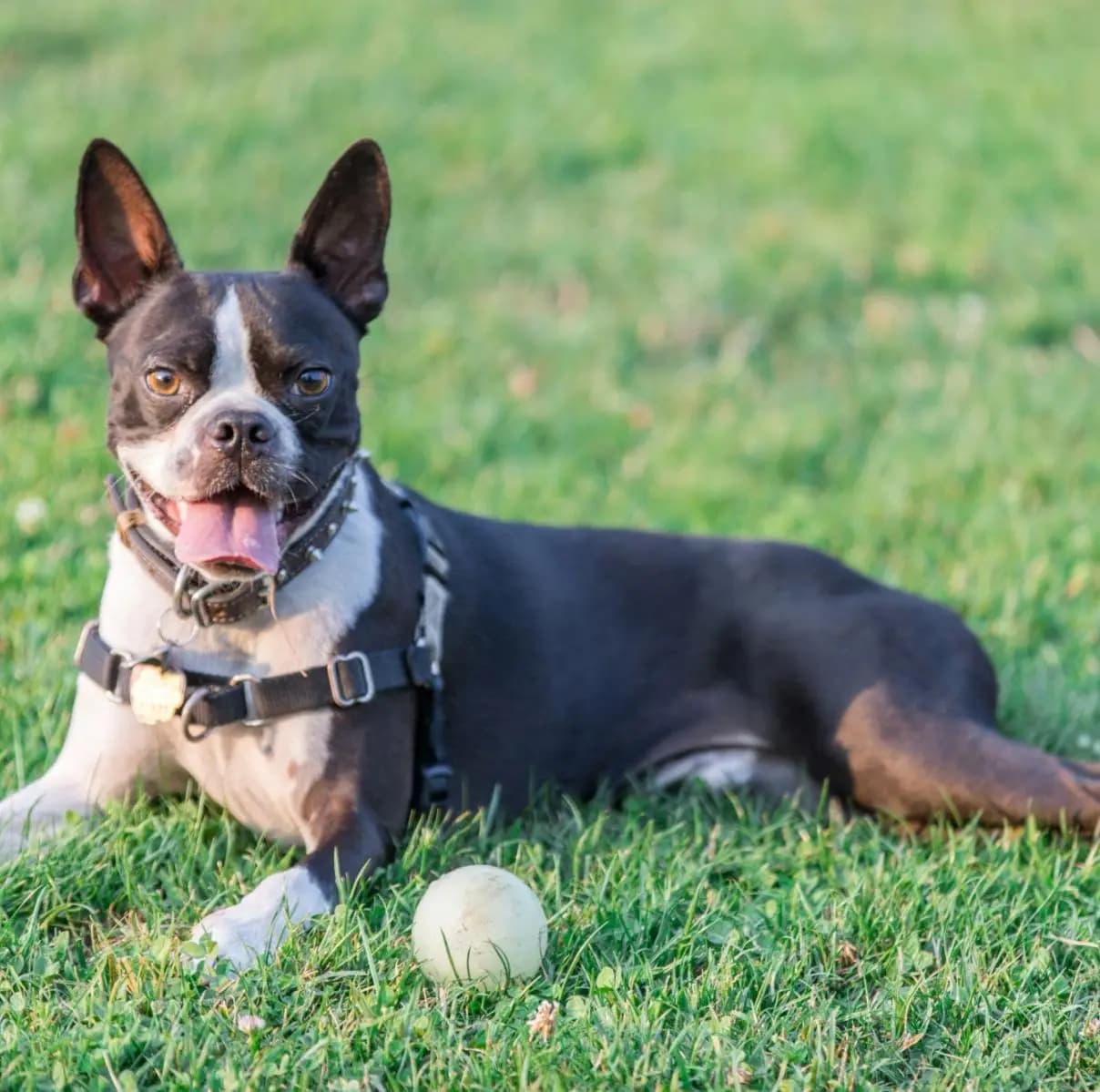
 Illustrative image
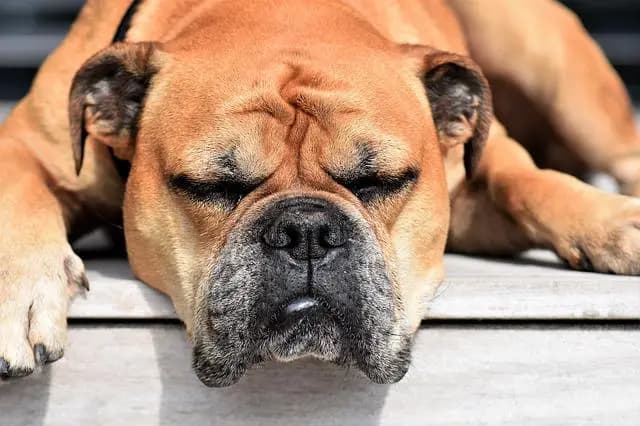
 Illustrative image
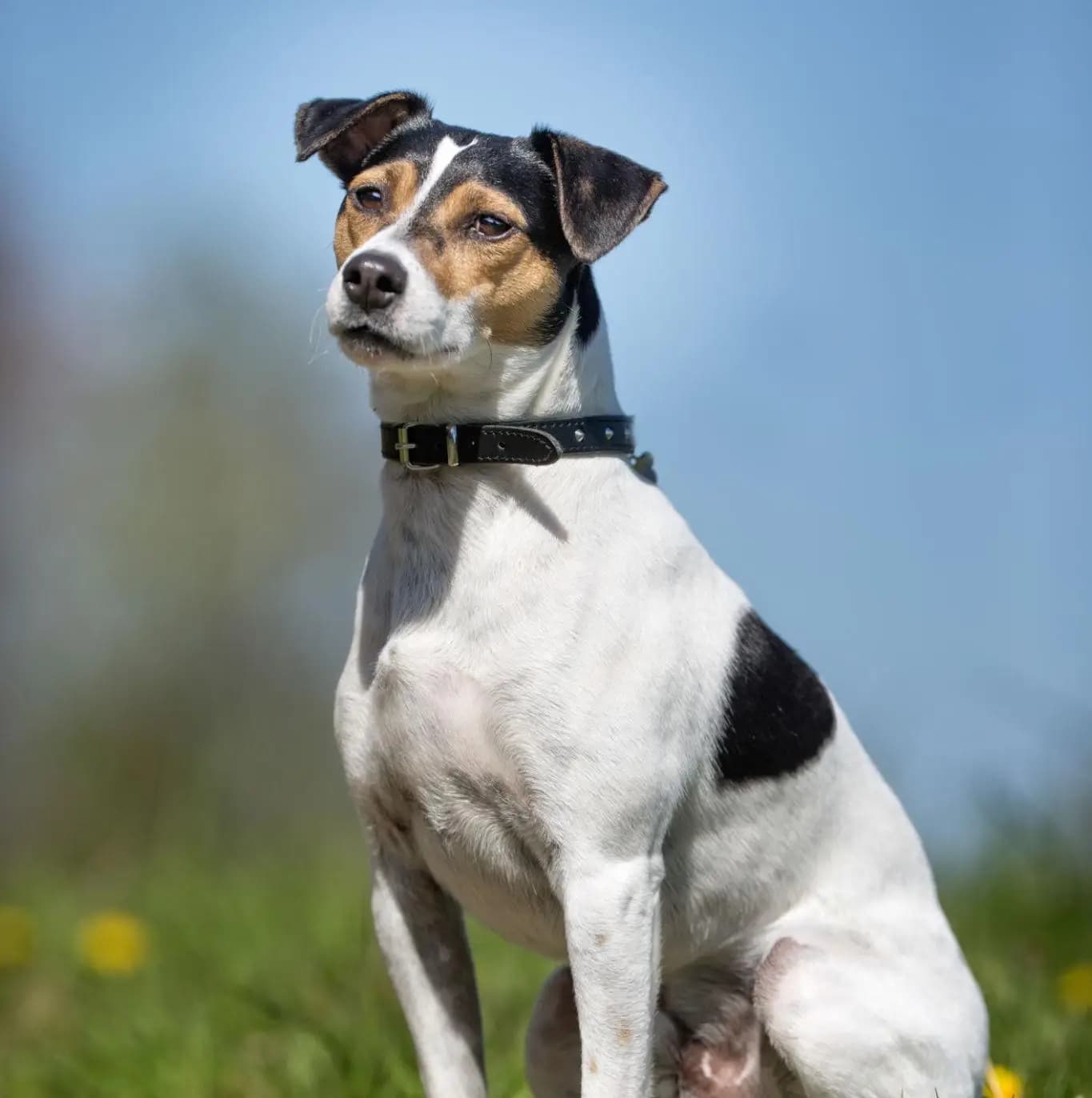
 Illustrative image
 Illustrative image
 Illustrative image
The Frenchton is a so-called designer dog crossbreed developed in the USA starting around the early 2000s from the French Bulldog and Boston Terrier—two breeds sharing common roots in older English bulldog types. The goal was to create a small, compact companion dog that retained the distinctive bulldog appearance with allegedly less extreme features. The Frenchton is not recognized as an independent breed by any major kennel club, such as the FCI, AKC, or VDH, and is registered exclusively by private hybrid registries. In Germany and across Europe, demand for this crossbreed has grown in recent years, mirroring the general trend toward short-muzzled small breeds.
Bred purely as a companion dog with no original working function
USA
2000
The Frenchton is an adaptable dog that adjusts well to various lifestyles. Research the temperament, grooming needs, and space requirements before deciding.
The average life expectancy of a Frenchton is 9-11 years. With proper care and regular vet visits, your dog can live a long, healthy life.
Frenchton grooming requirements include regular brushing, nail trimming, and dental care. HonestDog provides detailed grooming tips for every breed.
The Frenchton can be a great family dog. Proper training and socialization are key. HonestDog provides family suitability information for every breed.
The Frenchton comes in these colors: Black and white, Brindle, Black, Fawn, White, Cream, Brown, Blue, Piebald, Merle. Colors that fall outside the breed standard are marked as such on the breed page.


