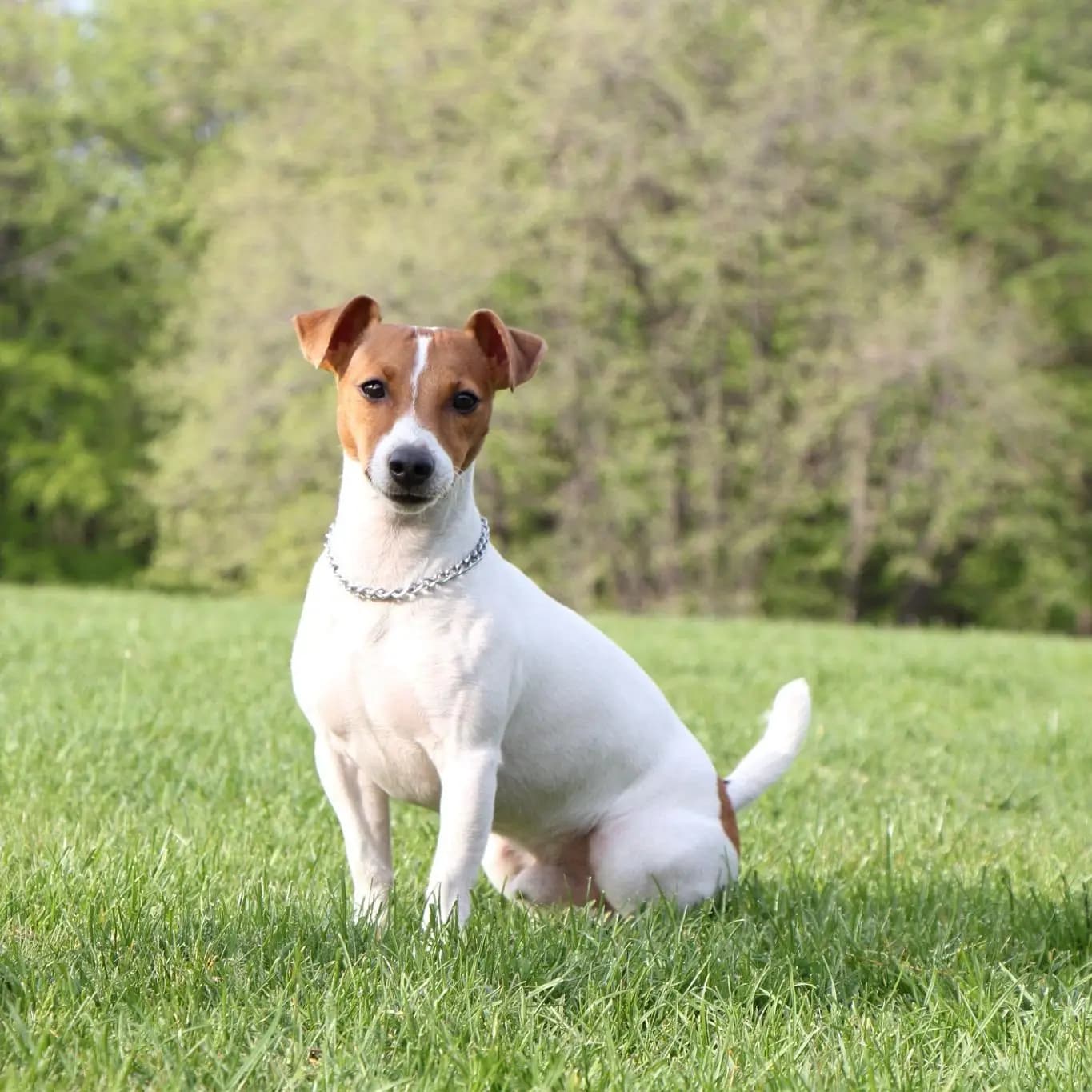
Jack Russell TerrierSame size & energy
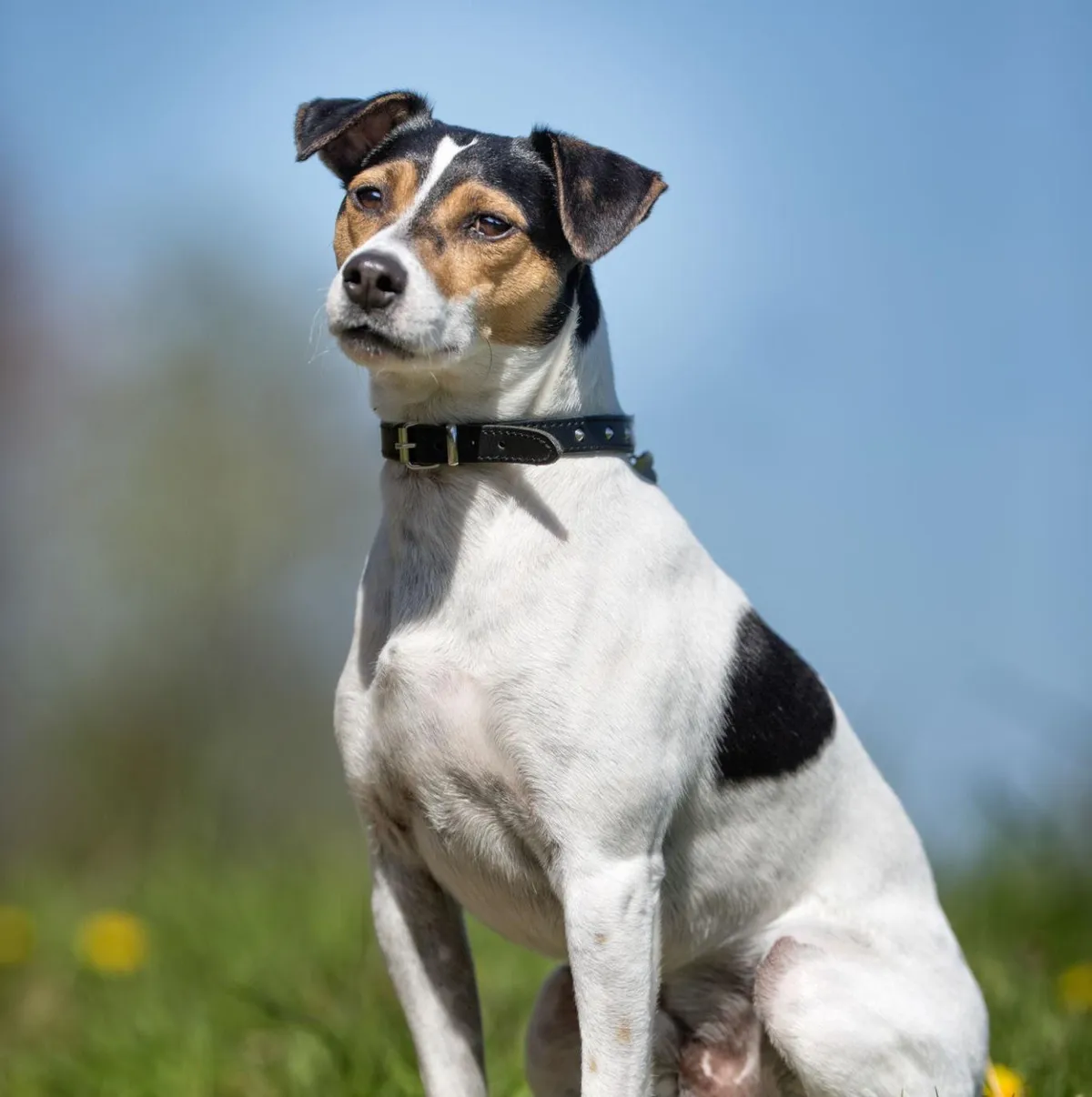
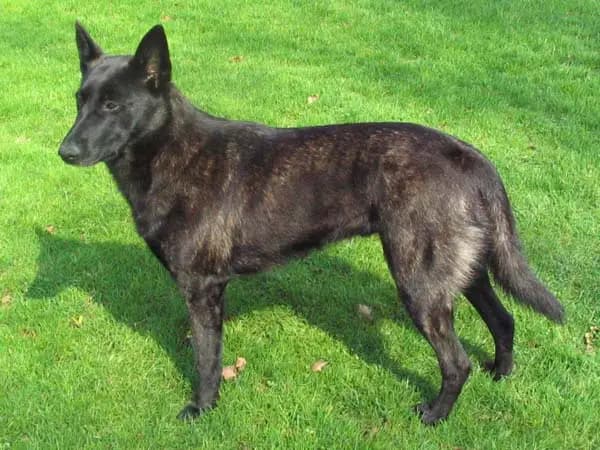
The Danish-Swedish Farmdog looks like a terrier, but at heart, it is a softer pinscher—an agile farm dog and ratter, bred to keep farms free of mice, announce visitors with a loud bark, and live closely with its family.
How the health grade is calculated
Sources for required breeding screenings. Svenska Kennelklubben (SKK) / Rasklubben för dansk-svensk gårdshund (RDSG)
Self-check
Answer 6 quick questions about your everyday life and see how well the Danish-Swedish Farmdog fits you — including an honest cost estimate per month, per year, and across the dog's lifetime.
At a glance
The essentials — key facts, traits, and health priorities — before you dive deeper.
Lifespan
12–15 yrs
Shoulder height
32–37 cm
Weight
6–8 kg
Practical
Temperament
Daily life
What matters most
Especially with a Danish-Swedish Farmdog, choosing the right breeder is the single most important decision you'll make. Serious breeders consistently test the parents for inherited conditions, prioritize healthy early socialization, and stay accountable long after handover. A cheap puppy without health screening tends to become the most expensive dog later on.
See HonestDog breeder standards →Colors & coat
The coat colors that occur in the Danish-Swedish Farmdog — including which ones fall outside the breed standard and which carry genetic risk.
Eye colors
 Brown
 Amber
Coat type
 Short
 Smooth
The real vibes check
The Danish-Swedish Farmdog has a built-in switch: outside, it is a lightning-fast, highly focused hunter that scans every corner for mice—inside, it turns into an affectionate hot water bottle under your blanket. You aren't getting a loner-type terrier, but a sensitive, eager-to-work all-rounder that wants to be right by your side every single second.
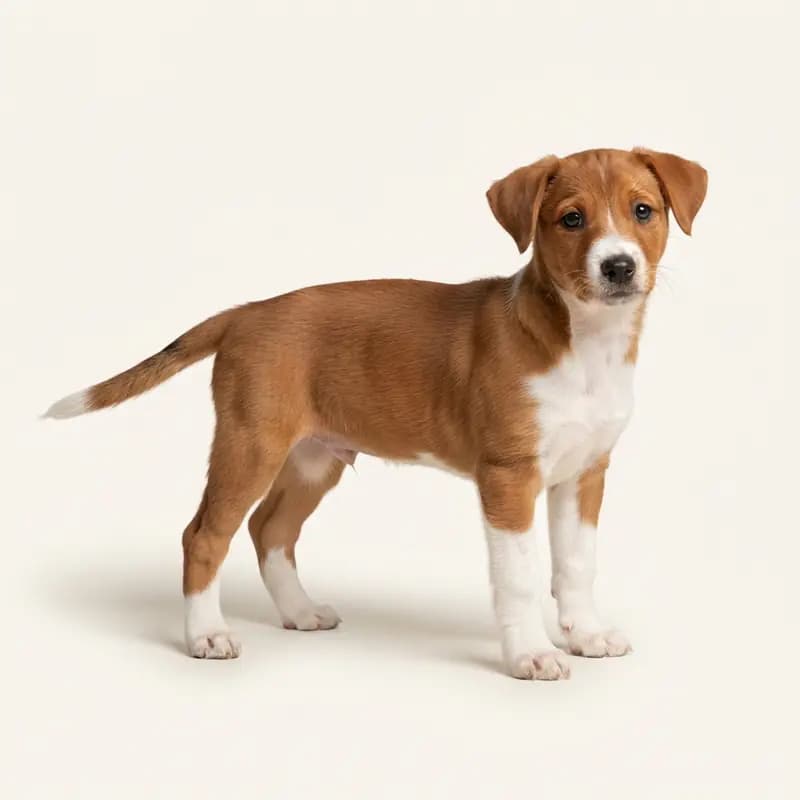
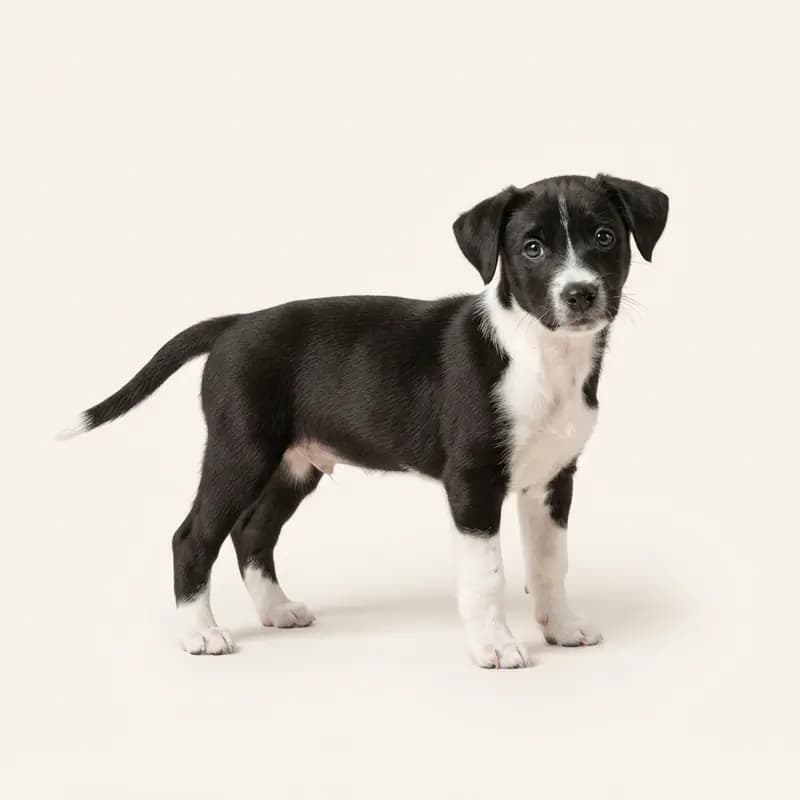
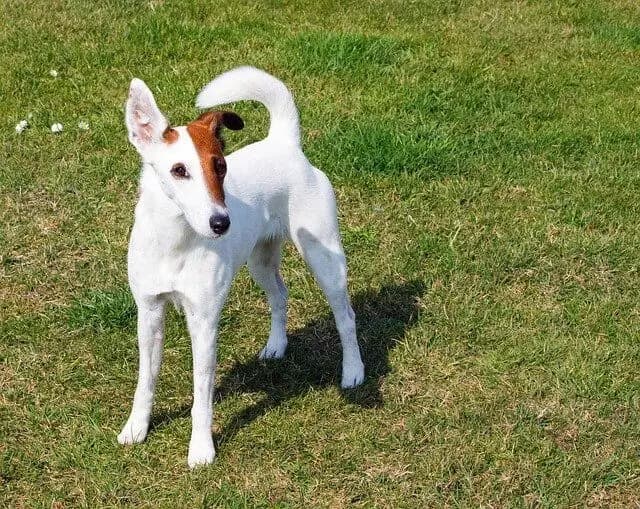
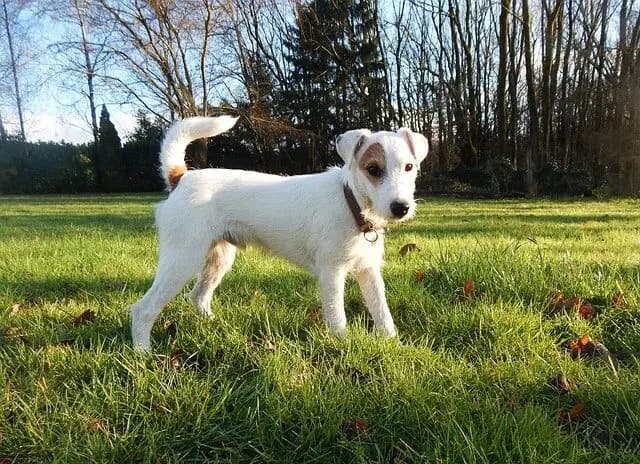
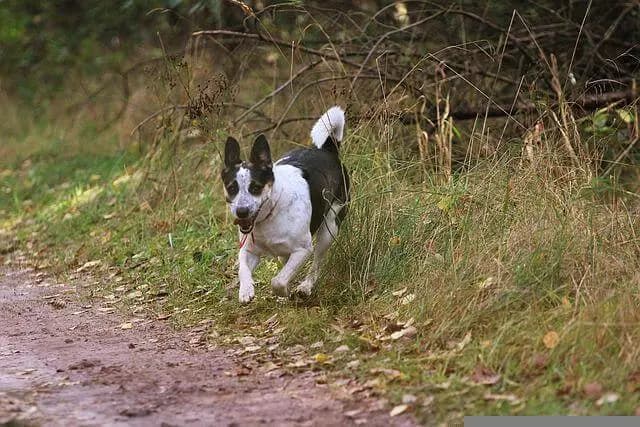
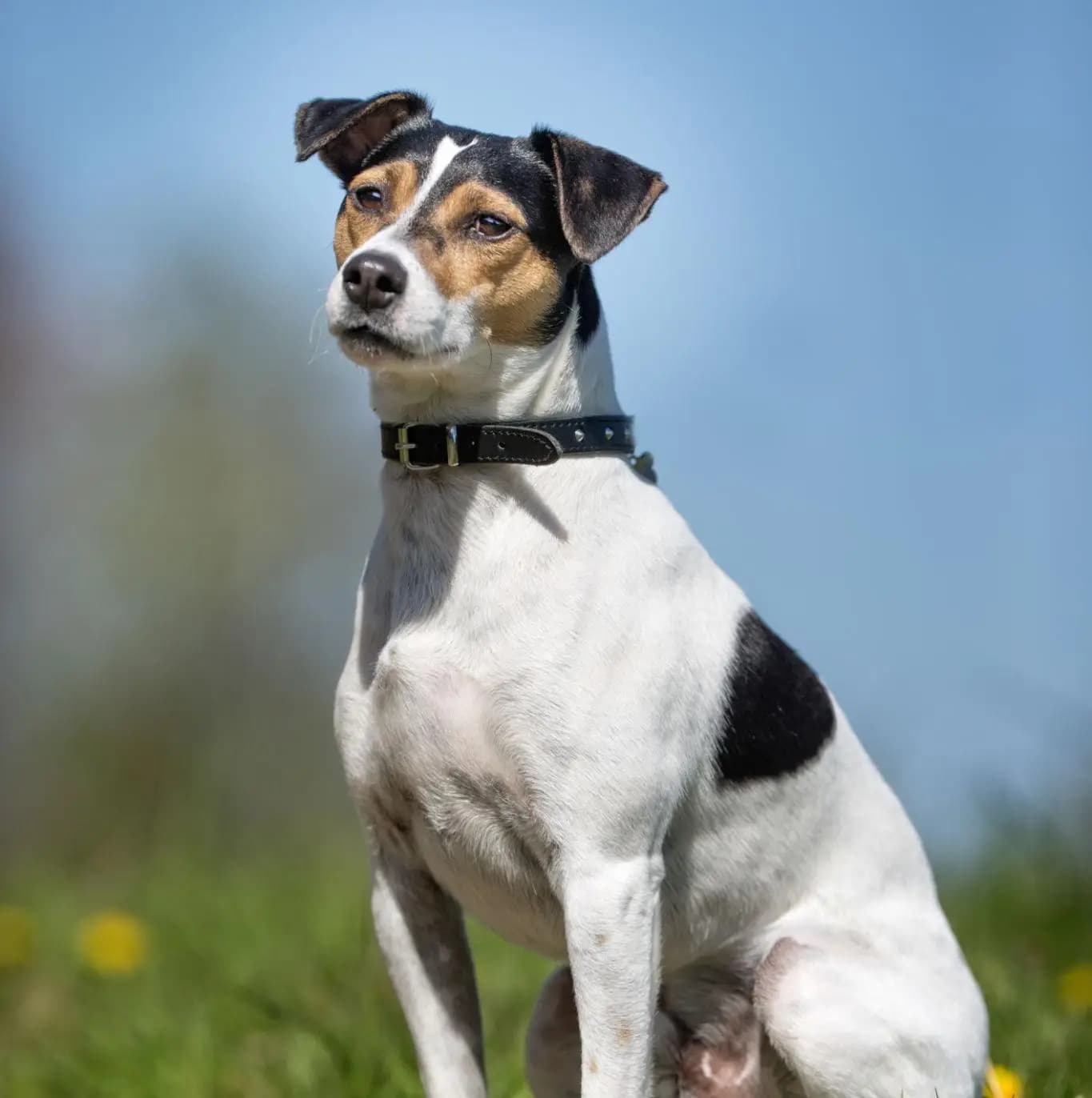
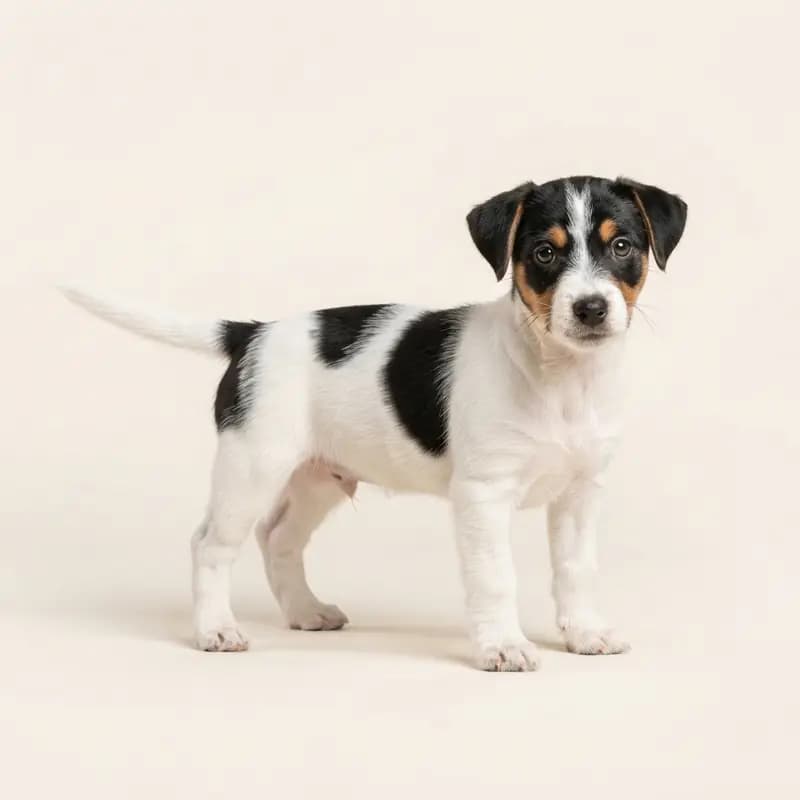
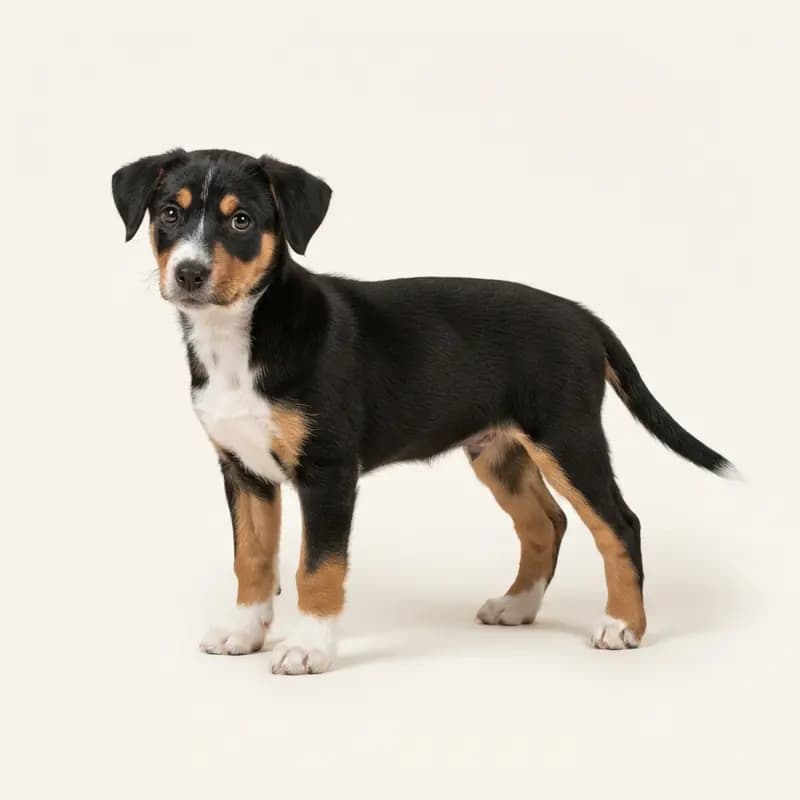
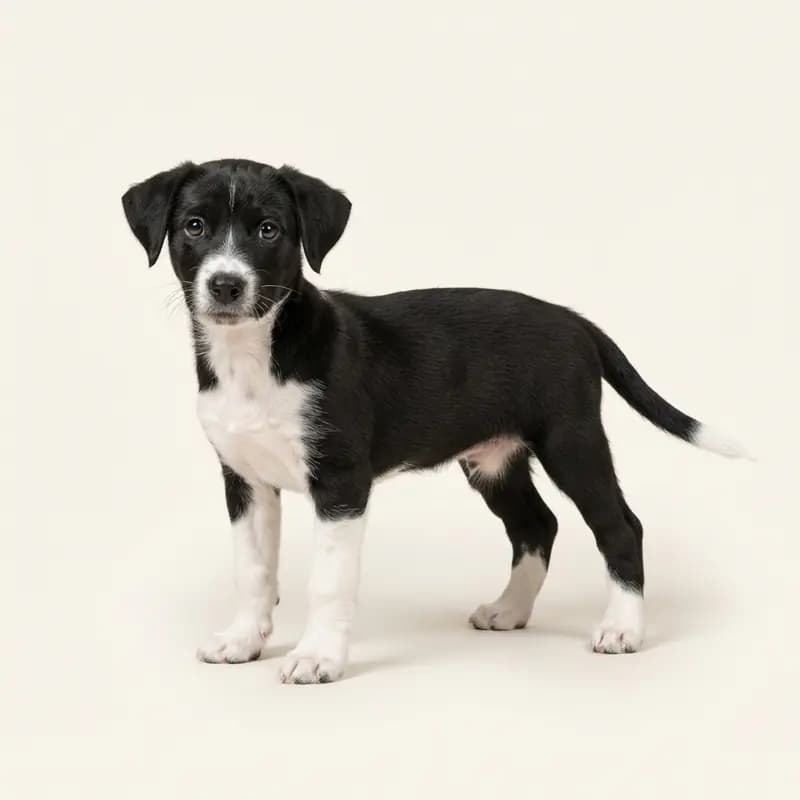
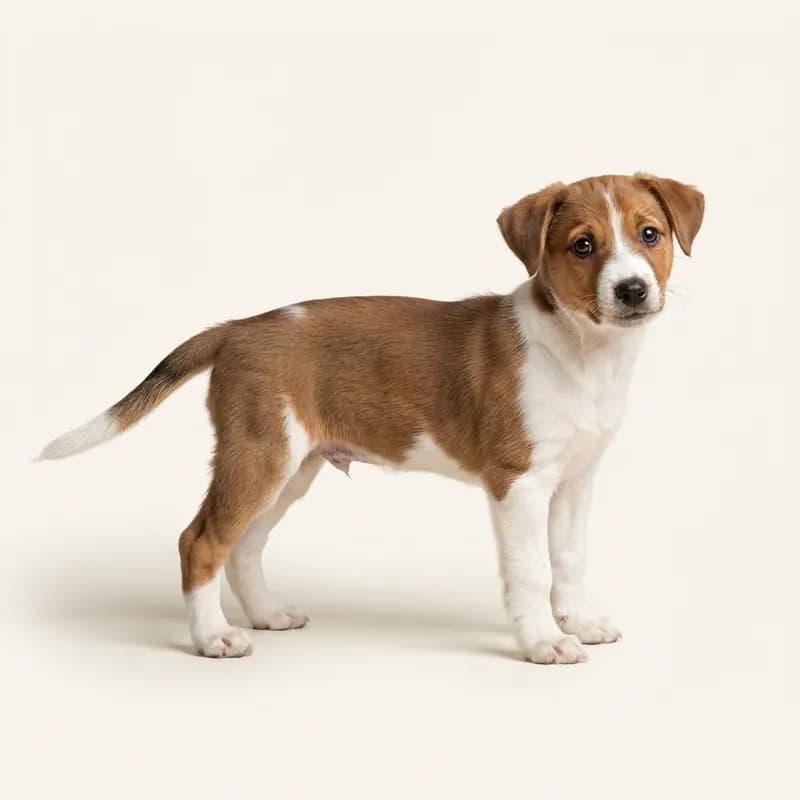
The Danish-Swedish Farmdog is a small to medium-sized dog breed that is characterized by its athletic appearance and adaptability. He belongs to FCI Group 2, Section 1.1, Pinscher and Schnauzer, and is currently not differentiated into performance and show lines. This dog is characterized by its well-proportioned physique. He has strong muscles and is still slim, which underlines his agility and mobility. The head is relatively small with a straight nose and dark, expressive eyes. The ears are medium-sized and are carried either erect or semi-erect. Its short tail can be natural or docked, the latter being illegal in many countries, including Germany. The Danish-Swedish Farmdog has a short, smooth coat without an undercoat, which makes it rather unsuitable for very cold temperatures. Coat color varies and may include white with black, brown or yellow markings.
The Danish-Swedish Farmdog is an extremely friendly and outgoing dog. He is known for his adaptable and balanced temperament. This breed is full of energy and very active, making it an ideal companion for active people or families. They love to keep busy and they have the stamina to play or work for hours. Despite their high energy, these dogs are also able to relax and enjoy quiet moments with their family. They are very people-oriented and build strong bonds with their owners. They are also very playful and enjoy different types of games and activities. Another notable aspect of this breed is its intelligence and ability to learn. They learn quickly and respond well to positive reinforcement. This makes them an ideal dog for various types of activities including dog sports, agility, herding or simply as a companion dog. They are also good at staying alone as long as they receive adequate mental and physical stimulation. Although they were originally bred for farm work, Danish-Swedish Farmdogs generally do not show any strong hunting behavior. However, they can be vigilant and are willing to protect their family and territory if they feel it is necessary. This makes them effective guard dogs, although their size means they are not necessarily suitable as protection dogs. Overall, the Danish-Swedish Farmdog is a versatile and adaptable dog that can fit into a variety of environments and lifestyles. His friendly and even-tempered temperament, coupled with his intelligence and energy, make him an ideal companion for many different types of people and families.
| Watchfulness Reports unusual activity but stays controlled. | Moderate |
| Openness to Strangers Warms up quickly and is generally welcoming. | Friendly |
| Hunting or Herding Drive Mild interest in movement and small animals — easily managed. | Low |
Fun Fact!
Did you know that the Danish-Swedish Farmdog is also known as the “Danish Pinscher”? However, this name is misleading because this breed has no relation to the Pinscher breeds. The name comes from the time when all small dogs in Denmark were called "Pinschers".
The Danish-Swedish Farmdog is a lively and intelligent companion that was originally bred as a farm dog. These dogs are friendly, eager to learn, and very adaptable. They are well suited as family dogs and, due to their agility and endurance, are also suitable for various dog sports. The Danish-Swedish Farmdog needs meaningful activity and loves to be active.
The Danish-Swedish Farmdog is a very adaptable dog that gets along well in both the city and the country. They are a very family-oriented breed and tend to get along well with children. Their friendly and outgoing nature also makes them compatible with other pets, including cats. However, any interaction between dogs and small children or other pets should always be monitored to ensure it is safe and positive.
Lives for its family — the born family companion.
Takes boisterous and affectionate children in its stride.
Actively enjoys the company of other dogs.
City-appropriate with enough exercise and stimulation.
Owning a dog is a privilege, but it's also a real responsibility. Before you bring one into your life, be honest with yourself about the commitment it takes.
The Danish-Swedish Farmdog is an intelligent and eager learner, which makes training a joy. They respond well to positive reinforcement and benefit from a consistent and patient approach to training. Due to their working history and active temperament, they could excel in various dog sports such as agility, flyball or herding dog sports. It is important to ensure that the dog is not "over-busy" as this can lead to stress and anxiety. A good balance of activity and rest time is crucial for this breed. There is a risk that the Danish-Swedish Farmdog will become a ball junkie, so it is important to ensure that the game and activity are varied and that the dog learns to relax even without constant stimulation. It is also important for this breed that the dog learns frustration tolerance and impulse control. Training in these areas can help the dog better deal with situations where he doesn't get what he wants right away.
In terms of nutrition, the Danish-Swedish Farmdog needs a balanced diet rich in proteins, carbohydrates, vitamins and minerals. Due to their high energy and activity levels, they should be fed a diet that supports their needs. The exact amount of food a Danish-Swedish Farmdog needs depends on its age, size and activity level, and it is always advisable to seek the advice of a veterinarian to ensure the dog is receiving optimal nutrition. When it comes to care, the Danish-Swedish Farmdog is an easy breed to care for. He has a short, smooth coat with no undercoat that requires minimal grooming. Regular brushing can help keep coat healthy and shiny and reduce dandruff. Although they are not suitable for extreme cold, they can handle the climate in Germany well. They don't tend to shed a lot, but as with any dog, increased shedding can occur during shedding periods.
| Care Level Minimal effort — occasional brushing and bathing. | Low-maintenance |
| Exercise Needs Needs several hours of serious exercise every day. | Very active |
| Shedding Regular shedding — dog hair on clothes is now normal. | Moderate |
| Trainability Picks up commands quickly and wants to please. | Eager to learn |
Our experts are still reviewing this information. Spotted something wrong? Email us at info@honestdog.de.
Robust
Health grade
The Danish-Swedish Farmdog is fundamentally a very robust breed, but risks for hip dysplasia (HD), primary lens luxation (PLL), and patellar luxation (PL) must still be considered. Breed clubs such as Svenska Kennelklubben (SKK) and Rasklubben för dansk-svensk gårdshund (RDSG) mandate screening for hip dysplasia (HD). Responsible breeders additionally test the parents for patellar luxation (PL 0–1) and screen genetically for primary lens luxation (PLL). Ask to see the official HD X-ray evaluations and DNA results – with primary lens luxation (PLL), a carrier may only be mated with a demonstrably clear partner.
Grade is relative to other breeds — AI-assisted and editorially reviewed.
Methodology and data: HonestDog Dog Breed Health Report 2026
What matters most for this breed
Tap any item to see details.
You should ensure joint-friendly rearing, a healthy weight, and regular eye check-ups so that your dog stays active for a long time.
Responsible breeders carry out the mandatory HD screening and additionally test for patellar luxation (PL) as well as primary lens luxation (PLL) to prevent joint damage and blindness.
Note: This health overview is AI-assisted and editorially reviewed. It is for orientation only and does not replace veterinary advice.
What matters most for this breed — what's common, how much it affects the dog's life, and how to protect yourself as a buyer.
Tap a body region to see the inherited conditions linked to it.
The three most important risks
Pick a region on the map to explore other areas.
Tier 1 is the core standard: the tests Svenska Kennelklubben (SKK) / Rasklubben för dansk-svensk gårdshund (RDSG) requires, plus further tests from the recommended health standard for this breed. Tiers 2 and 3 show how responsible breeders go beyond.
Core standard. Tests marked “Club standard” are required by Svenska Kennelklubben (SKK) / Rasklubben för dansk-svensk gårdshund (RDSG) for breeding approval; the others are part of the recommended health standard for this breed. Ask any reputable breeder for the results.
No entries in this tier.
Note: This health overview is AI-assisted and editorially reviewed. It is for orientation only and does not replace veterinary advice.
A Danish-Swedish Farmdog costs around ~€150 per month (€80 – €280, depending on your setup). The first year adds up to roughly ~€4,680 including purchase, equipment and puppy school; across the dog's life (13.5 years) it comes to about ~€27,780.
With surgery cover, running costs come to about ~€140 per month — in return, your share of a major operation drops from several thousand euros to around 20 percent.
Per month
~€150
In the first year
~€4,680
Across the dog's life
~€27,780
Estimated purchase price from a breeder: €1,500 – €2,500
Estimate at a mid-range setup (suburban, dry food, 1–2 hours of daily exercise), average German prices, as of July 2026.
 Illustrative image
 Illustrative image
 Illustrative image
 Illustrative image
The roots of the Danish-Swedish Farmdog lie, as the name suggests, in Denmark and Sweden. This breed of dog has a long history as a working dog on farms in Scandinavia. They were used there for a variety of tasks, including herding and guarding livestock, catching rodents, and guarding the farm. The breed has its origins in the general farm dogs that were widespread throughout Europe. These dogs were not specific breeds, but rather a species characterized by their working skills and adaptability to different conditions and tasks. The Danish-Swedish Farmdog as we know it today only began to emerge in the 1980s. Previously, these dogs were classified according to their geographical origin rather than their breed. It was a group of enthusiasts in Denmark and Sweden who began collecting and standardizing the distinctive features of these dogs. The FCI recognized the Danish-Swedish Farmdog as an independent breed in 2008. Since then, this breed has gained popularity worldwide due to its versatility, friendly temperament, and adaptability.
The Danish-Swedish Farm Dog was used as a versatile farm dog for hunting small animals and as a guard dog and is known for its friendly nature.
Denmark/Sweden
1700
In family life, owners describe the Danish-Swedish Farmdog (often affectionately called the "Dansky") as an unusually adaptable and cuddly companion. Although many people see a resemblance to the Jack Russell, its temperament differs clearly from the typical terrier: owners keep pointing out that it is remarkably calm indoors and loves to doze snuggled up close to its people on the couch or a blanket. It is considered very good with children, happily goes everywhere with its family and is usually easygoing and relaxed with visitors or at the office, as long as it gets to be included.
Outdoors, though, these dogs show their other side as spirited bundles of energy. Owners report a strong need to move and a playful, almost kangaroo-like bouncing when they romp. Recurring everyday topics are digging for mice and strong watchfulness on their own turf: unusual noises or people passing the garden fence are often dutifully announced, so the urge to sound off should be channeled early. Owners also note with a wink that many Danskys are committed "fair-weather dogs": in cold weather and steady rain, quite a few flatly refuse to go outside.
Sources:dogorama.appschnufteline.beepworld.depuredogtalk.comreddit.comdansk-svensk-gardhund.jimdofree.com
When it comes to training, owners agree on the breed's considerable intelligence and quick understanding. Danskys usually learn new commands, tricks or course tasks in dog sports (such as agility) in record time. At the same time, experienced owners point out that this cleverness cuts both ways: unwanted behavior creeps in just as fast, and these dogs see through any inconsistency on their owner's part right away.
Unlike tougher working dogs, owners describe the Farmdog as very sensitive. Strictness or loud scolding quickly unsettles it; training works best through positive reinforcement, patience and playful motivation. Forum posts often mention that, for all its eagerness to learn, adolescence takes patience, since young Danskys like to test their own will or chew on things more. Because, compared with hunting terriers, they usually show hardly any real drive to chase large game, off-leash time in woods and fields is often surprisingly easy to manage with solid basic training.
Sources:reddit.competbook.dehunde-forum.dkschnufteline.beepworld.de
On health and care, owners generally see the Dansky as a sturdy, natural and long-lived dog that needs little grooming. The short coat hardly needs any elaborate brushing; dirt usually falls off by itself once dry or can simply be wiped off with a damp towel. Since the breed has no warming undercoat, some owners point out that these dogs get cold quickly in wet, freezing weather and that a coat can be genuinely useful in winter.
Despite the breed's overall healthy reputation, owners and people who follow the breeding scene warn about certain breed-typical weak spots. Musculoskeletal problems in particular, such as hip dysplasia (HD) and luxating patella, come up in owner reports and breed-specific discussions. Owners strongly advise taking a puppy only from breeders who can show the relevant health exams and X-ray results for the parents. They also warn against overfeeding this small dog, since extra weight puts more strain on the joints.
Sources:puredogtalk.comdansk-svensk-gardhund.jimdofree.competbook.depeqaboo.com
Paraphrased from real owner reports · translated from German
The Danish-Swedish Farmdog is an active dog that needs plenty of exercise and mental stimulation. Research the temperament, grooming needs, and space requirements before deciding.
The average life expectancy of a Danish-Swedish Farmdog is 12-15 years. With proper care and regular vet visits, your dog can live a long, healthy life.
Danish-Swedish Farmdog grooming requirements include regular brushing, nail trimming, and dental care. HonestDog provides detailed grooming tips for every breed.
The Danish-Swedish Farmdog can be a great family dog. Proper training and socialization are key. HonestDog provides family suitability information for every breed.
The Danish-Swedish Farmdog comes in these colors: Piebald, Tricolor, Black and white, Brown and white, Red and white, Bicolor.
Showcase your kennel on HonestDog and reach families searching for a responsibly bred Danish-Swedish Farmdog.