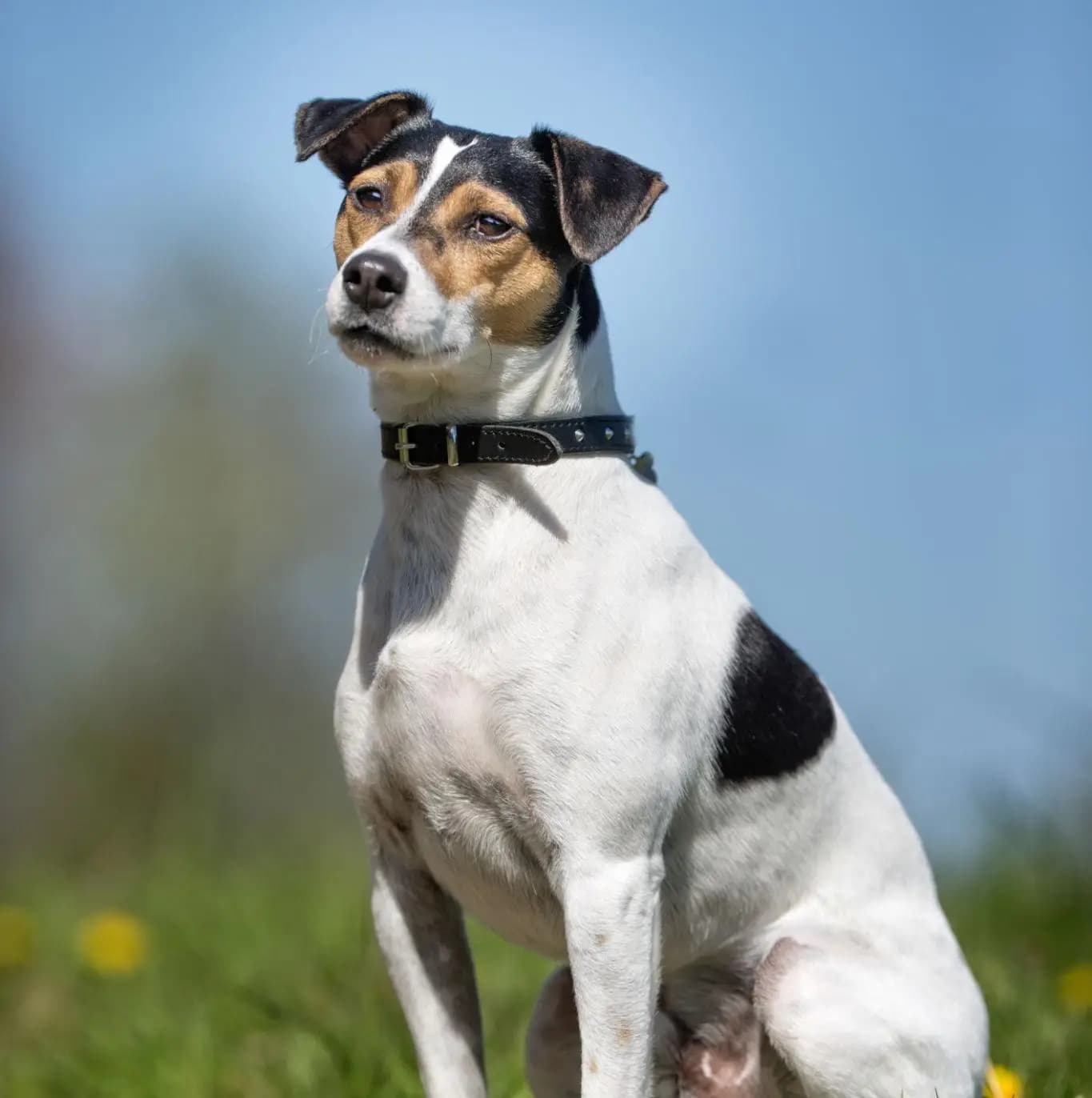
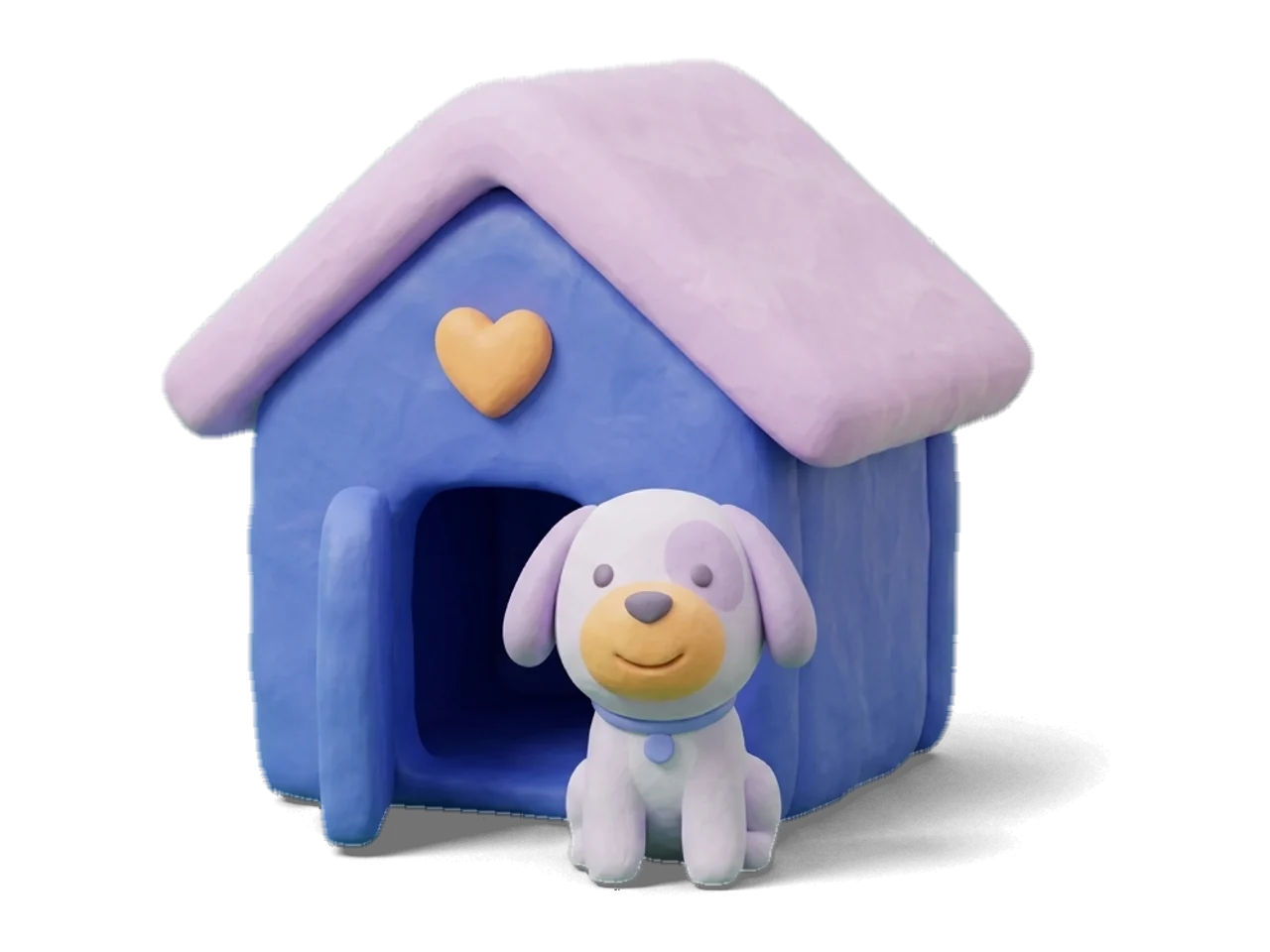
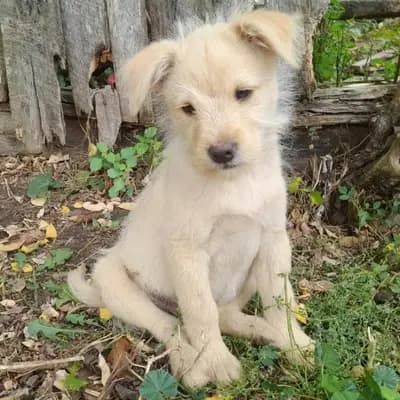
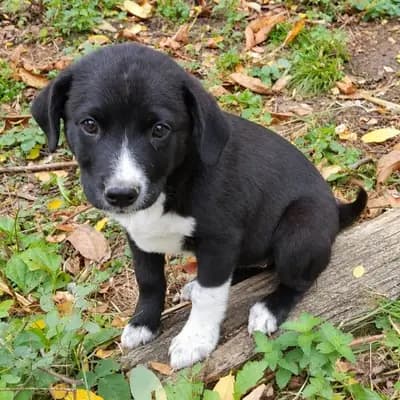
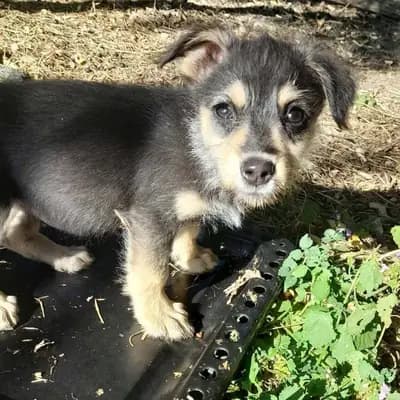
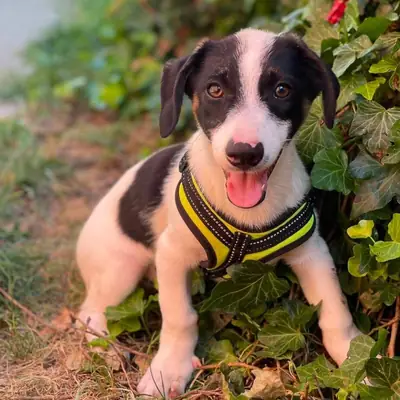
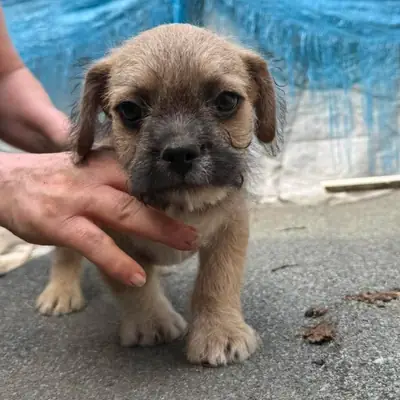
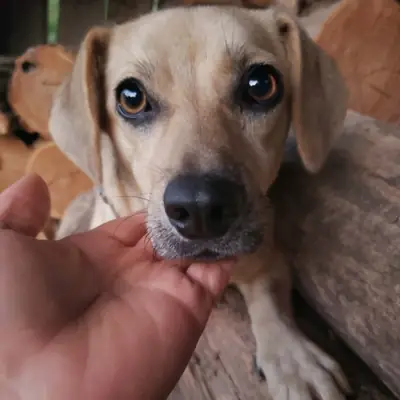
An adult dog from a rescue brings its own history with it. In general, the breed is characterised by a balanced temperament, great friendliness towards children and good compatibility with other dogs. In everyday shelter life, however, many of these dogs initially seem unsettled or under-stimulated. Once they gain trust, their high trainability blossoms – and despite their high energy, they are wonderfully able to relax at home and enjoy quiet moments with their family.
Health considerations for a second-hand Farmdog
Danish-Swedish Farmdogs have a natural, not very problem-prone build, but they do come with breed-typical issues affecting the knees, hips and eyes. Known risks include hip dysplasia (HD), patellar luxation (slipping kneecaps) and lens luxation in the eye. In addition, cone degeneration, degenerative myelopathy and hyperuricosuria occur in the breed. A health-conscious breeder has the parent dogs' hips X-rayed and their knees and eyes clinically examined, in order to reduce the risk of HD, patellar luxation and lens luxation in the line, and pays attention to unaffected lines when it comes to the other conditions.
With a shelter dog, the genetic background is often unknown. Shelters usually cover vaccinations, microchipping and a general health check on admission; ask to see the available veterinary records in detail. After adoption, plan an orthopaedic check of the knees and hips as well as regular eye checks with your vet, and make a consistent effort to keep your dog at a healthy weight so that it stays active for a long time.