Parson Russell TerrierClose relative
The Jack Russell Terrier is a lightning-fast, fearless Erdhund (earth dog)—bred to flush foxes out of their dens underground. This concentrated energy in a tiny body makes them a true working dog, not a mere lap dog.
How the health grade is calculated
Sources for required breeding screenings. Klub für Terrier e.V.
Self-check
Answer 6 quick questions about your everyday life and see how well the Jack Russell Terrier fits you — including an honest cost estimate per month, per year, and across the dog's lifetime.

At a glance
The essentials — key facts, traits, and health priorities — before you dive deeper.
Lifespan
13–16 yrs
Shoulder height
25–30 cm
Weight
5–6 kg
Practical
Temperament
Daily life
What matters most
Especially with a Jack Russell Terrier, choosing the right breeder is the single most important decision you'll make. Serious breeders consistently test the parents for inherited conditions, prioritize healthy early socialization, and stay accountable long after handover. A cheap puppy without health screening tends to become the most expensive dog later on.
See HonestDog breeder standards →Colors & coat
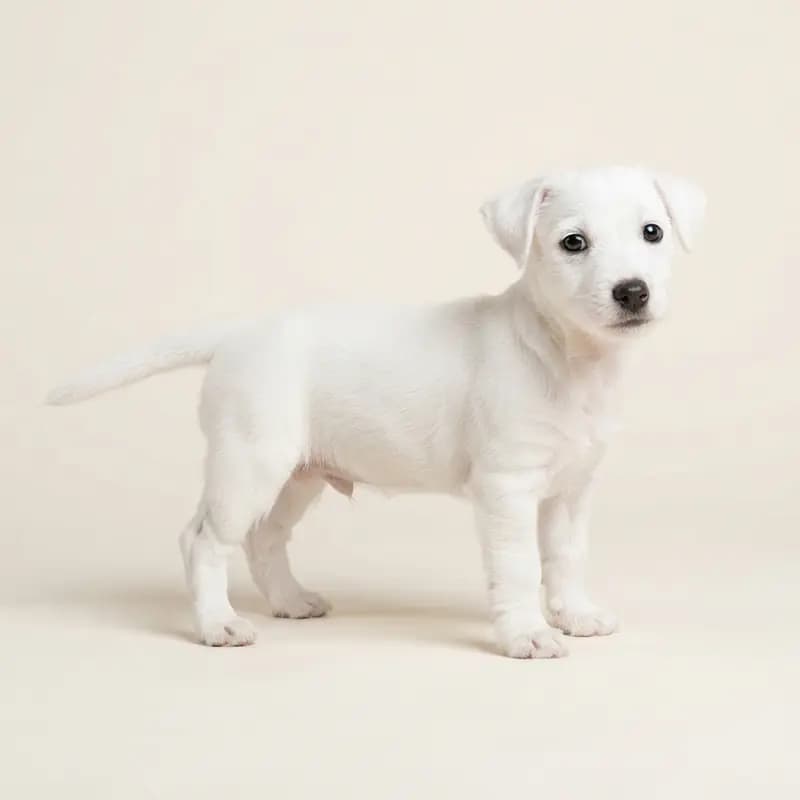
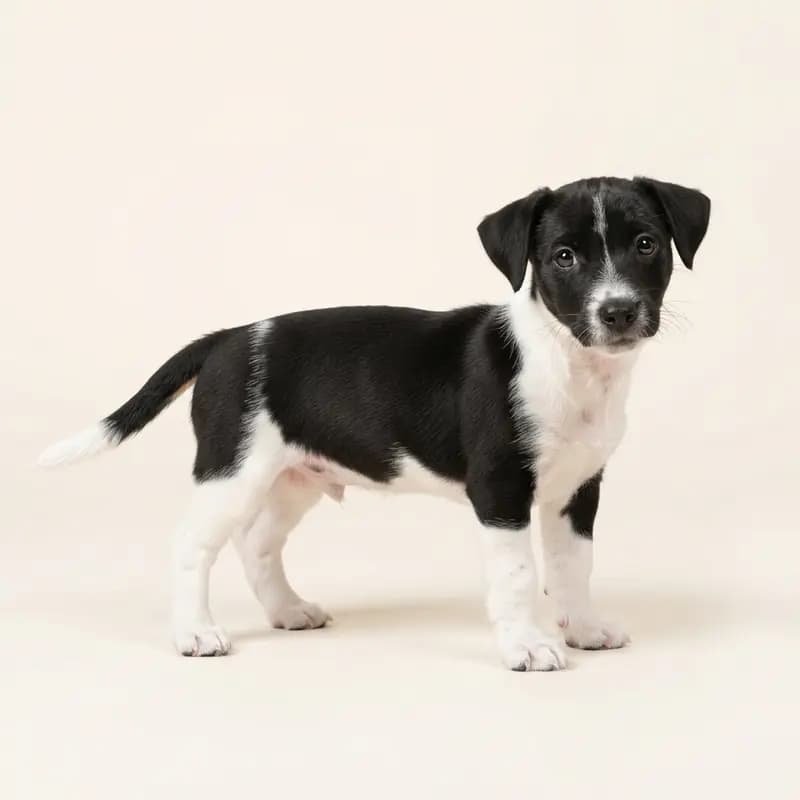
The coat colors that occur in the Jack Russell Terrier — including which ones fall outside the breed standard and which carry genetic risk.
Chocolate
Blue
Eye colors
 Brown
Coat type
 Illustrative image
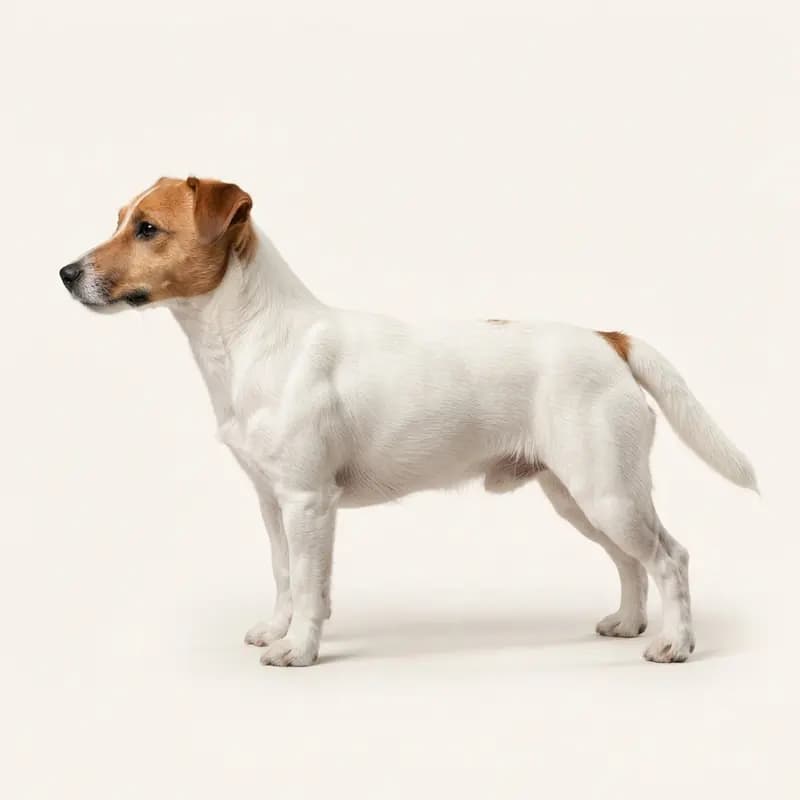
Short
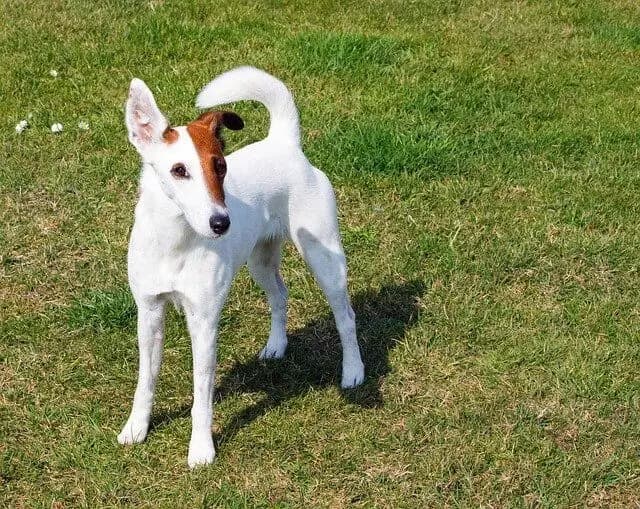
 Smooth
 Illustrative image
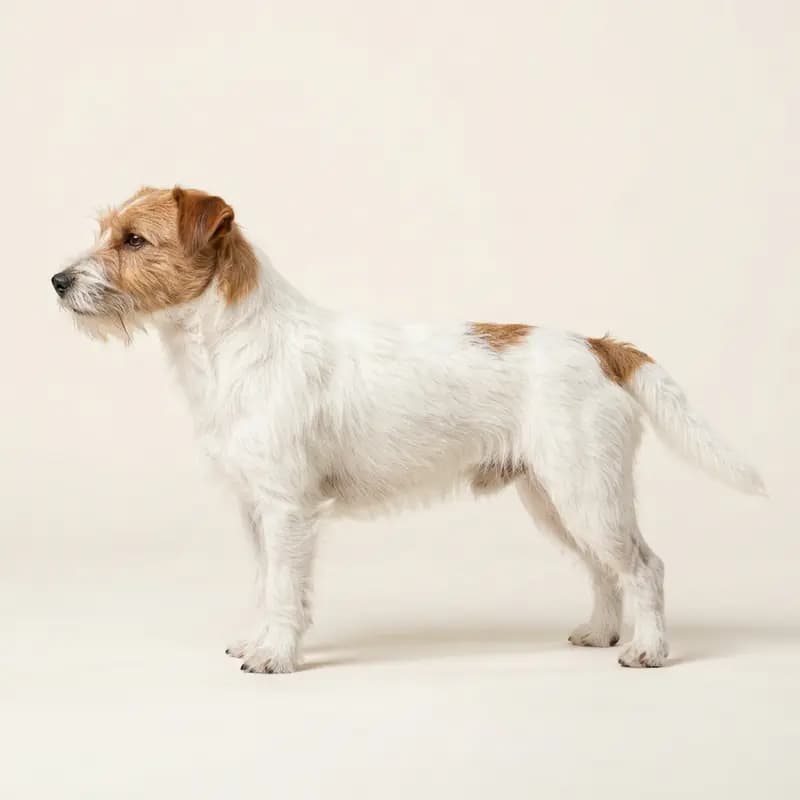
Wire
The real vibes check
A Jack Russell doesn't negotiate; they decide. What is vital for survival in a dark fox den quickly becomes a real power struggle in the living room—just without the fox. If you can channel this charming megalomania, you get an indestructible buddy; if not, they will take over your household.
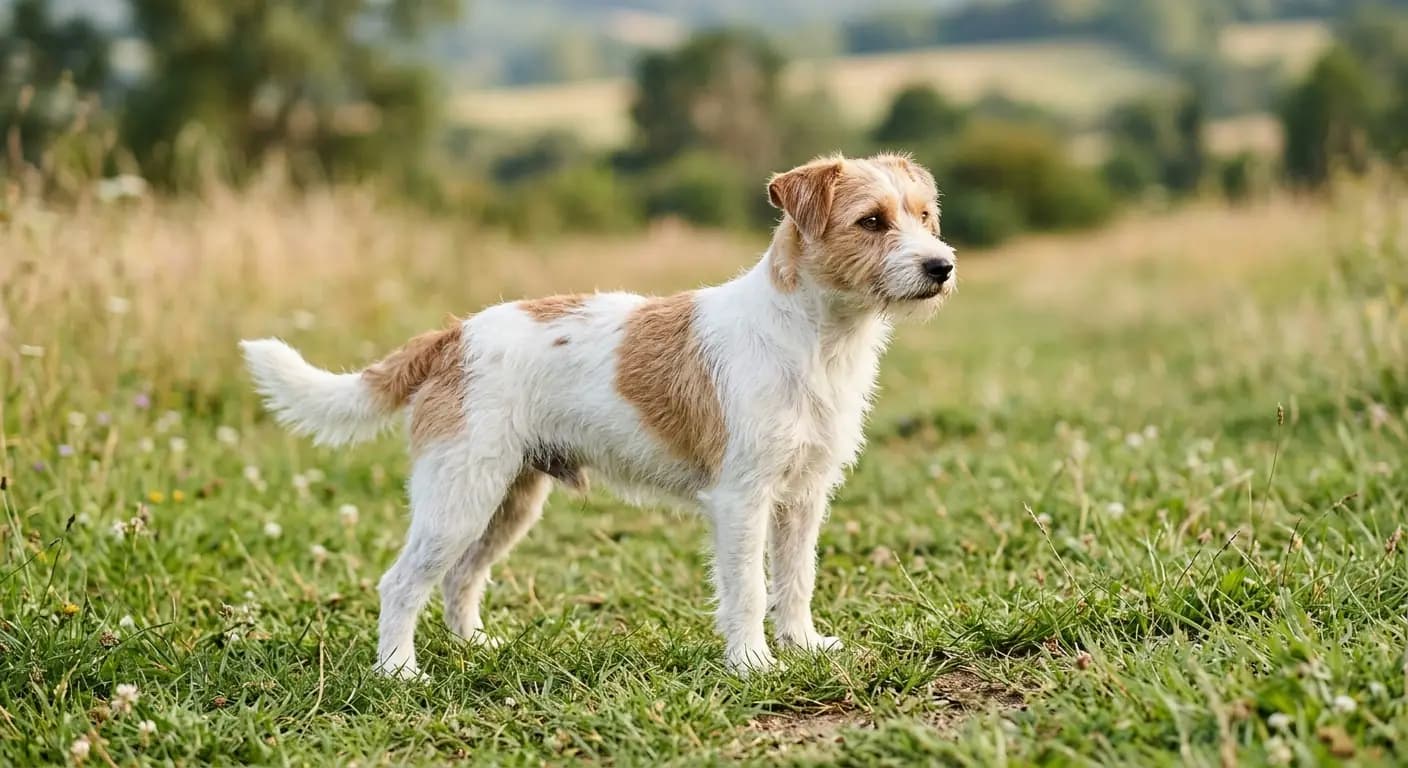
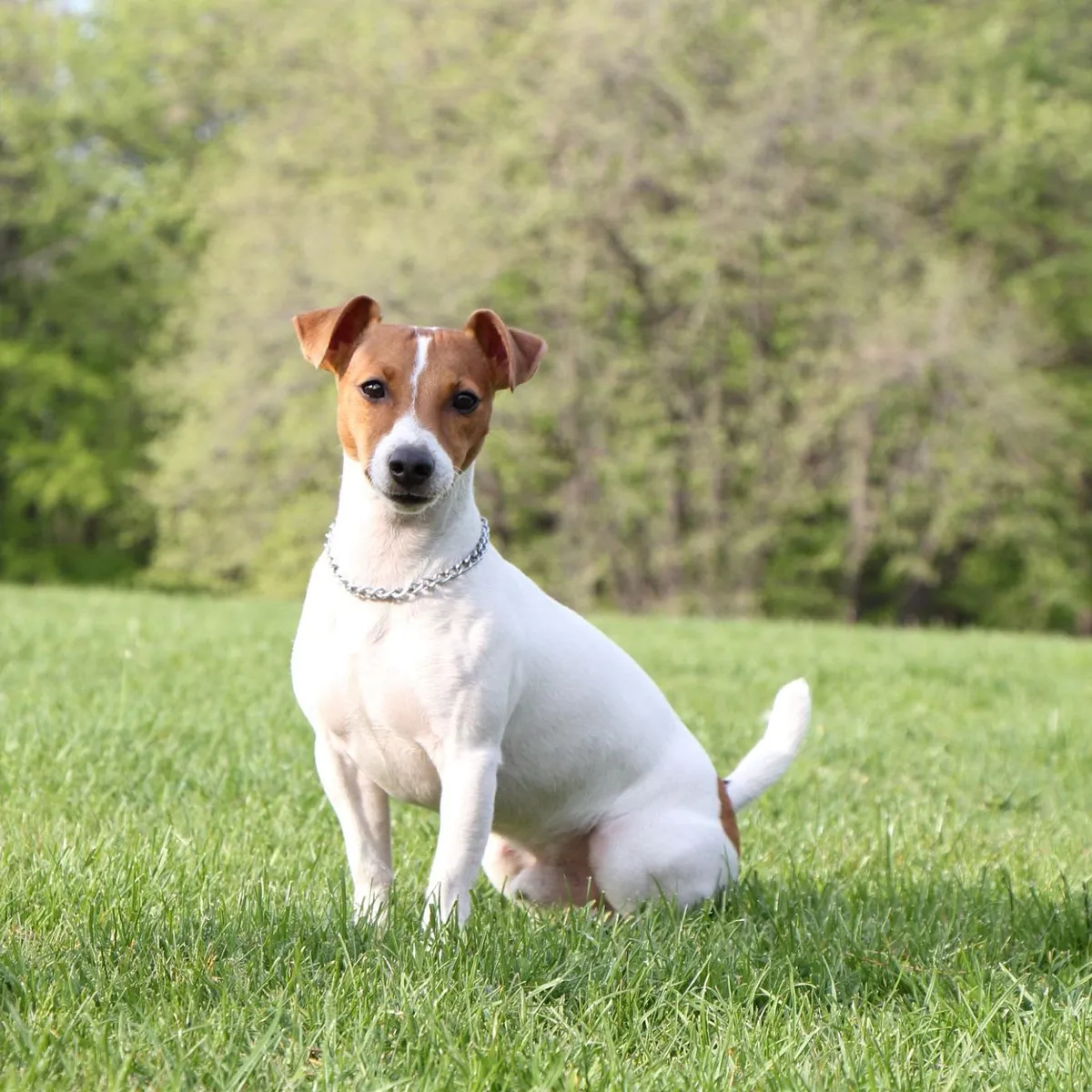
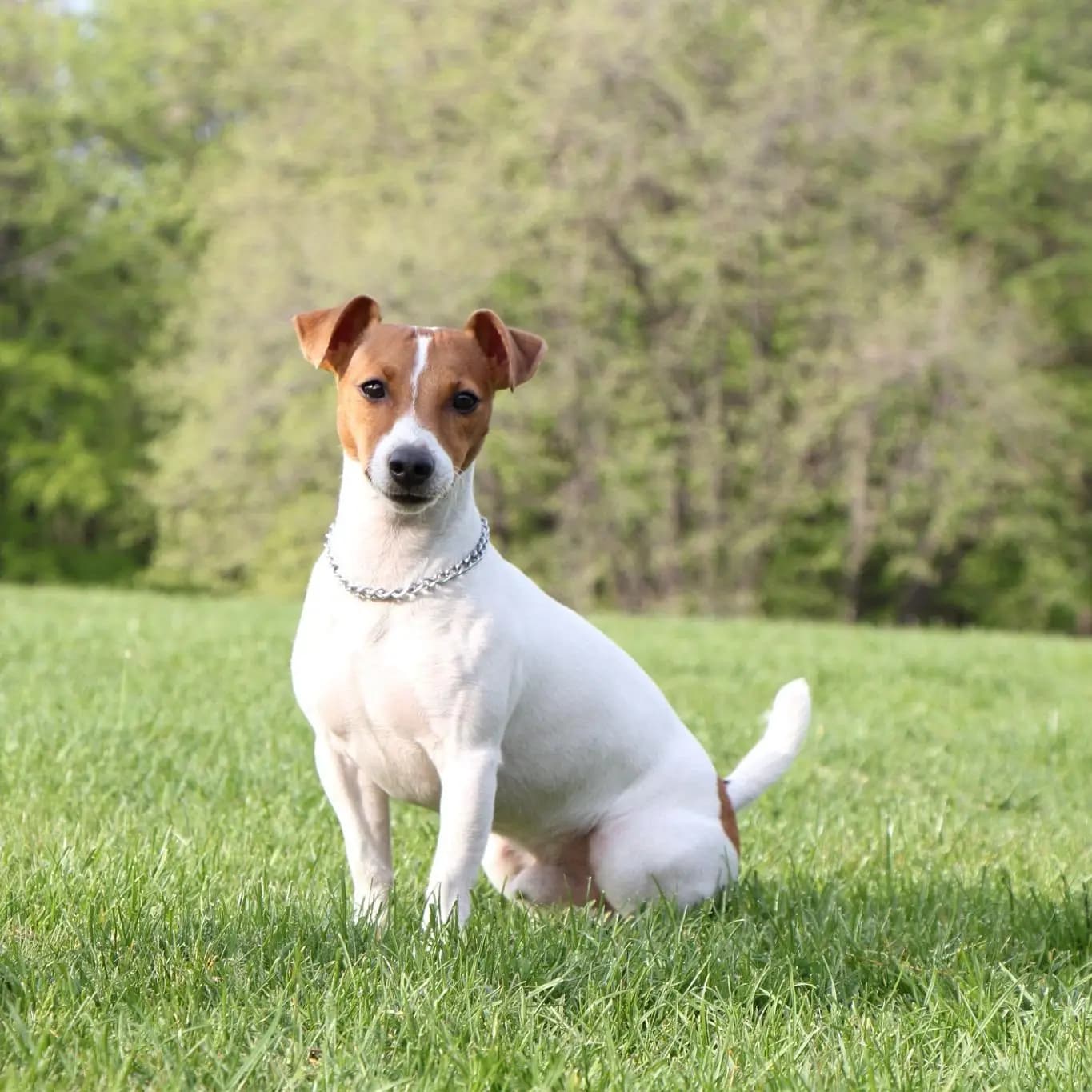
The Jack Russell Terrier is a small, robust dog with a strong personality. His stature is compact and muscular, giving him incredible agility and speed. With his expressive eyes and upright ears, he exudes a lot of character. The FCI lists the Jack Russell Terrier as a terrier in Group 3, Section 2. There is no specific distinction between performance and show lines in the Jack Russell Terrier, as the breed was originally bred for hunting and its working ability is still highly valued. The Jack Russell Terrier's tail is generally slightly shorter than other breeds and is often carried cheerfully.
If you are looking for a lively, smart and adventurous dog, then the Jack Russell Terrier may be just the right companion for you. His inexhaustible energy level and intelligence make him a dog that always wants to be busy. If you enjoy being outside and have an active lifestyle, your Jack Russell will be happy to be by your side. Whether hiking, playing or just exploring nature, he is always there. Note that he was originally bred as a hunting dog, and this heritage is still evident today in his strong hunting instincts. He will often want to hunt small game, such as squirrels or birds, so it is important to keep a close eye on him and ensure he is well behaved, especially when walking off-leash. If you have a garden, your Jack Russell Terrier will probably love it, but make sure it is well fenced in as it may have a tendency to dig and escape if it smells an interesting scent. The Jack Russell Terrier is very people-oriented and loves being part of the family. He is sociable and usually gets along well with other dogs, but he can sometimes be a bit dominant, especially with dogs of the same gender. It is important to know that although he is small, he does not hesitate to assert himself even against larger dogs. He is also very alert and will inform you immediately if someone is at the door or if something unusual is happening around him. This makes him a great guard dog, although his size doesn't exactly make him a threat. When it comes to being alone, it can be difficult for a Jack Russell Terrier to spend long periods of time alone as they are very attached to their people and can quickly become bored. It's important to provide him with enough mental and physical stimulation to avoid behavioral problems.
| Watchfulness Occasionally alerts but is fundamentally open. | Low |
| Openness to Strangers Warms up quickly and is generally welcoming. | Friendly |
| Hunting or Herding Drive This drive runs deep — no amount of training eliminates it. | Very strong |
Fun Fact!
The Jack Russell Terrier "Moose", better known as "Eddie" in the TV series "Frasier", was one of the most famous dogs on American television and won several awards during his career!
Jack Russel Terriers are considered tireless, full of energy and are very motivated to hunt. They need a lot of activity and mental stimulation to be pleasant companions.
The Jack Russell Terrier is a very active dog and needs a lot of exercise and mental stimulation. He can be kept in the city if he gets enough exercise, but a house with a garden would be ideal. The breed is very family-oriented and gets along well with children, although one should always be one A supervisor must be present as the dog can sometimes be a bit stormy. Problems may arise in relation to other pets, especially cats, since the Jack Russell Terrier has a strong hunting instinct.
Loves family life and thrives in a group.
Gets on well with children — with adult supervision.
Usually gets on fine with other dogs.
Adapts well to city living and urban environments.
Owning a dog is a privilege, but it's also a real responsibility. Before you bring one into your life, be honest with yourself about the commitment it takes.
The Jack Russell Terrier is intelligent and eager to learn, but he can also be stubborn. Early socialization and consistent training are important here. The breed is ideal for dog sports such as agility, obedience or flyball. Be careful not to overstimulate the dog, as he tends to become ball-obsessed. It is important that the Jack Russell Terrier learns frustration tolerance and impulse control in order to cope with his high energy levels. Hunting instincts can be steered into an orderly manner through search games and nose work so that the dog is kept busy without falling into undesirable behavior.
Proper nutrition is crucial to your Jack Russell Terrier's health. A balanced feed that contains all the necessary nutrients is important. Fresh water should always be available. Since this breed is quite active, it is important to ensure adequate, but not excessive, energy intake to avoid becoming overweight. Regarding coat care: The Jack Russell Terrier has a short, dense coat with no undercoat. This means that it is relatively easy to care for. Regular brushing helps remove loose hair and keep the coat clean. He sheds moderately but continuously. The Jack Russell Terrier is well adapted to the climate in Germany, but in the cold winter months he may benefit from a coat when outside.
| Care Level Minimal effort — occasional brushing and bathing. | Low-maintenance |
| Exercise Needs Needs several hours of serious exercise every day. | Very active |
| Shedding Hair everywhere, always — no white clothing survives. | Very heavy |
| Trainability Bred to work closely alongside humans. | Highly trainable |
Our experts are still reviewing this information. Spotted something wrong? Email us at info@honestdog.de.
Solid, watch carefully
Health grade
In the Jack Russell Terrier, breed-specific risks such as primary lens luxation (PLL), spinocerebellar ataxia, and patellar luxation (PL) occur. For breeding approval, the Klub für Terrier e.V. prescribes an ophthalmological eye examination in which the parent animals must be free of hereditary cataracts. Responsible breeders additionally carry out DNA tests for primary lens luxation (PLL) as well as spinocerebellar ataxia and mate carriers exclusively with free partners. Before buying a puppy, have the ophthalmological certificate as well as the findings on patellar luxation (PL) with the result PL 0–1 presented to you.
Grade is relative to other breeds — AI-assisted and editorially reviewed.
Methodology and data: HonestDog Dog Breed Health Report 2026
What matters most for this breed
Tap any item to see details.
You should focus on joint-friendly development to keep the knees stable and schedule regular eye exams as a standard preventive measure.
Responsible breeders comply with the Klub für Terrier e.V. requirements regarding eye testing and hereditary cataract, and additionally test for primary lens luxation (PLL) as well as spinocerebellar ataxia.
Note: This health overview is AI-assisted and editorially reviewed. It is for orientation only and does not replace veterinary advice.
What matters most for this breed — what's common, how much it affects the dog's life, and how to protect yourself as a buyer.
Tap a body region to see the inherited conditions linked to it.
The three most important risks
Pick a region on the map to explore other areas.
Tier 1 reflects the tests Klub für Terrier e.V. actually mandates. Tiers 2 and 3 show how responsible breeders go beyond.
Club standard. Klub für Terrier e.V. requires these tests for breeding approval. Ask any reputable breeder for the results.
Not health tests, but required for breeding: the club asks for these results too. They don't count toward the risks or the rating.
DNA-Identitätsnachweis
Required by Klub für Terrier e.V.
Acceptable result: DNA-Typisierung durchgeführt (Blut als Untersuchungsmaterial)
No entries in this tier.
Note: This health overview is AI-assisted and editorially reviewed. It is for orientation only and does not replace veterinary advice.
A Jack Russell Terrier costs around ~€160 per month (€80 – €280, depending on your setup). The first year adds up to roughly ~€3,650 including purchase, equipment and puppy school; across the dog's life (14.5 years) it comes to about ~€28,850.
With surgery cover, running costs come to about ~€150 per month — in return, your share of a major operation drops from several thousand euros to around 20 percent.
Per month
~€160
In the first year
~€3,650
Across the dog's life
~€28,850
Purchase price per HonestDog's market analysis (asking prices in Germany, as of October 2026): €850 – €1,050
Small sample: 19 unique listings in the rolling three-month window. Data for this breed · Methodology
Estimate at a mid-range setup (suburban, dry food, 1–2 hours of daily exercise), average German prices, as of July 2026.
 Illustrative imageIllustrative image
 Illustrative image
 Illustrative image
The Jack Russell Terrier originated in England and was bred in the 19th century by the priest John Russell, who was an avid hunter. He wanted a small, agile dog with a lot of stamina and courage, capable of driving foxes and other small game out of their den. The Jack Russell Terrier is primarily descended from the Fox Terrier and has been crossed with other terrier breeds to develop its specific characteristics. For a long time, the Jack Russell Terrier was not recognized as a separate breed because it was bred as a working dog and there was little interest in recognizing it for show purposes. It was only in 2000 that the Jack Russell Terrier was recognized as an independent breed by the FCI.
The Jack Russell Terrier was bred for fox hunting and rodent control.
England
1800
At home and with the family, owners describe the Jack Russell Terrier as a very loyal, cuddly and affectionate companion. Indoors many of these dogs are surprisingly calm and eager for cuddles, as long as they get enough exercise and activity outside. Their cheerfulness, playfulness and bright personality make them popular companions that like to be part of everything and bond closely with their people.
Experienced owners also stress, though, that this little terrier isn't simply a lap dog or an easy tag-along. Without enough to do or with unclear rules, Jack Russells are quick to get frustrated, yap territorially at the front door or turn pushy at home. Other dogs and small pets also call for management: many of these dogs – especially toward dogs of the same sex – range from fearless to scrappy with other dogs, and small animals living in the household often bring out their original working drive.
One theme dominates owner accounts of training: the strong hunting drive. Many owners describe having to walk their dogs on a long line in the woods or along field edges for years, because the dogs "tune out" instantly when they spot a deer, a rabbit or even a bird taking off. According to owners, simply tiring the dog out by throwing a ball usually just produces an overexcited dog; mentally engaging tasks such as dummy searches, tracking or targeted impulse-control work prove far more effective.
Owners also agree on the breed's considerable intelligence, paired with typical terrier independence. A Jack Russell learns tricks and basic commands in no time, but it reliably calls out every bit of inconsistency in its owner. The breed doesn't forgive harshness easily and takes immediate advantage of leniency. So a key part of training in the first few years, owners say again and again, is actively teaching the dog to switch off and tolerate quiet, so that it grows into a balanced companion.
Health-wise, owners see the Jack Russell Terrier as a generally sturdy, tough and long-lived breed. Many owners enjoy dogs that stay fit, agile and playful well into their senior years. Day-to-day coat care is seen as fairly straightforward, depending on the coat type (smooth, rough or broken), although owners of wirehaired dogs point out the need for regular stripping.
One orthopedic problem that owners and physical therapists frequently discuss, however, is patellar luxation (a dislocating kneecap). Many owners recognize it by a characteristic intermittent "skipping" gait on three legs while the dog is moving. Depending on severity, it calls for building muscle, physical therapy or even surgery. Owners also advise choosing a breeder carefully before buying, one whose parent dogs have been examined for inherited eye diseases (such as lens luxation), to avoid the breed's typical problems.
Paraphrased from real owner reports · translated from German
The Jack Russell Terrier is an active dog that needs plenty of exercise and mental stimulation. Research the temperament, grooming needs, and space requirements before deciding.
The average life expectancy of a Jack Russell Terrier is 13-16 years. With proper care and regular vet visits, your dog can live a long, healthy life.
Jack Russell Terrier grooming requirements include regular brushing, nail trimming, and dental care. HonestDog provides detailed grooming tips for every breed.
The Jack Russell Terrier can be a great family dog. Proper training and socialization are key. HonestDog provides family suitability information for every breed.
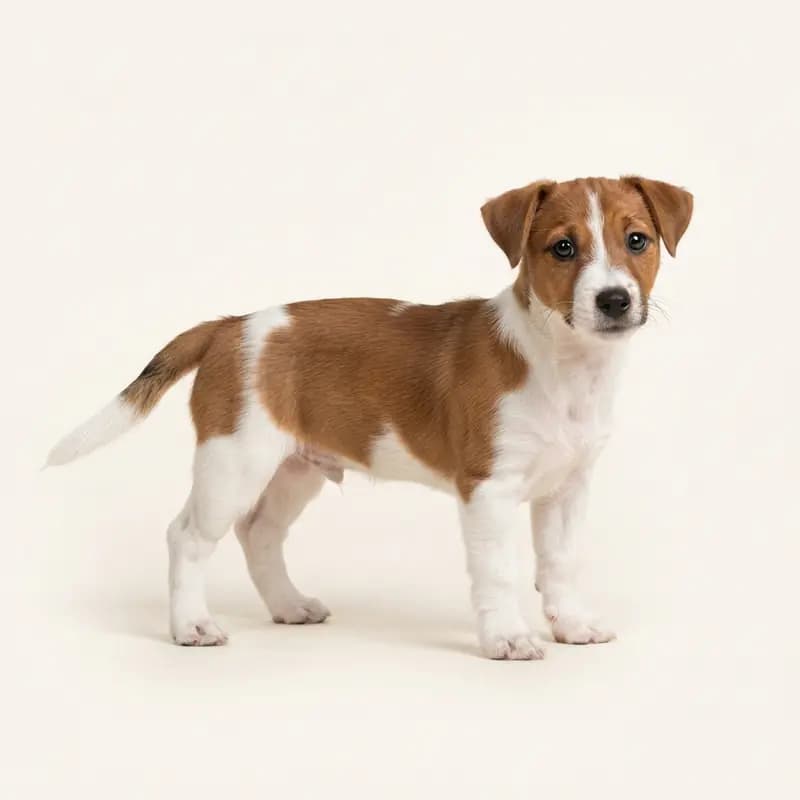
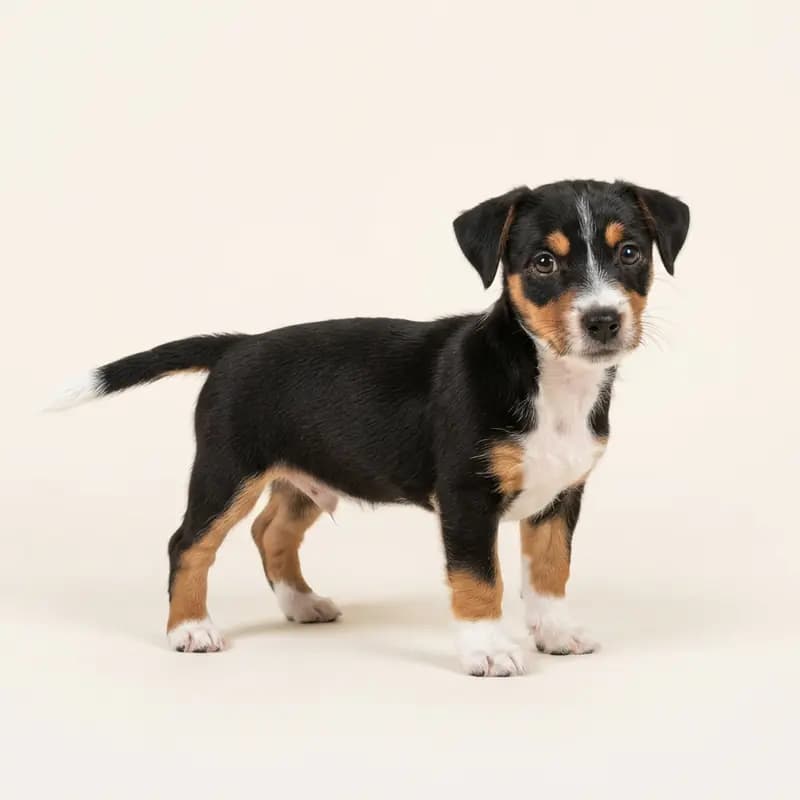
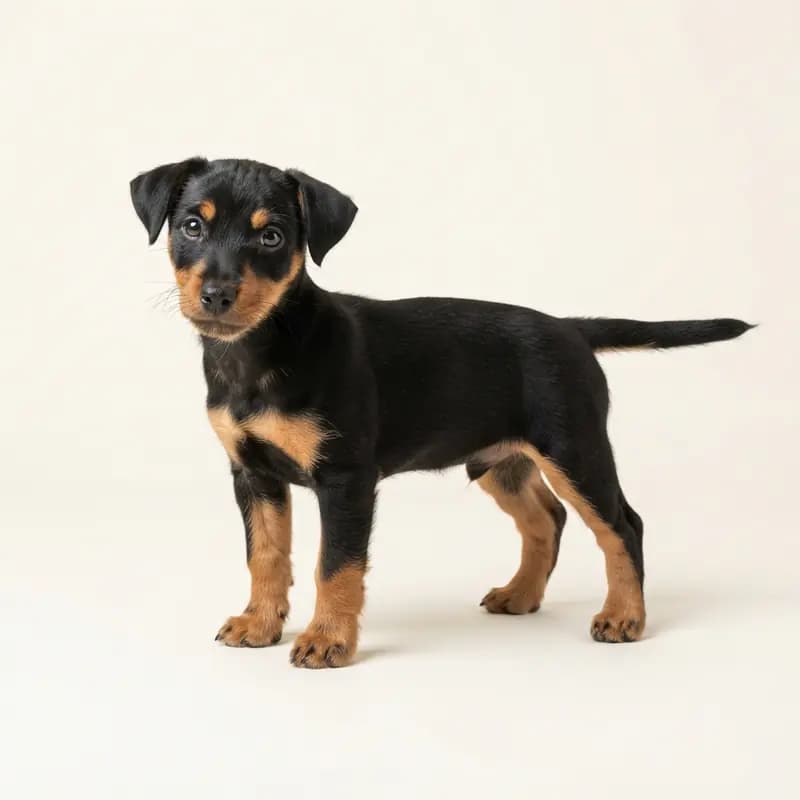
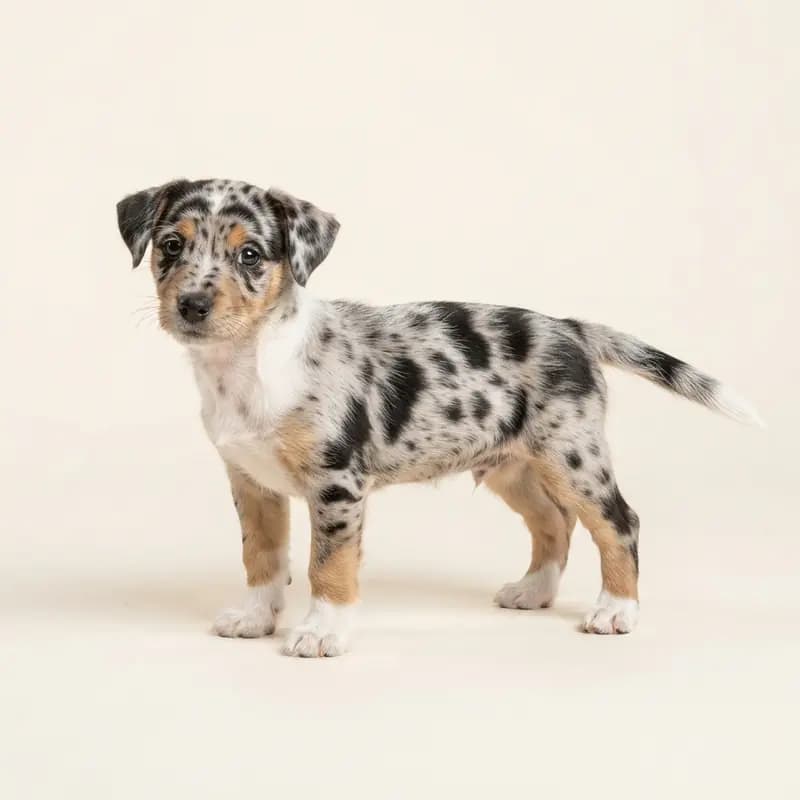
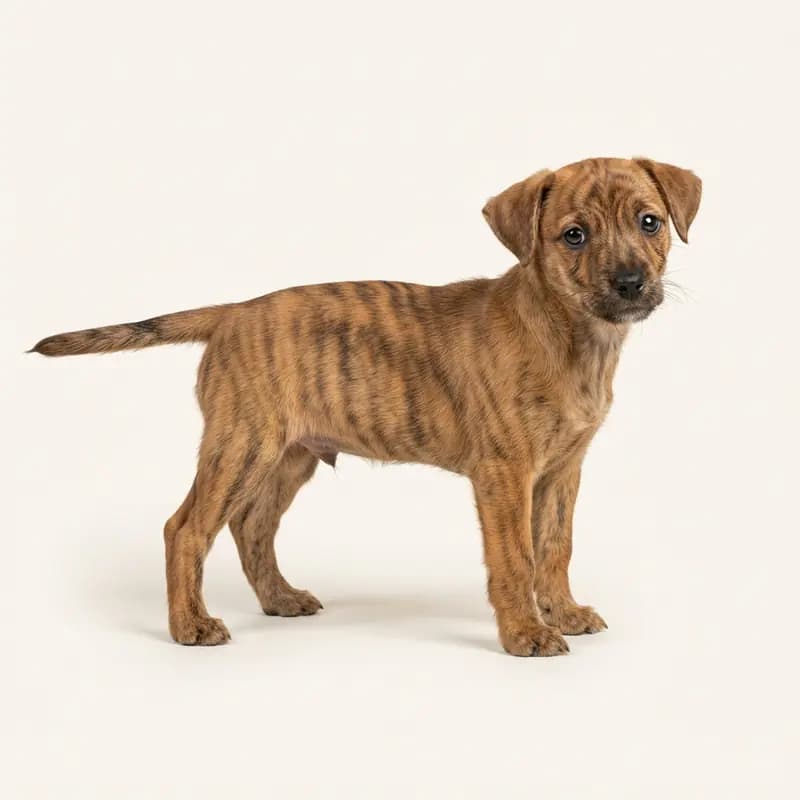
The Jack Russell Terrier comes in these colors: White, Black and white, Brown and white, Tricolor, Black and tan, Chocolate, Blue, Merle, Brindle. Colors that fall outside the breed standard are marked as such on the breed page.
Warum bellt der Hund ständig? Erfahre die häufigsten Ursachen für Bellen und wie du deinem Hund stressfrei Ruhe beibringst.
Caring for a dog in heat: discover cycle stages, duration, behavioral changes, and practical daily tips to guide your female dog smoothly through her cycle.
Which breed is the best family dog? Discover the top 15 family dogs in 2026, comparing size, care, and suitability for kids and beginners.
Showcase your kennel on HonestDog and reach families searching for a responsibly bred Jack Russell Terrier.