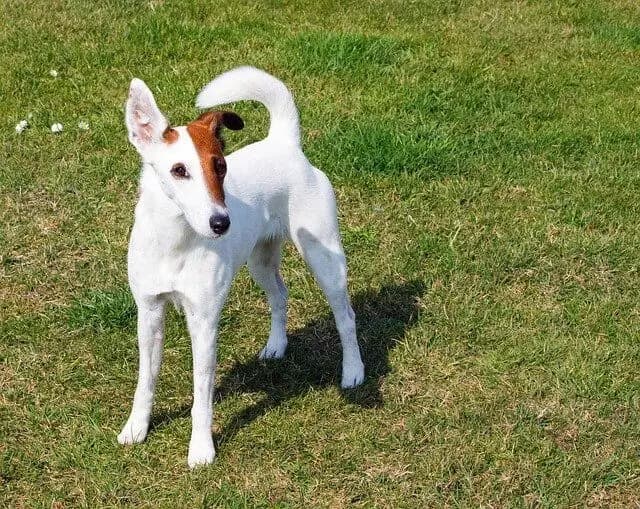
Smooth Fox TerrierClose relative
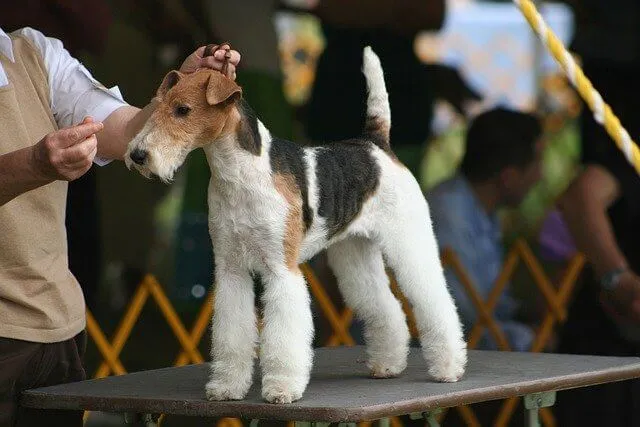
The Wire Fox Terrier is a fearless, high-voltage Erdhund (earth dog)—bred to flush foxes from their dens with a tenacity that knows no compromise. This explosive energy makes him a brilliant, yet often demanding companion.
How the health grade is calculated
Sources for required breeding screenings. Deutscher Foxterrier-Verband e.V. (DFV)
Self-check
Answer 6 quick questions about your everyday life and see how well the Wire Fox Terrier fits you — including an honest cost estimate per month, per year, and across the dog's lifetime.


At a glance
The essentials — key facts, traits, and health priorities — before you dive deeper.
Lifespan
13–15 yrs
Shoulder height
35–39 cm
Weight
6–10 kg
Practical
Temperament
Daily life
What matters most
Especially with a Wire Fox Terrier, choosing the right breeder is the single most important decision you'll make. Serious breeders consistently test the parents for inherited conditions, prioritize healthy early socialization, and stay accountable long after handover. A cheap puppy without health screening tends to become the most expensive dog later on.
See HonestDog breeder standards →Colors & coat
The coat colors that occur in the Wire Fox Terrier — including which ones fall outside the breed standard and which carry genetic risk.
Eye colors
 Brown
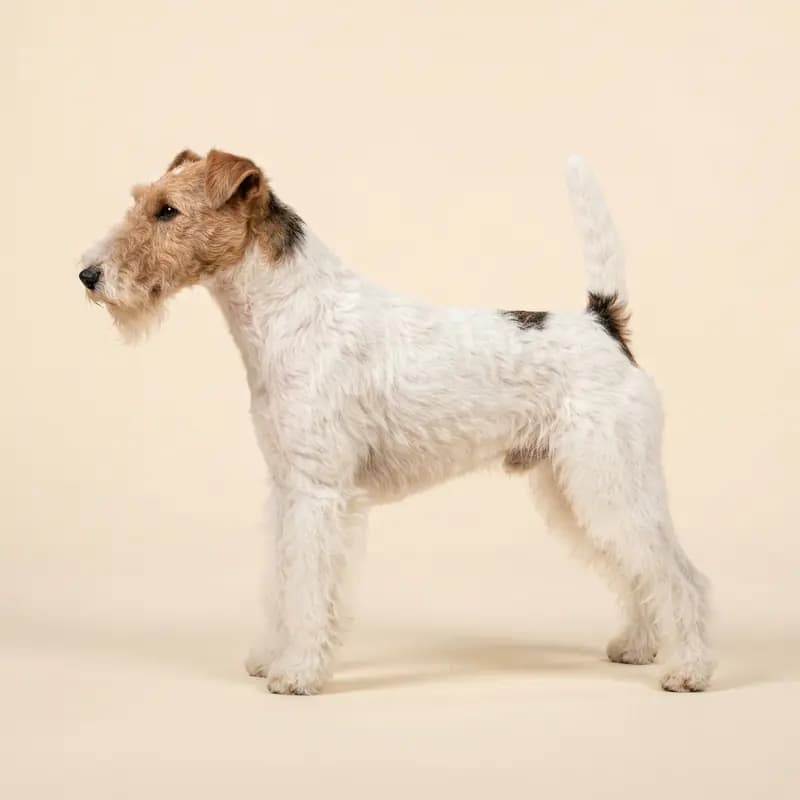
Coat type
 Illustrative image
Wire
 Double coat
 Illustrative image
Medium
The real vibes check
A Fox Terrier is like a tightly coiled steel spring—always ready to snap into action at any moment. What was vital for survival deep in a fox den means that in everyday life, he reacts to movement stimuli extremely quickly and without compromise. If you can channel this raw energy, you will have a tireless optimist; if not, he will mercilessly take charge.
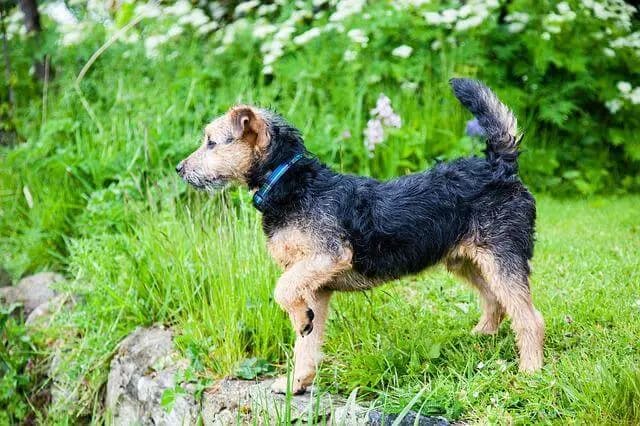
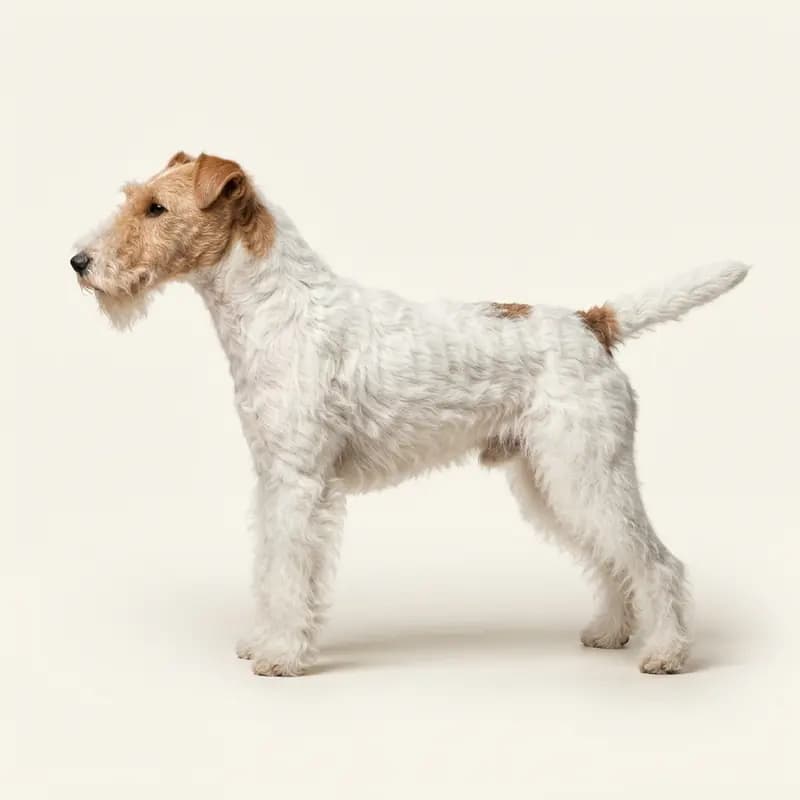
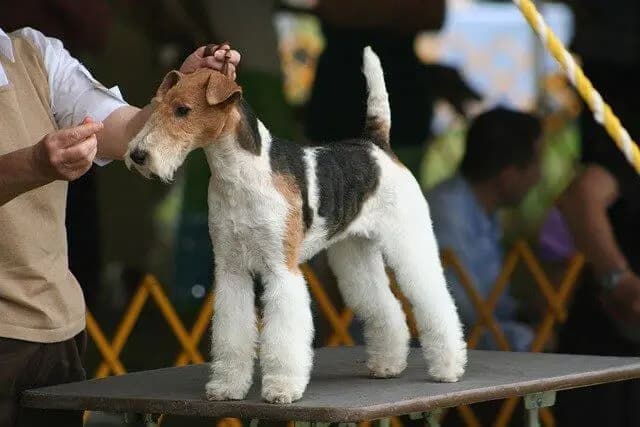
The Fox Terrier (Wirehaired) is a small but robust dog characterized by its slim, rectangular body and typical wiry fur. Its ears are small, V-shaped and fold forward, while its eyes are dark and full of life. The Wirehaired Fox Terrier has a straight, strong backline and a high tail that was traditionally docked, although this is now banned in many countries, including Germany. The Wirehaired Fox Terrier belongs to FCI Group 3, which includes terriers. Within this group it is divided into section 1, the high-legged terriers. These dogs were originally bred to go into fox and badger dens and drive out game, hence their name. There is no distinction between performance and show lines in this breed, although there can always be individual differences in temperament and appearance.
The Fox Terrier (Wirehaired) is a lively and intelligent dog, always ready to go on adventures. He is known for his energy and courage, characteristics that make him an excellent hunting dog. But he is not just a working dog - the Fox Terrier is also a loving family dog that bonds closely with its people. Fox Terriers are very people-oriented and love spending time with their family. They are playful and enjoy a variety of games and activities. But they are also quite independent and can keep themselves entertained if they have enough toys and chews. Staying alone is usually not a problem for a Fox Terrier (Wirehaired Pointer), provided he has been properly accustomed to it. However, this breed can be prone to separation anxiety when left alone for long periods of time, so they should not be left alone too often or for too long. The Fox Terrier (Wirehaired Pointer) has a strong hunting instinct and tends to chase anything that moves. This can range from a ball or a leaf in the wind to smaller animals such as mice and birds. If you live in an area with a lot of wildlife, you will need to secure your yard well to prevent your Fox Terrier (Wirehaired Pointer) from going hunting. When it comes to alertness, Fox Terriers (Wirehaired Pointers) are very alert and vigilant. They will likely warn you of any approaching visitor, whether friend or stranger. But they are not aggressive dogs - they are usually friendly and open towards people as long as they have been properly socialized.
| Watchfulness Reports unusual activity but stays controlled. | Moderate |
| Openness to Strangers Warms up quickly and is generally welcoming. | Friendly |
| Hunting or Herding Drive This drive runs deep — no amount of training eliminates it. | Very strong |
Fun Fact!
Did you know that the Fox Terrier was originally bred to drive foxes out of their dens? Hence its name!
Fox Terriers are considered hunting-motivated, conflict-prone and independent dogs. Type-appropriate employment and education are essential. In addition to the wire-haired version, the Fox Terrier is also available as a smooth-haired version.
The Fox Terrier (Wirehaired Pointer) is an active and energetic dog that needs lots of exercise and mental stimulation. Therefore, he is not necessarily the ideal city dog unless you are willing and able to provide him with enough exercise and activity. A house with a large, safe garden where he can run around freely would be ideal for him. However, he can still live in an apartment if he gets enough exercise every day. The Fox Terrier (wirehaired coat) is generally very good with children. He is a playful and patient dog who gets along well with older children. With smaller children, a supervisor should always be present to ensure that neither the dog nor the child is accidentally injured. Other pets can be challenging for a Fox Terrier (Wirehaired Pointer), especially because of his strong hunting instincts. He can learn to get along with cats and other pets if he is introduced to them from an early age, but it is always better to exercise caution.
Loves family life and thrives in a group.
Gets on well with children — with adult supervision.
Actively enjoys the company of other dogs.
City-appropriate with enough exercise and stimulation.
Owning a dog is a privilege, but it's also a real responsibility. Before you bring one into your life, be honest with yourself about the commitment it takes.
As with any dog breed, training the Fox Terrier (wirehaired) is of great importance. He is a smart and willing to learn dog that can be trained well with the right motivation and positive reinforcement. When training, it is important to take into account the hunting instinct of the Fox Terrier (wirehaired). He will always have a strong hunting and digging instinct, and these characteristics cannot be completely suppressed. Therefore, education should aim to control these urges and, if necessary, offer alternatives. A useful training for a Fox Terrier (wirehaired dog), for example, could be nose work. This is where the dog learns to use its nose to identify and track certain smells. This can be a very satisfying task for a hunting dog like the Fox Terrier and helps channel their mental and physical energy in a positive way. Additionally, Fox Terriers (Wirehaired) are known for their high energy and endurance, so dog sports could also be a good option for this breed. Activities like agility, flyball or canicross can be fun and challenge the dog both physically and mentally. When training a Fox Terrier (Wirehaired Pointer), it is also important to pay attention to his frustration tolerance and impulse control. These dogs can sometimes be quite stubborn and independent, so it is important to teach them to be patient and control their impulses.
The Fox Terrier's (wirehaired) diet should be balanced and high quality. Like all dogs, the Fox Terrier needs proteins, fats, carbohydrates, vitamins and minerals in its diet. Fresh meat should make up a large part of the diet, supplemented by vegetables, fruits and high-quality carbohydrate sources such as sweet potatoes or rice. In general, the diet should be tailored to the dog's specific needs, such as its age, weight, activity level and health status. Regarding the fur The Fox Terrier (wirehaired) is quite easy to care for. Its wiry coat has a dense undercoat and should be brushed regularly to remove dead hair and prevent skin problems. In general, the Fox Terrier (wirehaired) does not shed heavily, but shedding may increase during the spring and fall shedding seasons. Thanks to its dense undercoat, it copes well with the climate in Germany, both in winter and summer.
| Care Level Regular brushing and occasional professional grooming. | Moderate |
| Exercise Needs Needs several hours of serious exercise every day. | Very active |
| Shedding No or minimal hair loss — suitable for allergy sufferers. | No shedding |
| Trainability Willing to learn with clear rules and regular training. | Balanced |
Our experts are still reviewing this information. Spotted something wrong? Email us at info@honestdog.de.
Solid
Health grade
In the Fox Terrier (Wire), Van den Ende-Gupta syndrome (VDEGS) and patellar luxation (PL) play a central role, accompanied by the risk of deformities and dental malformations. The Deutscher Foxterrier-Verband e.V. (DFV) mandates testing for Van den Ende-Gupta syndrome (VDEGS) as well as examination for patellar luxation (PL) for breeding approval. A responsible breeder also ensures the exclusion of deformities and dental malformations and ideally has heart disease screened as well. Before buying a puppy, ask to see the written certificates: Both parents must have patellar luxation (PL) grade 0–1, and regarding Van den Ende-Gupta syndrome (VDEGS), carriers may only be mated with a demonstrably clear partner.
Grade is relative to other breeds — AI-assisted and editorially reviewed.
Methodology and data: HonestDog Dog Breed Health Report 2026
What matters most for this breed
Tap any item to see details.
To keep your dog fit for a long time, you should ensure he stays lean, protect his joints, and have any changes in his eyes or hearing checked by a vet early on.
Responsible breeders mandatorily test in advance for Van den Ende-Gupta syndrome (VDEGS) and patellar luxation (PL), and check their dogs for malformations as well as dental anomalies.
Note: This health overview is AI-assisted and editorially reviewed. It is for orientation only and does not replace veterinary advice.
What matters most for this breed — what's common, how much it affects the dog's life, and how to protect yourself as a buyer.
Tap a body region to see the inherited conditions linked to it.
The three most important risks
Pick a region on the map to explore other areas.
Tier 1 is the core standard: the tests Deutscher Foxterrier-Verband e.V. (DFV) requires, plus further tests from the recommended health standard for this breed. Tiers 2 and 3 show how responsible breeders go beyond.
Core standard. Tests marked “Club standard” are required by Deutscher Foxterrier-Verband e.V. (DFV) for breeding approval; the others are part of the recommended health standard for this breed. Ask any reputable breeder for the results.
No entries in this tier.
Note: This health overview is AI-assisted and editorially reviewed. It is for orientation only and does not replace veterinary advice.
A Wire Fox Terrier costs around ~€170 per month (€90 – €310, depending on your setup). The first year adds up to roughly ~€4,670 including purchase, equipment and puppy school; across the dog's life (14 years) it comes to about ~€30,600.
With surgery cover, running costs come to about ~€160 per month — in return, your share of a major operation drops from several thousand euros to around 20 percent.
Per month
~€170
In the first year
~€4,670
Across the dog's life
~€30,600
Estimated purchase price from a breeder: €1,200 – €2,500
Estimate at a mid-range setup (suburban, dry food, 1–2 hours of daily exercise), average German prices, as of July 2026.
HonestDog Concierge
We currently have no breeders for this breed who have passed our verification. Create your short buyer profile: we'll set up your search alert, review a possible source and email you within 28 days.
 Illustrative imageIllustrative image
 Illustrative image
 Illustrative image
The Fox Terrier's exact origins are unknown, but it is believed to have originated from a mix of various British Terrier breeds, including the now extinct English Terrier and the Bull Terrier. Its origins lie in Great Britain in the 19th century, where it was used as a fox hunting dog. The Wirehaired Fox Terrier was first recognized as a separate breed by the Kennel Club in Great Britain in 1876, and the first breed was established in 1879. The first Fox Terriers were probably smooth-coated, but over time a wiry variant was developed to better protect the dog from the fox's sharp claws and teeth. The Wirehaired Fox Terrier was later recognized as a separate breed, but the two variants still share many similarities in appearance and temperament.
The Wirehaired Fox Terrier was bred to hunt foxes and is known for its determination and endurance.
Great Britain
1800
In everyday family life, owners describe the Wire Fox Terrier as a very lively, cheerful, and people-oriented companion. Its energy seems nearly endless: it loves doing things together, actively demands games, and attaches itself very closely to its people. It usually does well with children in the household, provided there are clear rules and interactions are supervised, since its boisterous temperament can otherwise easily knock over the little ones.
At the same time, experienced owners point out that the breed is not a dog for couch potatoes or a companion that just tags along. Without enough mental and physical exercise, the Fox Terrier tends toward restlessness, excessive guarding at the fence, or creative destruction indoors. Walks often call for caution, too: because of its original sharpness and strong self-confidence, it quickly gets into conflicts when meeting other dogs and doesn't like being pushed around by them.
Sources:petbook.detierforum.de
In forum posts on training, many owners stress the fine line between intelligence and a strong independent streak. Bred as a passionate solo hunter, the Wire Fox Terrier likes to question the point of commands and almost always responds to harshness or too much pressure with stubborn pushback. Training works best with humor, patience, consistent leadership, and lots of positive motivation, whether through prey games or food.
Hunting drive is and remains the biggest training project. Many owners report that reliable off-leash time in wooded areas with lots of game takes a great deal of impulse control and years of training; some dogs have to stay on a long line for life. Working lines versus show lines also come up often: if you want a Wire Fox Terrier purely as a family companion, you should definitely look into the bloodline, since dogs from hunting working lines are barely controllable for novices.
Sources:petbook.de
In owner circles, the Wire Fox Terrier is considered a very robust, weatherproof, and long-lived dog that often stays agile into old age. Breed-specific diseases play a fairly minor role compared with many fashionable breeds, although responsible owners and breeders point to eye problems (such as lens luxation) and occasional skeletal and joint conditions.
By far the most space in owner accounts goes to coat care, though. Owners repeatedly point out that the dense, wiry coat must never be cut with clippers, since it then turns soft, curly, and faded and loses its weather protection. Instead, the dog needs professional hand-stripping about every three to four months. Anyone who doesn't want to learn this themselves, or has no suitable stripping groomer nearby, often seriously underestimates the ongoing costs and grooming effort of this breed.
Sources:petbook.dezoomalia.de
Paraphrased from real owner reports · translated from German
The Wire Fox Terrier is an active dog that needs plenty of exercise and mental stimulation. Research the temperament, grooming needs, and space requirements before deciding.
The average life expectancy of a Wire Fox Terrier is 13-15 years. With proper care and regular vet visits, your dog can live a long, healthy life.
Wire Fox Terrier grooming requirements include regular brushing, nail trimming, and dental care. HonestDog provides detailed grooming tips for every breed.
The Wire Fox Terrier can be a great family dog. Proper training and socialization are key. HonestDog provides family suitability information for every breed.
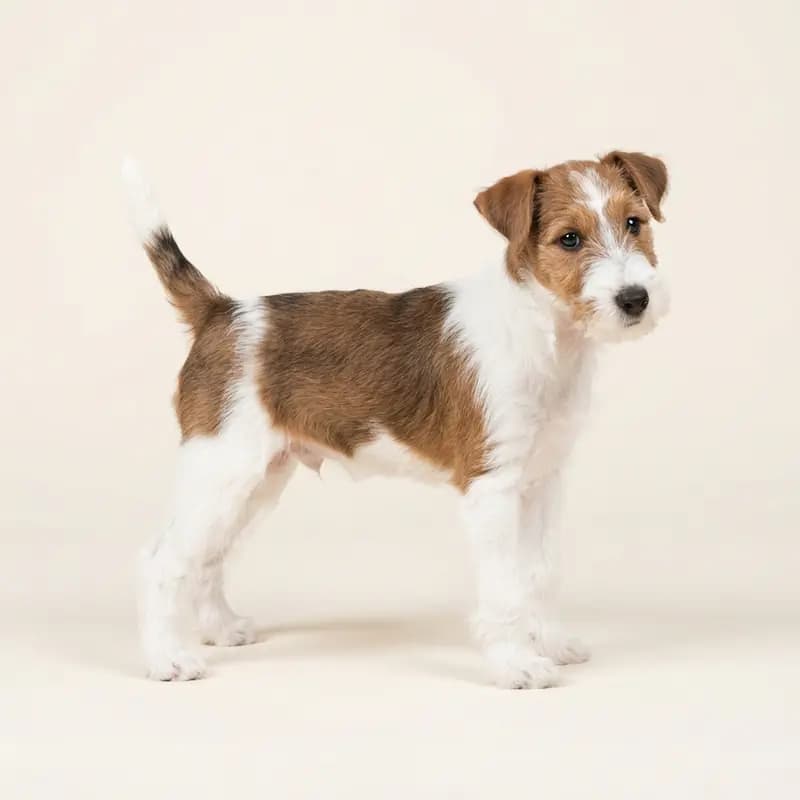
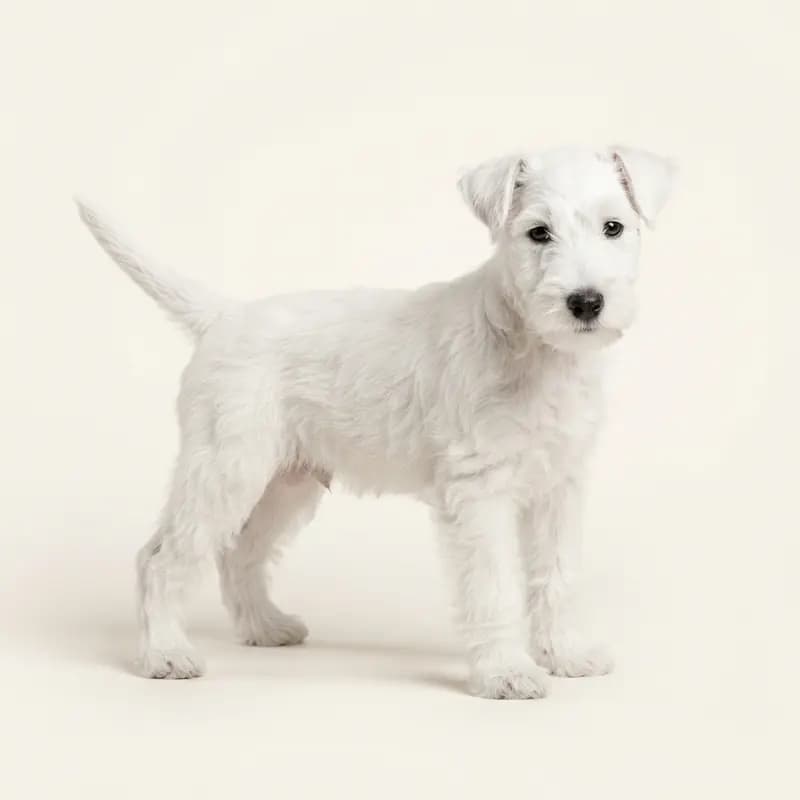
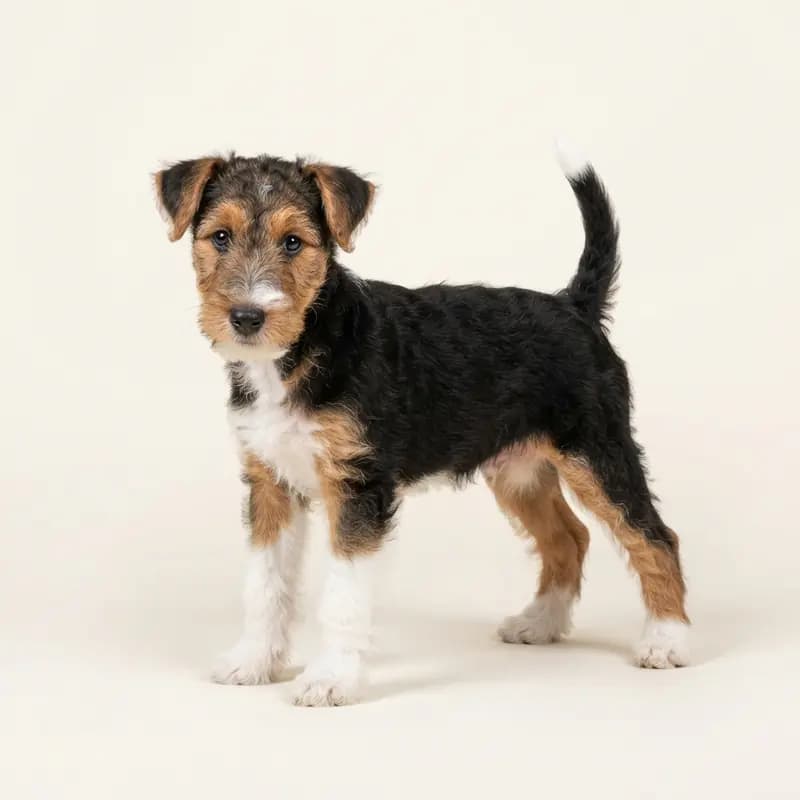
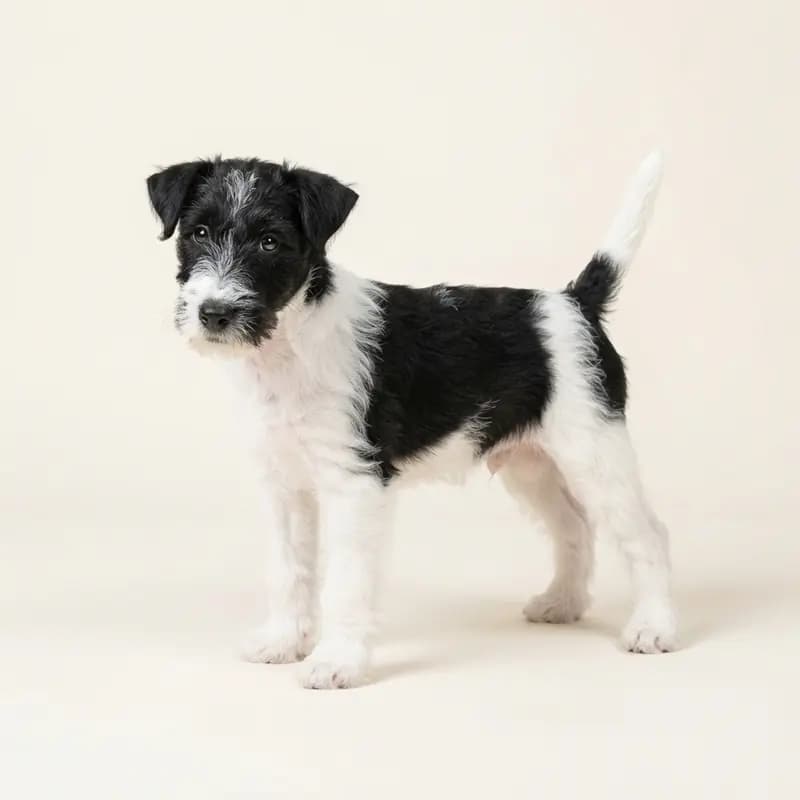
The Wire Fox Terrier comes in these colors: Tricolor, Black and white, Brown and white, White.
Showcase your kennel on HonestDog and reach families searching for a responsibly bred Wire Fox Terrier.