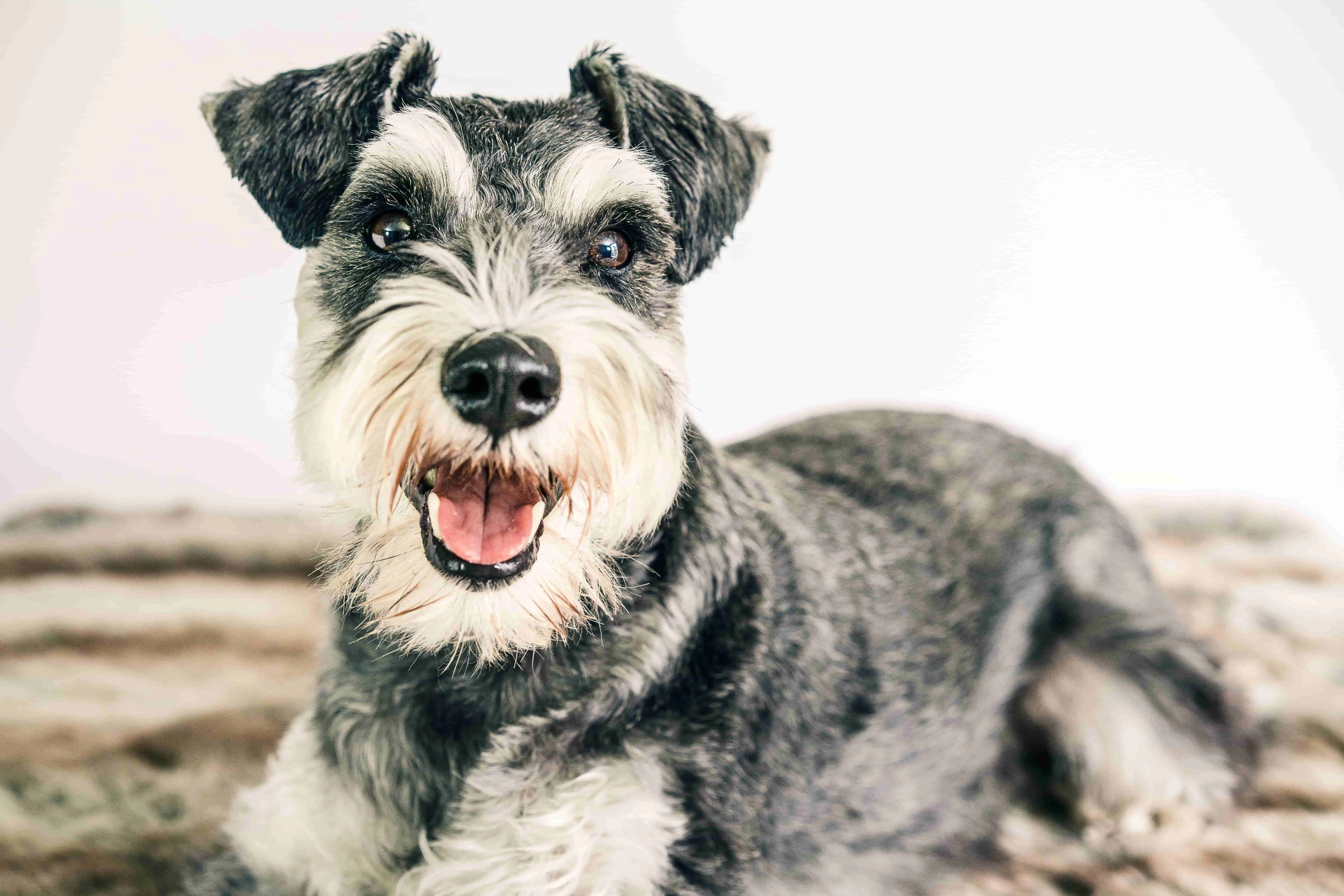
Miniature Schnauzer
Same FCI section

Dogs love cookies, and so do we
Cookies for analytics and ads. Privacy
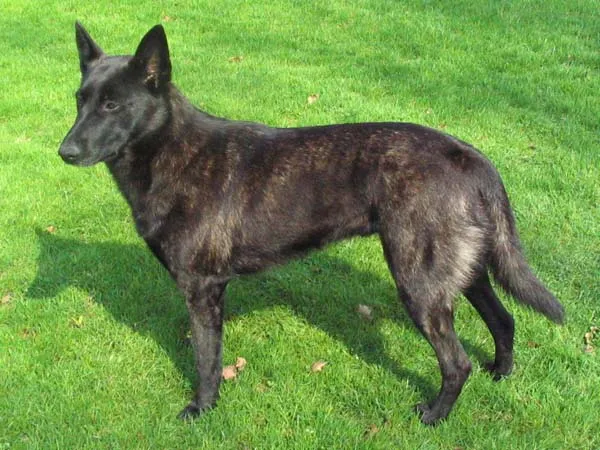
The Hollandse Smoushond is a cheerful, easygoing companion—bred as a sturdy stable dog and ratter that accompanied horse-drawn carriages and kept farms free of mice. Today, this shaggy Dutchman is an adaptable family dog, though one that still reacts lightning-fast to movement.
How the health grade is calculated
Sources for required breeding screenings. Hollandse Smoushonden Club (HSC)
Self-check
Answer 6 quick questions about your everyday life and see how well the Dutch Smoushond fits you — including an honest cost estimate per month, per year, and across the dog's lifetime.
Question 1 of 6
Count honestly — the normal day, not the best one.




At a glance
The essentials — key facts, traits, and health priorities — before you dive deeper.
Lifespan
12–15 yrs
Shoulder height
35–42 cm
Weight
9–10 kg
Practical
Temperament
Daily life
What matters most
Especially with a Dutch Smoushond, choosing the right breeder is the single most important decision you'll make. Serious breeders consistently test the parents for inherited conditions, prioritize healthy early socialization, and stay accountable long after handover. A cheap puppy without health screening tends to become the most expensive dog later on.
See HonestDog breeder standards →Colors & coat
The coat colors that occur in the Dutch Smoushond — including which ones fall outside the breed standard and which carry genetic risk.
Eye colors
 Brown
Coat type
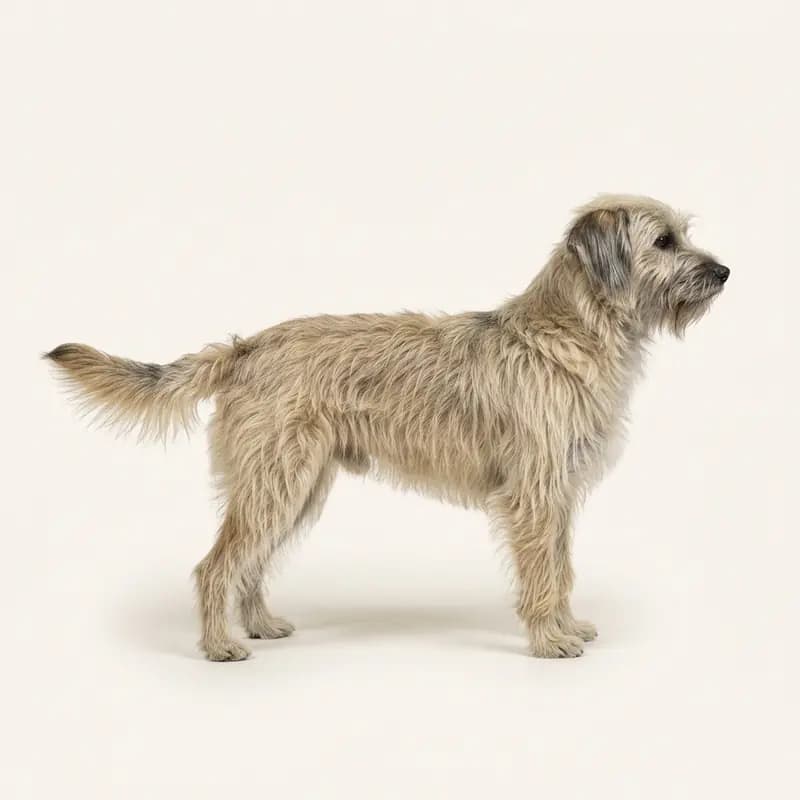 Illustrative image
Medium
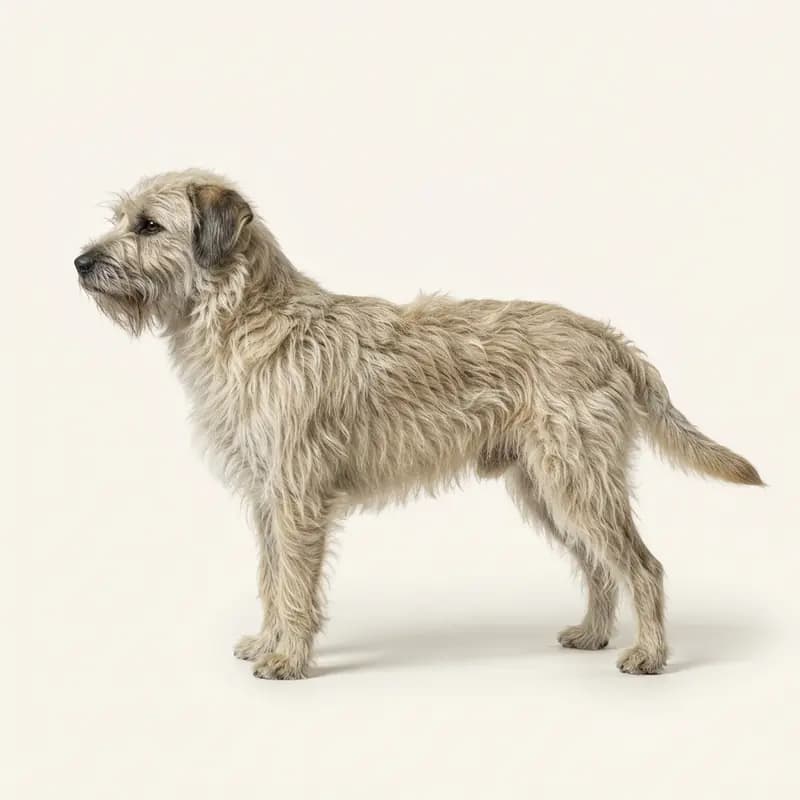 Illustrative image
Wire
 Double coat
The real vibes check
The Smoushond looks like a cozy, scruffy teddy bear, but the heart of a lightning-fast stable dog beats within him. He isn't a dog that sleeps in the corner all day, but rather an attentive colleague who wants to know who is coming, who is going, and if a mouse is rustling somewhere. You get an easygoing clown who is up for any fun—as long as he can experience it together with you.
The Dutch Smoushond is a small, sturdy dog breed from the Netherlands, originally bred as a guard and companion dog. It belongs to the FCI group 2, section 1, the Pinschers and Schnauzers. Its striking appearance is characterized by a wiry, weather-resistant coat, a distinctive beard, and bushy eyebrows, giving it a lively and friendly expression. The body is compact and muscular, providing agility and endurance. The Dutch Smoushond is known for its lively, intelligent, and affectionate nature, making it an excellent family and companion dog. Despite its small size, it shows great courage and vigilance, making it a reliable watchdog. Within the breed, there are no distinct lines, but temperament varies depending on training and socialization.
The Dutch Smoushond is a lively and friendly companion dog with a strong family connection. It is characterized by its cheerful and curious nature, making it a pleasant companion for both young and old. Despite its compact size, it has a robust nature and shows remarkable endurance. This dog is intelligent and eager to learn, which makes training easier, but it requires consistent and loving guidance. It loves to be kept busy, whether through search games, retrieving, or other mental challenges. Due to its original use as a guard and farm dog, it shows a natural distrust of strangers without being aggressive, making it well suited as a watchdog. The Dutch Smoushond needs regular exercise and mental stimulation to remain balanced. If under-challenged, it can become restless or stubborn. Its pronounced hunting instinct is moderate and can be well controlled with early training. Overall, the Dutch Smoushond is a loyal, lively, and adaptable dog that finds its ideal home in an active family.
| Watchfulness Reports unusual activity but stays controlled. | Moderate |
| Openness to Strangers Warms up quickly and is generally welcoming. | Friendly |
| Hunting or Herding Drive Noticeable drive — needs attention around small animals. | Moderate |
Fun Fact!
The Dutch Smoushond is a real whirlwind with shaggy fur that makes him look almost like a small, cheerful whirlwind. Originally bred as a guard and carriage dog, today he mainly has one thing in mind: to delight his family with tireless energy and a loyal nature.
The Dutch Smoushond is a lively and friendly companion dog. It is characterized by its alertness and affection. These dogs are intelligent and eager to learn but require consistent training. The Smoushond is well suited as a family dog and loves to be actively engaged. Its wiry coat also protects it in bad weather.
Dutch Smoushonds are lively and friendly companions that integrate well into families. They are very affectionate and enjoy being close to their people, which is why they do not like long periods of loneliness. Despite their compact size, they are active and require regular exercise as well as mental stimulation to remain balanced. When dealing with children, they are usually patient and playful, although a gentle introduction is advisable with small children. Socialization with other dogs and pets generally goes well if it occurs early. Due to their watchful nature, they are also good guard dogs without being aggressive. Overall, Dutch Smoushonds are adaptable, intelligent, and loving family dogs that can be happy both in houses with gardens and in apartments, provided they receive enough exercise and attention.
Loves family life and thrives in a group.
Takes boisterous and affectionate children in its stride.
Actively enjoys the company of other dogs.
Adapts well to city living and urban environments.
Owning a dog is a privilege, but it's also a real responsibility. Before you bring one into your life, be honest with yourself about the commitment it takes.
The Dutch Smoushond is an intelligent and eager-to-learn companion who enjoys being challenged. Its training should be varied and positive to encourage its natural curiosity and willingness to work. Similar to the Labrador, the Smoushond benefits from meaningful activities that provide both mental and physical exercise. Fetch games, search tasks, or light agility exercises are well suited to motivate it without overwhelming it. Compared to the German Shepherd, the Smoushond is somewhat more sensitive and therefore requires particularly empathetic and patient training. Frustration tolerance should be developed early so that it remains calm and focused even in challenging situations. Consistent but loving upbringing is important to avoid unwanted behavior and to create a trusting bond. Socialization from an early age is essential, as the Smoushond can sometimes be reserved towards strangers. Through positive reinforcement and regular training sessions, it becomes a balanced and reliable partner who integrates well into family life. Overall, the Dutch Smoushond requires a moderate amount of time and commitment in training. Those willing to work with it consistently and lovingly will gain an attentive, versatile, and loyal companion.
The Dutch Smoushond is a lively and friendly companion that requires a balanced diet to stay healthy and fit. High-quality dog food with a good proportion of proteins and all essential nutrients is ideal. Be careful to avoid overweight, as the Smoushond can tend to gain weight despite its active nature. The coat of the Dutch Smoushond is wiry and weather-resistant, with a dense undercoat that protects it well from the cold. Regular brushing, about 1-2 times a week, helps keep the coat clean and free of tangles. Especially during the shedding seasons in spring and autumn, more intensive brushing is recommended to remove loose hairs. The Smoushond adapts well to the Central European climate. Its coat protects it from the cold, but in very hot weather, sufficient shade and water should be provided to prevent overheating. Regular exercise and mental stimulation are important to promote the active and intelligent character of the dog.
| Care Level Regular brushing and occasional professional grooming. | Moderate |
| Exercise Needs Needs 1–2 hours of real exercise daily. | Active |
| Shedding Regular shedding — dog hair on clothes is now normal. | Moderate |
| Trainability Willing to learn with clear rules and regular training. | Balanced |
Our experts are still reviewing this information. Spotted something wrong? Email us at info@honestdog.de.
Solid
Health grade
In the Dutch Smoushond, there are breed-specific risks for patellar luxation (PL) as well as eye diseases such as cataracts and progressive retinal atrophy. For breeding approval in the Hollandse Smoushonden Club (HSC), proof of kneecap stability with a result of PL 0 is mandatory. A responsible breeder also has the parent animals examined for cataracts and additionally tests for hip dysplasia (HD) as well as distichiasis. Before buying a puppy, have the written results presented to you proving that the parent animals are free of eye diseases and have hip scores of at most HD A–B.
Grade is relative to other breeds — AI-assisted and editorially reviewed.
Methodology and data: HonestDog Dog Breed Health Report 2026
What matters most for this breed
Tap any item to see details.
You should pay attention to a healthy weight and joint-friendly exercise to relieve the knees, and plan for regular veterinary eye check-ups.
Responsible breeders are required to demonstrate PL 0 via the Hollandse Smoushonden Club (HSC) and additionally have the eyes examined for cataracts and progressive retinal atrophy.
Note: This health overview is AI-assisted and editorially reviewed. It is for orientation only and does not replace veterinary advice.
What matters most for this breed — what's common, how much it affects the dog's life, and how to protect yourself as a buyer.
Tap a body region to see the inherited conditions linked to it.
The three most important risks
Pick a region on the map to explore other areas.
Tier 1 is the core standard: the tests Hollandse Smoushonden Club (HSC) requires, plus further tests from the recommended health standard for this breed. Tiers 2 and 3 show how responsible breeders go beyond.
Core standard. Tests marked “Club standard” are required by Hollandse Smoushonden Club (HSC) for breeding approval; the others are part of the recommended health standard for this breed. Ask any reputable breeder for the results.
No entries in this tier.
Note: This health overview is AI-assisted and editorially reviewed. It is for orientation only and does not replace veterinary advice.
A Dutch Smoushond costs around ~€170 per month (€90 – €310, depending on your setup). The first year adds up to roughly ~€5,010 including purchase, equipment and puppy school; across the dog's life (13.5 years) it comes to about ~€30,410.
With surgery cover, running costs come to about ~€160 per month — in return, your share of a major operation drops from several thousand euros to around 20 percent.
Per month
~€170
In the first year
~€5,010
Across the dog's life
~€30,410
Estimated purchase price from a breeder: €1,800 – €2,500
Estimate at a mid-range setup (suburban, dry food, 1–2 hours of daily exercise), average German prices, as of July 2026.
HonestDog Concierge
We currently have no breeders for this breed who have passed our verification. Create your short buyer profile: we'll set up your search alert, review a possible source and email you within 28 days.
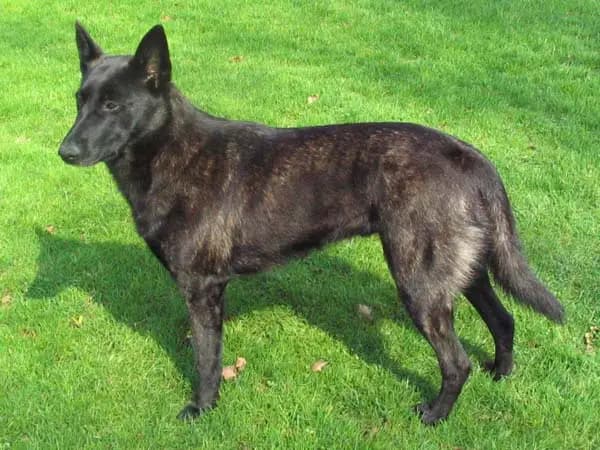 Illustrative imageIllustrative image
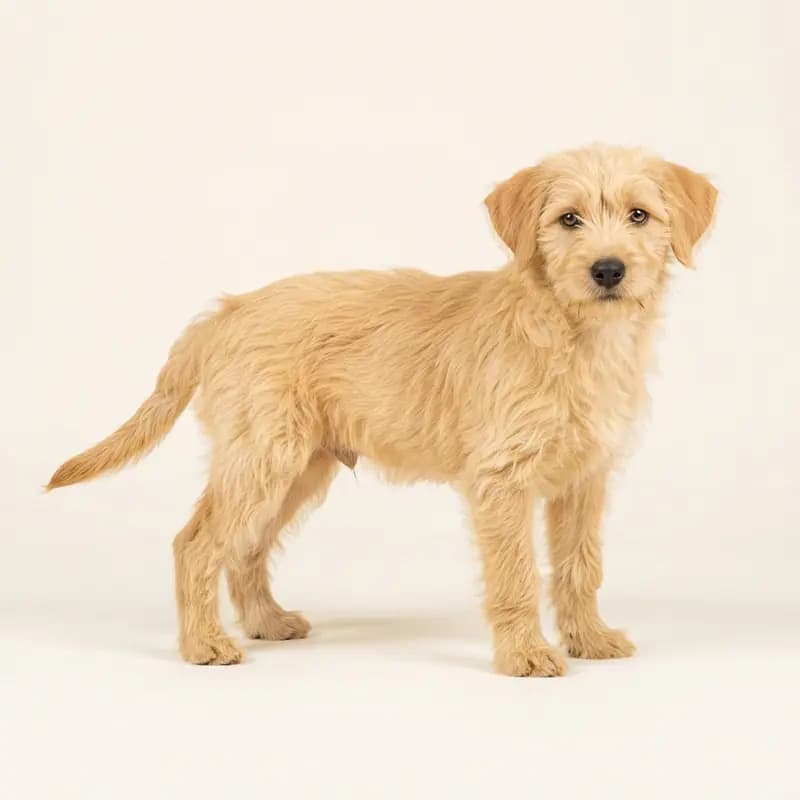 Illustrative image
The history of the Dutch Smoushond begins in the 19th century in the Netherlands. Originally, the breed was bred as a small, sturdy companion for coachmen and carters to hunt rats and other pests in stables and on the streets. The Smoushond is characterized by its wiry coat and lively character. Over time, the breed was almost forgotten, but in the 20th century, breeders committed to its preservation. Today, the Dutch Smoushond is a popular family and companion dog, appreciated for its friendliness and alertness.
The Dutch Smoushund was originally used as a stable dog and rat catcher in the Netherlands.
Netherlands
1800
Many owners value the Dutch "Smousje" as a very loyal, adaptable, and cuddly family companion. Indoors it's described as pleasantly calm and uncomplicated, as long as it gets enough exercise outside. Because it was originally a stable and farm dog, it's naturally alert: it likes to announce noises or visitors by barking, without being aggressive for no reason.
At the same time, owner accounts highlight a sensitive side. The Smoushond bonds unusually strongly with its people and loves constant company. Owners often mention being left alone as a training hurdle; it takes early, patient practice, because with longer separations the dog can quickly develop fear of being abandoned or become pushy.
Sources:infohund.dezooroyal.denieuwehond.nlbellos-reich.dehundund.de
On training, experienced owners and trainers stress the breed's notably high intelligence and quick understanding. The Dutch Smoushond learns cues and tricks in no time and works along with great enthusiasm when motivated with positive reinforcement. At the same time, it has the typical cleverness and independence of a Schnauzer or Pinscher relative: if it spots inconsistency, it cleverly turns it to its own advantage.
Outdoors, according to owner accounts, its historical drive to hunt small animals comes out above all. Mice, rats, or other small game immediately get its full attention, so recall has to be built up carefully. Another practical point is coat care: many owners note that the wiry coat needs regular hand-stripping or plucking, since clipping damages the texture; this takes some practice or regular trips to a specialized groomer.
Sources:infohund.dezooroyal.denieuwehond.nlreddit.comhundefunde.de
Health-wise, owners and breed experts paint a largely positive picture. The breed is considered vigorous, long-lived, and not very prone to the typical diseases of fashionable breeds, which is credited to the controlled selection of the Dutch breed club (HSC).
The biggest and most frequently discussed hurdle, however, is availability and the breeding rules. Because the breed is part of a strict re-creation and preservation program, puppies are placed almost exclusively with people inside the Netherlands. Owners have to be prepared for waits of several years and often commit by contract to making their dog available for breeding later on, to protect the small gene pool. Prospective owners from Germany regularly report that it's hardly possible to get a purebred Smoushond through the usual channels.
Paraphrased from real owner reports · translated from German
The Dutch Smoushond is an adaptable dog that adjusts well to various lifestyles. Research the temperament, grooming needs, and space requirements before deciding.
The average life expectancy of a Dutch Smoushond is 12-15 years. With proper care and regular vet visits, your dog can live a long, healthy life.
Dutch Smoushond grooming requirements include regular brushing, nail trimming, and dental care. HonestDog provides detailed grooming tips for every breed.
The Dutch Smoushond can be a great family dog. Proper training and socialization are key. HonestDog provides family suitability information for every breed.
The Dutch Smoushond comes in these colors: Yellow.
Showcase your kennel on HonestDog and reach families searching for a responsibly bred Dutch Smoushond.