Finding a reputable Dutch Smoushond breeder: what to look for
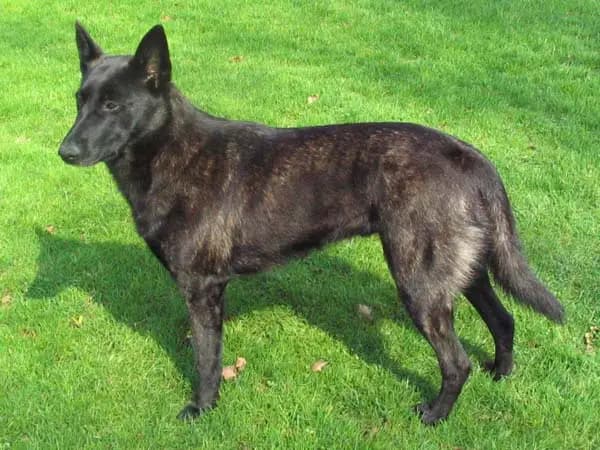
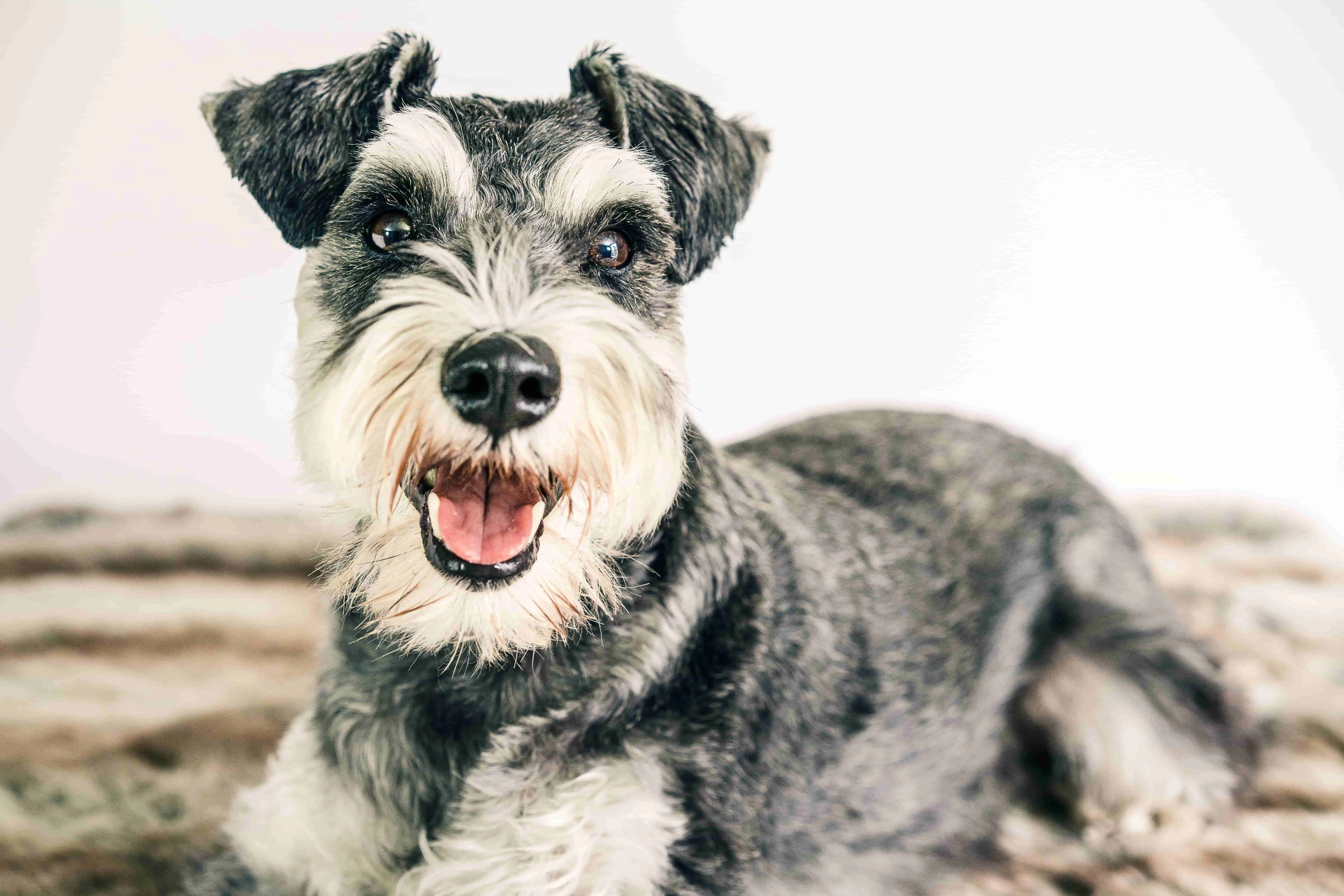
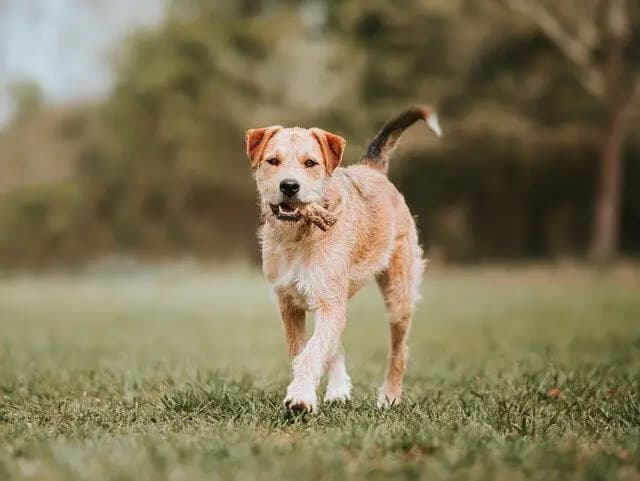
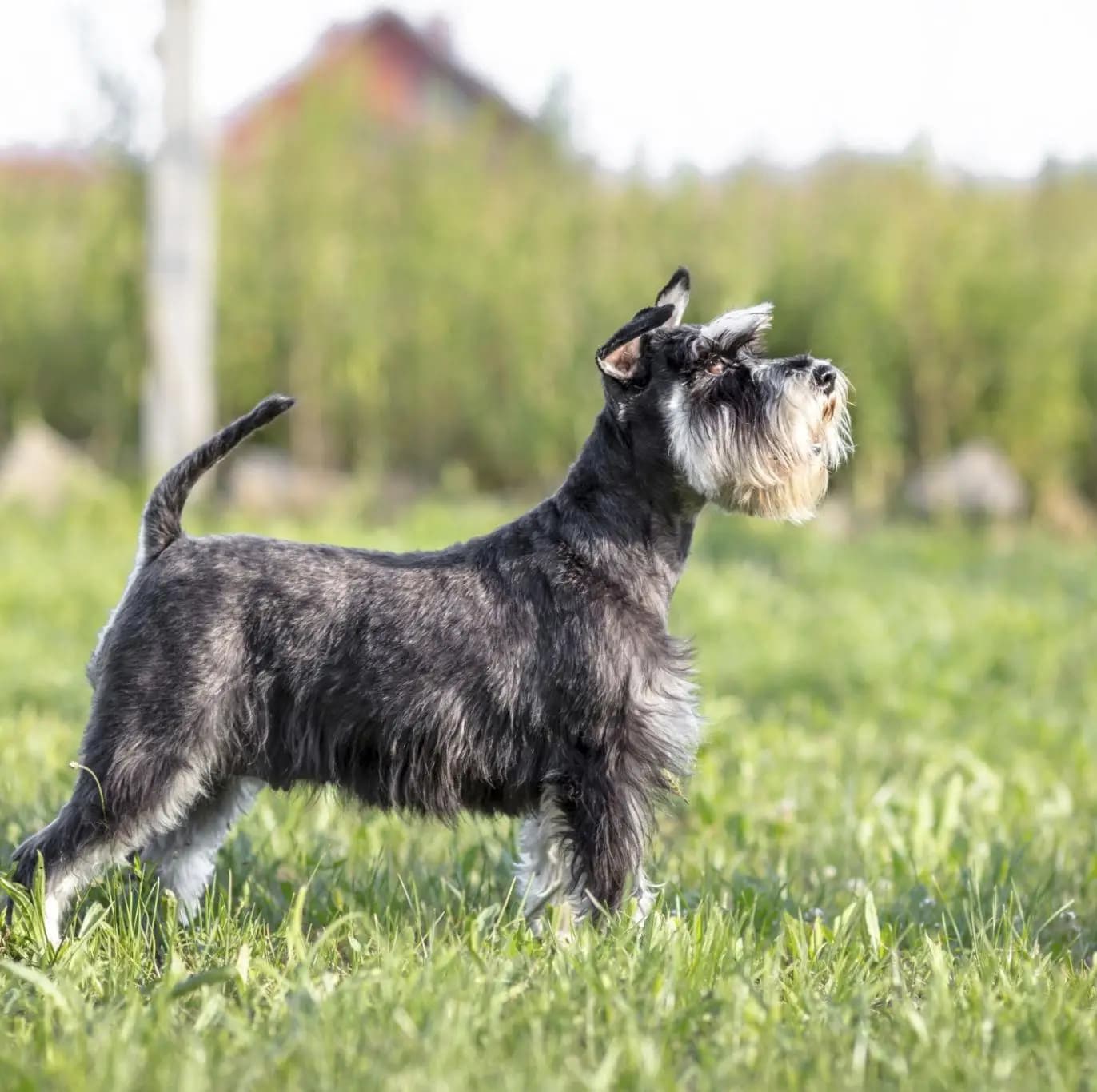
The Dutch Smoushond is a cheerful, curious and tireless companion, originally used in the Netherlands as a hardy stable dog and rat catcher. With its compact size – males reach a height at the withers of 37 to 42 cm and a weight of 9 to 10 kg – and its great affinity with families and children, it fits perfectly into an active daily life. But behind that charming, rough-coated exterior lies a particular breeding challenge: the gene pool of this rare breed is extremely small. That is precisely why choosing a responsible Dutch Smoushond breeder has such a decisive influence on how good the health foundations are for a dog's life of 12 to 15 years.
Why choosing a breeder matters so much with the Dutch Smoushond
In general, the Dutch Smoushond is regarded as a robust breed. However, because of the small population and the extremely small gene pool, hereditary problems can quickly become established in the lines. The breed's typical weak points mainly concern the knee joints and the eyes. A health-focused breeder does not simply pair two dogs that look right together, but plans every litter with the aim of keeping inbreeding as low as possible and genetic diversity as high as possible. Only this kind of targeted selection can reduce the risk of hereditary diseases in the offspring.
Specific health tests and breed-typical risks
A reputable breeder does not rely on appearances alone, but has their breeding dogs examined by veterinary specialists before they are used for breeding. In the country of origin, the Hollandse Smoushonden Club (HSC) prescribes specific examinations, which also serve as a benchmark for you here. Before you buy, ask to see the parents' written results:
- Patellar luxation (PL): In this joint condition, the kneecap slips out of its groove. A clinical palpation examination by a specialist vet shows how stable the parents' knee joints are and lowers the risk for the offspring.
- Cataracts and other eye diseases: In addition to the recommended cataract examination, generalised progressive retinal atrophy (PRA) (progressive degeneration of the retina) and distichiasis (eyelashes growing towards the eye and irritating the cornea) also play a role in the breed. These issues are picked up through regular clinical eye examinations by specialist veterinary ophthalmologists, since any result only ever shows the current status.
- Hip dysplasia (HD): Although the Smoushond is a light dog, HD occurs as a further breed-typical issue. An X-ray examination of the parents' hips helps to minimise the risk of malformation in the puppies.
Even after your dog has moved in, you contribute to keeping it healthy: make sure it stays at a healthy weight and gets joint-friendly exercise to take the strain off your dog's knees, and plan regular veterinary eye checks.
6 questions you should ask the breeder
Targeted questions will quickly show you how transparent and knowledgeable a breeder is. During your first visit or phone call, ask these breed-specific questions:
- What results did the parents achieve in their patellar luxation examination, and may I see the findings?
- When were the parents' most recent eye examinations by a veterinary specialist for cataracts, PRA and distichiasis?
- Are there any known cases of hip dysplasia (HD) in the parents' breeding lines, or were their hips X-rayed?
- What is the inbreeding coefficient of this pairing, and how do you ensure genetic diversity given the small gene pool?
- How do you prepare the lively, intelligent puppies for different stimuli in their environment, children and city life?
- How will you support me later with caring for the rough coat and with consistent, loving training?
Hallmarks of good breeders vs. warning signs of irresponsible breeders
A reputable Dutch Smoushond breeder fully integrates their dogs into family life, keeps waiting lists and asks a fair price for a well-socialised puppy from health-tested parents, usually between 1,800 and 2,500 euros. They will advise you honestly on the breed's moderate energy level and grooming needs.
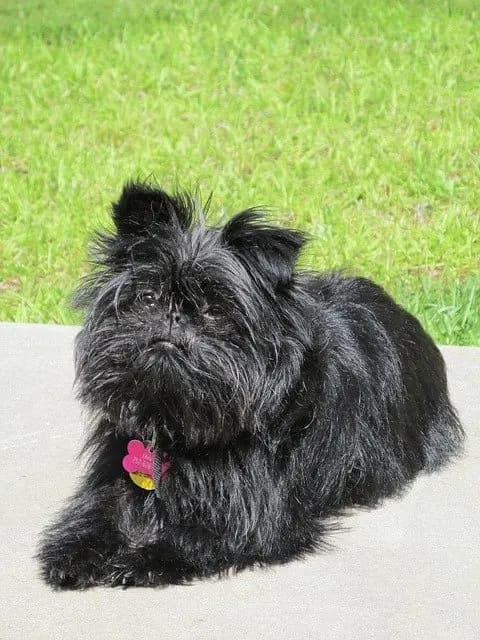
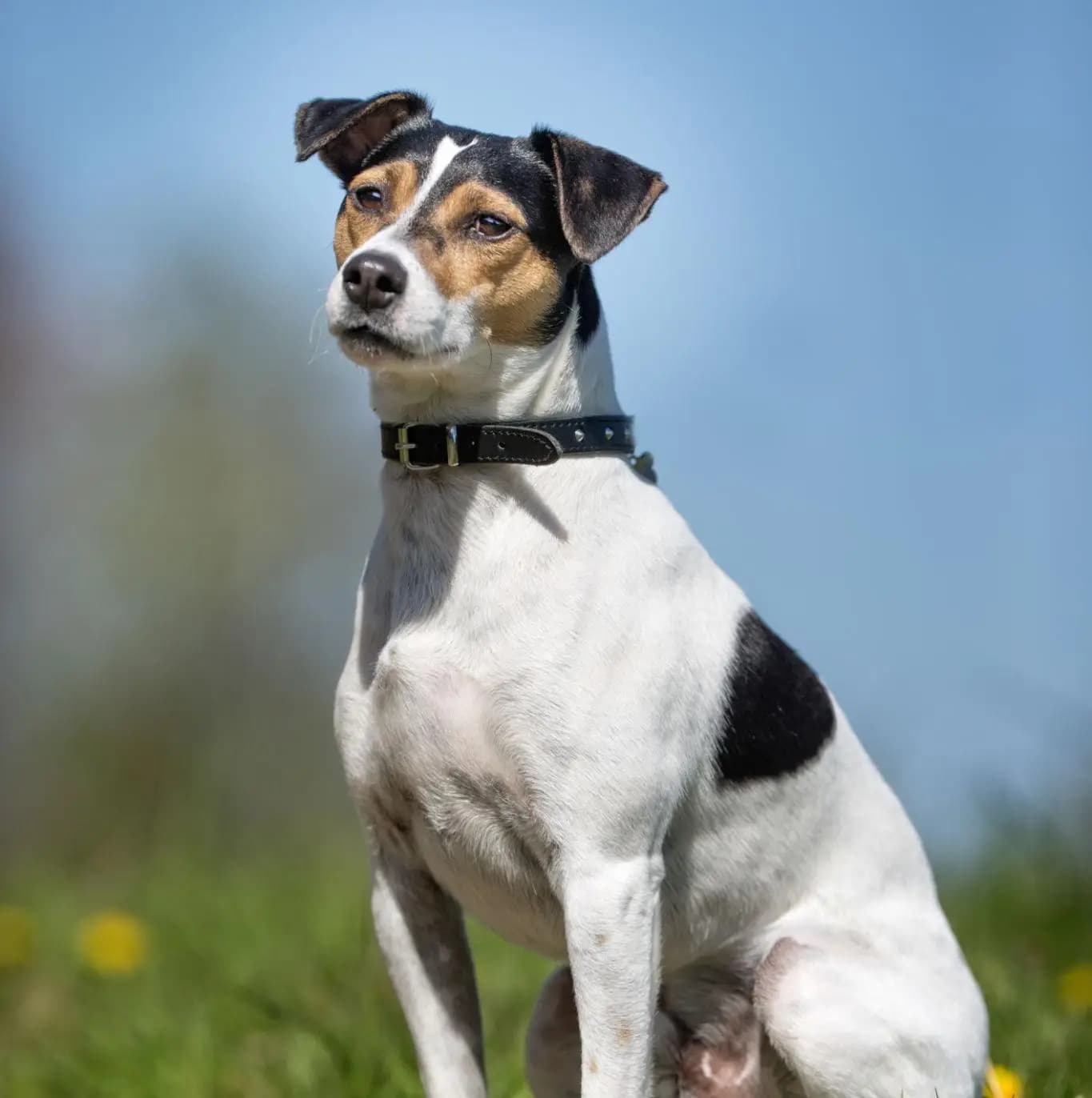
You can recognise irresponsible breeders by clear warning signs: because the Smoushond is rare, similar-looking rough-coated crossbreeds without pedigree papers are often offered at bargain prices as supposedly purebred Smoushonds. Walk away immediately if the seller cannot show current eye and knee results, if the mother is absent when you view the puppies, if puppies can be taken home straight away without you getting to know them first, or if the issue of the narrow gene pool is dismissed as unimportant.
On HonestDog, every breeder goes through a registration process before being activated: identity verification by ID and selfie, proof of club membership or a §11 permit where applicable, a knowledge test on breeding and animal welfare, and agreement to the HonestDog breeding standards – including no breeding with traits associated with extreme breeding, and no breeding dogs under 18 months. Without a verified §11 permit, a breeder can list no more than two breeding bitches there, and you can report anything that seems amiss on a breeder's profile directly via “Report content”. When you visit, ask to see the parents' original results. You can find current litters under Dutch Smoushond puppies on HonestDog.