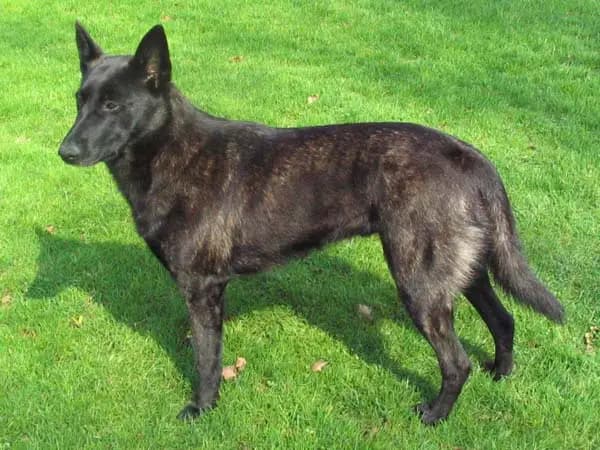
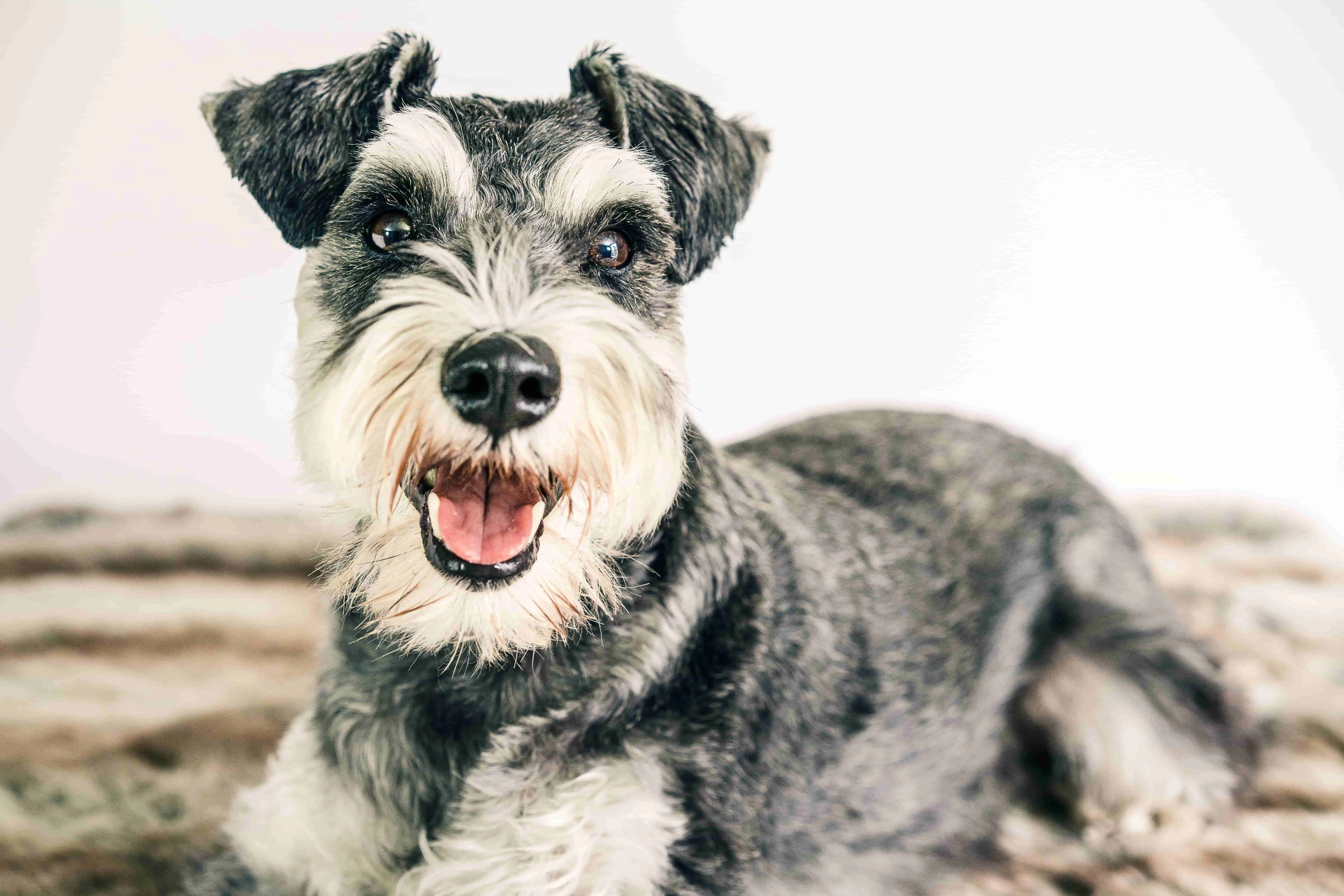
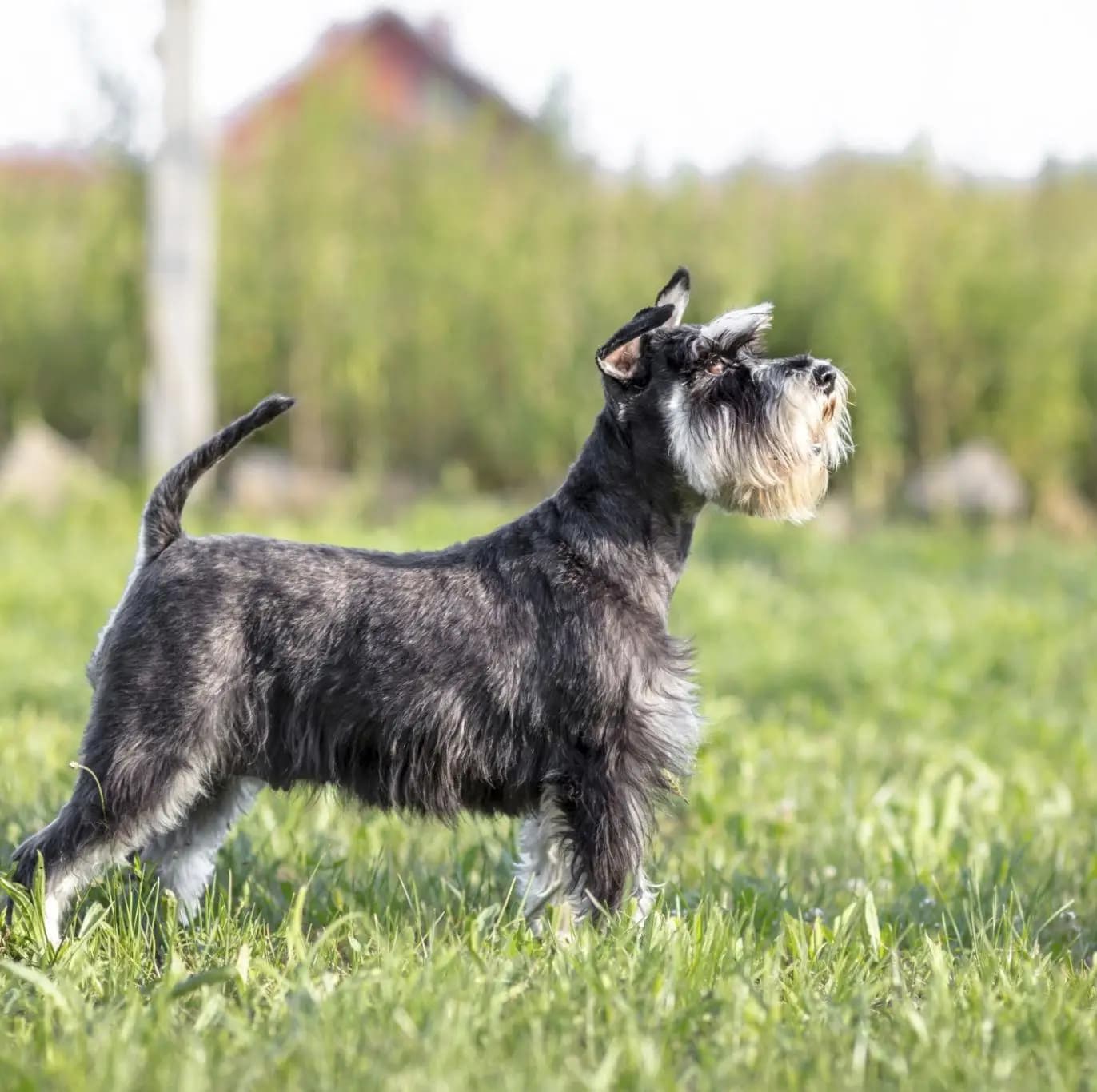
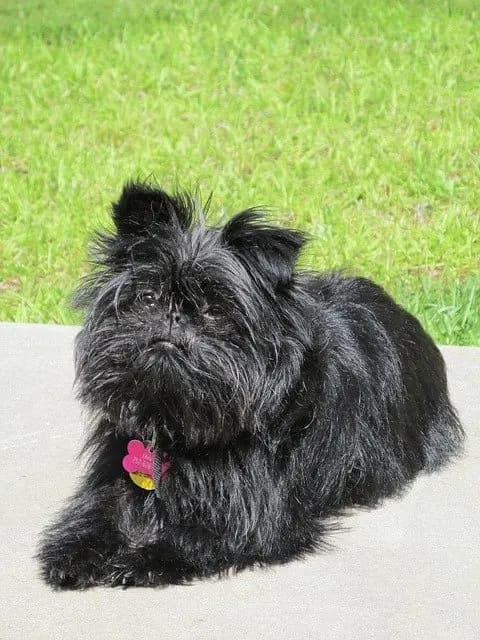
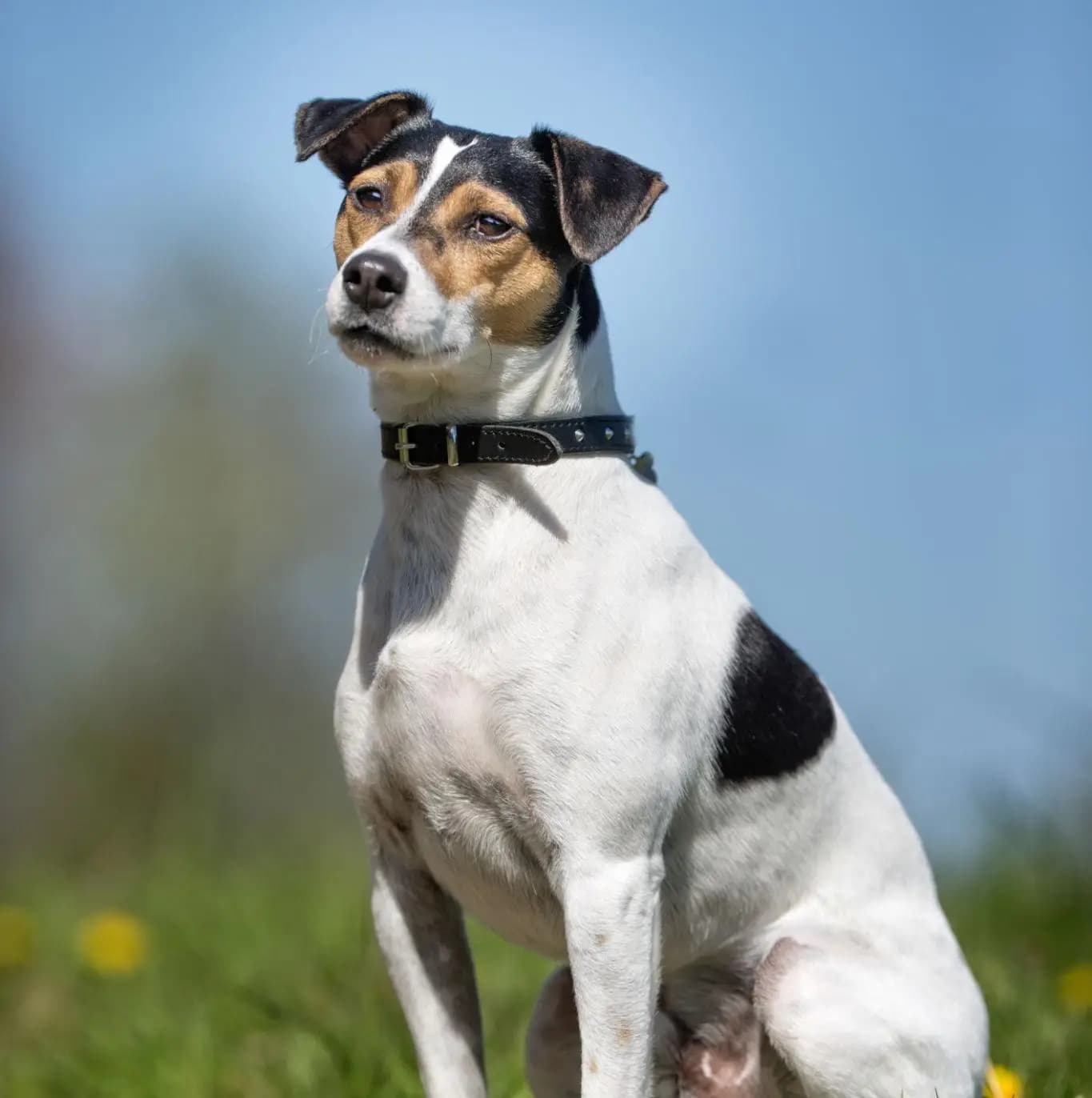
With a life expectancy of 12 to 15 years, the Dutch Smoushond is generally considered a robust dog. However, because of its extremely small gene pool, it carries specific health risks, mainly affecting the knees and eyes. The Dutch breed club, the Hollandse Smoushonden Club (HSC), therefore requires a specific examination for patellar luxation (the kneecap slipping out of place) for breeding approval; an examination for cataracts is part of the breed's recommended health standard.
Other conditions also occur in the breed: these include the eye diseases distichiasis (eyelashes growing into the eye) and generalised progressive retinal atrophy (PRA), a progressive degeneration of the retina, as well as hip dysplasia (HD). Clinical eye examinations, palpation of the knee joints and hip X-rays significantly reduce the risk for the offspring. In addition, because of the narrow gene pool, reputable breeders pay particularly careful attention to genetic diversity and a low inbreeding coefficient, in order to minimise risks in the line. Later in your dog's life, you make an important contribution yourself: make sure your dog stays strictly lean, at around 9 to 10 kg, and provide joint-friendly exercise to take the strain off the knees. You should also schedule regular veterinary eye checks for your dog.
Your checklist for the first conversation with the breeder
When buying a puppy, do not rely on verbal assurances; check the facts in person. When you visit the breeder, we recommend that you ask specifically about the following points and ask to see the evidence:
- Results for patellar luxation and cataracts: Ask to see the official veterinary examination certificates for the knees and eyes of both parents. The eye examination should be recent.
- Questions about the lines and other risks: Ask the breeder directly whether cases of hip dysplasia (HD), distichiasis or progressive retinal atrophy (PRA) have occurred in the parents' lines, and whether HD X-ray results are available.
- Handling of the gene pool: Ask for an explanation of the criteria used to select the mating, in order to preserve genetic diversity and limit inbreeding.
- Behaviour of the mother: Watch the bitch with visitors. A Smoushond with typical breed temperament will be friendly, lively and curious towards you, never panicky or aggressive.
- Coat care instruction: A good breeder will show you on the dog itself how the rough coat is cared for and properly hand-stripped, without clipping it.
On HonestDog, a breeder profile only goes online once the breeder has completed registration: identity verification by ID and selfie, where applicable proof of club membership or a §11 permit, a knowledge test on breeding and animal welfare, and agreement to the HonestDog breeding standards, which among other things rule out breeding with traits associated with extreme conformation. Health test results for the parents that breeders upload are shown directly in the profile; ask to see the original results when you visit. Your next step: compare the profiles of Dutch Smoushond breeders on HonestDog, look at the uploaded health records and ask directly about the next litter.