Dermoid Sinus in Ridgebacks: When the Ridge Carries a Risk
The ridge of backward-growing hair is what makes a Ridgeback a Ridgeback – and the same mutation raises the risk of a skin tunnel that can reach the spinal cord.
In short
The ridge is the band of reversed hair on the back of Rhodesian and Thai Ridgebacks, caused by a dominant gene duplication. Ridgebacks also have a raised risk of dermoid sinus: a skin-lined tract that can reach the membrane around the spinal cord. Because the standard demands the ridge, standard and health pull apart here, which puts it in the extreme-breeding debate (called Qualzucht in German law).
Bred for health or bred to the extreme?
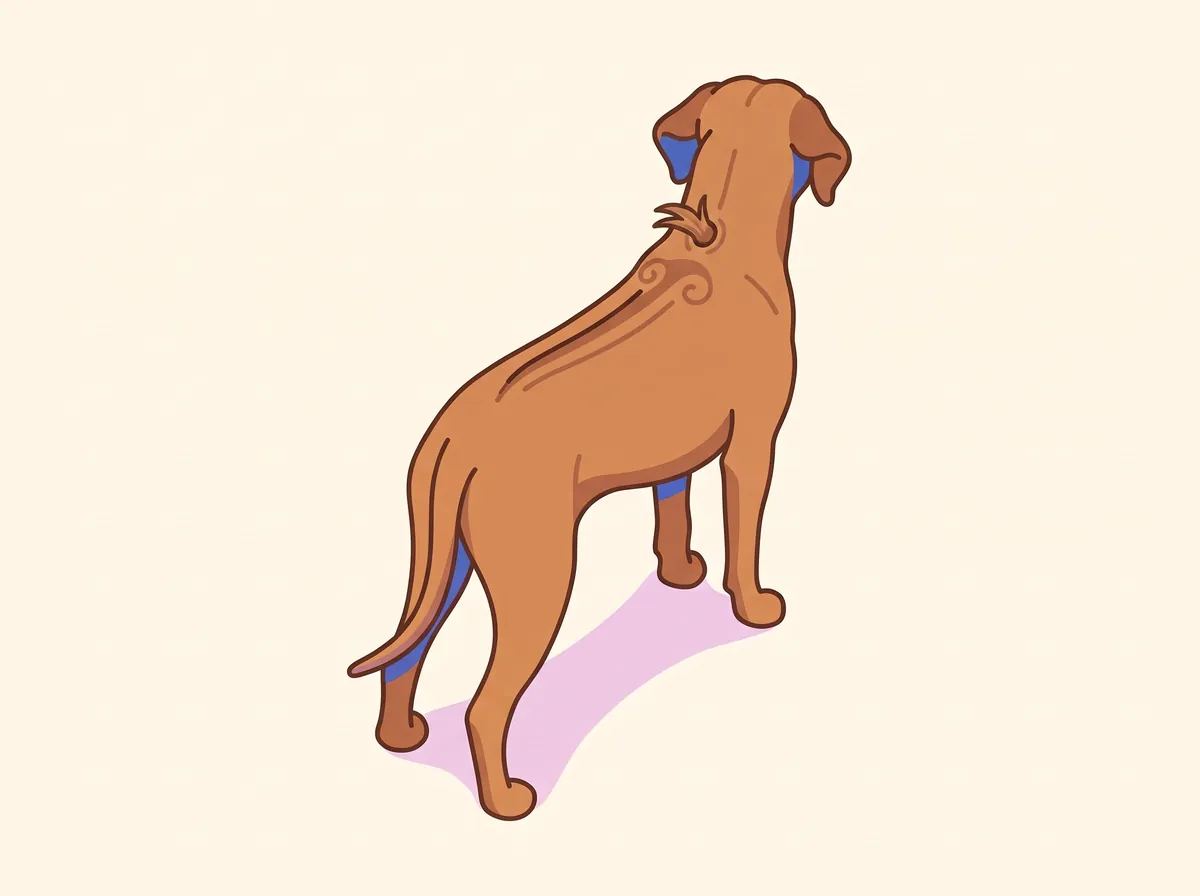
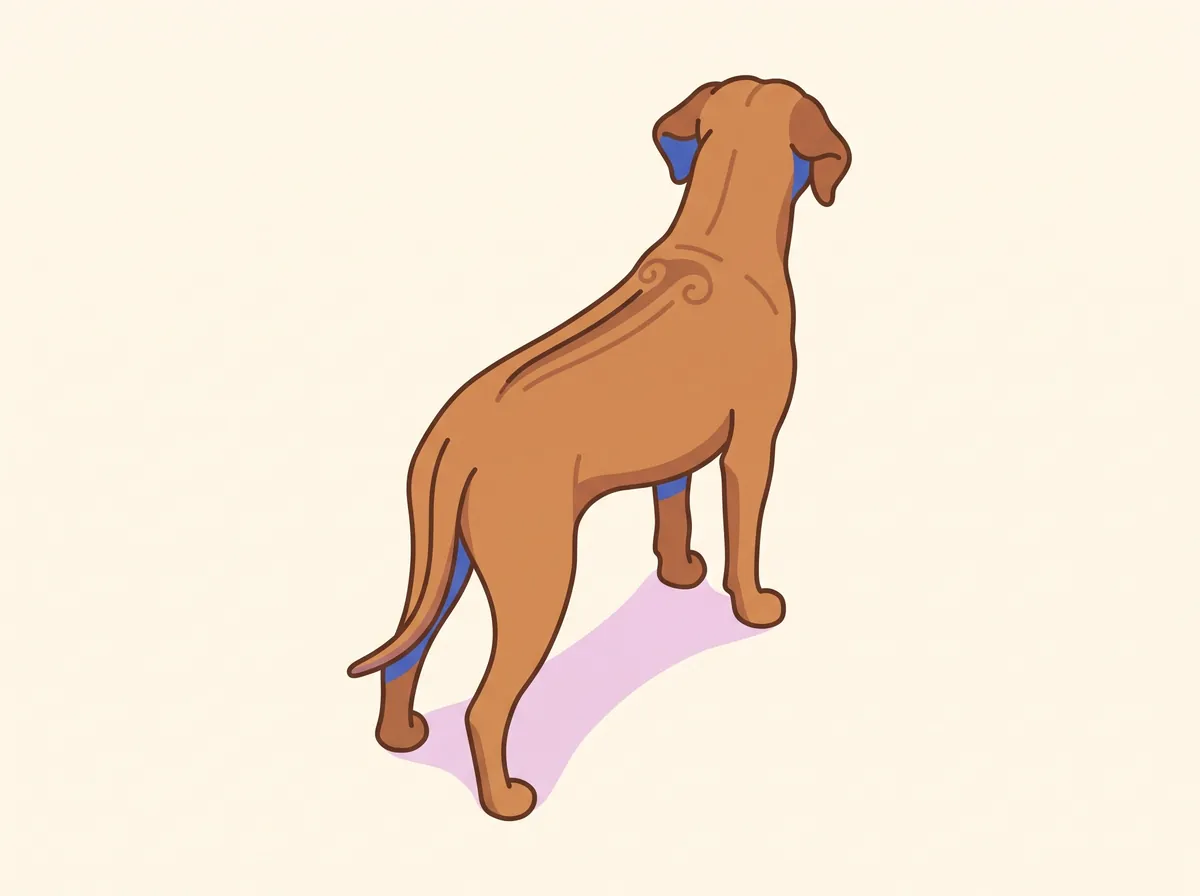
Look at the midline of the neck in front of the ridge: on the right there is a pea-sized opening with a tuft of hair – otherwise the two dogs are identical.
The illustrations are AI-generated and editorially reviewed. They do not show a real dog; they make the difference visible.
What is a dermoid sinus, in simple terms?
A dermoid sinus is a thin tunnel made of skin that runs inward from a tiny hole on a dog's back. Sometimes it stops just under the skin, sometimes it reaches the covering of the spinal cord. The dog is born with it; it forms before birth.
Picture rolling a strip of fabric into a tube and then cutting the tube free. That is roughly how the spinal cord forms in an unborn puppy: the outer layer of cells folds into a tube, which then separates from what will become the skin. If one thread stays attached, a channel is left between the skin and the spine.
Hair grows inside the tunnel, and skin flakes build up with nowhere to go. That can become infected, fill with pus and hurt a lot. If the tunnel reaches the spinal cord, bacteria can travel into the nervous system, which is dangerous.
In Ridgebacks there is an extra twist: the gene that creates the handsome ridge is linked to such a tunnel. In one small study, dogs with two copies of the gene were affected more often; later research shows, however, that the ridge gene alone does not explain the tunnel.
The short version
- The ridge itself is harmless – the problem is its link to dermoid sinus.
- Most Ridgebacks never have a dermoid sinus.
- An experienced breeder or vet can often feel it in a young puppy.
- Surgery can remove it completely.
How do the ridge and dermoid sinus develop?
Both trace back to one mutation: a duplication of about 133 kilobases on canine chromosome 18 (CFA18) covering the fibroblast growth factor genes FGF3, FGF4 and FGF19 plus ORAOV1. In 2007 Salmon Hillbertz and colleagues showed that this duplication causes the ridge in Rhodesian and Thai Ridgebacks and interpreted it as a predisposition to dermoid sinus as well; the breakpoint is identical in both breeds, so the mutation shares a common origin. FGF signalling steers early development, and the leading hypothesis is that altered gene dosage during skin development explains both the reversed hair direction and the incomplete closure.
Embryologically, the neural tube – the future brain and spinal cord – forms when the ectoderm folds in and then detaches from the surface ectoderm that becomes skin. If that separation is incomplete, a tract lined with stratified squamous epithelium remains, which may contain hair follicles, sebaceous and sweat glands. In Ridgebacks the typical sites are the dorsal midline of the neck, the front of the chest region and the sacrococcygeal area – in front of or behind the ridge, rarely within it.
Classification is by depth, going back to Mann and Stratton (1966): type I reaches the supraspinous ligament, type II stops short but is tethered to it by a fibrous strand, type III ends superficially with no connection, and type IV reaches the dura mater, leaving an open path into the vertebral canal. Type V (a cyst with no skin opening) and type VI were added later; type VI is used for rare, inconsistently defined forms. One dog can have several sinuses of different types.
Pathologically the tract fills with keratin, sebum and hair, leading to inflammation, abscesses and draining tracts. Type IV sinuses risk myelitis, meningitis or meningomyelitis, with fever, pain, hyperaesthesia, ataxia and paresis up to paralysis. Diagnosis rests on palpation, supplemented where needed by contrast radiography, CT or MRI, and is confirmed by histology. Treatment is complete surgical excision of the entire tract including the fibrous strand – with a laminectomy when the dura is involved.
An important caveat: a large analysis of German breeding records (Distl 2022) found a heritability of 0.78 but no simple inheritance pattern, and considered it unlikely that the ridge locus alone determines whether dermoid sinus appears. A genetic study the same year concluded that the ridge duplication is not identical with the hypothesised dermoid sinus locus (Zhang & Distl 2022). Ridgebacks do carry a raised risk, but which genes cause it is still unresolved.
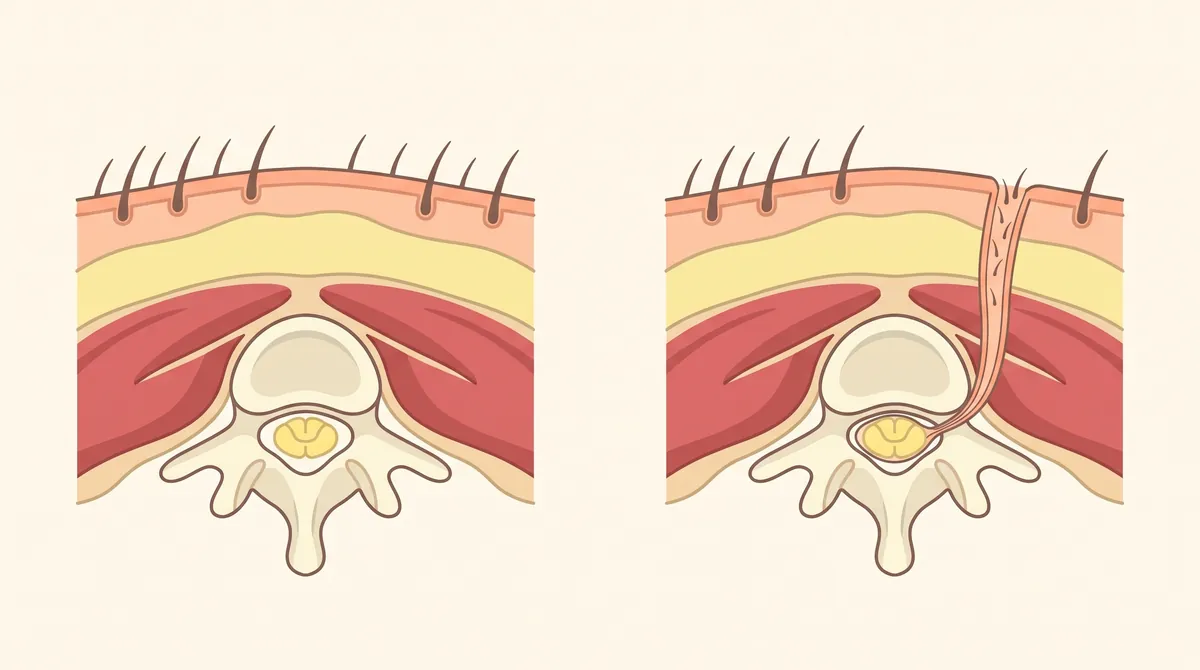 AI illustration
What the illustration shows
- 1Skin opening – A tiny pore on the back's midline, frequently with a tuft of hair sticking out. In a puppy's coat it is easy to miss.
- 2Tract with hair – The tract is lined like skin: hair, sebum and skin flakes collect inside and can become infected or form an abscess.
- 3Link to the dura – In type IV the tract reaches the dura mater, the tough outer membrane of the spinal cord. Bacteria can use this path to cause meningitis or myelitis.
- 4Vertebra and spinal cord – The spinal cord lies protected inside the vertebral canal. With deep sinuses the vertebral arch is sometimes malformed as well, for example as spina bifida.
- 5Normal anatomy – Without a dermoid sinus, skin, fat, muscle and the nuchal ligament seal the spinal cord off from the outside completely.
Which breeds are affected?
Two breeds carry the ridge – and with it the higher dermoid sinus risk – and both breed standards explicitly demand it. Dermoid sinus is occasionally reported in other breeds too, but there it is not tied to a breeding goal.
Typical of the breed
- Rhodesian Ridgeback
The FCI standard demands a clearly defined ridge with two crowns and disqualifies dogs without one. Dermoid sinus risk is best studied in this breed.
- Thai Ridgeback
Carries the same duplication as the Rhodesian Ridgeback, and its FCI standard also disqualifies dogs without a ridge. How often dermoid sinus occurs is unknown.
How can you tell a healthy Ridgeback puppy?
By a breeder who treats dermoid sinus as a real risk: every puppy has been palpated several times along the whole back midline, the parents' ridge genetics are known, and the mating was planned to keep the risk low. A breeder who says it never happens in their lines should be able to back that up with figures.
Palpation is hands-on work: the skin is lifted along the midline from the back of the skull to the base of the tail and checked between thumb and forefinger. A dermoid sinus feels like a thin cord pulling downward. Many vets rarely see the condition, so it is worth asking for this check specifically.
Your checklist at the breeder
- Ask who palpated the puppies for dermoid sinus and when – ideally several times before homing, including the neck and the area over the sacrum.
- Have your vet palpate the puppy's back midline specifically at the handover or first health check.
- Look at the midline yourself: a tuft of hair standing straight up or a tiny pore is a reason to check closer.
- Ask for the parents' ridge DNA test results (R/R, R/r) and why this particular pairing was chosen – many breeders avoid pairing two homozygous dogs as a precaution.
- Neither parent should ever have had a dermoid sinus or been operated on for one.
- Ask about dermoid sinus cases in both parents' earlier litters and whether they were reported to the breed club.
- If a puppy was operated on, ask to see the surgical and pathology reports – what matters is that the whole tract was removed.
- The parents' other breed-relevant screenings, such as hip and elbow scores, belong on the list as well.
How breeders make whole breeds healthier – tests, new genes and their limits
Why is the ridge an extreme-breeding issue if most Ridgebacks are healthy?
Because a trait the breed standard requires is genetically linked to a defect. The ridge itself causes the dog no pain, and the great majority of Ridgebacks never develop a dermoid sinus. The question is how dogs are bred: selecting only for the ridge increases the share of dogs with two copies (R/R) – and a higher risk has been reported for them.
In the 2007 study, about 87% of the Ridgebacks with dermoid sinus were homozygous (13 of 15), compared with roughly a third of healthy ridged dogs. These are small numbers. Later work (Distl 2022; Zhang & Distl 2022) suggests that the ridge gene alone does not explain dermoid sinus. Not pairing two homozygous dogs is therefore mainly a precaution.
Frequency has come down. Earlier Swedish estimates put affected puppies at 8 to 10%; in Germany the figure was 2.5% of 12,700 puppies between 2001 and 2019 and falling, and Swedish breeders reported around 2% for 2015 to 2019.
What happens to Ridgeback puppies born without a ridge?
With respect to dermoid sinus they are the safest group, yet the standard sorts them out. FCI standard no. 146 lists dogs without a ridge as a disqualifying fault, so they cannot be shown, and many clubs exclude them from breeding. Ridgeless puppies do not carry the duplication; dermoid sinus occurs in them only in rare individual cases.
Healthy ridgeless puppies were historically culled in some places – this is documented in the scientific literature. Today club rules such as the code of ethics of a UK Ridgeback association say these puppies should be rehomed as pets, with a contract to spay or neuter and not to show or breed them. In Swedish litters from 1981 to 2002, ridgeless puppies were estimated at 5.6%.
This is the heart of the dilemma: every ridgeless puppy removed from breeding takes with it a gene variant that could lower the risk in the next generation. Researchers have therefore suggested pairing homozygous dogs only with heterozygous ones, or deliberately bringing ridgeless dogs into breeding. Which path prevails is up to the breed clubs.
Is breeding for the ridge illegal?
No – there is no explicit ban on the ridge or on either Ridgeback breed, and German law does not name specific breeds. Section 11b of the German Animal Welfare Act prohibits breeding dogs where the offspring can be expected to suffer inherited pain, suffering or harm; whether that applies is assessed individually, based on the animal's traits. Owning an affected dog is not prohibited.
To interpret the rule, German authorities use the expert opinion on Section 11b (the ban on extreme breeding), usually dated 1999. It is an interpretation aid, not binding law – but it names dermoid sinus in the Rhodesian Ridgeback explicitly and recommends a breeding ban for dogs with dermoid cysts, not for the ridge as such.
In Switzerland, the ordinance on animal welfare in breeding lists dermoid cysts in the Rhodesian Ridgeback among the traits that may cause a medium or severe burden; breeding from such a dog there requires a prior burden assessment by a qualified person.
Related conditions
The medical details – symptoms, diagnosis, treatment – are on the pages for each condition.
This page explains; it does not replace a veterinary examination. Only a vet can judge whether an individual dog is affected.
Frequently asked questions
Does the Rhodesian Ridgeback count as extreme breeding?
Not across the board. Most Ridgebacks live without a dermoid sinus, and the ridge itself causes no discomfort. What makes it an extreme-breeding topic is the link between the ridge gene and dermoid sinus: the German expert opinion on Section 11b recommends a breeding ban for affected dogs, and one early study suggests that breeding which deliberately multiplies homozygous ridge carriers raises the risk for the puppies, although later data point to more complex genetics. More on the breed in the Rhodesian Ridgeback breed profile.
Are Ridgebacks without a ridge healthy?
Yes – a missing ridge is not a health flaw. Ridgeless dogs do not carry the duplication, and dermoid sinus occurs in them only in rare individual cases. They simply do not meet the standard, cannot be shown and are excluded from breeding by many clubs; as family dogs they are just as suitable.
How do you spot a dermoid sinus in a puppy?
By carefully palpating the back midline from the back of the head to the base of the tail: the sinus feels like a thin cord pulling downward. A tuft of hair standing up over a tiny pore often gives it away. Whether it reaches the vertebral canal only becomes clear with imaging or during surgery.
Can a dermoid sinus be removed surgically?
Yes, complete surgical removal of the entire tract is the only effective treatment. If the sinus ends before the spinal cord, the outlook is good; if it reaches the dura, surgery is more involved. Any remnant left behind can become infected again.
Does folic acid prevent dermoid sinus?
That is not proven. The idea comes from human medicine, where folic acid reduces neural tube defects; in Ridgebacks there are only preliminary observations and no controlled study. If you want to try it, agree it with your vet; it does not replace careful breeding decisions.
Why are homozygous (R/R) Ridgebacks bred at all?
Because a homozygous parent only produces ridged puppies – tempting when the standard disqualifies dogs without a ridge. A ridge DNA test can now determine the genotype, so breeders can deliberately pair homozygous dogs with heterozygous ones – as a precaution, because whether R/R really raises the risk is not settled.
How common is dermoid sinus in Rhodesian Ridgebacks?
In Germany, about 2.5% of 12,700 recorded puppies born between 2001 and 2019 had a dermoid sinus, with a downward trend. Earlier Swedish estimates were 8 to 10%; Swedish breeders reported around 2% for 2015 to 2019.
Sources
- Salmon Hillbertz NHC et al. (2007): Duplication of FGF3, FGF4, FGF19 and ORAOV1 causes hair ridge and predisposition to dermoid sinus in Ridgeback dogs. Nature Genetics 39, 1318–1320
- Salmon Hillbertz NHC (2007): The origin of the ridge and associated anomalies in Rhodesian Ridgebacks. Doctoral thesis, SLU Uppsala
- Distl O (2022): Prevalence and segregation analysis of dermoid sinus in Rhodesian Ridgebacks. The Veterinary Journal 280, 105803
- Waldo JT, Diaz KS (2015): Development and validation of a diagnostic test for Ridge allele copy number in Rhodesian Ridgeback dogs. Canine Genetics and Epidemiology 2, 2
- Science for Animal Welfare (UFAW): Rhodesian Ridgeback – Dermoid Sinus
- Specialklubben Rhodesian Ridgeback Sverige (SRRS): Dermoid Sinus (Swedish)
- FCI standard no. 146: Rhodesian Ridgeback (valid since 15 May 2025)
- Section 11b German Animal Welfare Act (TierSchG) – ban on extreme breeding (German)
- Southern Rhodesian Ridgeback Association (UK): Code of Ethics
- BMEL (expert group on animal welfare and pet breeding): expert opinion on the interpretation of Section 11b TierSchG, usually dated 1999 (German)
- Switzerland: FSVO ordinance on animal welfare in breeding (TSchZV, SR 455.102.4), Annex 2 (German)
- Zhang L, Distl O (2022): A study of Rhodesian Ridgeback dogs indicates that the duplication responsible for hair ridge is not identical with the hypothesized locus for dermoid sinus. Animal Genetics 53, 231–233
Last reviewed on September 30, 2026 by Sufyan Osamah · what that means: Editorial standards
Related topics
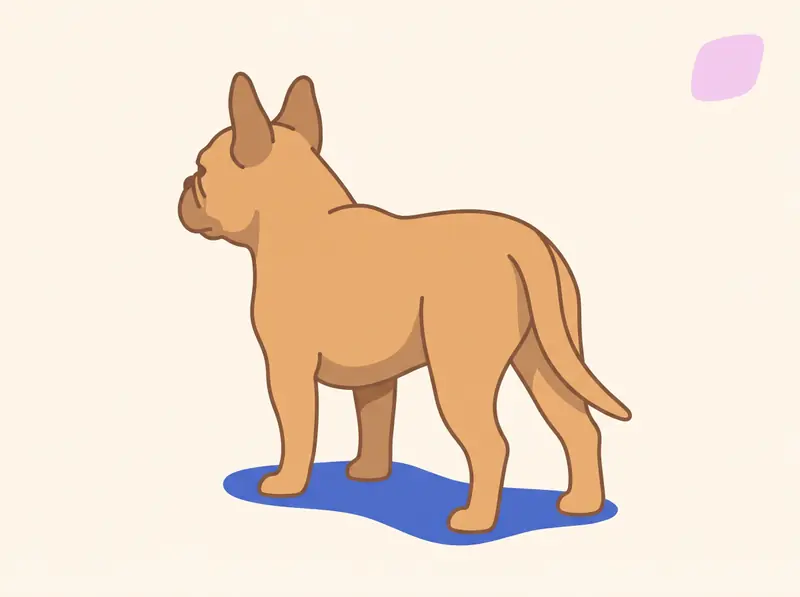
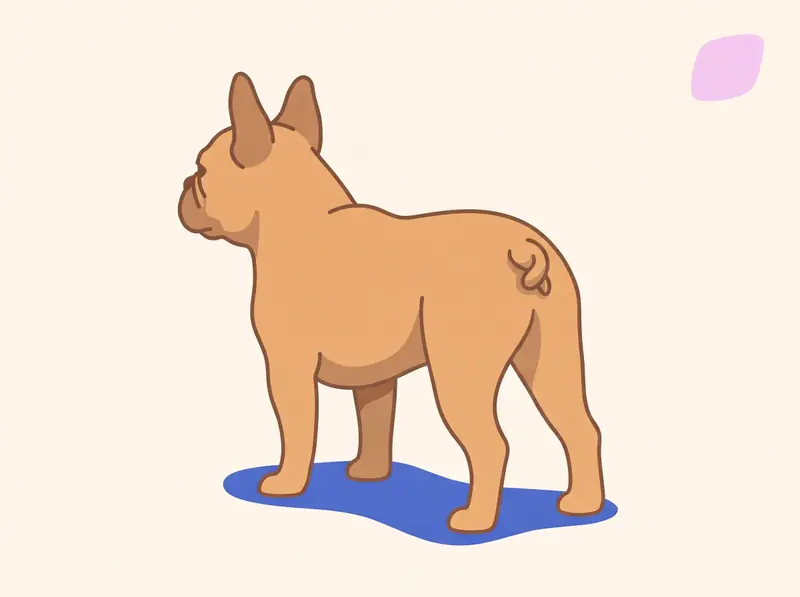
Screw tail
The short, twisted tail of bulldog breeds looks cute – but it is the visible end of a spinal malformation that often reaches into the back as well.
Learn more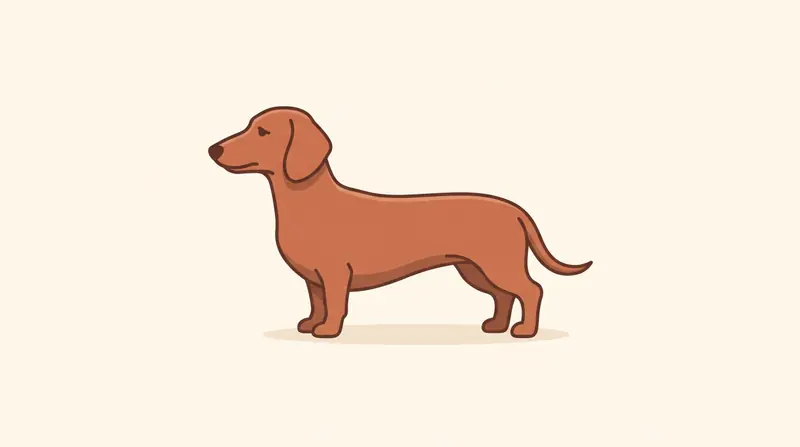
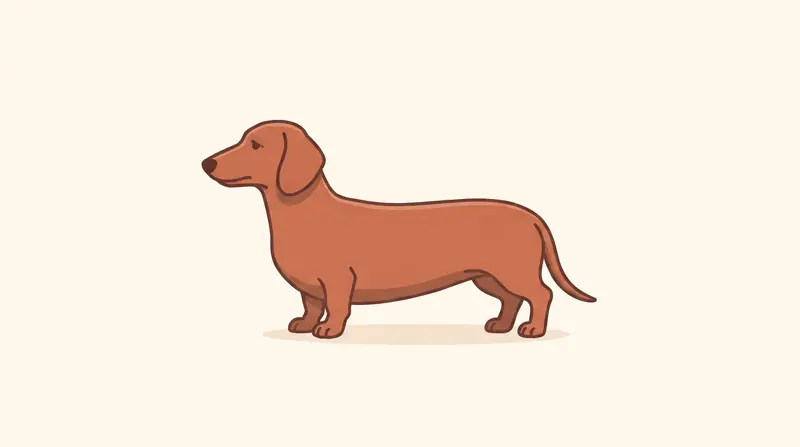
Short legs
Dachshund, Corgi, Basset: the gene behind those short legs also makes the spinal discs age early – and yet not every Dachshund is the product of extreme breeding (called Qualzucht in German law).
Learn more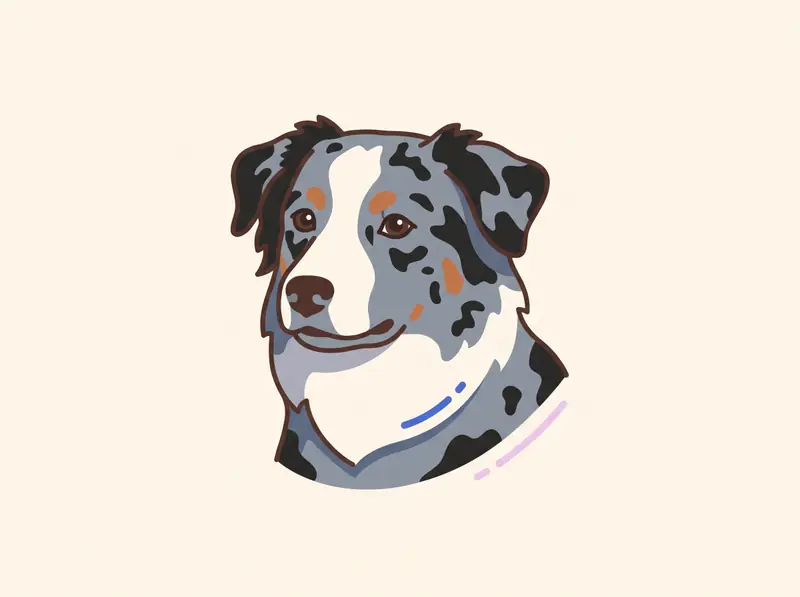
Merle & double merle
One merle parent gives the marbled coat many people love; two merle parents can produce puppies born deaf or with malformed eyes.
Learn moreLooking for a dog without this burden?
Many wonderful dogs are waiting in shelters – and many breeds come without extreme-breeding traits.