Patellar Luxation(PL)
Also known as: Kniescheibenluxation · Luxatio patellae · Slipping kneecap · Patellaluxation des Hundes · Patellaluxation · …
Overview
What it is
Patellar luxation, also known as a luxating patella, is a physical condition affecting the knee joint where the kneecap slips out of its normal groove. This misalignment interferes with the mechanical movement of the hind leg and can cause the joint to lock. Over time, this abnormal friction can lead to painful joint wear and tear, known as osteoarthritis.
How it presents
Owners typically notice a sudden, temporary limp or a skipping gait where the dog runs on three legs for a few steps before returning to normal. These signs usually become apparent at a young age, typically between a few months and one year old.
Treatment
While mild cases can be managed with physical therapy, moderate to severe cases require surgical correction to stabilize the kneecap. Treatment costs typically range from 1,000 to 5,000 EUR per affected knee, depending on whether surgery is required.
How it's tested
Patella-Untersuchung (Putnam)(Patella)
Primary testClinical examManuelle Untersuchung des Kniegelenks auf Patellaluxation (Grad 0-4). Wichtig bei kleinen Rassen.
Issuing body: vet
Result scheme: Patella-Putnam
Affected breeds
24 of 189 breeds
 Alaskan Klee KaiRecommended standard
 Alpine Herding DogMandatory testMandated by Alpenhütehunde Club Deutschland e.V.
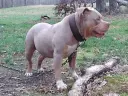 American BullyMandatory testMandated by American Bully Club Deutschland (im DZR e.V., kein VDH-/FCI-Verein)
 American Hairless TerrierRecommended standard
 Australian LabradoodleRecommended standard
 Australian Silky TerrierMandatory testMandated by Klub für Terrier e.V.
 Austrian PinscherRecommended standard
 Bedlington TerrierRecommended standard
 Belgian GriffonRecommended standard
 Bichon FriseMandatory testMandated by Verband Deutscher Kleinhundezüchter e.V.
 Biewer TerrierMandatory testMandated by Verband Deutscher Kleinhundezüchter e.V.
 BologneseMandatory testMandated by Verband Deutscher Kleinhundezüchter e.V.
 Bolonka ZwetnaMandatory testMandated by Verband Deutscher Kleinhundezüchter e.V.
 Border TerrierRecommended standard
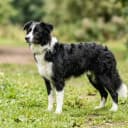 BordoodleRecommended standard
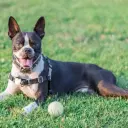 Boston TerrierMandatory testMandated by 1. Club für Boston-Terrier in Deutschland e.V. (1. CBD)
 Boykin SpanielRecommended standard
 Brazilian TerrierMandatory testMandated by Klub für Terrier e.V.
 Brussels GriffonRecommended standard
 Cairn TerrierMandatory testMandated by Klub für Terrier e.V. (KfT)
 Cavalier King Charles SpanielMandatory testMandated by Cavalier King Charles Spaniel Club Deutschland e.V. (CCD)
 CavapooRecommended standard
 CavapoochonRecommended standard
 Cesky TerrierRecommended standard
Treatment cost
Estimated range of typical treatment costs. Actual costs depend on severity, clinic and region.
Frequently asked questions
What is Patellar Luxation?
Patellar luxation, also known as a luxating patella, is a physical condition affecting the knee joint where the kneecap slips out of its normal groove. This misalignment interferes with the mechanical movement of the hind leg and can cause the joint to lock. Over time, this abnormal friction can lead to painful joint wear and tear, known as osteoarthritis.
How is Patellar Luxation tested?
Tests currently in our database: Patella-Untersuchung (Putnam).
Which breeds are most affected?
Most commonly affected: Alaskan Klee Kai, Alpine Herding Dog, American Bully, American Hairless Terrier, Australian Labradoodle, Australian Silky Terrier, Austrian Pinscher, Bedlington Terrier.