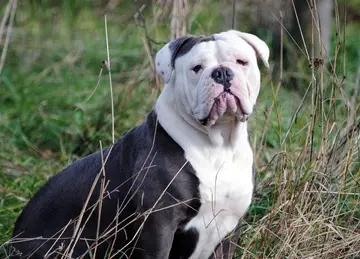
A courageous protector with a gentle heart
If you're considering sharing your life with a muscular and confident dog, the American Bulldog temperament might be at the top of your research list. Originally bred for hard work on American farms, this breed radiates pure power and presence at first glance. With males weighing up to 54 kilograms and standing up to 70 centimeters tall, they are truly impressive.
Yet, behind that broad chest and serious gaze lies an incredibly loyal and loving family dog. The American Bulldog temperament is defined by striking contrasts: they are watchful protectors who, in the next moment, will seek out the closeness of their humans like an oversized lap dog. Whether this powerful molosser is the right fit for your daily routine, living situation, and experience level depends on several key factors.
The American Bulldog temperament in daily life
To truly understand the nature of this dog, it helps to look at their origins. On farms in the southern US, they were used to drive livestock, hunt wild boar, and guard home and hearth. These tasks required courage, independence, and a deep bond with the farmer and their family.
Loyalty and protective instinct
The modern American Bulldog temperament is still deeply rooted in these historical roles. They form an extremely tight bond with their family and are incredibly cuddly and playful within their inner circle. Don't be surprised if they use their whole body to show affection! At the same time, they possess a distinct protective instinct. They monitor their surroundings closely and assess situations independently.
In everyday life, this means an American Bulldog might eye visitors with initial skepticism. They don't tend toward unprovoked aggression; rather, they prefer to position themselves between their family and a potential threat. It's up to you as the owner to take on this responsibility and signal to them that you have the situation under control. A relaxed approach to strangers and unfamiliar situations must be trained from an early age.
Classic vs. Standard lines: A key distinction
The American Bulldog temperament can vary significantly depending on the breeding line. Breeders primarily distinguish between two types:
- The Classic line (also known as the Johnson type): These dogs are heavier, broader, and more powerfully built. They look more like traditional bulldogs. In nature, they are often calmer and possess a higher threshold for stimulation. While their guarding drive is strong, their need for physical activity is a bit more moderate.
- The Standard line (also known as the Scott type): This line produces leaner, more athletic, and longer-legged dogs. They have been bred more for performance. Consequently, representatives of this line are often more energetic, have greater endurance, and possess a more pronounced prey drive.
Many dogs today are crosses between the two lines. When looking at a puppy, be sure to ask the breeder about their specific breeding focus to find a dog whose energy level matches your lifestyle.
Is the American Bulldog right for you?
Not every dog is a fit for every life. Despite their loving nature, the American Bulldog has certain requirements for its owner.
For families and children
In terms of family suitability, this breed scores high. They are considered extremely child-friendly and are known for being level-headed and patient within the family. They love to be part of the family circle and want to be everywhere you are.
However, there is one important aspect to keep in mind: the sheer power and mass of this dog. Especially young American Bulldogs in their "teenage phase" are not always aware of their own strength. In joyful play, they can easily knock over a small child or even an adult who isn't standing firm. Living with small children is entirely possible, but it always requires undivided attention and supervision from adults. Also, teach children early on to respect the dog's designated rest areas.
Suitable for beginners?
Although they are very people-oriented, the American Bulldog is not typically considered a beginner dog. Their trainability is often rated as moderate. This isn't due to a lack of intelligence—quite the opposite. As a molosser, they possess a certain streak of stubbornness. They like to question commands if they don't see the sense in them.
Anyone who acts insecure, is inconsistent, or tries to train this dog with harshness will hit a brick wall. The American Bulldog requires calm, confident, and, above all, consistent leadership. If you lack dog experience, attending a professional, competent dog training school from day one is highly recommended. However, if you are willing to invest a lot of time in training and are eager to learn about canine body language, you can find a happy companion in this breed even as a first-time owner.
Living arrangements and home environment
The right conditions are essential to keep such a large and watchful dog happy and ensure harmonious coexistence.
House, garden, or apartment?
The American Bulldog's suitability for city life is moderate. Ideally, this is a dog that feels most at home in a house with a securely fenced garden, where they can lounge in the sun and keep an eye on their territory. They are less suited for a small, high-rise apartment in a densely populated urban area. The constant stimulation, limited space, and frequent lack of off-leash opportunities can quickly lead to stress.
Also, consider the dog's health. Large, heavy breeds should not have to climb stairs daily to protect their joints and prevent conditions like hip dysplasia (HD). A ground-floor home or an elevator are therefore important prerequisites.
Compatibility with other dogs and pets
Many American Bulldog experiences show that compatibility with other dogs depends heavily on socialization. As adults, males in particular can show territorial or dominant behavior toward other dogs of the same sex. Early exposure to different dogs in puppy playgroups is therefore essential.
Living with cats or other small animals can work well if the dog has been accustomed to them from a young age. However, neighborhood cats in the garden might be chased due to a strong prey drive—especially in dogs from the Standard line.
Exercise needs and proper stimulation
A dog with a high energy level needs more than just three short loops around the block. The American Bulldog is a working dog that needs a "job" to stay physically and mentally balanced.
Physical activity
Plan for about two hours of daily walking and movement. The athletic Standard type will gladly accompany you on a jog or bike ride once properly trained. For the Classic line, keep activities moderate but sustained to avoid overstressing their cardiovascular system.
Dog sports that demand strength and endurance are excellent. Many American Bulldogs enjoy pulling sports, such as canicross or weight pulling, provided this is done safely and correctly. The Bundestierärztekammer generally recommends having heavy breeds orthopedically examined (especially for hip and elbow dysplasia) before starting high-performance sports.
Mental stimulation
Beyond physical movement, mental stimulation is crucial. Since the American Bulldog loves to use their nose, scent games, tracking, or mantrailing are ideal forms of engagement. They challenge the dog cognitively, tire them out, and strengthen the collaboration and bond between human and dog.
Typical challenges within the American Bulldog temperament
Every breed has specific traits that can become challenging if not guided properly.
Stubbornness and territorial behavior
As mentioned, blind obedience is not this breed's strength. Training requires patience. If an American Bulldog isn't in the mood, they can impressively use their 40 to 50 kilograms of body weight by simply sitting down and waiting. Positive reinforcement with the right motivation (treats, toys, or physical affection) is the key to success.
Territorial behavior often manifests at the garden gate or front door. An American Bulldog will alert you if someone enters their property. It is important to establish firm rituals for receiving guests from the beginning. You decide who comes in, and the dog should learn to wait calmly on a designated spot until you give the all-clear.
Legal regulations
A very important point when acquiring an American Bulldog is the legal situation. In many German states, as well as some regions in Austria and Switzerland, the American Bulldog (or dogs that strongly resemble them phenotypically) are listed on breed restriction lists. This means that ownership, breeding, or importing is subject to specific requirements.
These requirements may include temperament tests, proof of owner competence, leash and muzzle mandates, and higher dog taxes. Always check with your local authorities regarding regional regulations before purchasing. Reliable information on legal requirements and dog sports can be found through the VDH (Verband für das Deutsche Hundewesen).
Training tips for the American Bulldog temperament
To unlock the full potential of these amazing dogs, clear structure is required. The following points are essential for training:
- Early socialization: The first 16 weeks of life are formative. Carefully introduce your puppy to different people, dogs, surfaces, noises, and environments. The more positive experiences they collect early on, the more relaxed they will react as a powerful adult dog.
- Consistency without harshness: Rules must always apply. What the 50-kilo dog isn't allowed to do (e.g., lying on the sofa or jumping on people), the 10-kilo puppy shouldn't do either. Avoid loud shouting or physical punishments. With molossers, this often leads to defensive behavior or a loss of trust.
- Leash manners: Start leash training from day one. If an adult male leans with his full weight into the leash, he is physically difficult to hold. He must understand that a loose leash is the only way to get to where he wants to go.
- Establishing rest phases: Despite their energy levels, these dogs must learn to be calm. Targeted "place" training (on a mat or bed) helps the dog switch off at home and set aside their role as a guardian.
Frequently Asked Questions (FAQ)
Are American Bulldogs aggressive?
No, they are not inherently aggressive. However, they possess a strong guarding and protective instinct. If this is not controlled by confident leadership, the dog may act on the feeling that they need to defend their family. Good socialization and consistent training reliably prevent misconduct.
Can an American Bulldog be left alone?
In principle, the breed can learn to be left alone if built up in small steps during puppyhood. However, they are very people-oriented and bond strongly with their families. They are not suitable for being kept in a kennel or for people who are out of the house for eight to ten hours a day, as this can lead to frustration and separation anxiety.
Do American Bulldogs drool a lot?
This depends largely on the head shape. Representatives of the Classic line (Johnson), which have shorter muzzles and more pronounced lips, are more prone to drooling—especially after drinking or when waiting for food. The more athletic Standard line (Scott) with longer muzzles typically drools significantly less.
How much grooming does the American Bulldog coat require?
Grooming requirements for the short, dense coat without an undercoat are very low. Occasional brushing is enough to remove dead hair and promote skin circulation. During shedding season, hair loss can be moderate, but it is easily managed with regular brushing.
Finding the right American Bulldog
The American Bulldog is a loyal, courageous, and robust companion who would literally walk through fire for their family. Their loving nature within the family contrasts with their impressive strength and protective instinct. They need an owner who approaches them with calm, clarity, and consistency and who is willing to invest time in training and breed-appropriate exercise.
If you have the necessary requirements, space, and time, you will gain an incorruptible friend for the next 10 to 15 years with this molosser. Do you want to dive deeper into the details of this breed and learn more about health, nutrition, and history? Check out our comprehensive American Bulldog breed profile.
Are you already certain that this special dog is the right fit for your life and that you are ready to take on the responsibility? At HonestDog, you will find reputable breeders who raise healthy and sound-tempered dogs. Visit our platform to start looking for American Bulldog puppies and take the first step toward a shared future with your new four-legged friend.