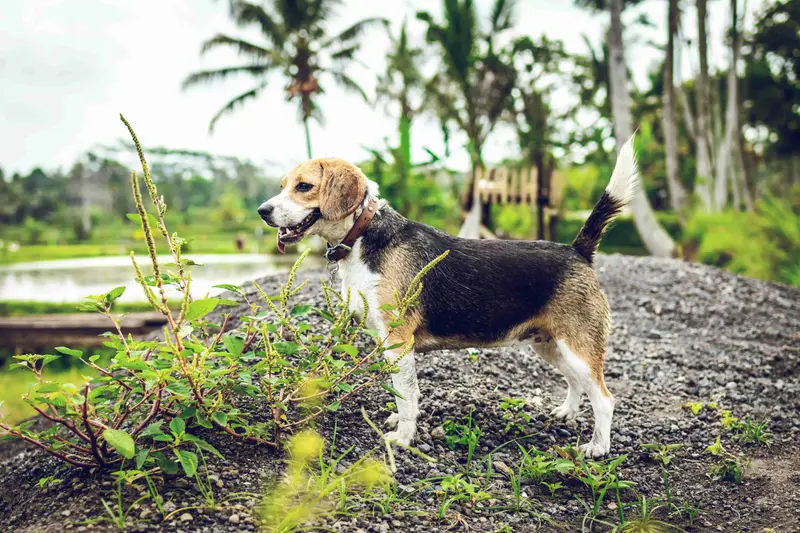
Behind the soft floppy ears and trusting gaze of a beagle lies a highly specialized working dog with a centuries-old history. Anyone interested in this breed will quickly discover that the beagle temperament is shaped by two very contrasting sides: indoors, they are affectionate, gentle family dogs, but the moment they step outside and catch an interesting scent, the passionate hunting hound awakens within them. To decide whether this dog breed fits your lifestyle, a deeper understanding of their genetic roots and everyday behavior is essential.
Basic Personality: The Typical Beagle Temperament in Daily Life
The beagle belongs to FCI Group 6, the scenthounds. Originally bred in Great Britain for pack hunting, mostly tracking hares or rabbits, this heritage profoundly defines the beagle temperament to this day. As a pack animal, they had to be exceptionally sociable; aggression toward other dogs or humans was completely unacceptable during group hunts. This results in the remarkable friendliness and cheerfulness that dog lovers appreciate so much in this breed.
In daily life, this temperament translates into a tremendous sociability. Beagles seek out closeness with their humans, love physical affection, and are generally open and welcoming toward strangers. You shouldn't expect watchdog qualities here: an intruder would likely be greeted warmly rather than chased away. When the doorbell rings, beagles often bark, but this serves more as a joyful announcement of visitors than a serious defense of territory.
Outdoors in nature, the picture changes entirely. The beagle is a dedicated scenthound whose world revolves around odors. When they pick up an interesting track, they effectively switch off their hearing. They were selectively bred to follow a scent trail independently and persistently over long distances without constantly waiting for the hunter's commands. This independence is often misunderstood today as stubbornness, but it is simply proof of their excellent working genetics.
Who Is the Beagle Suited For? An Honest Assessment
Because of their friendly appearance and manageable size—standing 33 to 40 centimeters tall at the shoulder and weighing between 9 and 15 kilograms—beagles are often underestimated as uncomplicated companion dogs. However, they bring an energy level typically found in much larger working dogs.
Families with Children
For active families, the beagle is often an excellent choice. Their robust build and high tolerance make them patient companions for children. They easily forgive clumsy movements and are always up for games. Because they love company above all else, they thoroughly enjoy the hustle and bustle of a lively household. Nevertheless, as with all breeds, interactions between dogs and young children always require adult supervision and clear resting zones for the animal.
Singles and Couples
For individuals or couples who love spending time outdoors, hiking, or jogging, the beagle makes an enduring companion. However, problems arise if the dog has to stay home alone for many hours due to work commitments. As true pack animals, beagles suffer greatly from isolation. Anyone working full-time outside the home who cannot take the dog along should reconsider getting one or arrange for reliable pet care.
Seniors
This breed is only suitable for older adults if they possess high physical fitness. A beagle demands daily, extensive exercise. Furthermore, you need strength and stability when a 15-kilogram dog suddenly lunges forward with full weight because a cat crosses the path or a wild scent hits their nose.
First-Time Dog Owners
In principle, dedicated beginners can also be happy with a beagle, provided they thoroughly research the breed. Their trainability is often rated as moderate compared to breeds like the Golden Retriever. They demand consistency, patience, and creativity in training. Anyone looking for a dog that executes commands without hesitation (a strong "will to please") will likely become frustrated with a beagle. However, if you possess a good sense of humor and are willing to work with positive reinforcement, you will find a wonderful partner.
Coexistence: Children, Other Pets, and Living Situations
The beagle temperament shines particularly in direct coexistence with other living beings. Their social nature often makes integration into existing household structures straightforward, but certain constellations require careful attention.
Dogs and Other Pets
Beagles generally get along famously with other dogs. Many owners report that their beagle truly thrives when a second dog lives in the household. With other pets like cats, rabbits, or guinea pigs, however, caution is advised. The genetically anchored hunting instinct can become a problem here. Early socialization with cats during puppyhood can make harmonious coexistence possible, but small pets should always be housed securely away from the dog.
Apartment or House with a Garden?
The beagle is quite adaptable when it comes to living arrangements. City living is entirely feasible, provided their high need for exercise in green spaces is met. A house with a securely fenced yard is ideal, and the emphasis must be on "secure": beagles are inventive escape artists when they sniff something exciting outside. Additionally, they possess a strong, deep voice. Their breed-typical baying and howling (known as tongueing on the scent) can quickly lead to conflicts with neighbors in thin-walled apartment buildings if the dog hasn't learned to stay quiet.
Exercise and Mental Stimulation: More Than Just Walks
Anyone gaining experience with beagles quickly learns that a simple, leisurely stroll around the block will not tire this dog out either physically or mentally. Beagles possess enormous stamina and energy that must be channeled constructively. If this doesn't happen, they find their own occupations, which often ends in destructive indoor behavior or excessive barking.
Scent Work: Species-Appropriate Enrichment
Since the nose is the beagle's primary sensory organ, the key to a relaxed dog lies in scent work. This requires the dog to work with high concentration, tiring them out mentally much faster than mere running. Suitable activities include:
- Mantrailing: Human tracking on a long leash utilizes the dog's natural abilities optimally.
- Tracking: Systematically searching a laid trail for specific objects.
- Object Search (ZOS): The dog learns to find small items like a piece of wood or a coin via scent and indicate them by lying down quietly.
- Snuffle Mats and Search Games: Part of the daily food ration can also be earned indoors through foraging games.
Further information on species-appropriate stimulation for hunting dogs is provided by reputable kennel clubs like the VDH (Verband für das Deutsche Hundewesen), which often organize local training groups for scent work.
Challenges: What Can Make the Beagle Temperament Difficult
No breed is without challenges, and the beagle has several specific traits that must be critically considered before adoption.
Hunting Drive and Nose to the Ground
As soon as a beagle picks up a fresh scent, they are completely in their element. The urge to follow the trail is often so strong that the dog becomes unresponsive to recalls. Many beagles can never be let off-leash in areas rich in wildlife. Walking on a tracking leash is everyday routine for many owners. This requires constant attention, because when a dog bolts into a 10-meter long line, they generate immense force.
Stubbornness and Selective Deafness
Breeding for independent hunting work leads to a personality that prefers making its own decisions. A beagle often weighs whether executing a command is worth it to them. If the owner only offers a piece of dry kibble while a discarded sausage roll lies in the bushes, the dog's decision is swift and clear-cut.
Boundless Appetite
Beagles are considered extremely food-motivated. There is hardly anything they wouldn't classify as edible. This trait is a major advantage in training because they are highly rewardable with food. In daily life, however, this harbors dangers. On walks, they tend to pick up everything from the ground. Thorough anti-poison-bait training is not just a recommendation for this breed; it's a lifesaver. Furthermore, beagles quickly tend toward severe overweight if under-exercised and overfed, which stresses their joints and can shorten their lifespan.
Separation Anxiety and Vocalization
As mentioned earlier, beagles are pack animals. Being alone runs counter to their fundamental nature. If staying alone isn't built up in tiny steps and with immense patience starting in puppyhood, they quickly develop pronounced separation anxiety. This rarely manifests as quiet suffering, but usually as persistent barking, whining, howling, and the destruction of furnishings.
Training: Practical Tips for Daily Life
Training a beagle requires clarity, calmness, and staying power. Pressure or harshness only lead to total refusal with these sensitive dogs. The best results are achieved through positive reinforcement and the targeted use of their passion for food.
The following principles have proven effective in training:
- Establishing the Trade: Since beagles tend to guard found items or swallow them quickly, the "leave it" or "drop" command is essential. Train early on that giving up loot pays off by trading up for something even better (e.g., a piece of cheese or meat sausage).
- Recall Training Under Distraction: The recall must be rock-solid in low-distraction environments before practicing outdoors. Use a "super-recall" (e.g., with a special whistle) for returning, which is always paired with an irresistible reward.
- The Tracking Leash as a Constant Companion: To prevent the dog from experiencing success in uncontrolled hunting, a well-fitting chest harness combined with a long tracking leash should be used in fields and forests.
- Early Socialization: The Beagle Club Deutschland e.V. recommends introducing puppies early and in a controlled manner to various environmental stimuli to foster their natural openness and prevent fears.
Frequently Asked Questions (FAQ) About the Beagle Temperament
Can you let a beagle off-leash?
This depends heavily on the dog's individual hunting drive and training level. Many beagles can run free in low-game areas after intensive training. In heavily wooded regions or upon spotting wildlife, however, off-leash running is not possible for most representatives of this breed. A reliable tracking leash is often the safest solution to give the dog a wide radius without endangering them.
Do beagles bark a lot?
The beagle is very communicative. They bark when happy, when visitors arrive, or when they are bored. Additionally, they possess the typical hunting tongue—a loud, howling bark they use when tracking scents. With consistent training, indoor barking can be well-controlled, but a completely silent dog a beagle will never be.
Can a beagle stay alone easily?
By nature, this breed finds it extremely difficult to be separated from their pack. A beagle is not a dog you can leave in an apartment for eight hours without preparation. Being alone must be built up minute by minute and very gently starting from puppyhood. Generally speaking, no dog should regularly spend the entire day isolated.
Are beagles hard to train?
They aren't necessarily difficult to train, but they require a different approach than dog breeds bred for close cooperation with humans. The beagle is independent and questions commands. Anyone willing to work with positive reinforcement, high-value rewards, and plenty of consistency will be able to raise an obedient companion.
The Right Path to the Perfect Companion
The beagle temperament is unmistakable: cheerful, social, food-driven, and equipped with a nose that dictates all their actions. They are the ideal partners for people who love being outdoors, don't let a bit of stubbornness ruffle their feathers, and enjoy mentally stimulating their dog through species-appropriate scent work. If you respect their hunting roots and channel their high energy correctly, you will gain an incredibly loyal and humorous friend for life.
If you are sure the beagle temperament matches your lifestyle and you want to delve deeper into getting one, a closer look at the breed details is worthwhile. Inform yourself comprehensively in our Beagle breed profile about all health aspects and care standards. Are you ready to give a puppy from responsible breeding a home? On HonestDog you will find verified and reputable breeders. Browse directly and discover trustworthy listings to find healthy beagle puppies for sale. Careful selection of the breeding kennel is the first decisive step toward a long, shared, and healthy dog's life.