
Labrador RetrieverSame FCI section

The Golden Retriever is a gentle, extremely cooperative retriever (retrieving dog)—bred to retrieve shot waterfowl with a soft mouth. It is precisely this deep 'will to please' that makes them the most popular, yet often the most underestimated, family dog.
How the health grade is calculated
Sources for required breeding screenings. Golden Retriever Club e.V. (GRC) · Deutscher Retriever Club e.V. (DRC)
Self-check
Answer 6 quick questions about your everyday life and see how well the Golden Retriever fits you — including an honest cost estimate per month, per year, and across the dog's lifetime.




At a glance
The essentials — key facts, traits, and health priorities — before you dive deeper.
Lifespan
10–12 yrs
Shoulder height
51–61 cm
Weight
25–34 kg
Practical
Temperament
Daily life
What matters most
Especially with a Golden Retriever, choosing the right breeder is the single most important decision you'll make. Serious breeders consistently test the parents for inherited conditions, prioritize healthy early socialization, and stay accountable long after handover. A cheap puppy without health screening tends to become the most expensive dog later on.
See HonestDog breeder standards →Colors & coat
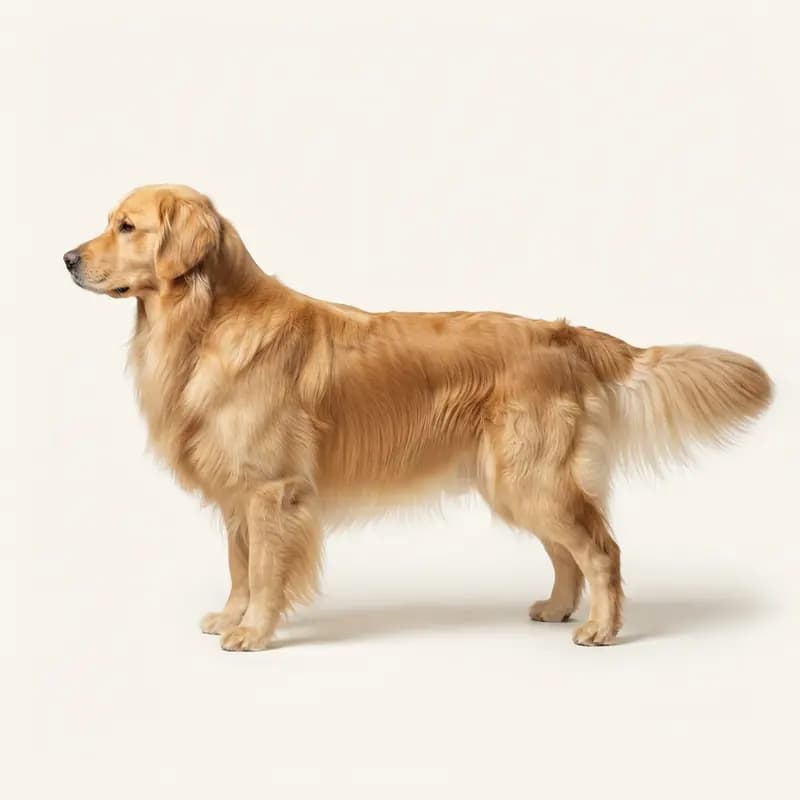
The coat colors that occur in the Golden Retriever — including which ones fall outside the breed standard and which carry genetic risk.
Eye colors
 Brown
Coat type
 Illustrative image
Long
 Smooth
 Double coat
The real vibes check
A Golden Retriever is not a stuffed animal in a teddy bear costume, but a true worker who would love to bring you things all day long. If you try to satisfy this constant readiness to work with only short walks, their talent will wither into frustration and unwanted chewing. However, if you give them a real job, you will get a colleague who will accompany you through life with a soft mouth and unconditional devotion.
The Golden Retriever is a medium-sized dog with a strong and balanced build. His appearance is elegant and harmonious, and he radiates natural beauty and grace. The FCI classifies the Golden Retriever in Group 8, which includes retrieving dogs, searching dogs and water dogs. The Golden Retriever's coat is dense and water-resistant and can be wavy or smooth. It has a good undercoat that protects it from the cold. In the show ring, Golden Retrievers are often slightly heavier and have longer fur than working lines. There is indeed a distinction between show lines and working lines within the breed. Working lines are often slimmer and more agile and have a stronger hunting instinct.
The Golden Retriever is known for its friendly and even-tempered nature. He is an extremely people-oriented dog and forms a strong bond with his family. His friendly nature makes him one of the most popular family dogs. In working lines, the hunting instinct is often more pronounced, and these dogs are particularly suitable for hunting activities or dog sports such as dummy training or obedience. The show lines are often a little calmer in temperament, but both lines are known for their friendly nature. Golden Retrievers are playful dogs and love spending time outdoors, especially when water is nearby. They are excellent swimmers and love retrieving, which stems from their history as waterfowl retrievers. Although affectionate and sociable, Golden Retrievers can learn to stay alone for short periods of time if trained gradually and positively. However, it is important to remember that as social dogs they should not be left alone for long periods of time. Golden Retrievers are intelligent dogs that love to learn. Their desire to please combined with their intelligence makes them good candidates for various dog sports and activities. They are often successful in areas such as rescue dog work, assistance dog work or therapy dog work. In terms of temperament, Golden Retrievers are generally even-tempered. However, they tend to be somewhat exuberant in their youth and require sufficient exercise and mental stimulation to develop balanced behavior. Golden Retrievers have a natural prey-catching behavior that manifests itself in their desire to retrieve. This should be taken into account when training and it is important to provide them with appropriate opportunities to express this behavior. When it comes to watchful behavior, Golden Retrievers are generally not overly vigilant. However, they may bark when someone enters the house. Their friendly nature, however, means they are generally not suitable as guard dogs.
| Watchfulness Occasionally alerts but is fundamentally open. | Low |
| Openness to Strangers Loves every new person immediately and without reserve. | Very open |
| Hunting or Herding Drive Powerful instinct that can override recall when triggered. | Strong |
Fun Fact!
Golden Retrievers are known for carrying things in their mouths without damaging them. There are reports of Golden Retrievers carrying eggs in their mouths without breaking them!
Golden Retrievers are popular family dogs. They are motivated to hunt and need activity appropriate to their type. They are used in a variety of ways, including as assistance dogs.
Golden Retrievers' adaptable nature makes them suitable for both city and country life. However, they are active dogs, so it is important that they receive adequate exercise and mental stimulation, regardless of where they live. When it comes to children, Golden Retrievers are often an excellent choice. They tend to be patient and good-natured, making them good companions for children. However, it is always important to supervise interactions between dogs and children. Golden Retrievers also tend to be friendly with other pets, including cats, especially if they are used to them from an early age.
Lives for its family — the born family companion.
Extraordinarily patient and loving — a true family dog.
Actively enjoys the company of other dogs.
Adapts well to city living and urban environments.
Owning a dog is a privilege, but it's also a real responsibility. Before you bring one into your life, be honest with yourself about the commitment it takes.
Training a Golden Retriever should be positive and consistent. They are intelligent dogs that learn quickly and are eager to please. This often makes them easy to train, but it is important to start training early and be consistent. Golden Retrievers are often successful in various dog sports such as agility, obedience and retriever tests. Because they were originally bred to be retrieving dogs, they enjoy activities that take advantage of this natural behavior. Due to its easy handling, it is also suitable for tasks in the area of assistance dogs for the disabled or rescue dogs. It is important to note that Golden Retrievers can have a tendency to become overly aroused, especially when they are young. It is important to teach them how to stay calm and develop frustration tolerance. Since they also have a natural predisposition to retrieving, there is a risk that they will become "ball junkies" if this is excessively encouraged. It is therefore important to offer a variety of activities and to ensure that the dog is not over-occupied.
The Golden Retriever's diet should be balanced and nutritious. As an active breed, they require a diet that contains sufficient proteins and fats to maintain their energy. It is also important to pay attention to the dog's weight, as Golden Retrievers tend to become overweight, which can put additional stress on the joints. When it comes to grooming, Golden Retrievers have a thick coat with an undercoat, which makes them adapt relatively well to the climate in Germany. However, they shed quite heavily, especially during transition periods. It is advisable to brush the coat regularly to prevent matting and maintain skin health.
| Care Level Regular brushing and occasional professional grooming. | Moderate |
| Exercise Needs Needs several hours of serious exercise every day. | Very active |
| Shedding Hair everywhere, always — no white clothing survives. | Very heavy |
| Trainability Bred to work closely alongside humans. | Highly trainable |
Our experts are still reviewing this information. Spotted something wrong? Email us at info@honestdog.de.
Solid, watch carefully
Health grade
In the Golden Retriever, breed-specific risks exist for hereditary eye diseases such as cataracts and progressive retinal atrophy, as well as hip dysplasia (HD) and elbow dysplasia (ED). The Golden Retriever Club e.V. (GRC) mandates an ophthalmological eye examination (ECVO) for breeding, along with tests for cataracts, retinal dysplasia (RD), and progressive retinal atrophy (PRA). The Deutscher Retriever Club e.V. (DRC) requires genetic tests for Progressive Retinal Atrophy 1 (GR-PRA1) and 2 (PRA-GR2), Neuronal Ceroid Lipofuscinosis 5 (NCL5), and Progressive Rod-Cone Degeneration (PRA-prcd); in these genetic tests and for PRA, carriers are only mated with clear partners. A responsible breeder also has the parent animals examined for HD (HD A–C, C only with restrictions), ED (ED 0–1), and aortic stenosis (AS). Make sure to have all of these official reports and test results presented to you in full before buying a puppy.
Grade is relative to other breeds — AI-assisted and editorially reviewed.
Methodology and data: HonestDog Dog Breed Health Report 2026
What matters most for this breed
Tap any item to see details.
Without consistent weight management, skin care, and good preventative care—such as regular palpation checks for lumps—health problems and veterinary costs can rise significantly later on.
Responsible breeders comply with the requirements of the GRC and DRC regarding eye examinations and genetic tests and also have the parent animals screened for hip dysplasia (HD) and elbow dysplasia (ED).
Note: This health overview is AI-assisted and editorially reviewed. It is for orientation only and does not replace veterinary advice.
What matters most for this breed — what's common, how much it affects the dog's life, and how to protect yourself as a buyer.
Tap a body region to see the inherited conditions linked to it.
The three most important risks
Pick a region on the map to explore other areas.
Tier 1 is the core standard: the tests Deutscher Retriever Club e.V. (DRC) / Golden Retriever Club e.V. (GRC) requires, plus further tests from the recommended health standard for this breed. Tiers 2 and 3 show how responsible breeders go beyond.
Core standard. Tests marked “Club standard” are required by Deutscher Retriever Club e.V. (DRC) / Golden Retriever Club e.V. (GRC) for breeding approval; the others are part of the recommended health standard for this breed. Ask any reputable breeder for the results.
Note: This health overview is AI-assisted and editorially reviewed. It is for orientation only and does not replace veterinary advice.
A Golden Retriever costs around ~€190 per month (€100 – €370, depending on your setup). The first year adds up to roughly ~€5,210 including purchase, equipment and puppy school; across the dog's life (11 years) it comes to about ~€28,310.
With surgery cover, running costs come to about ~€190 per month — in return, your share of a major operation drops from several thousand euros to around 20 percent.
Per month
~€190
In the first year
~€5,210
Across the dog's life
~€28,310
Purchase price per HonestDog's market analysis (asking prices in Germany, as of October 2026): €1,650 – €2,500
Median asking price: €2,050; 20 unique listings in the rolling three-month window. Data for this breed · Methodology
Estimate at a mid-range setup (suburban, dry food, 1–2 hours of daily exercise), average German prices, as of July 2026.

 Illustrative image
 Illustrative imageIllustrative image
 Illustrative image
The Golden Retriever originally comes from Scotland and was developed in the 19th century. The man considered the founder of this breed is Dudley Marjoribanks, later known as Lord Tweedmouth. He bred retrievers with a yellow coat color by crossing a yellow retriever named Nous with a female Tweed Water Spaniel named Belle. Various breeds were crossed over several generations, including the Irish Setter, the Bloodhound and other Tweed Water Spaniels. The breeding was aimed at creating a reliable retriever for hunting waterfowl. The Golden Retriever was recognized as a separate breed by the Kennel Club in Great Britain in 1913.
The Golden Retriever was originally bred for hunting, particularly for retrieving game from water and rough terrain.
Scotland
1868
Many owners value the Golden Retriever as a very affectionate, warm family companion that loves children. Owners repeatedly point out that these dogs want to be in the middle of everything and form a close bond with their people. Their proverbial friendliness usually extends to people and animals alike, which makes them welcome guests almost anywhere.
Experienced owners regularly stress, however, that life with a Golden Retriever is anything but clean or effortless. The breed's real love of mud puddles, open water and wet ground brings a lot of dirt indoors after almost every walk. On top of that, the dense coat sheds year-round, something owners often take with a dose of humor, but also with plenty of vacuuming.
Another recurring point is the breed's huge appetite. Many owners report that on walks their dogs hoover up anything edible and beg for food constantly at home. Clear rules from day one and a watchful eye are needed to avoid the dangers of scavenged trash and gradual weight gain.
Sources:dogforum.demit-tier.deeasy-dogs.netforum.hundund.dewaldundhund.de
Forums and owner reports often debunk the myth that a Golden Retriever more or less trains itself. Many first-time owners are surprised by how much energy and spirit puppies and adolescents in particular show. During adolescence, many young males and females tend to be pushy and overexuberant, often greeting strangers and other dogs boisterously and hanging on the leash with their full weight.
Many owners describe loose-leash training and building frustration tolerance as the toughest jobs in the first two years. Golden Retrievers do come with a strong willingness to work ("Will to Please"), but when they are overwhelmed or don't get enough rest, it quickly tips over into nervous overexcitement. Owners therefore agree that you should train switching off and resting on purpose from the start, rather than just trying to tire the young dog out physically.
Handled consistently, positively and with clear boundaries, on the other hand, these dogs prove very eager to learn and cooperative. According to owners, activities that suit their nature in particular, such as dummy work, retrieving or scent games, make for a balanced, reliable companion. These sensitive dogs, however, are quick to respond to pressure or harshness with insecurity or stubborn shutdown.
On health and grooming, long-time owners stress above all the need to choose a breeder carefully. Because this is a heavy, fast-growing breed, joint diseases such as hip and elbow dysplasia (HD/ED) dominate the discussion, so owners pay special attention to joint-friendly exercise and controlled feeding in the first year.
Skin and ears are another topic owners often discuss. Because of their love of water and their dense undercoat, some dogs are prone to "hot spots" (moist skin inflammation) and to recurring infections of the floppy ears if these aren't dried thoroughly after swimming. Owners also fairly often report food intolerances or allergies that show up as itching.
Owner reports also highlight the difference between show and working lines: while the often stockier show line can tend toward sluggishness and weight gain, dogs from working lines need real work to do to stay mentally healthy and balanced. Overall, owners stress that a Golden Retriever kept lean and mentally challenged stays a lively, robust partner for many years.
Paraphrased from real owner reports · translated from German
The Golden Retriever is an active dog that needs plenty of exercise and mental stimulation. Research the temperament, grooming needs, and space requirements before deciding.
The average life expectancy of a Golden Retriever is 10-12 years. With proper care and regular vet visits, your dog can live a long, healthy life.
Golden Retriever grooming requirements include regular brushing, nail trimming, and dental care. HonestDog provides detailed grooming tips for every breed.
The Golden Retriever can be a great family dog. Proper training and socialization are key. HonestDog provides family suitability information for every breed.
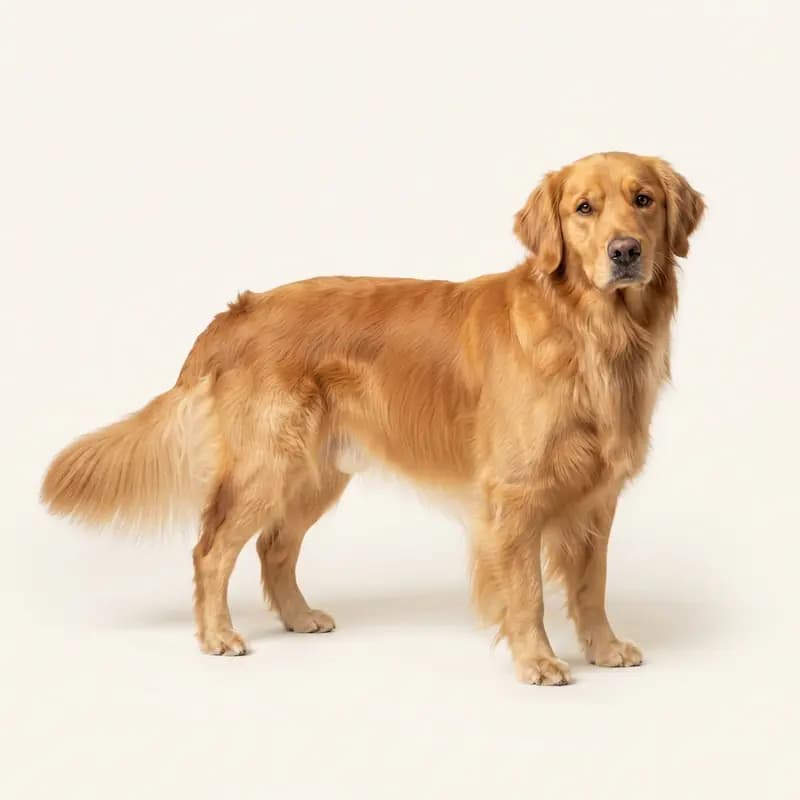
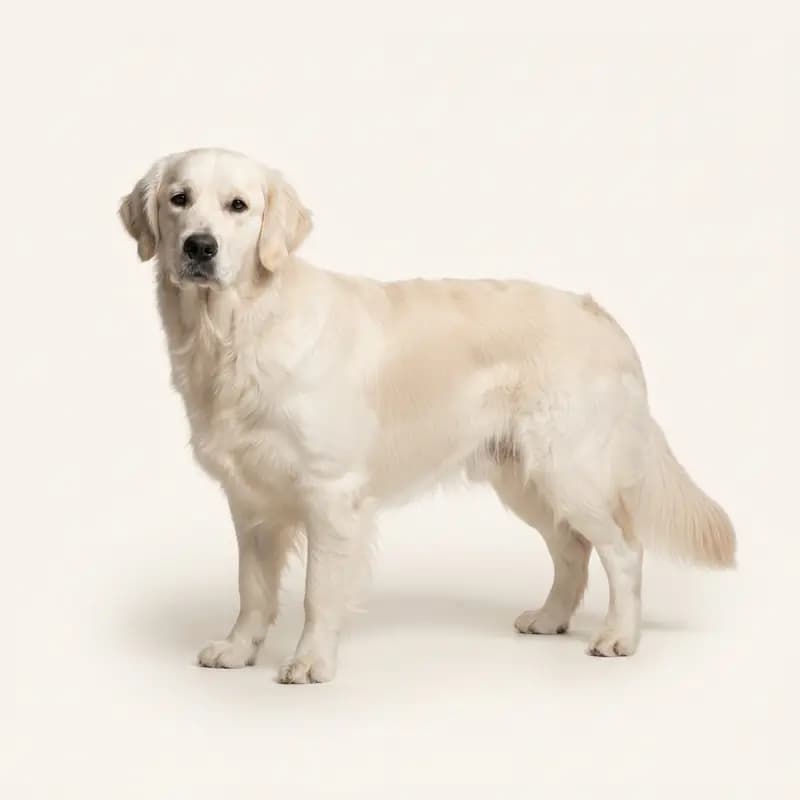
The Golden Retriever comes in these colors: Gold, Cream, Red. Colors that fall outside the breed standard are marked as such on the breed page.
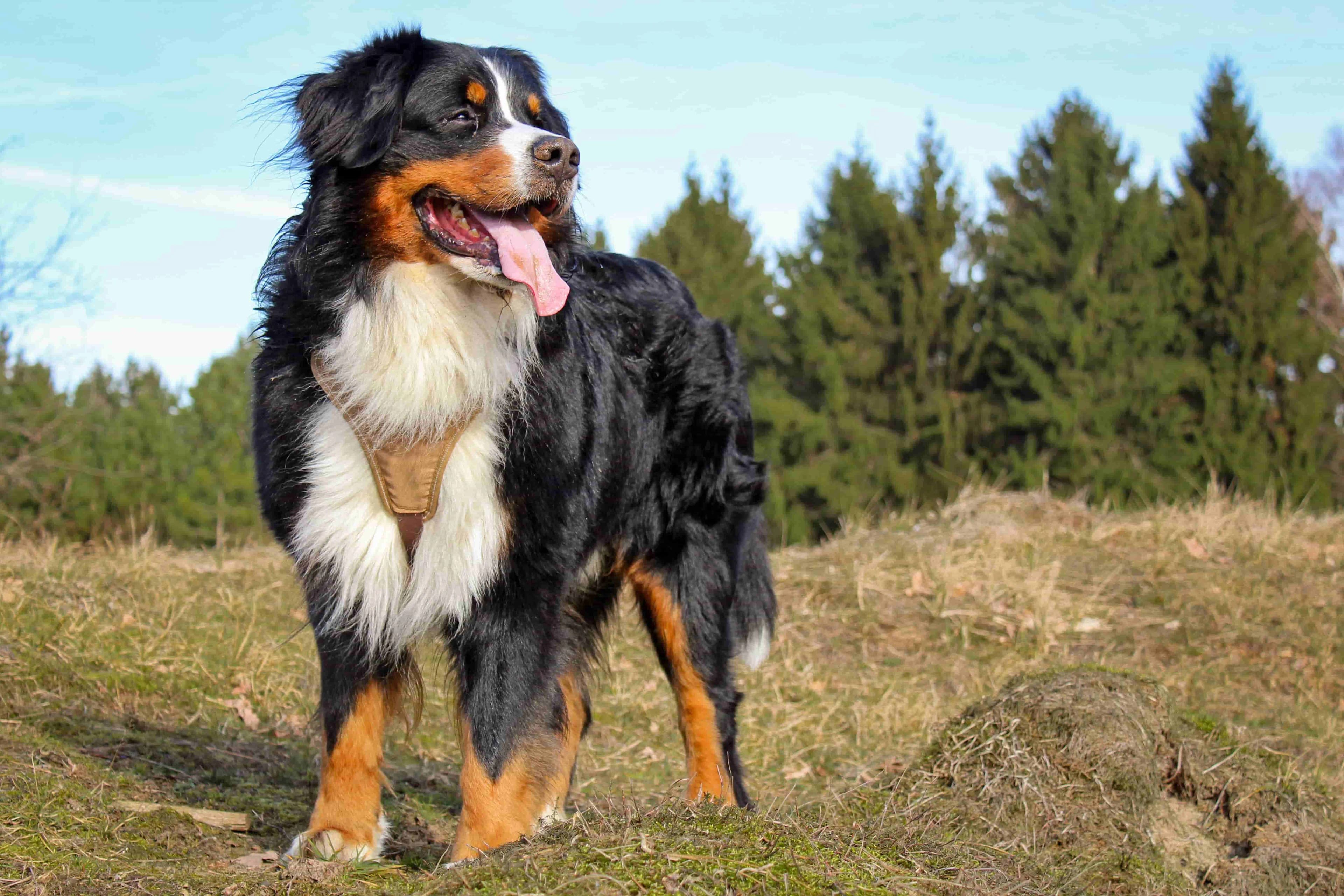
Choosing between a Bernese Mountain Dog and a Golden Retriever? Compare temperament, care needs, and costs to find the perfect companion for your home.
Compare the golden retriever and Labrador on temperament, care, and costs to discover which of these popular breeds is the perfect match for your family.
Master golden retriever training with our expert guide. From puppy basics to advanced dummy work, learn how to raise a happy, obedient companion.
Showcase your kennel on HonestDog and reach families searching for a responsibly bred Golden Retriever.