Boston Terrier temperament: Is this breed right for you?
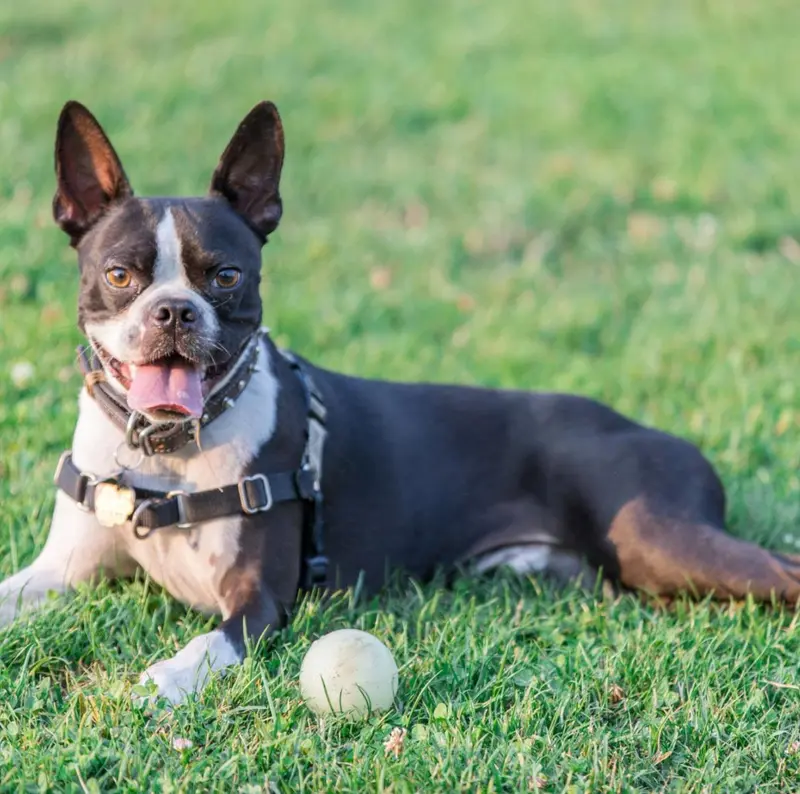
The Boston Terrier stands out. With its distinctive coat pattern that looks like an elegant tuxedo, it’s not hard to see why they earned the nickname "American Gentleman." But it’s not just their appearance that has made this breed a beloved companion for decades. When you decide to bring a dog into your life, you are welcoming a new family member—and their personality is far more important than their looks.
If you're thinking about sharing your life with one of these charming dogs, you face an important question: Does the Boston Terrier temperament actually fit your daily routine, living situation, and expectations? In this article, we'll take a close look at the typical behavior, strengths, and challenges of this breed in everyday life.
The Basics: Typical Boston Terrier Personality
The Boston Terrier belongs to the FCI Group 9 (Companion and Toy Dogs). This classification says a lot about its breeding history: it was primarily bred to provide companionship. While the heritage of Bulldogs and Terriers is rooted deep in its DNA, the sharpness of earlier Terrier days has given way to a gentle, people-oriented nature.
Adaptability as a Core Trait
Dog trainers and behaviorists often highlight one particular trait: the breed's remarkable adaptability. The Boston Terrier temperament is defined by the dog mirroring the mood and energy levels of its owner. If you're planning a cozy Sunday on the sofa, your Boston Terrier will snuggle up close and sleep the day away. However, if there's a long walk in nature on the agenda, they'll be ready to go immediately with bright eyes and cheerful energy.
This flexibility doesn't mean they don't have needs of their own. As a dog with moderate energy levels (3 out of 5), they require daily physical and mental stimulation. They aren't hyperactive dogs that need to run for hours, but they aren't mere lapdogs who are satisfied with just a quick walk around the block either.
Intelligence and Charm
The breed is considered intelligent and alert. They observe their humans closely and learn quickly how to get their own way with a certain look or a charming gesture. This clever behavior makes life with them entertaining, but it also requires a certain level of consistency in training. A Boston Terrier knows exactly which family member might be a bit more lenient with the rules.
Who is the Boston Terrier suitable for?
Not every dog is right for every person. The decision to choose a specific breed should always be based on an honest analysis of your own lifestyle.
Families and Children
The Boston Terrier scores full points for family friendliness. Due to its sturdy, yet compact build (with a height of 38 to 43 cm and weighing between 4 and 11 kg), it is more resilient than many smaller companion breeds. They love being the center of family life and are typically very patient and playful with children.
However, as with any dog, interactions between small children and dogs should always be supervised by adults. Children must learn to respect the dog's quiet zones.
Singles, Couples, and Seniors
Because they are so people-oriented, the Boston Terrier is an excellent companion for singles and couples. They form deep bonds with their owners. The breed is also well-suited for active seniors. Since the Boston Terrier doesn't have an extreme drive to move like a working dog, they are easy for older individuals to walk on a leash and keep occupied in daily life.
First-Time Dog Owners
Trainability is often classified as moderate, making them a good candidate for first-time owners. They generally forgive minor training mistakes well and do not tend toward aggressive or overly territorial behavior. Anyone who does their research beforehand and ideally attends a dog training school will do well with a Boston Terrier as their first dog.
Living Together: Housing and Other Pets
How does the Boston Terrier temperament fare in different living conditions and around other pets?
The Ideal City Dog
Many breeds suffer from sensory overload or lack of space in an urban environment. The Boston Terrier, however, is considered an excellent city dog. They don't necessarily need a large garden as long as they are taken for regular walks. Furthermore, they are not "nuisance barkers." While they will alert you if someone rings the doorbell, they don't tend to bark incessantly. This trait keeps the neighbors happy in an apartment building.
They are also low-maintenance, which is ideal for apartment living. The short, smooth coat sheds very little (Shedding: 1 out of 5) and brings hardly any dirt into the house. Occasional brushing is perfectly sufficient to keep the coat shiny.
Compatibility with Other Dogs and Pets
On walks or in the dog park, the Boston Terrier is usually friendly and open toward other dogs. They love to play, though their playing style can sometimes be a bit physical—a legacy of their Bulldog ancestors. When socializing as a puppy, it's important to expose them to dogs of different sizes and breeds.
Living with cats or other pets is usually harmonious, especially if the Boston Terrier has been accustomed to them from a young age. Their prey drive is typically weak to moderate.
Exercise and Activity Needs
A balanced dog is a happy dog. To maintain the friendly nature of the Boston Terrier, they must be stimulated appropriately.
Walks and Physical Activity
Two to three moderate walks a day is a good guideline. The dog appreciates variety: new routes where they can sniff to their heart's content provide excellent mental stimulation. They love occasional sprints or short play sessions with a ball or tug toy.
There is one important limitation when it comes to exercise: anatomy. As a brachycephalic (short-nosed) breed, many Boston Terriers are sensitive to heat. Their shortened snout makes thermoregulation through panting more difficult. In the middle of summer, walks should be moved to the cool morning and late evening hours. Expert bodies, such as the German Federal Chamber of Veterinarians, regularly point out that short-nosed breeds must be physically protected during high temperatures to prevent life-threatening heatstroke.
Mental Stimulation
The Boston Terrier doesn't just want to walk; they want to think. Intelligence toys, search games in the living room, or learning small tricks (dog dancing or trick training) are excellent ways to challenge the dog mentally. Since they are very food-motivated, they are easy to train with treats.
Challenges: What makes the breed demanding
Despite their easygoing reputation, the Boston Terrier has traits that must be considered beforehand to avoid later frustration.
Separation Anxiety
The Boston Terrier's greatest strength—its immense attachment to humans—is also its biggest weakness. These dogs do not like to be left alone. If left for many hours without careful training, they can quickly develop separation anxiety. This can manifest as destructive behavior (chewing furniture), house-soiling, or howling. If you are away for eight hours a day for work and cannot take your dog with you, this breed is not the right choice unless you have organized reliable dog care.
Terrier-like Stubbornness
Even though they are classified in Group 9, they do have "Terrier" in their name. This sometimes shows up as a charming but distinct stubbornness. If a Boston Terrier doesn't see the point in a command, or if the grass across the street smells incredibly interesting, they might just tune you out. Patience is required here, as harshness or impatience will achieve the exact opposite with these sensitive dogs.
Physical Limitations and Behavior
A dog's temperament is inseparable from its physical condition. A dog that struggles to breathe becomes stressed more quickly, gets tired faster when playing with other dogs, and may react irritably. It is therefore essential to look for breeders who prioritize health and free breathing when choosing your puppy. Reputable sources for this include clubs affiliated with the VDH, such as the 1. Club für Boston-Terrier in Deutschland e.V..
Training: Practical Approaches for the Boston Terrier Personality
Training a Boston Terrier requires a blend of loving consistency and positive reinforcement.
- Positive Reinforcement: Use praise, toys, and treats. The Boston Terrier wants to please, but they are sensitive. A loud, harsh voice deeply unsettles them and can damage the bond of trust permanently.
- Consistency from Day One: Because they are so small and cute, it's tempting to let puppies get away with things that would be annoying in an adult dog (e.g., begging at the table). What the adult dog shouldn't do, the puppy shouldn't be allowed to do either.
- Training to Stay Alone: Begin training to stay alone during the first few weeks in your new home. Increase the duration in minute increments so the dog learns that your return is a given.
Boston Terrier Experiences: What Owners Say
If you search for Boston Terrier experiences from long-time owners, certain anecdotes recur frequently. Many owners report the "zoomies," where the dog runs through the apartment or garden with pure joy for no apparent reason, only to fall asleep snoring on their cushion afterward.
Another topic often mentioned with a wink is bodily sounds. Due to their short snout, many Boston Terriers tend to snore and grunt, which is often perceived as communicative and cozy. Flatulence is also more common in the breed, but this can often be minimized significantly through high-quality, balanced nutrition.
In summary, owners almost always describe their Boston Terrier as the most loyal shadow imaginable. They are a full-fledged family member who wants to actively participate in your life.
Frequently Asked Questions (FAQ)
Do Boston Terriers bark a lot?
No, the Boston Terrier is not a natural nuisance barker. While they will alert you to unusual noises or visitors at the door with a short bark, they usually calm down quickly. This makes them very pleasant apartment dogs.
Can a Boston Terrier be left alone?
Being alone is not their strong suit, as they form an extremely close bond with their humans. With careful, step-by-step training during the puppy phase, they can learn to stay alone for moderate periods (about 4 to 5 hours). For full-time workers without the option to bring the dog or have someone check in, this breed is not ideal.
Do Boston Terriers have a strong prey drive?
The prey drive in most Boston Terriers is weak to moderate. They were not bred for hunting but as companion dogs. However, a running squirrel or a cat can occasionally trigger a chase instinct. With solid recall training, this is easily manageable in everyday life.
How much exercise does a Boston Terrier need?
A Boston Terrier doesn't need hour-long hikes, but regular daily exercise is mandatory. About 1 to 1.5 hours of walking per day, divided into several sessions, combined with mental stimulation through search games or tricks, is typically enough to keep them happy and balanced. On hot summer days, the workload must be reduced accordingly.
The Next Step to Your Companion
The Boston Terrier is a fascinating little dog with a big heart. Their personality is defined by friendliness, adaptability, and remarkable loyalty. If you are looking for a dog to walk through thick and thin with you, one who is just as happy about an afternoon on the couch as an extensive spring walk, and who puts a smile on your face every day, then the "American Gentleman" might be the right one for you.
Before you make a final decision, it's wise to get deeply acquainted with the physical traits and history of the breed. In our detailed Boston Terrier breed profile, you will find all further information regarding care, health, and breeding standards.
If you feel after careful consideration that this strong-willed character fits perfectly into your life, the exciting search for a reputable breeder begins. At HonestDog, we place the highest value on transparency and animal welfare. Find vetted and responsible breeders so you can find Boston Terrier puppies safely and with a clear conscience. Take the time to get to know the breeders and ask all the questions on your mind—your future companion will thank you with a long, happy life.