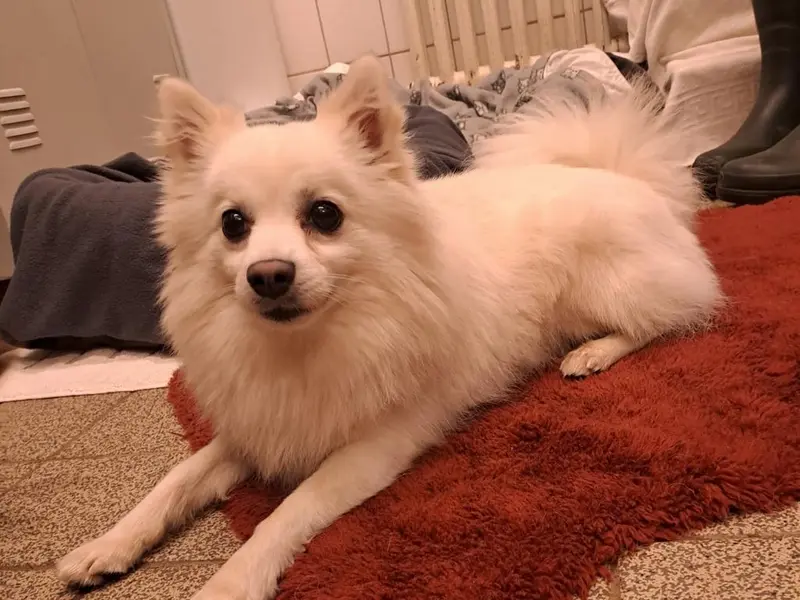
Choosing a new four-legged companion is one of the most exciting, yet important decisions you can make. If you are interested in small dog breeds, you will likely face this exact question at some point: Pomeranian vs. Chihuahua – which of these two fascinating breeds fits better into my life? Both dogs may be tiny, but they possess personalities that can fill an entire room.
Small dogs are incredibly popular, especially in urban areas. They are compact, can usually accompany you in the cabin on airplanes, and fit perfectly into apartment living. However, many aspiring dog owners make the mistake of choosing these dogs based solely on their appearance or size. A Chihuahua is not a shorthaired Pomeranian, and a Pomeranian is not a fluffy Chihuahua. Behind the cute facade lie centuries-old instincts, completely different breeding histories, and very specific needs.
In this comprehensive guide, we dive deep into the world of these two micro-dogs. We examine their temperament, grooming requirements, health aspects, and costs. By the end of this article, you will know exactly whether you are more of a "Pomeranian person" or a "Chihuahua person."
Pomeranian vs. Chihuahua: The Ultimate Comparison at a Glance
Before we dive into the details, let's look at the hard facts. The following table provides a clear comparison of the most important breed characteristics, giving you a first impression of how they differ and where they share commonalities.
| Characteristic | Pomeranian | Chihuahua |
|---|---|---|
| Origin | Germany | Mexico |
| Breed Group | Spitz and Primitive Types | Companion Dogs |
| Temperament | Inquisitive, bold, lively | Charming, graceful, sassy |
| Size (Height) | 18–22 cm | 18–23 cm |
| Weight | 1–3 kg | 1–3 kg |
| Coat Type | Long, straight hair with dense undercoat | Shorthair (smooth) or Longhair |
| Life Expectancy | 12–16 years | 14–17 years |
| Energy Level | Medium to High (3/5) | Low to Medium (2/5) |
| Grooming Needs | High (4/5) | Low to Medium (2/5) |
| Urban Suitability | Very High (5/5) | Very High (5/5) |
| Price Range | 1,500 – 3,000 EUR | 1,000 – 2,500 EUR |
As you can see, the two breeds are confusingly similar in terms of size and weight. But once we look at their ancestry, coat, and energy levels, the differences become significant. To delve even deeper into the history of the breeds, I recommend checking out our detailed Pomeranian breed profile as well as the Chihuahua breed profile.
Character and Temperament: Big Egos on Short Legs
Anyone who thinks small dogs lack real personality has never met a Pomeranian or a Chihuahua. Both breeds often suffer from a type of charming megalomania: they simply forget how small they are.
The Pomeranian: The Bold Guardian
The Pomeranian belongs to the Spitz breed group. Historically, Spitz dogs were used as guard and farm dogs. Even though the Pomeranian has been miniaturized through selective breeding, that "watchdog blood" still flows through its veins. They are incredibly alert, curious, and love to loudly announce any unusual sounds. If you live in an apartment with thin walls, you should work consistently on curbing excessive barking from day one.
At the same time, the Pomeranian is extremely loyal. They form a deep, almost symbiotic bond with their humans. This unconditional love has a downside: Pomeranians are highly prone to separation anxiety. If left alone for hours, they may react with constant barking or destructive behavior. They are playful, love learning new things, and are considered highly intelligent. Their self-confidence means they often don't back down from larger dogs—here, you as an owner need to protect your "little lion" from themselves.
The Chihuahua: The Loyal Companion with Sassy Charm
The Chihuahua has a completely different history. Originating from Mexico, they have primarily been bred as pure companion dogs. The Chihuahua's temperament is often described as charming and graceful, but also very sassy.
What makes the Chihuahua special is their tendency to be a "one-person dog." They often choose their absolute favorite person in the family and follow them everywhere. While friendly toward other family members, their loyalty belongs to their "number one." Chihuahuas are brave and will confront much larger dogs without hesitation. Unfortunately, they are often coddled, which leads to the infamous "ankle-biter" stereotype. If you treat a Chihuahua like a large dog, set clear boundaries, and socialize them well, you will get a fantastic, agile, and affectionate companion.
So, if you are asking yourself: Pomeranian or Chihuahua? Then consider what is more important to you in your daily life. Do you want an alert, fluffy whirlwind that enjoys keeping watch? Or do you prefer a more focused, graceful companion that gives their affection selectively?
Grooming and Care: What Can You Expect?
Grooming is where the paths of these two breeds significantly diverge. Anyone comparing a Pomeranian to other dogs without considering their coat will encounter a nasty surprise in daily life.
Coat Care: The Cloud vs. The Minimalist
The Pomeranian has a magnificent, standing-off coat with an incredibly dense undercoat. On the grooming scale, they easily reach a 4 out of 5. For you, this means picking up the brush at least three to four times a week—and during shedding season, daily. If you don't, the undercoat will painfully mat against the dog's skin. Furthermore, Pomeranians love to bring leaves, small twigs, and dirt home in their fluffy coats. Regular visits to a professional groomer are highly recommended for this breed.
The Chihuahua, on the other hand, scores well in terms of grooming (2/5). They come in two varieties: shorthair and longhair. The shorthair Chihuahua requires almost no coat care—occasional brushing with a soft brush or a rubber glove is enough to remove loose hair and stimulate the skin. The longhair Chihuahua has soft hair and some undercoat. They also need to be brushed (about once or twice a week), but the effort is not even remotely comparable to that of a Pomeranian.
Movement and Activity
Don't be fooled by their size. Both dogs have legs and want to use them. The Pomeranian has a slightly higher energy level (3/5). They love small hikes, puzzle toys, and can even take a liking to canine sports like mini-agility or dog dancing. They need physical, but especially mental stimulation.
The Chihuahua (energy level 2/5) is a bit more laid back. Of course, they enjoy extensive sniffing walks, but they are often content with shorter rounds as long as they get to be with their human. Be careful in bad weather: Chihuahuas get cold quickly. Since they have little insulating underfat and often walk close to the cold ground, a well-fitting dog sweater or coat in winter is not a fashion accessory—it's a health necessity.
Health and Life Expectancy
Both breeds can reach a considerable age. The Pomeranian averages 12 to 16 years, while the Chihuahua often lives to be 14 to 17 years old. However, this longevity does not mean these dogs are free from breed-specific diseases.
Due to their extremely small size, both breeds are prone to similar health issues:
- Patellar Luxation: The kneecap can easily slip out of place in small breeds. This leads to a typical hopping gait (skipping).
- Tracheal Collapse: The windpipe of micro-dogs is extremely soft and can collapse inward. This leads to paroxysmal coughing. Important: Never lead these dogs with a collar; always use a well-fitting chest harness!
- Dental Problems: There is often not enough space for teeth in their tiny jaws. Tartar buildup and premature tooth loss are common. Daily teeth brushing is a must for both Pomeranians and Chihuahuas.
- Hypoglycemia (Low Blood Sugar): Especially during puppyhood, these tiny dogs can quickly suffer from low blood sugar, which can be life-threatening. They require small, regular meals.
As an experienced dog expert, I must issue a strong warning: stay away from so-called "Teacup" dogs. Breeding for increasingly extreme dwarfism comes with massive suffering for the animals. The German Federal Chamber of Veterinarians often classifies extreme miniaturization as torturous breeding. Never buy dogs based on the criteria of being "as small as possible"; instead, look for a healthy, robust physique within the breed standard.
Costs: Purchase and Ongoing Expenses
The purchase of a purebred dog is always a financial investment, and toy breeds are no exception—on the contrary.
For a healthy Pomeranian from a reputable breeder, you must expect a purchase price of 1,500 to 3,000 EUR. The Chihuahua is often slightly cheaper at 1,000 to 2,500 EUR, but still sits in the upper price segment. Why are these tiny dogs so expensive?
The answer lies in breeding. Females of small breeds only have very small litters (often only 1 to 3 puppies). C-sections are frequently necessary, which drives up the veterinary costs for the breeder. A reputable breeder who is part of the German Kennel Club (VDH) or the FCI also invests significant money in DNA testing, patella examinations, and cardiac ultrasounds for the parent animals.
Ongoing costs are manageable for both breeds. A 2-kilo dog doesn't eat much. However, you should keep in mind that veterinary costs are not calculated based on weight. Dental surgery under anesthesia costs the same for a Chihuahua as it does for a Labrador. Therefore, good pet health insurance is highly recommended.
If you are ready to take the step and share your life with one of these wonderful dogs, you can find information on HonestDog, where you can locate responsible breeders near you. Feel free to take a look at the available Pomeranian puppies or Chihuahua puppies.
Which Breed Is Better for Whom?
A Chihuahua comparison with other companion dogs often shows: they are the perfect dog for singles or couples without children. Chihuahuas are highly focused on one person. In a turbulent large family, they often feel stressed. Their child-friendliness is rated 2/5. This is not because they hate children, but because they are so delicate. An accidental step or a toddler gripping too hard can lead to severe broken bones. They will then instinctively defend themselves with their teeth.
The Pomeranian is somewhat more family-oriented (family-friendliness 4/5, child-friendliness 3/5). They are slightly more robust (at least visually due to their coat) and can find their place in a multi-person household as long as they have clear retreat spaces. However, for families with very small children under 6 years old, I would generally advise against both breeds, as the risk of injury to the dog is simply too high.
Are you a first-time dog owner? The Chihuahua is somewhat easier to train (trainability 3/5) than the often-stubborn Pomeranian (trainability 2/5). However, both dogs require loving consistency. The biggest mistake with small dogs is letting them get away with behaviors you would never tolerate in a German Shepherd (jumping up, constant yapping, growling during feeding). An untrained small dog means stress for everyone involved.
In terms of urban suitability, both breeds score full marks (5/5). They can easily be kept in apartments and are easily integrated into public transport.
Frequently Asked Questions (FAQ)
Do Pomeranians really bark more than Chihuahuas?
Yes, generally speaking. The Pomeranian is historically a guard dog and has a natural urge to loudly defend its territory and report anomalies. A Chihuahua is more likely to bark out of insecurity, excitement, or when they want to defend their primary person. However, with both breeds, early training is crucial to channel the barking in the right direction.
Can these small dogs walk long distances?
Absolutely! A healthy Chihuahua or Pomeranian in their prime can easily manage hikes of 5 to 10 kilometers, provided they have been slowly accustomed to it. You naturally have to adjust the pace and exercise caution on hot days (especially with Pomeranians due to their dense undercoat), but they are by no means just "handbag dogs."
Pomeranian or Chihuahua: Which sheds more?
Both breeds are rated 3/5 in terms of shedding, but the type of hair is different. The Pomeranian tends to lose actual "dust bunnies" that are easily picked up from the carpet. A shorthaired Chihuahua loses short, stiff hairs that can drill themselves into upholstery and car seats like small needles and are very difficult to remove.
Do Pomeranians and Chihuahuas get along with other dogs?
The Pomeranian (socialization 4/5) is generally a bit more open to other dogs than the Chihuahua (socialization 2/5). Chihuahuas are often "racist" toward other breeds and strongly prefer other Chihuahuas. With large dogs, extreme caution is advised for both breeds, as large dogs can unintentionally cause severe injury to the tiny companion during play, or in the worst-case scenario, view them as prey.
Conclusion: No Breed Is "Better"—It Depends on Your Life
As we reach the end of our major comparison, one thing is clear: neither the Pomeranian nor the Chihuahua is the "better" dog. They are both masterpieces of breeding, fascinating companions, and full-fledged dogs in miniature format.
If you enjoy intensive grooming, want a watchful, fluffy companion that loves to be the center of attention, and are impressed by their eagerness to learn, then the Pomeranian is your perfect match.
However, if you are looking for a dog with an extremely close bond to you, that is lower maintenance regarding grooming and can be taken everywhere like a shadow, then the brave little Chihuahua will conquer your heart.
It is important not to be blinded by their cute appearance. Think honestly about how much time you can dedicate to training, grooming, and activity. If you are sure that one of these wonderful small dogs is right for you, HonestDog.com is here to support you as a trustworthy platform on your journey. With us, you not only find in-depth information but can also ensure that your new family member comes from a loving and responsible breeder. Take the time to find the right companion—the coming 15 years will thank you for it!