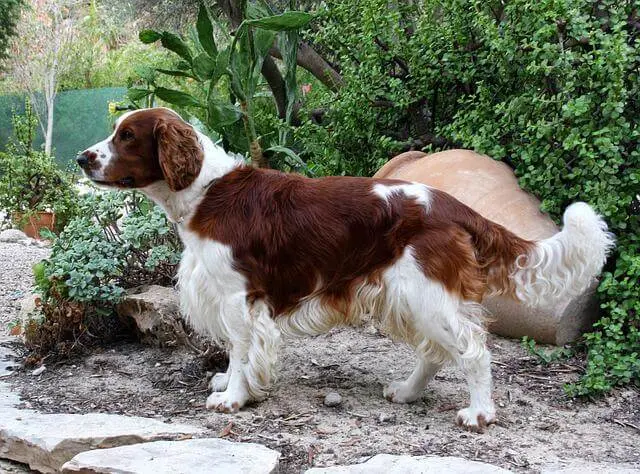
The Welsh Springer Spaniel temperament is shaped by centuries as one of Britain's oldest hunting breeds. Originally bred in the rugged landscapes of Wales to flush game, this red-and-white spaniel has earned a cherished place in many modern homes. Yet a dog with such a rich working heritage brings distinct qualities that need proper understanding and guidance in daily life.
If you're considering sharing your life with this cheerful and hard-working companion, taking a close look at the Welsh Springer Spaniel character is essential. In this article, we explore the breed's personality in detail so you can decide whether you'll make a harmonious team.
Core Personality: Blending Working Drive with Couch-Time Comfort
The typical Welsh Springer Spaniel nature features an appealing duality common among flushing dogs: outdoors, they are tireless, focused, and energetic workers, while indoors, they show remarkable calm and balance—provided their physical and mental needs are met.
Unmatched Loyalty and the "Velcro Dog" Reputation
Among breed enthusiasts, the Welsh Springer is often affectionately called a "Velcro dog." This simply reflects their deep, unwavering attachment to their humans. This dog wants to be right where the family is. They love lounging nearby, following you quietly from room to room, and soaking up physical affection. While this makes them exceptionally loyal and loving companions, it also means they are never meant to spend long days isolated or kept outdoors in a kennel.
Polite Reserve with Strangers
Unlike some retriever breeds that greet every stranger as an instant best friend, the Welsh Springer Spaniel is often more reserved. They are alert when visitors arrive and will certainly announce them, but they rarely rush in with over-the-top excitement. Instead, they prefer observing from a safe distance before making polite, friendly contact once they sense everything is fine. Aggression or extreme timidity are entirely uncharacteristic of the breed.
The Welsh Spirit: Lively Yet Grounded
With an energy level on the higher side, the Welsh Springer brings a joyful, upbeat personality to everyday life. Always up for an adventure, they approach activities with genuine enthusiasm. At the same time, they aren't hyperactive. Experienced spaniel owners know that while these dogs can run and search for hours, they also know how to settle down quickly and relax once back inside.
For more detailed facts on their history and physical traits, check out our comprehensive Welsh Springer Spaniel breed profile.
Does the Welsh Springer Spaniel Fit Your Lifestyle?
No dog suits every household. Choosing a sporting breed—even one destined primarily as a family companion—should always be based on realistic expectations.
Families and Children
The Welsh Springer Spaniel earns top marks for family life and compatibility with children. Their sturdy yet gentle demeanor makes them wonderful companions for growing kids. They are patient and thrive on being part of daily household action. However, the fundamental rule of dog safety always applies: even the gentlest dog needs a quiet retreat that children respect. When kids learn how to interact respectfully, this spaniel becomes a tireless, devoted playmate.
Singles, Couples, and Seniors
For active singles or couples who spend plenty of time outdoors, the Welsh Springer is an ideal partner. They gladly join in on hikes, long trail walks, or moderate jogs. For seniors, the breed can be a great match under the right conditions. The physical strength of a spirited dog weighing 18 to 23 kilograms (40 to 50 lbs) shouldn't be underestimated. If you have the physical fitness and time to meet their exercise needs, they make wonderful companions.
First-Time vs. Experienced Dog Owners
The Welsh Springer Spaniel is generally well-suited to dedicated first-time owners. They possess a natural "will to please"—a strong desire to work alongside and satisfy their handler. However, training still requires consistency, patience, and empathy. If you're willing to attend quality training classes and learn about spaniel-specific needs, this breed can be a fantastic first dog.
Living Environment: Apartments, Cities, and Other Pets
Your living environment plays a significant role in how well your dog's personality can flourish.
City vs. Country Living
Urban adaptability for the Welsh Springer Spaniel is moderate. While they can adjust to apartment life, they aren't built to be strictly city dogs. The constant sensory stimulation of a bustling metropolis can be overwhelming for a sensitive dog with a keen nose. Daily access to expansive green spaces, parks, or woodland trails on a long line is a must. A suburban or rural home with a securely fenced yard suits their nature far better.
Other Dogs, Cats, and Small Animals
Compatibility with other dogs is typically very high. Historically, spaniels hunted in packs where dog-on-dog aggression could not be tolerated. With proper early socialization, they generally steer clear of conflicts.
Living with cats and small pets depends heavily on early exposure. If raised with a household cat, they usually accept it as family. Outdoor cats wandering through the yard, however, may still trigger their instinct to give chase.
Exercise Needs and Mental Enrichment
Three quick walks around the block each day won't cut it for a Welsh Springer Spaniel. If you want a calm, balanced companion at home, taking their exercise and enrichment needs seriously is key.
Mental Work Is Just as Important as Physical Running
As a flushing dog, the Welsh Springer is hardwired to use their nose. Trying to wear them out solely through endless games of fetch often just builds stamina and elevates arousal levels. Scent-based enrichment is far more rewarding and calming.
- Mantrailing and tracking: Structured trailing or scent searches provide exceptional mental stimulation.
- Dummy training: Although primarily flushers, most Welsh Springers love retrieving. Dummy work builds impulse control and strengthens teamwork.
- Daily search games: Hiding treats or favorite toys during walks is a simple yet effective way to engage their brain.
For more inspiration on breed-appropriate sports and activities, spaniel organizations such as the Jagdspaniel-Klub e.V. provide helpful insights into working tests and field training opportunities.
Challenges: Points to Keep in Mind
Despite their friendly nature, living with a Welsh Springer comes with a few specific challenges that real-world owners frequently note.
Prey Drive: Manageable, but Very Real
While often described as having a moderate prey drive compared to sight hounds, Welsh Springers are instinctively driven to flush game from dense cover. In practice, this means they are quick to dart into bushes whenever they catch an interesting scent. Reliable recall training and using a long tracking line in wildlife-heavy areas are essential throughout their early years.
Separation Anxiety and Being Left Alone
Because they form such deep bonds with their humans, Welsh Springers can struggle with solitude. If being left alone isn't introduced gradually and positively from puppyhood, they can develop separation anxiety. This may manifest as prolonged barking, whining, or stress-induced destructive chewing. Building their independence step-by-step is vital.
Independent Problem-Solving
In the field, a flushing dog works for the hunter but makes independent tactical decisions in thick undergrowth. This legacy gives them a streak of autonomy that is sometimes mistaken for stubbornness. A Welsh Springer often knows exactly what you're asking, but if a fresh scent catches the breeze, they may weigh their options before complying.
Training: Working with the Welsh Springer Temperament
Training this sensitive breed requires a gentle, balanced hand. Harsh corrections, raised voices, or punitive methods will quickly erode their trust. The Welsh Springer is a soft dog that reacts strongly to changes in your tone and mood.
Consistency Without Harshness
Positive reinforcement is the foundation of success. When good behavior is rewarded with treats, play, or praise, Welsh Springers learn quickly and eagerly. At the same time, they need clear, predictable boundaries. Inconsistency—like allowing them on the couch one day and scolding them the next—causes real confusion. Calm, affectionate consistency gives them the clarity and security they need.
Managing the "Velcro" Tendency
To prevent strong attachment from turning into hyper-attachment or separation distress, establish designated rest spots around the house. Teach your dog to settle happily on their bed even when you walk into another room. Crate training (used positively as a cozy den, never as punishment) or a dedicated mat can be invaluable tools.
It's also helpful to review official breed standards and health requirements through registry resources like the VDH or AKC to gain a deeper understanding of the breed's natural traits and heritage.
Frequently Asked Questions (FAQ)
Do Welsh Springer Spaniels bark a lot?
They aren't nuisance barkers, but they are naturally alert. They will readily let you know if someone approaches the property or if they hear an unfamiliar noise. With consistent training, this alert barking is easily managed so they settle once you acknowledge the alert.
How does the Welsh Springer differ from the English Springer Spaniel?
While closely related, there are subtle differences. Welsh Springers tend to be slightly more reserved with strangers and often bond more exclusively with their immediate family. They also possess a bit more independent flair. English Springer Spaniels are typically slightly larger and often display an instantly outgoing, enthusiastic approach toward everyone they meet.
Can a Welsh Springer Spaniel be left alone for long periods?
Spaniels generally dislike being left alone for extended stretches. With patient, gradual training, adult dogs can comfortably manage 3 to 4 hours on their own. However, regular 8-hour workdays alone at home do not suit their social nature and can lead to significant stress.
How demanding is coat care, and does it impact daily life?
Grooming requirements are moderate. Their medium-length, silky coat easily picks up burrs, twigs, and mud during walks in the woods. A quick daily brush and regular trimming around the ears and paw pads keep them neat. Making grooming a pleasant routine turns it into wonderful bonding time.
Looking for the Right Companion?
The Welsh Springer Spaniel is a loyal, joyful, and affectionate partner for anyone who loves the outdoors and appreciates the sensitive nature of hunting spaniels. Their calm indoor presence combined with their spirited outdoor enthusiasm makes them fantastic family members.
If you're ready to invest time in positive training, active adventures, and plenty of close companionship, this Welsh breed will brighten every single day. Choosing a reputable breeder who focuses on stable temperaments, health screenings, and thoughtful early socialization is the first and most important step.
At HonestDog, we're here to guide you. Our platform connects you with verified, responsible breeders who put animal welfare first. When you're ready to welcome one of these dogs into your life, explore our verified listings to find Welsh Springer Spaniel puppies and start a wonderful lifelong journey together.