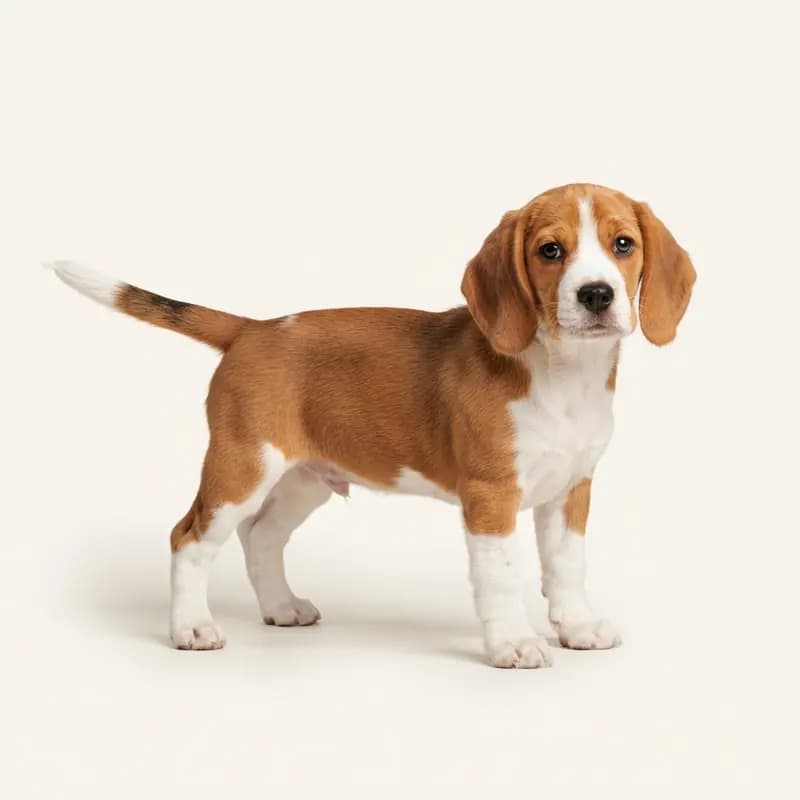
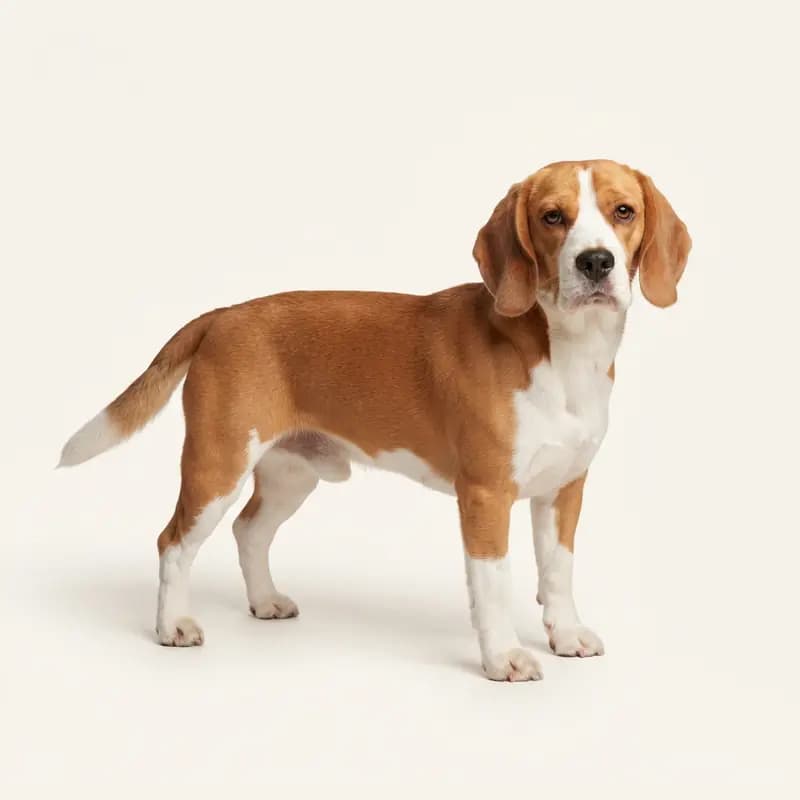
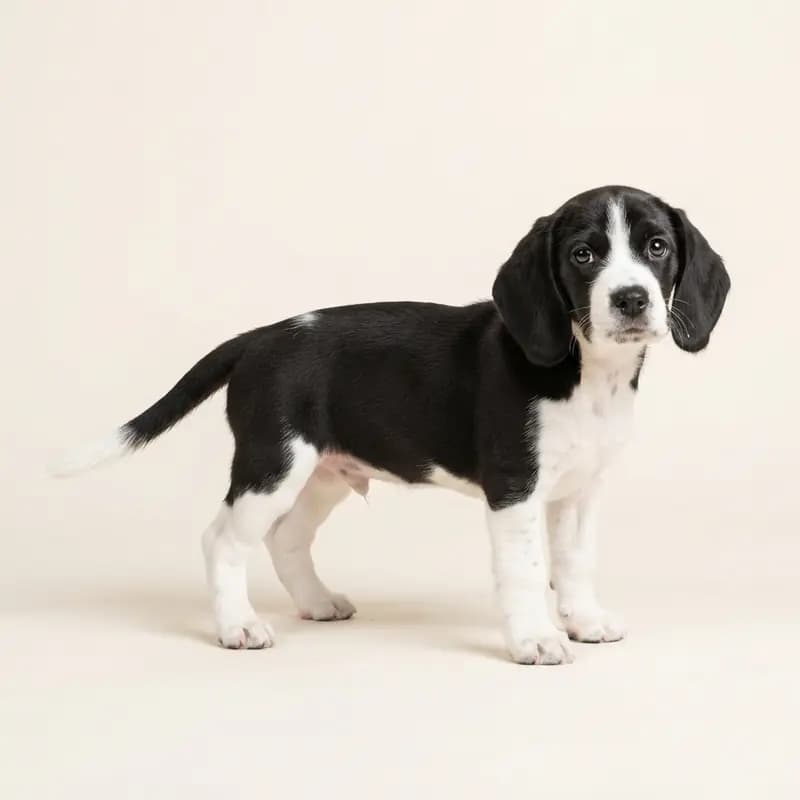
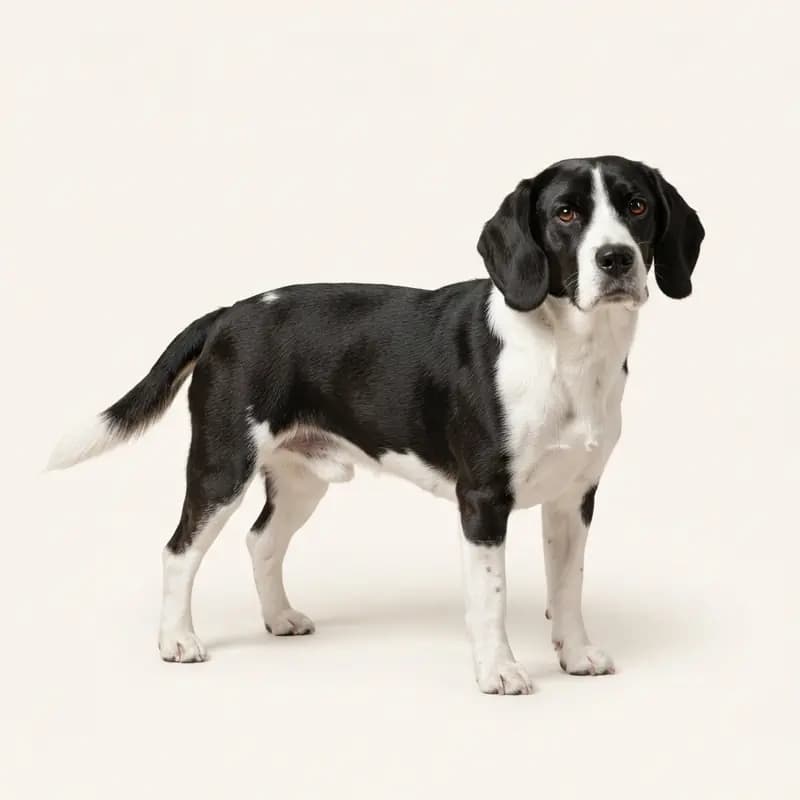
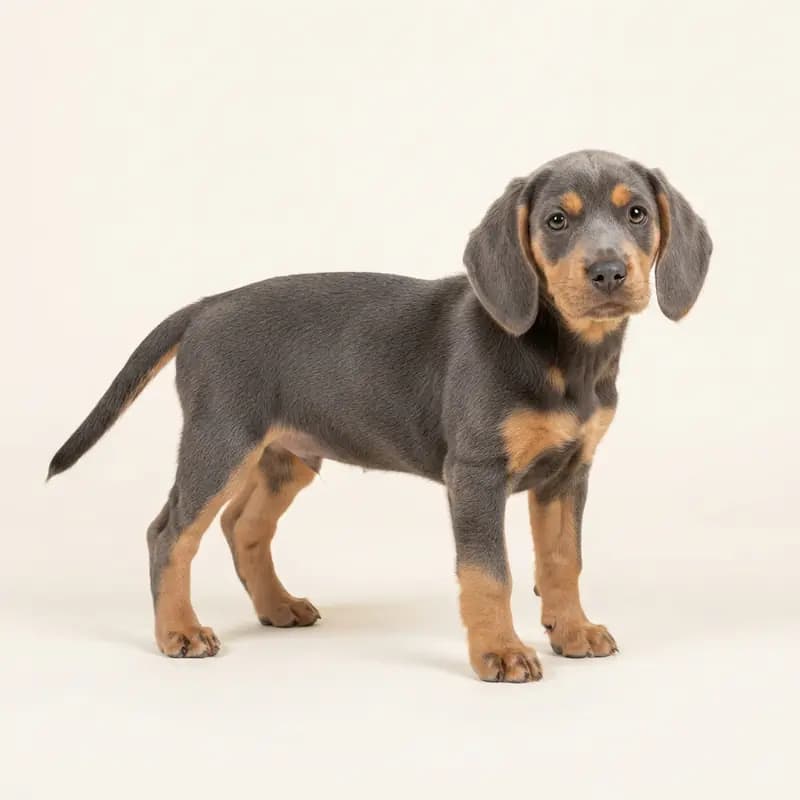
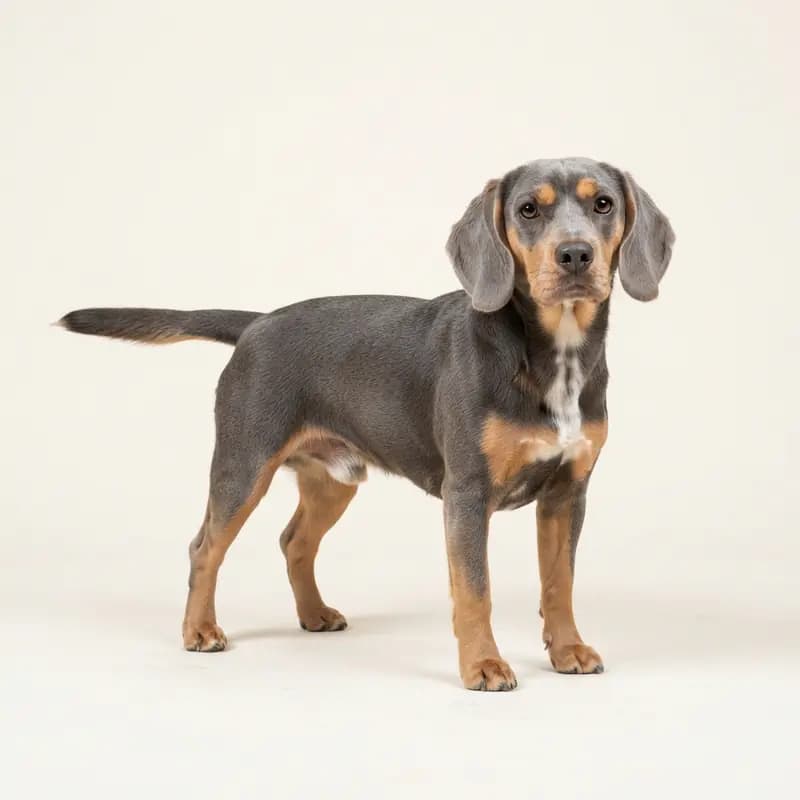
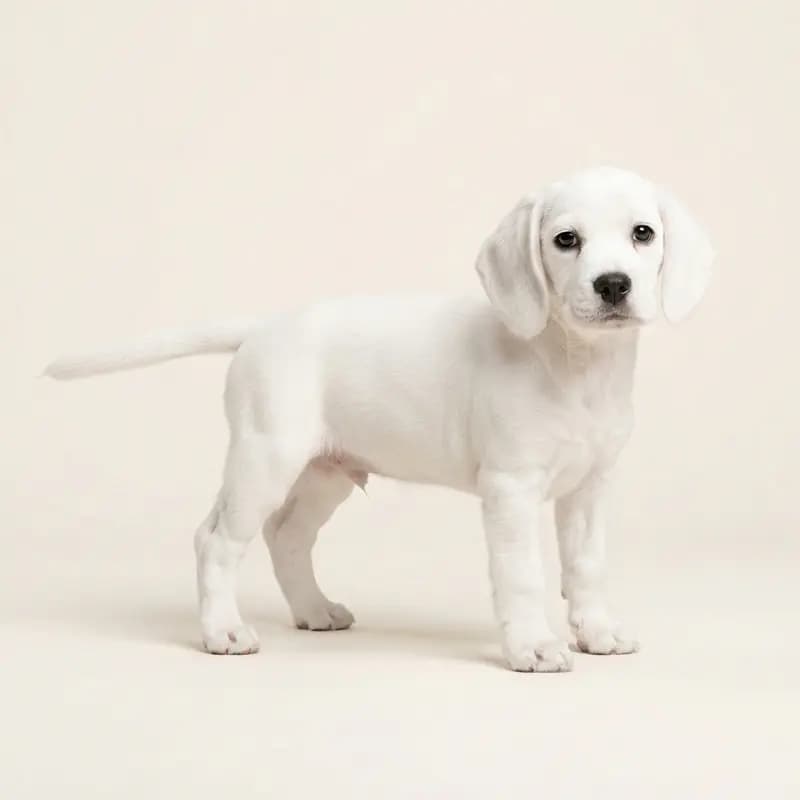
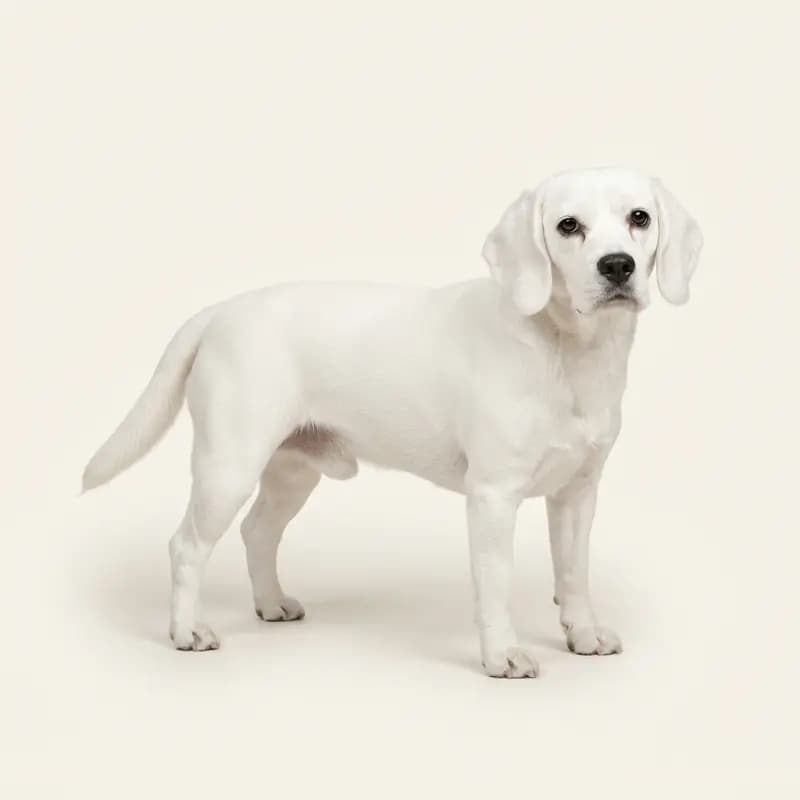
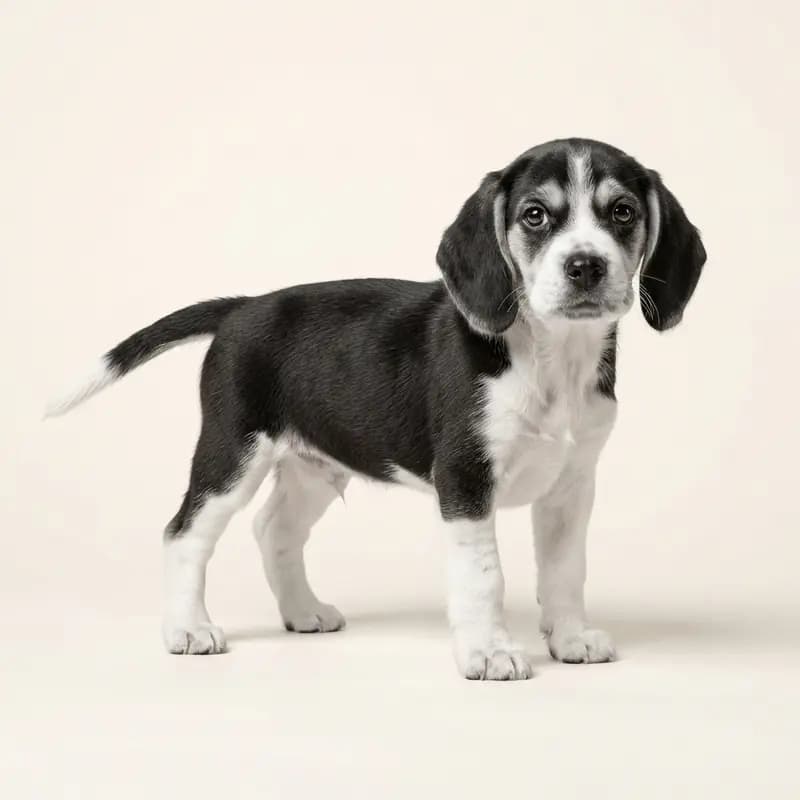
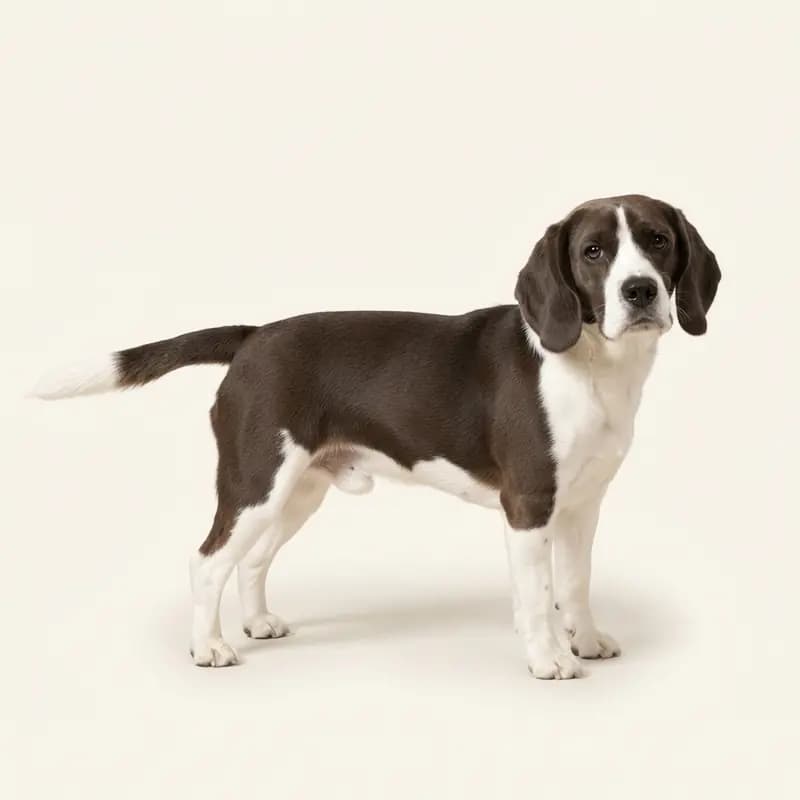
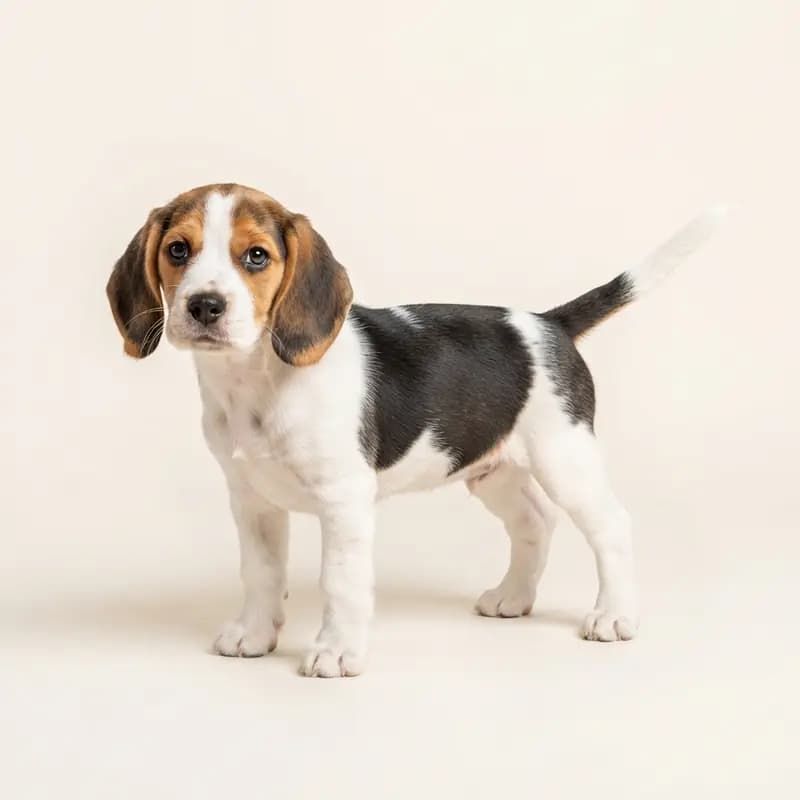
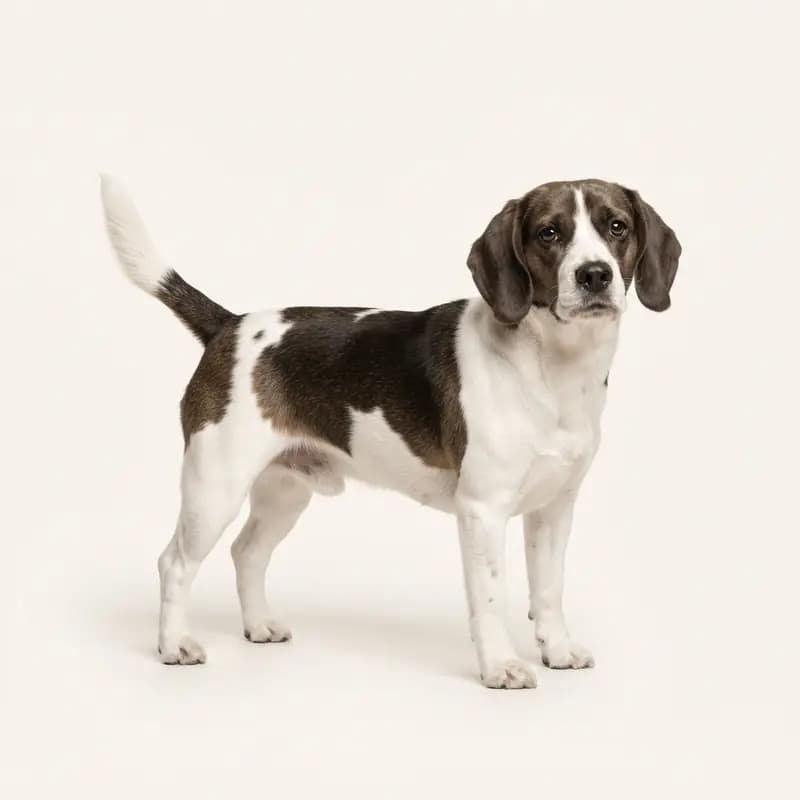
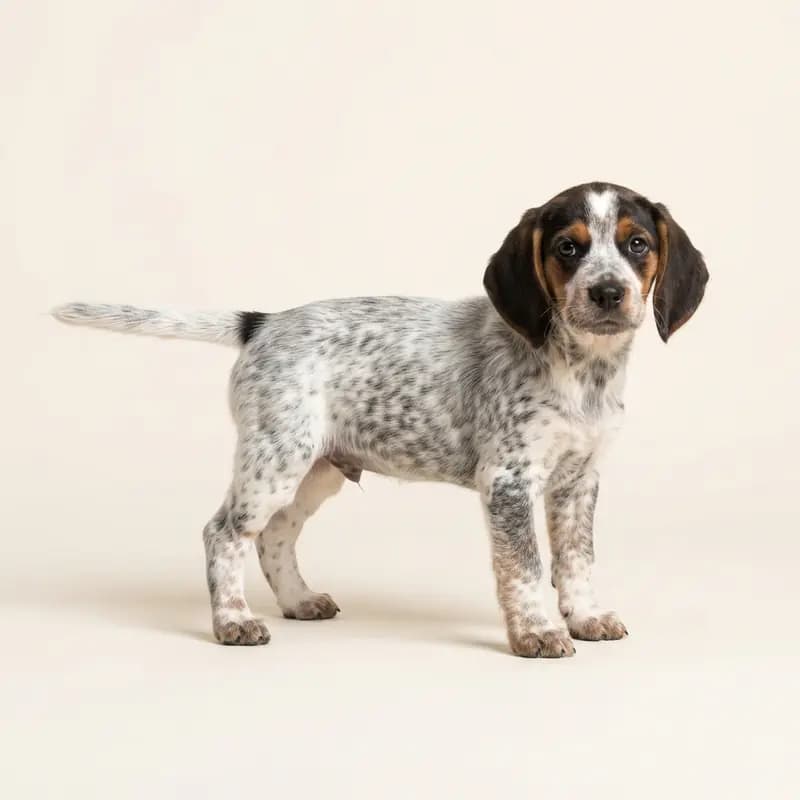
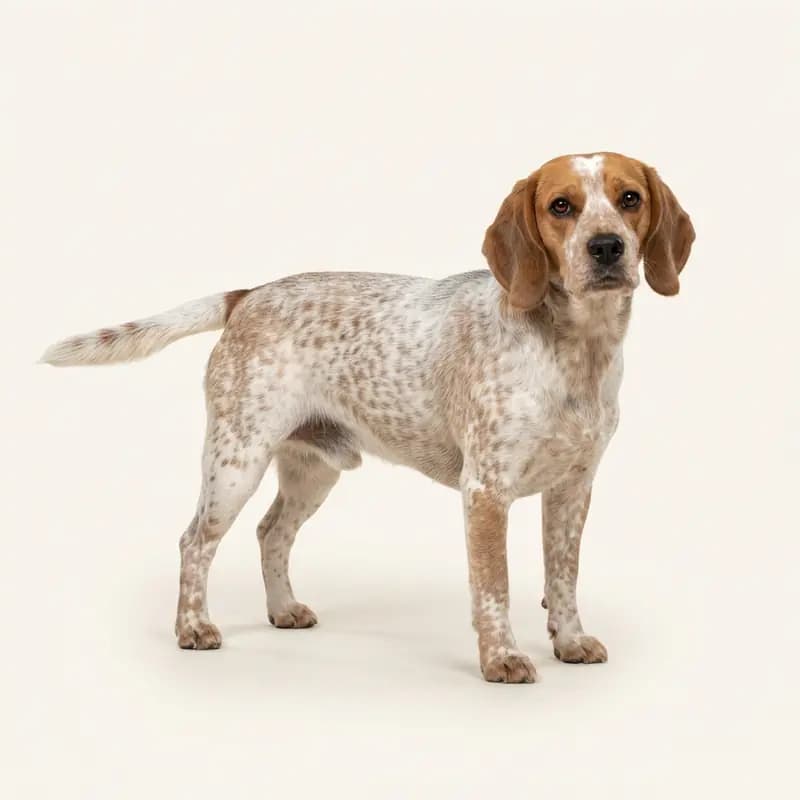
Congratulations on your decision to share your life with one of the most cheerful and friendly dogs in the world! The Beagle is a fantastic companion that quickly wins every heart with its curious nature and constant tail-wagging. But don’t let those loyal "puppy dog eyes" fool you: Beagle training requires consistency, humor, and a healthy dose of patience from the very beginning. In this comprehensive guide, as an experienced dog trainer, I will show you how to turn your adventurous scent hound into a relaxed partner for everyday life.
Whether you have a clumsy puppy at home or are giving a new home to an adult rescue dog – if you understand the breed's characteristics and adapt the training to your dog's needs, you will become an unbeatable team. If you would like to find out more about the history and characteristics of the breed beforehand, I recommend taking a look at our detailed Beagle breed profile.
Fundamentals of Beagle Training: The Charming Stubborn One
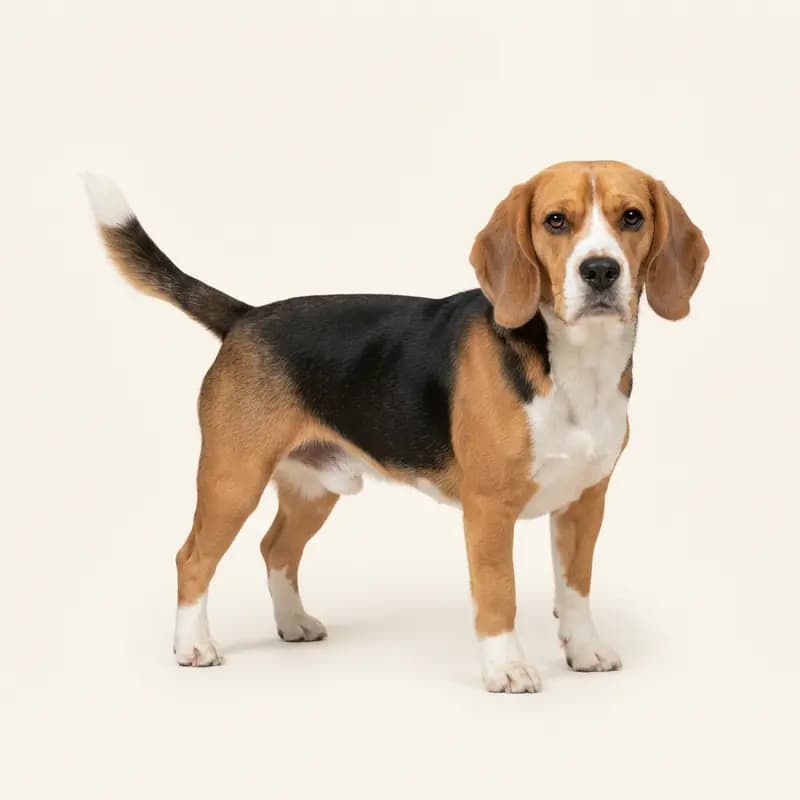
To train your Beagle successfully, you first need to understand what they were bred for. The Beagle originally comes from Great Britain and belongs to the Hound Group. For centuries, they were used in large packs for hunting hares and rabbits. For your everyday life, this means your dog is extremely social, loves the company of humans and other dogs (compatibility: 5/5), but likes to make their own decisions when working with their nose.
Trainability: Why your Beagle isn't stubborn, just independent
In terms of trainability, the Beagle often scores rather low (2/5). Many beginners despair and label the dog as "stubborn." However, this is a misunderstanding. A Beagle on a scent trail had to think independently during the hunt and could not wait for the hunter's command. This independence is deep in their genes.
Your goal in Beagle training should therefore not be to expect blind obedience like a German Shepherd. Rather, you must convince your dog that working with you is more fun (and, above all, tastes better) than going it alone. The biggest advantage you have: Beagles are extremely food-motivated. This drive is your strongest tool in dog education.
Beagle Puppy Training: A Good Start in Life
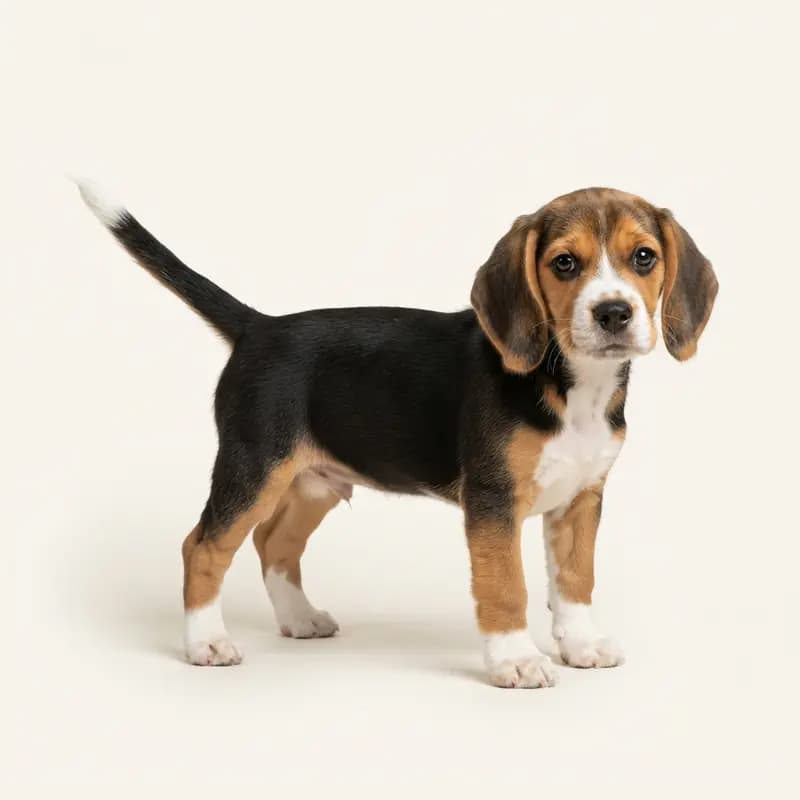
The first weeks and months of life lay the foundation for your dog's future. Beagle puppy training should ideally begin the moment your little four-legged friend moves in with you. Don't worry: training at this age doesn't mean military drill, but rather learning house rules through play and building a strong bond.
Housebreaking: Patience is Key
Potty training often takes a little longer with scent hounds. Their sense of smell is so intense that they will recognize a spot in the house where an accident happened as a toilet over and over again if it isn't cleaned with special enzymatic cleaners.
- The 2-hour rhythm: Take your puppy outside after every sleep, play session, and meal. Otherwise, a fixed rhythm of about every two hours applies at the beginning.
- Stay calm: If you catch them in the act, a short, clear "No" is enough; pick them up and carry them outside. Shouting or rubbing their nose in it is absolutely taboo and destroys trust!
- Party outside: If they do their business on the grass outside, praise them extensively and give them a small treat.
Bite Inhibition: Controlling Sharp Puppy Teeth
Beagles are very physical dogs and often play roughly with each other in the pack. When playing with you, the puppy must learn that human skin is very sensitive. As soon as they bite too hard during play, stop the game immediately. A short yelp (as their littermates would do), followed by a brief 10-second timeout, is usually enough. Instead, offer a chew toy that they can sink their teeth into undisturbed.
The Important Imprinting and Socialization Phase
Until the 16th week of life, your Beagle is in the sensitive socialization phase. Show them the world gently during this time. Since the Beagle's suitability for city life is in the middle range (3/5), you should get them used to traffic noise, crowds, and riding the bus early on. Contact with other well-socialized dogs of all breeds and sizes is also essential for their development.
Beagle Commands: The Most Important Basics for Everyday Life
A well-trained dog enjoys more freedom. When we talk about Beagle commands, we first focus on the absolute basics that make living together safe and pleasant.
The Secret of a Reliable Recall
The recall is the ultimate masterclass for a Beagle. As soon as the dog's nose is glued to the ground and an interesting scent hits them, their ears often switch to "mute." This is how you build the recall correctly:
- Use a long-line: As long as the recall isn't 100% reliable, your Beagle belongs on a long-line (5 to 10 meters) in unsecured terrain. It gives them freedom of movement but prevents them from rewarding themselves for running away by going hunting.
- The Super-Signal: Use a specific word (e.g., "Here!") or a dog whistle. Train the signal at home first without distractions.
- The Jackpot: When the dog runs to you upon the signal, give them the ultimate food jackpot. Standard dry food is often not enough here. Use small pieces of cheese, cooked chicken, or special liver sausage from a tube.
- Increase difficulty slowly: Practice in the garden, then in a quiet field, and only at the very end in the forest, where the scents of wildlife are intense.
Sit, Down, and Stay
Beagles usually learn commands like Sit and Down rapidly – especially when there is a treat in your hand. However, make sure to train the "Stay" command particularly intensively. Beagles tend to be impatient. Being able to place them on their bed while the doorbell rings is worth its weight in gold for a calm everyday life. Reward them for holding the position, not just for taking it.
Breed-Specific Challenges in Beagle Training
Every dog breed brings its own small challenges to the relationship. If you recognize these early and incorporate them into your training strategy, you will save yourself a lot of frustration.
The Hunting Instinct and the Super-Nose
As already mentioned, the Beagle is a hunting dog through and through. According to the VDH (German Kennel Club), the breed is characterized by outstanding scenting ability and tenacity. This means: if they have a trail, they stay on it. To channel this instinct into controlled paths, do not forbid sniffing completely (that would be against their nature), but give them a signal for when they are allowed to sniff and when they are not. Walks should always be a mixture of "leisure sniffing" and concentrated cooperation with you.
Anti-Poison Bait Training: Vital for the Greedy Beagle
A Beagle feels like they are starving 24 hours a day. They vacuum up everything from the ground that appears remotely edible – from discarded leftovers to dangerous substances. As the Federal Chamber of Veterinarians regularly warns, poison baits are a real danger for our pets. A consistent "trade-off" strategy is extremely important here.
Teach your Beagle the command "Out" or "Drop it." Always offer them something much better when they drop something they've found. Train this actively on your walks by controlled placement of harmless treats and calling them away or rewarding them for leaving it alone.
Advanced Training and Meaningful Activities
With an energy level of 5/5, it is not enough for a Beagle to walk around the block for 20 minutes three times a day. An under-challenged Beagle will quickly look for their own tasks – digging up the garden, redecorating the sofa, or barking non-stop at the fence.
Nose Work: The Most Species-Appropriate Activity
Nothing makes a Beagle as happy and pleasantly tired as working with their nose. Mental stimulation is at least as important for them as physical exercise. Here are the best activities for advanced dogs:
- Mantrailing: In this search for people, the dog follows a person's individual scent. It strengthens the bond enormously because you have to work as a team.
- Target Object Search (ZOS): Teach your dog to sniff out hidden small objects (like a lighter or a coin) in the house or garden and indicate them passively (e.g., by lying down in front of the object).
- Tracking: Lay a scent trail across a field and let your Beagle search it. This satisfies their hunting instinct in a completely legal and safe way.
Fetching and Agility
Although the Beagle is not a classic retriever, many enjoy dummy training. Agility or Hoopers (a joint-friendly course) can also be fun, provided the motivation is kept high through food or toys. The most important thing is: the fun should always be the focus.
5 Common Mistakes in Beagle Training
Even the best dog owners make mistakes. To ensure you start on the right track, you should avoid these classic pitfalls with your Beagle:
- Too much harshness: A Beagle is sensitive. Loud words or physical punishment will lead to them becoming stubborn and shutting down. Positive reinforcement is the only way that works sustainably with this breed.
- Inconsistency: Allowing them on the sofa once and then forbidding it again tomorrow? A Beagle recognizes loopholes in your rules immediately and will exploit them mercilessly to their advantage.
- Rushing off-leash time: Never let your Beagle run off-leash until the recall works 100%, even under the strongest distractions.
- Lack of mental stimulation: A bored Beagle is a difficult Beagle. Never forget the brainwork!
- Physical overfeeding: Because they love to eat and work for food, Beagles are highly prone to obesity. Be sure to subtract all training treats from their daily food ration.
Frequently Asked Questions (FAQ) about Beagle Training
Is a Beagle a good dog for beginners?
Yes, the Beagle is certainly suitable for dedicated beginners. Their friendliness, tolerance of mistakes, and gentle nature make them a great family dog. However, beginners must be aware that their hunting instinct and greed require a lot of training time and consistency. Attending a good dog school is strongly recommended, especially for first-time owners.
Can you ever let a Beagle run without a leash?
This depends heavily on the individual hunting drive of your Beagle and the quality of your recall training. Many Beagles can run free in areas with little wildlife after intensive, years-long training on a long-line. However, there are also individuals whose hunting drive is so enormous that they must remain on a long-line for life for their own safety.
How long do I have to walk a Beagle every day?
An adult, healthy Beagle usually needs about 1.5 to 2 hours of exercise in the fresh air per day. However, this time should not just consist of walking, but must include elements of nose work and training to satisfy them mentally as well.
Does a Beagle bark a lot?
As a pack dog, the Beagle has a fairly loud voice and a wide range of vocalizations, from normal barking and yelping to a breed-typical, very loud and melodic baying. If they are bored, left alone a lot, or have picked up a scent, they can become very vocal. With good exercise, however, they are usually a quiet and inconspicuous companion indoors.
Conclusion: Your Path to the Perfect Team with HonestDog
Beagle training is an exciting, sometimes challenging, but above all wonderful adventure. These dogs force us humans to be patient, humorous, and consistent. If you accept that your Beagle will never be a remote-controlled machine, but an independently thinking, cheerful buddy with an absolute super-nose, nothing stands in the way of a harmonious life together.
Always remember to build training positively, reward frequently with food, and offer your dog appropriate tasks that challenge their nose. Are you looking for a reputable breeder for your Beagle puppy or would you like to dive deeper into the world of different dog breeds? At HonestDog.de, you will find trustworthy and verified breeders who raise healthy and stable dogs. Take a look at our profile, inform yourself thoroughly, and find your perfect companion for a long, shared, and happy dog life. We are happy to accompany you on every step of your journey as a dog owner!