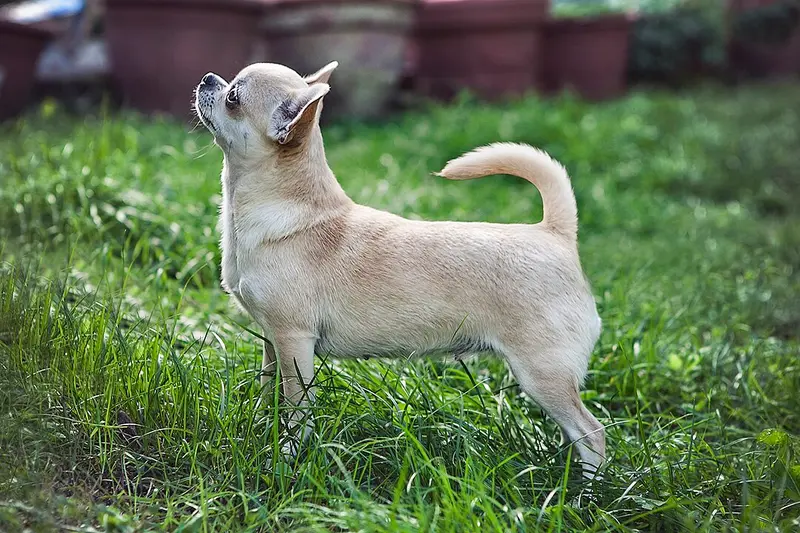
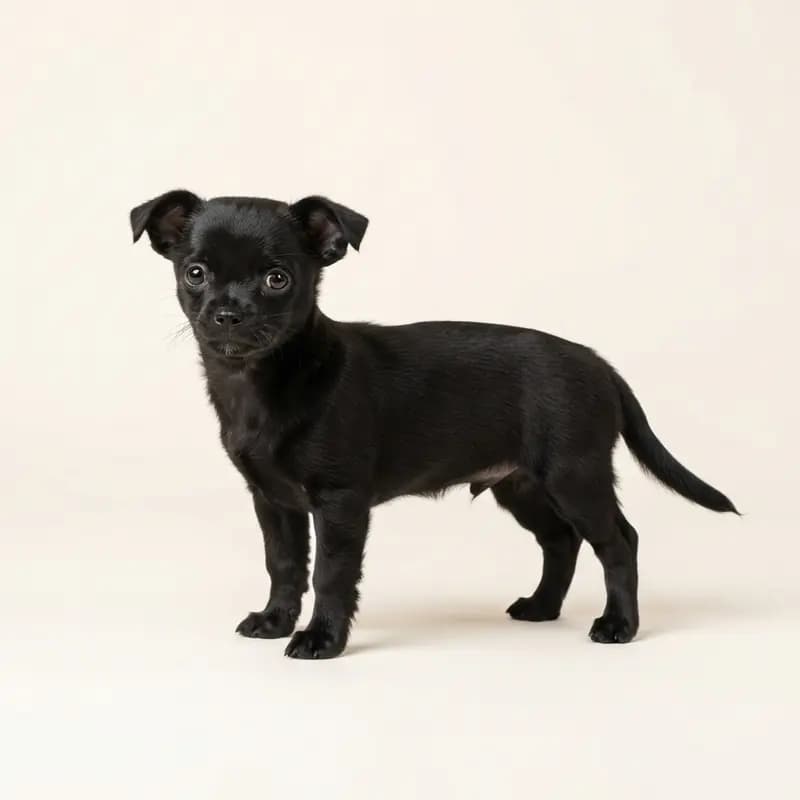
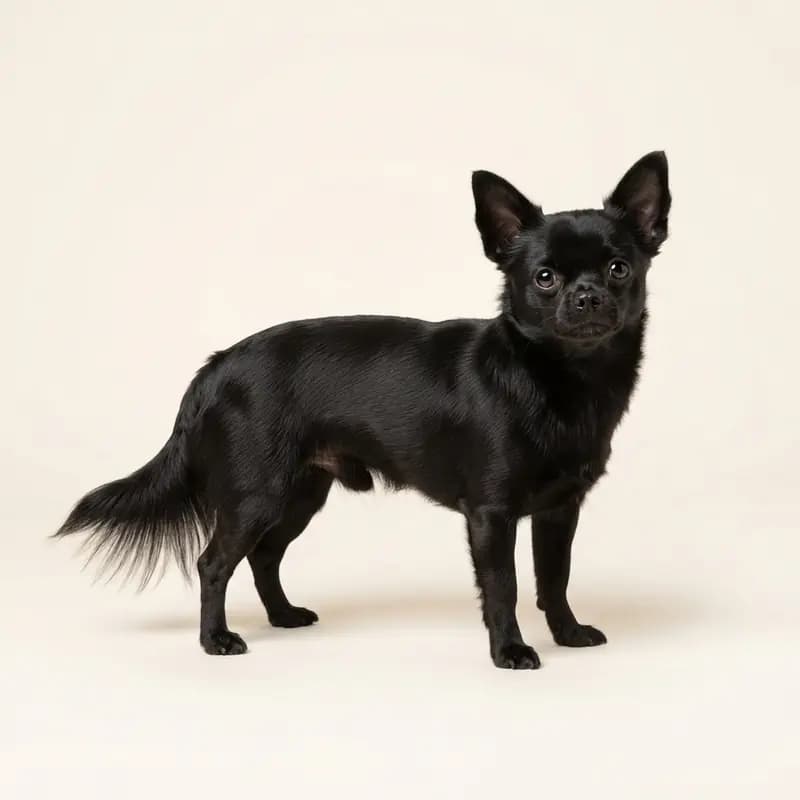
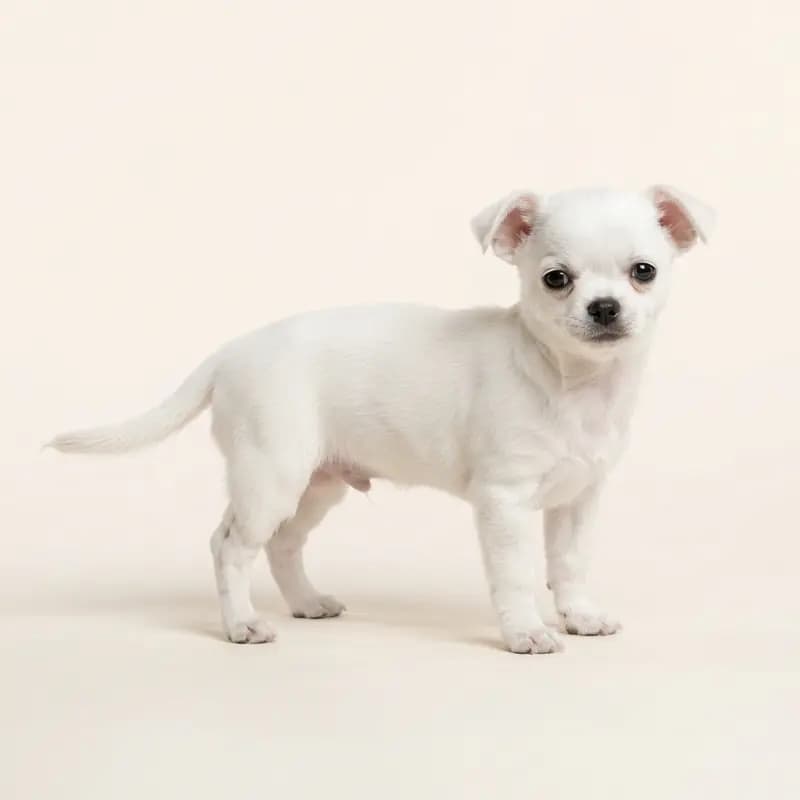
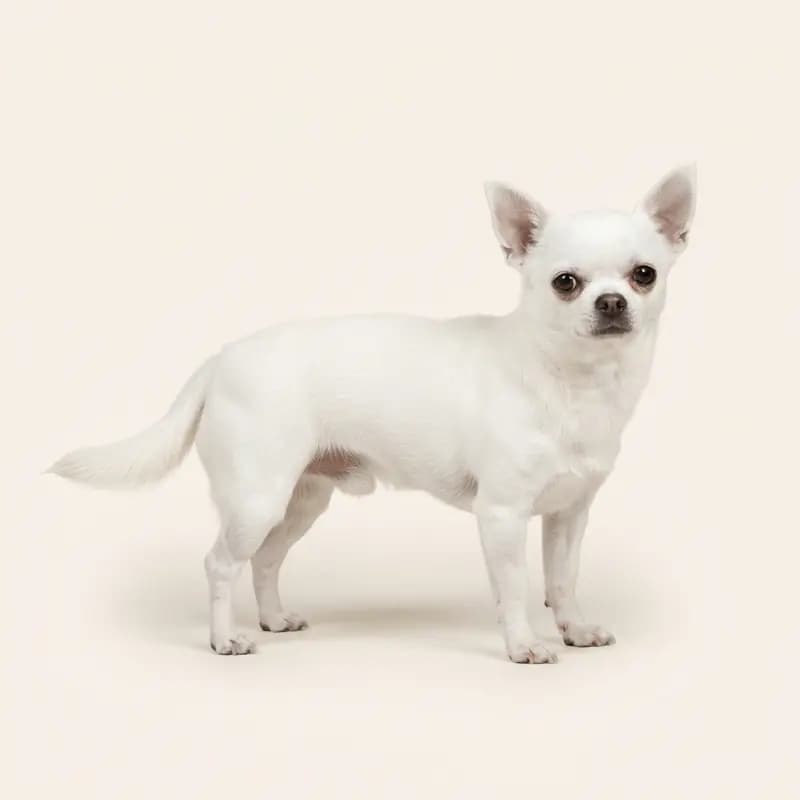
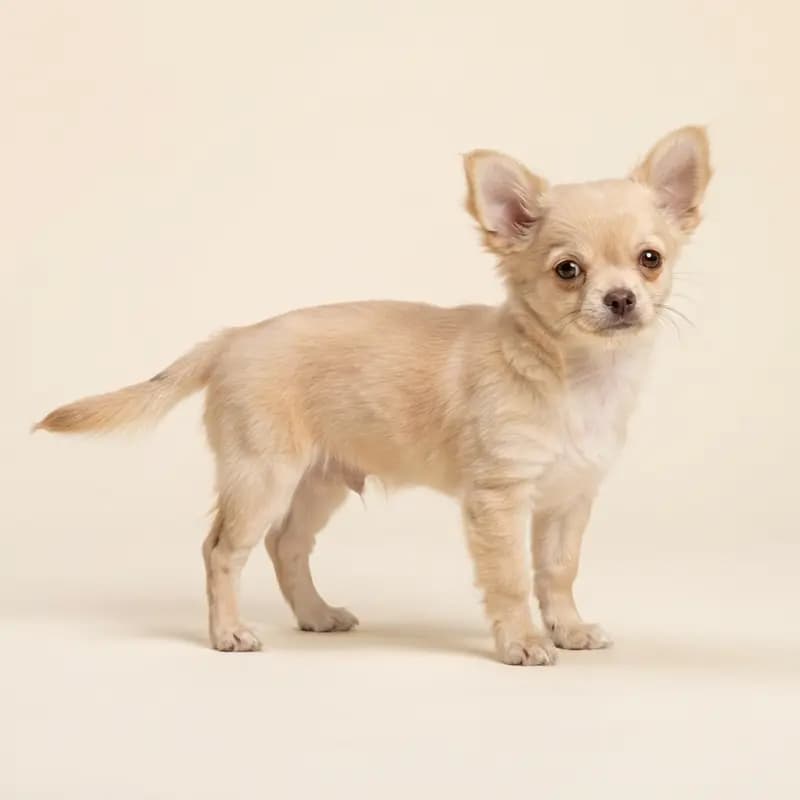
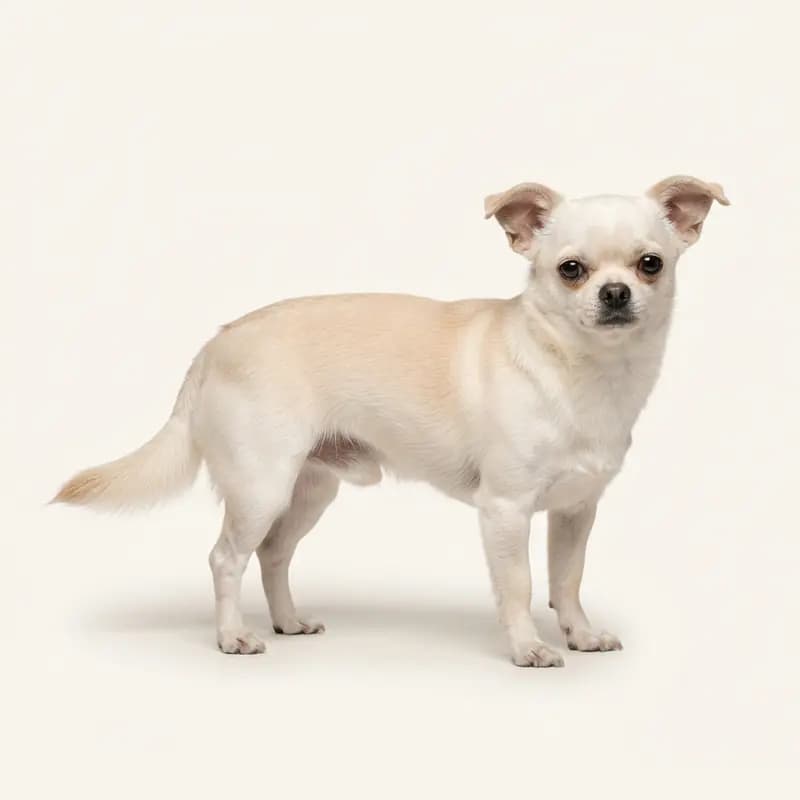
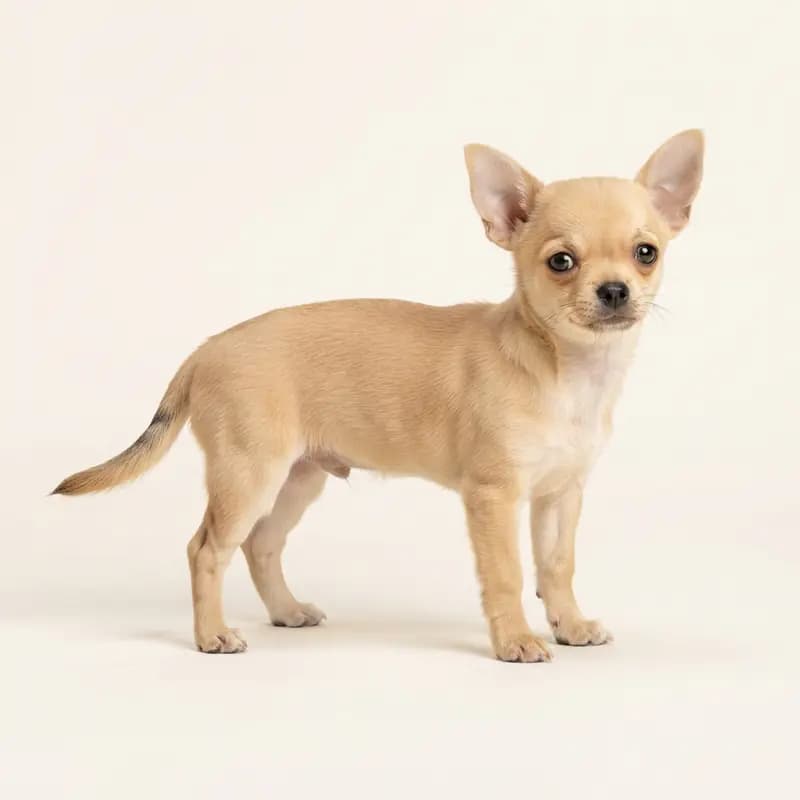
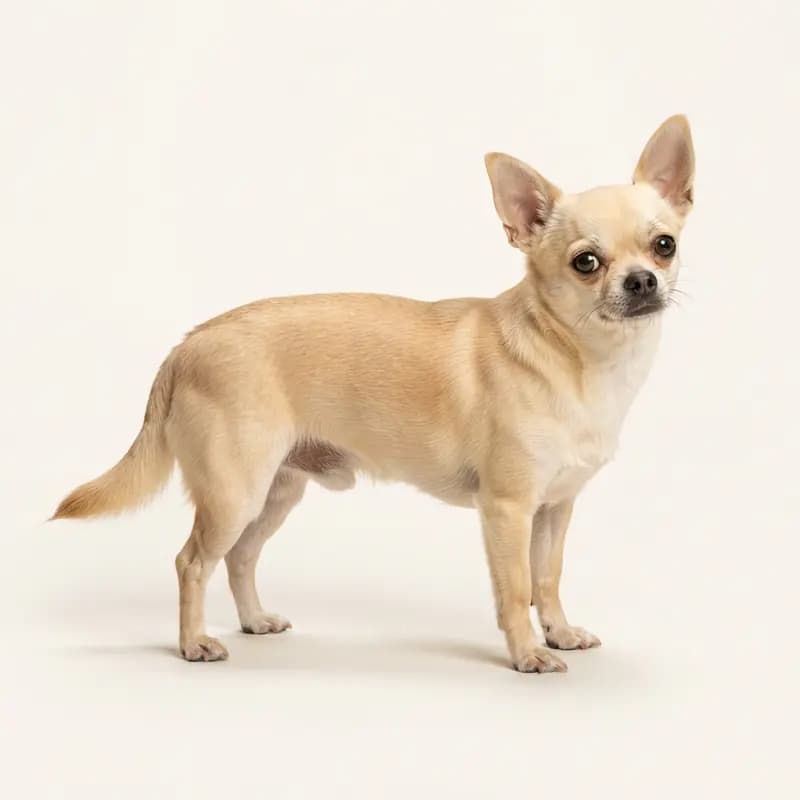
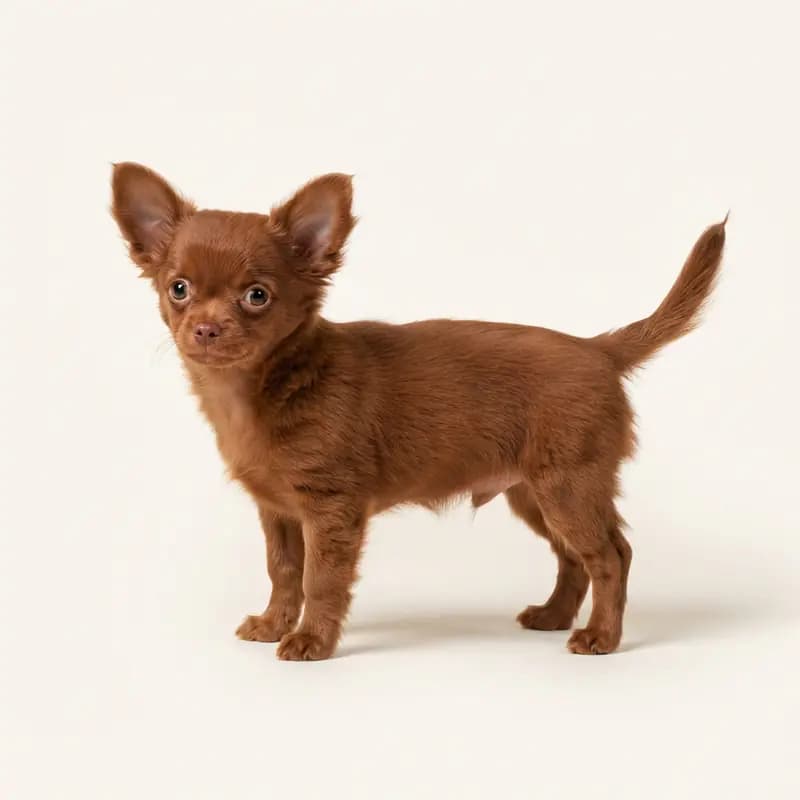
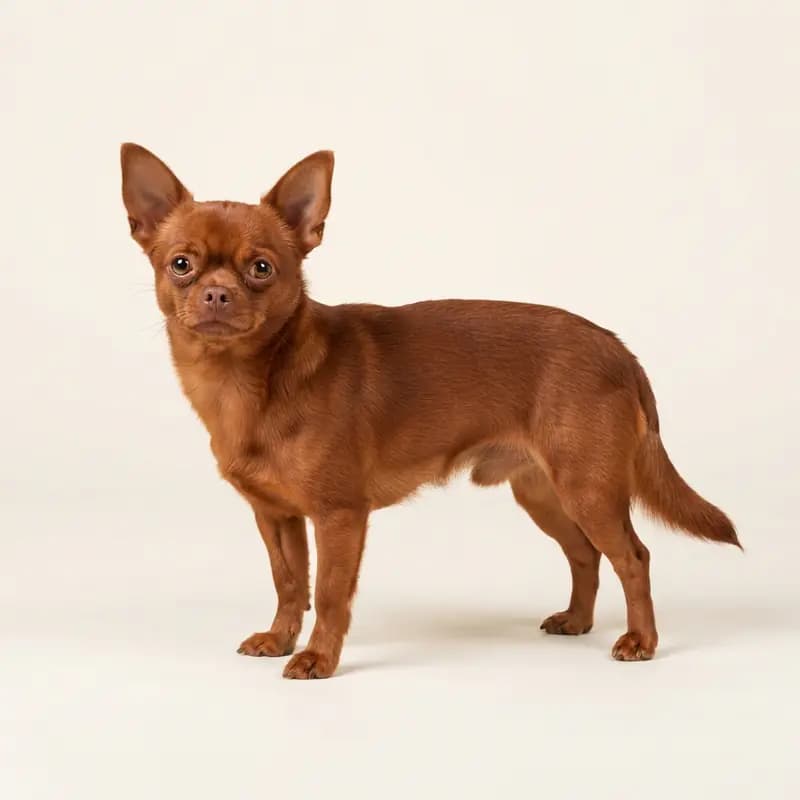

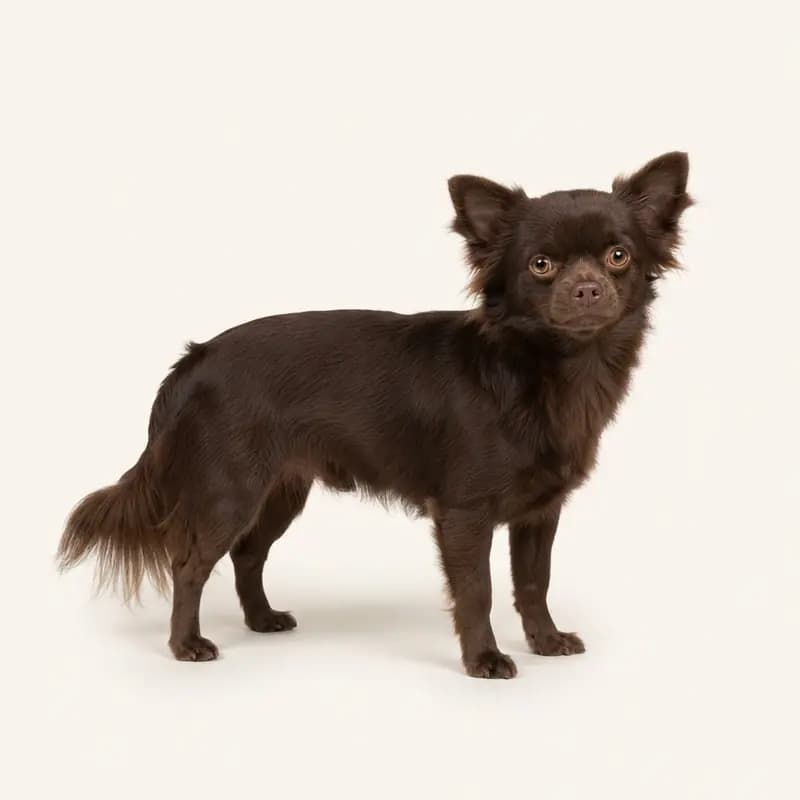
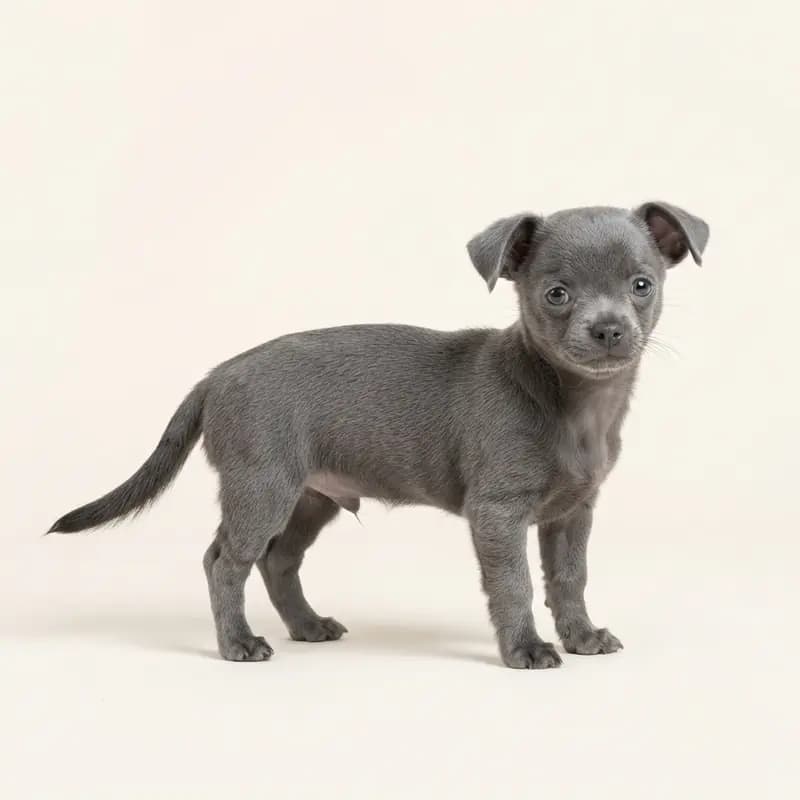
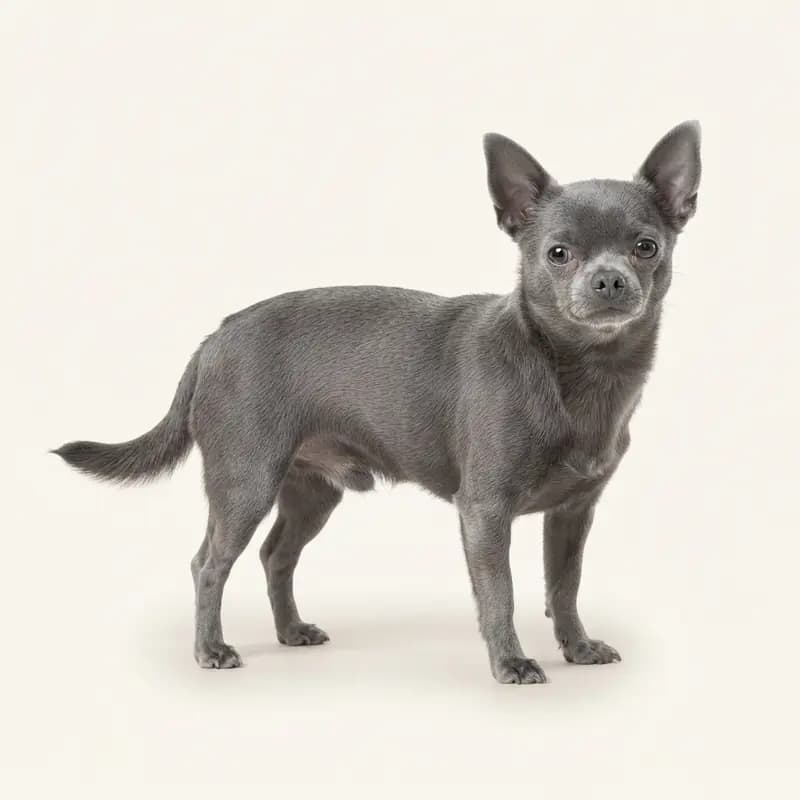
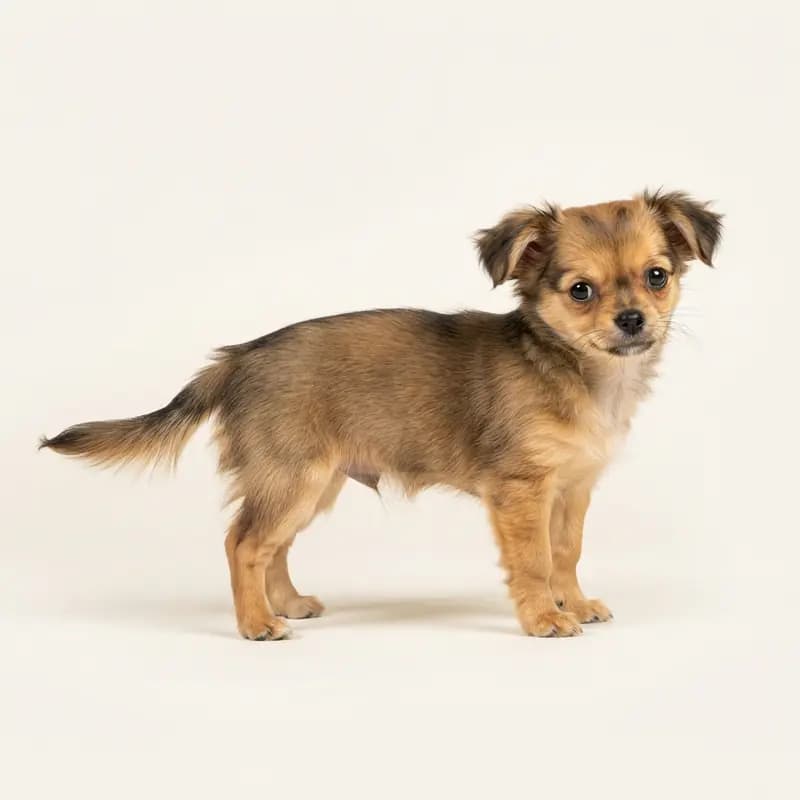
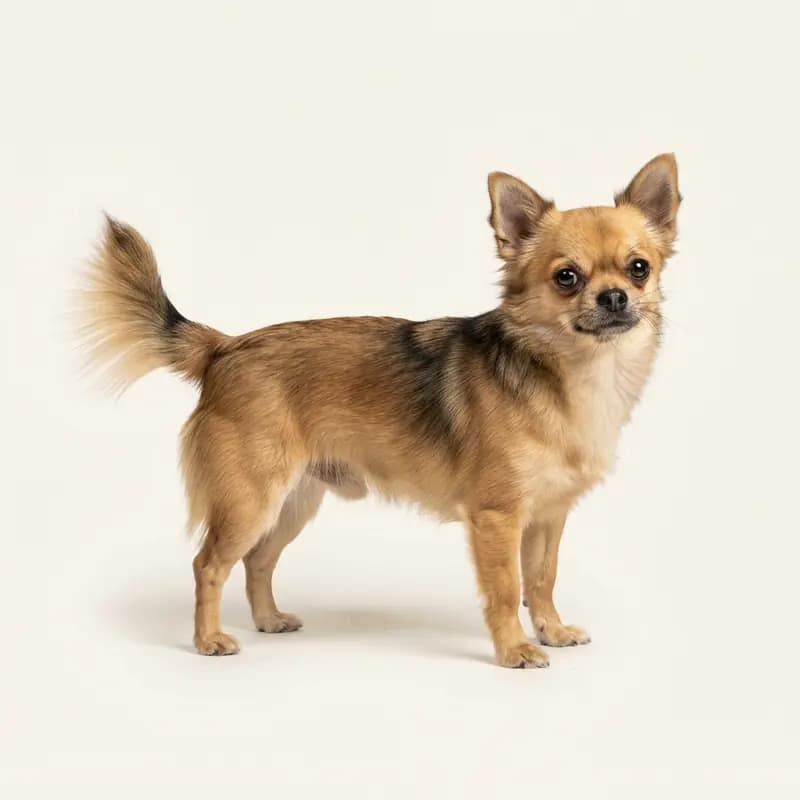
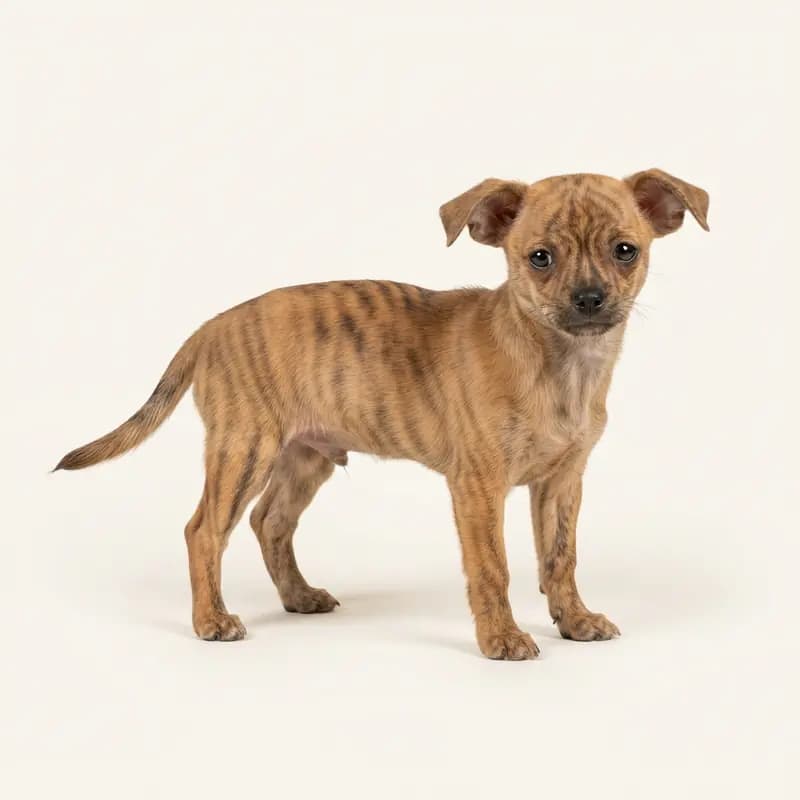
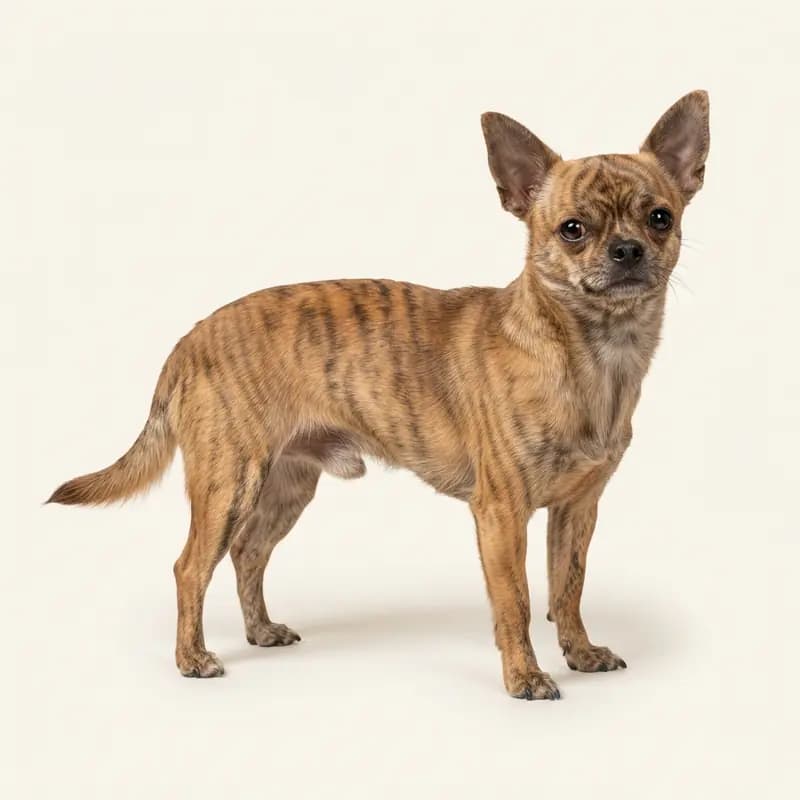

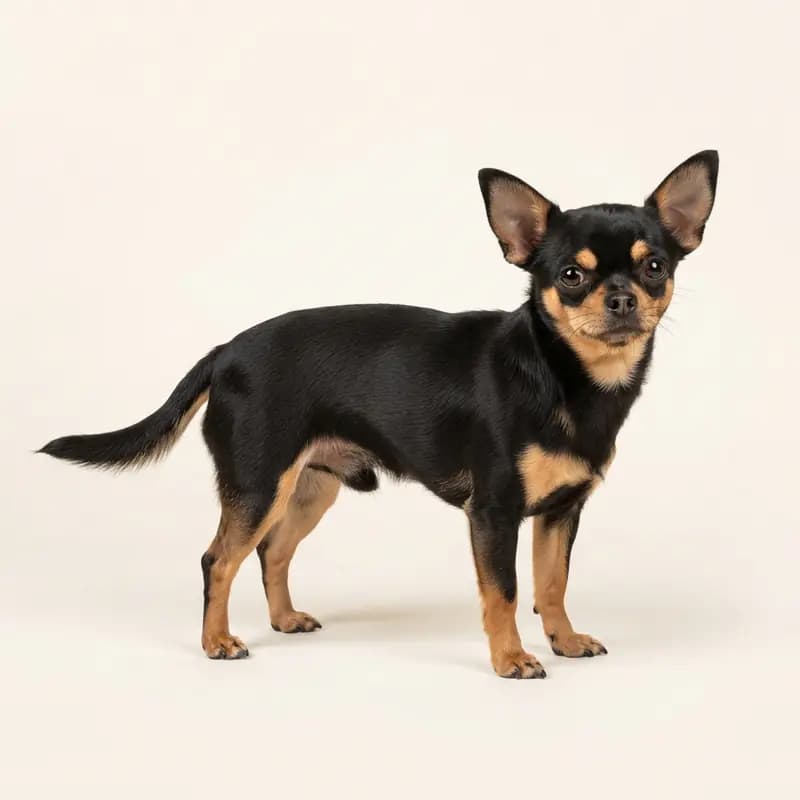
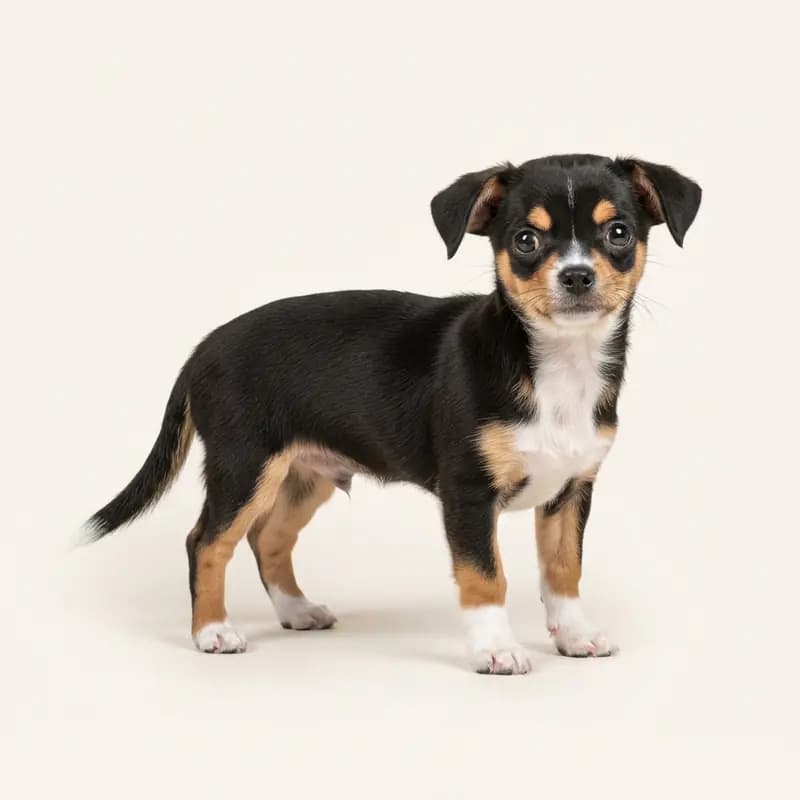
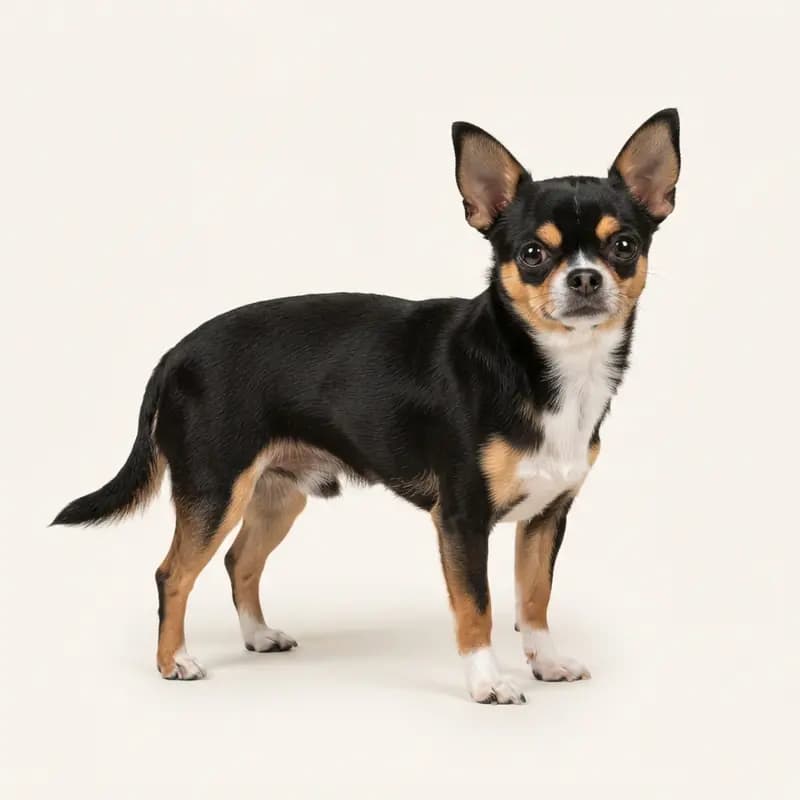
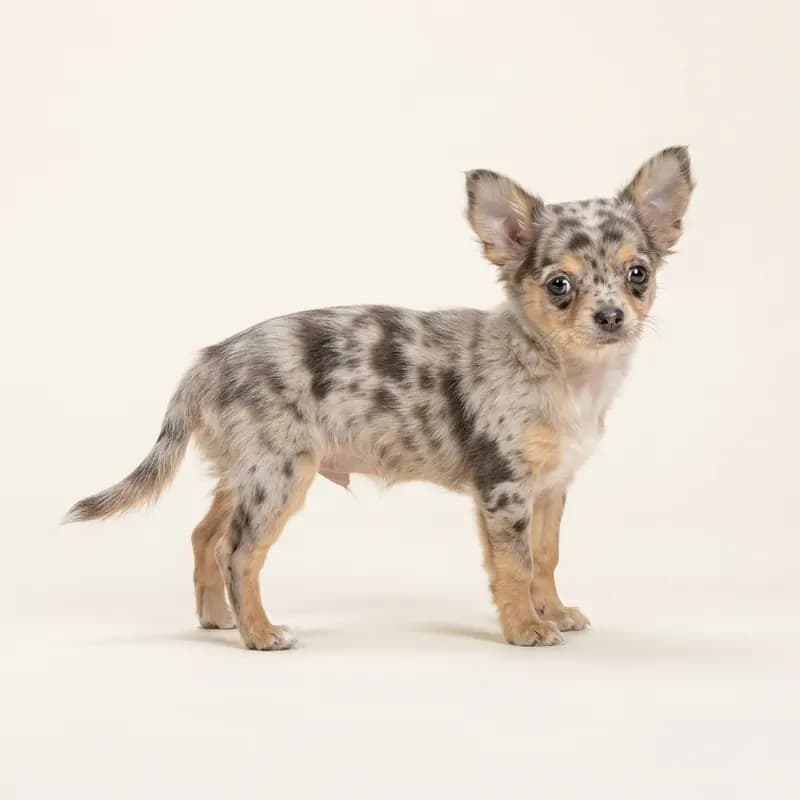
When people think of a Chihuahua, they often immediately imagine a tiny lapdog being carried through the world's metropolises in a handbag. But as an experienced dog trainer, I can assure you: inside this small body, which often weighs only one to three kilograms, beats the heart of a lion. Chihuahua training is therefore a topic that must be taken absolutely seriously. If you believe that such a small dog trains itself, you haven't accounted for the charming, graceful, but also extremely cheeky character of this Mexican breed.
In this comprehensive guide, I will show you how to turn your little companion into a confident, relaxed, and well-adjusted partner for everyday life. From the first day until old age (and Chihuahuas can reach an impressive 14 to 17 years!), there is much to consider. If you are looking for all the basic data on the breed beforehand, it's best to take a direct look at the detailed Chihuahua breed profile.
Chihuahua Training: The Basis for Harmonious Coexistence
In its basic principles, Chihuahua training does not differ from that of a German Shepherd or a Great Dane. Dogs learn through consistency, motivation, and clear communication. The big difference lies in the physique and the breed-specific characteristics of the Chihuahua. With a shoulder height of just 18 to 23 centimeters, this dog literally experiences the world from a different perspective. This requires you, as the owner, to have a special sensitivity in your body language.
The Chihuahua as a Student: Character and Trainability
On the scale of trainability, the Chihuahua receives a solid 3 out of 5 points. This means: he is intelligent and enjoys learning, but also brings a healthy dose of stubbornness. This breed belongs to the so-called Toy Group (companion and toy dogs). Originally from Mexico, they have been bred for centuries to be close to humans. This makes them extremely loyal. They often bond very strongly to a single reference person — a phenomenon we refer to in technical terms as a "one-person dog."
This courage and immense self-confidence often lead the Chihuahua to forget how small he is. He is not afraid to stand up to significantly larger dogs. This is exactly where effective Chihuahua training comes in: you must convey to your dog that he does not have to manage the world himself because you, as a reliable leader, take over this task.
The Start: Chihuahua Puppy Training and Socialization
Purchasing a Chihuahua from a reputable breeder usually costs between 1,000 and 2,500 euros. This money is well invested if the breeder has already done valuable preliminary work in imprinting during the first few weeks. As soon as the little whirlwind moves in with you, your part of the Chihuahua puppy training begins.
Housebreaking: Patience with Tiny Bladders
One of the biggest challenges at the beginning is housebreaking. You must understand that a Chihuahua puppy's bladder is tiny. His metabolism works fast, and he physically simply cannot hold it for long yet.
- Adjust your rhythm: Initially, take your puppy outside every one to two hours, as well as immediately after sleeping, eating, and playing.
- Choose the right spot: Carry him quickly (to avoid accidents in the hallway or stairwell) to his designated spot and set him down there.
- Enthusiastic praise: When he does his business outside, praise him immediately with a calm but joyful voice and a tiny treat.
- No punishment: If an accident happens inside, wipe it up without comment. Punishment only unsettles the sensitive dog and disturbs your bond.
Bite Inhibition: Even Small Teeth Can Hurt
Puppies explore the world with their mouths. A Chihuahua's sharp milk teeth can nip painfully. This behavior is often tolerated in toy dogs because it looks "cute" when they wrestle with the owner's hands. This is a fatal mistake. Teach your dog early on that human skin is off-limits. If he bites too hard, stop the game immediately with a clear "Ouch," turn away, and ignore him for a few seconds. Offer him a suitable chew toy instead.
The Important Socialization Phase (up to 16 weeks)
Compatibility with other dogs for the Chihuahua is around 2 out of 5 points, as is child-friendliness. This means that excellent socialization in the first 16 weeks of life is absolutely crucial. He must learn that large dogs, loud noises, children, and urban hustle and bustle (the breed's urban suitability is a perfect 5/5) do not pose a threat.
During dog encounters, make sure the Chihuahua is not overrun. Specifically meet with well-socialized, calm dogs of all sizes. The Verband für das Deutsche Hundewesen (VDH) recommends visiting a high-quality puppy group where the size differences of the dogs are taken into account. Protect your Chihuahua from rough play, but do not pity him unnecessarily if he just feels insecure.
Building Blocks: The Most Important Chihuahua Commands
For everyday life to run smoothly, certain Chihuahua commands must be reliable. A well-trained Chihuahua enjoys much more freedom than an uncontrollable yapper on a retractable leash.
Sit and Down: Training at Eye Level
If you lean over a Chihuahua, you appear threatening. For training, it is best to squat down or sit on the floor.
- Sit: Lead a small, soft treat slowly over the dog's nose towards the back. His head goes up, and the hindquarters lower automatically. As soon as his bottom touches the floor, say "Sit" and give him the reward.
- Down: From the sitting position, lead the treat slowly between his front paws to the floor and pull it slightly away from him. As soon as he lies down, the command "Down" and the reward follow.
Stay: Impulse Control for the Little Whirlwind
Chihuahuas are attentive and energetic (energy level 2/5 — they don't need marathons but can be very explosive for short bursts). The "Stay" command can be life-saving in many situations, such as at street corners. Build the training in millimeters. Have the dog sit, give the hand signal for "Stay," take only half a step back, and immediately return to him to reward him. Increase the distance and duration over weeks in very small steps.
The Recall: Your Life Insurance
A Chihuahua that cannot be called back lives dangerously. He can easily be overlooked by cars or mistaken for prey by hunting dogs. Train the recall initially in a low-distraction environment (living room). Call his name and the command "Come" or "Here." When he comes racing towards you, throw a huge party. Use absolute "jackpot treats" for the recall (e.g., a tiny piece of cooked chicken) that he never gets otherwise.
Breed-Typical Challenges in Chihuahua Training
Every breed has its peculiarities. Anyone who deals intensively with Chihuahua training will quickly find that three areas in particular often lead to problems if they are not steered in the right direction from the start.
Barking and Territorial Behavior
Chihuahuas are naturally watchful. Whether short-haired or long-haired, they tend to loudly comment on every sound in the stairwell. Here it is important that you take the lead. If the doorbell rings and your dog barks, send him calmly but firmly to his place. You take control at the door. Never shout back — otherwise, your dog will think you are simply barking along with him at the "problem."
The "One-Person Dog" Syndrome
The Chihuahua's extreme loyalty often leads to resource guarding. He views "his" human as a valuable possession and begins to snap at or growl at partners, children, or other dogs. Stop this behavior immediately. If he is sitting on your lap and growls because someone approaches, place him on the floor without comment. Privileges like a spot on the couch must be tied to good behavior.
Encounters with Other Dogs
Many Chihuahuas react aggressively to other dogs while on a leash. This almost always results from insecurity and incorrect handling by the owner. If you immediately pull the leash tight and pick your dog up every time you see another dog, you confirm to him: "Watch out, something life-threatening is coming!" Keep him on the ground, hold the leash loosely, and block the strange dog with your own body if necessary. This shows your Chihuahua that you can protect him without him having to become hysterical. The Bundestierärztekammer regularly points out that chronic stress caused by constant states of fear and aggression can massively impair the health of small dogs.
Advanced Training and Mental Stimulation
The Chihuahua has a moderate energy level (2 out of 5) and the general grooming effort is also low at 2/5 (shedding during coat change is 3/5). However, this does not mean he just wants to lie on the sofa. He is a full-fledged dog who needs mental stimulation to be happy and balanced.
Tricks and Brain Games
Since the Chihuahua is extremely agile, he can be taught tricks wonderfully. Giving paws, sitting up to beg (careful, only once the spine is fully grown!), rolling over, or weaving through legs keeps the dog's mind busy. Snuffle mats or small intelligence toys for dogs are also ideal for keeping him occupied indoors during bad weather.
Miniature Dog Sports
Did you know that Agility also exists for minis? On low hurdles and in adapted tunnels, many Chihuahuas truly blossom. Rally Obedience or Dog Dancing are also excellent ways to strengthen the bond between you and your dog. You can often find further information on breed-specific activities at the Chihuahua Club e.V., which deals intensively with the species-appropriate keeping of this special breed.
Common Mistakes in Chihuahua Training
From my practice as a dog trainer, I know the typical traps that Chihuahua owners often fall into. Here are the biggest mistakes you should avoid:
- The Handbag Syndrome: A Chihuahua has four healthy legs. He needs to walk, sniff, and explore the environment independently. Carrying him permanently isolates him from species-appropriate experiences and promotes anxiety.
- Inconsistency out of Pity: "But he's so small!" — This sentence has ruined many a training effort. If your Chihuahua is not allowed on the sofa, then that rule applies always. Even when he looks at you with his big saucer eyes.
- Wrong Equipment: A wide, well-fitting harness is strictly preferable to a collar. A Chihuahua's delicate cervical spine and sensitive trachea can be severely injured by a sudden jerk on a collar.
- Overfeeding during Training: Consider his weight (1-3 kg). A normal treat for us is like a cheeseburger for a Chihuahua. Use microscopically small rewards or work more with praise and play to avoid obesity.
Frequently Asked Questions
How do I housebreak my Chihuahua?
Housebreaking requires a lot of patience. Take your puppy outside after every sleep, play, and meal. Praise him enthusiastically when he goes outside. Never punish him for accidents in the house. Due to the small bladder, it can take a bit longer for toy dogs (often until the 6th or 7th month) until they are 100% reliably housebroken.
Are Chihuahuas hard to train?
No, they are not fundamentally harder to train than other breeds. They are intelligent and very focused on their owner (trainability 3/5). The difficulty usually lies with the owner, who allows the small dog too many misbehaviors out of pity or convenience. With consistency and positive reinforcement, Chihuahuas learn very quickly.
How do I get my Chihuahua used to children?
The child-friendliness of the breed is 2/5, which means caution is advised. Chihuahuas are vulnerable and often react to rough movements or loud shouting with defense (snapping out of fear). Teach children never to pick up the dog (risk of falling!), not to disturb him while sleeping, and to treat him with respect. Never leave the dog and small children unsupervised.
How much exercise does a Chihuahua need?
Although they are small, Chihuahuas enjoy walking. Two to three walks a day totaling about 1 to 1.5 hours are appropriate for a healthy, adult Chihuahua. However, make sure to adjust the pace to the dog and do not overtax him on hot summer days or in extreme cold (they freeze quickly without an undercoat).
Conclusion: Small but Mighty – Your Path to the Dream Dog
Chihuahua training is a wonderful, though sometimes challenging, journey. If you are willing to see your little Mexican as a full-fledged dog, respect his limits, and set clear rules at the same time, you will be rewarded with an incredibly loyal, charming, and brave companion. Never forget: leadership comes from confidence, not physical size.
Whether you are at the very beginning with Chihuahua puppy training or working on fine details in Chihuahua training — trust and consistency are your best tools.
Are you looking for a reputable breeder for your future dream dog or would you like to dive deeper into the world of this fascinating breed? At HonestDog, we place the highest value on transparency, health, and animal welfare. We connect responsible people with first-class breeders. Find out more now and start your new life with a dog perfectly prepared on HonestDog!