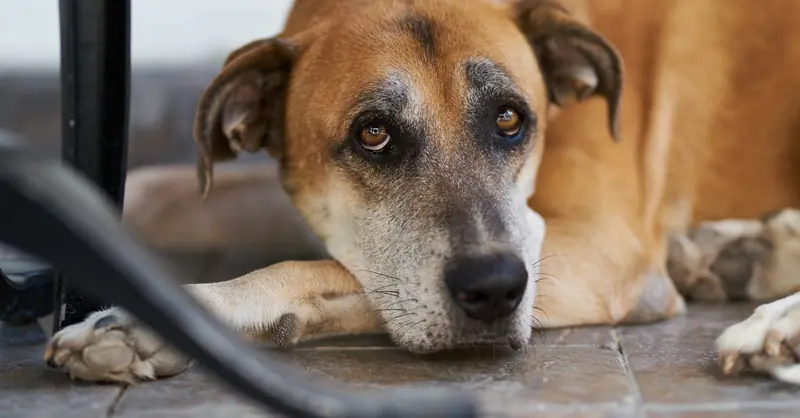
When you have a dog in heat, she is passing through the fertile phase of her natural reproductive cycle. Visible heat typically lasts about three weeks and consists primarily of proestrus and estrus. A female dog is only receptive to mating for a few days during estrus, right around the time her initially dark red discharge turns noticeably lighter and watery.
| Characteristic | Heat Cycle Details |
|---|---|
| First cycle | Between 6 and 24 months of age (varies by size and breed) |
| Interval between cycles | Typically every 6 to 7 months (ranging from 4 to 12 months) |
| Visible duration | Average of 18 to 21 days (around 3 weeks) |
| Fertile window | About 3 to 9 days during standing heat (estrus) |
| Menopause | None; female dogs continue cycling throughout their entire lives |
This guide is for informational purposes and does not replace professional veterinary advice.
The Canine Heat Cycle: What Happens in the Body?
Going into heat is an entirely natural part of your dog's reproductive biology. Unlike human menstruation, bleeding in dogs doesn't mark the shedding of an unfertilized uterine lining; it's a vascular swell-and-build phase. Rising estrogen levels cause the lining of the uterus and vagina to swell considerably. Blood vessels become more permeable, allowing red blood cells to seep into the vaginal discharge.
This entire process is coordinated by an intricate hormonal balance between the brain (the hypothalamus and pituitary gland) and the ovaries. Estrogen dominates the early stage, maturing the ovarian follicles. Just before ovulation, estrogen drops while progesterone rises sharply. This hormonal shift prepares her body for a possible pregnancy and visibly shapes your dog's demeanor and moods.
The 4 Stages of the Heat Cycle
Veterinary medicine divides the complete reproductive cycle of an intact female dog into four distinct stages:
1. Proestrus
Proestrus marks the visible onset of heat, lasting an average of 9 days (individual ranges vary between 3 and 17 days). You'll typically notice a visibly swollen vulva and dark red, bloody discharge. She will smell irresistible to intact male dogs. However, she won't tolerate their advances just yet: if an overeager suitor approaches, she'll firmly ward him off by growling, spinning away, or snapping.
2. Estrus (Standing Heat)
Ovulation takes place during estrus, which generally lasts between 5 and 10 days. The discharge changes character: it becomes lighter, watery, or takes on a faint, pinkish tint. Your dog is now fully fertile and receptive to mating. When touched near her hindquarters or approached by an interested male, she stands firmly in place, flagging her tail to the side to present her vulva. Fertilization can only happen during this window.
3. Metestrus (Diestrus)
Metestrus follows standing heat directly and spans roughly 60 to 90 days. External signs fade quickly: vulvar swelling recedes, and discharge stops completely. At the ovulation sites on the ovaries, corpus luteum structures produce elevated progesterone levels. This hormone remains elevated regardless of whether mating occurred. Once progesterone levels taper off weeks later, prolactin surges—a shift that can trigger a false pregnancy.
4. Anestrus (Resting Phase)
Anestrus is the quiet period between the end of diestrus and the onset of the next heat. Lasting several months, it is hormonally inactive and entirely free of physical symptoms. Her body rests until the hormonal cascade triggers proestrus once again.
When Does a Female Dog First Go into Heat, and How Often?
A female dog experiences her first heat—clinically termed estrache—when she reaches sexual maturity. This usually coincides with reaching roughly two-thirds to four-fifths of her expected adult body weight.
Smaller breeds, such as the Jack Russell Terrier or Miniature Poodle, frequently enter their first cycle as early as 6 to 9 months of age. In contrast, giant breeds like the Great Dane or Newfoundland often take anywhere from 15 to 24 months before experiencing their first season.
If you're wondering when the right time to get a puppy is or which breed fits your daily lifestyle best, check out the HonestDog Breed Finder. You can also explore specific growth patterns and developmental milestones in individual profiles, such as our guide to the Golden Retriever.
Most dogs settle into an average cycle interval of 6 to 7 months, which translates to twice a year. Healthy variations exist: small dogs may cycle every 5 months, while primitive breeds like the Basenji often come into heat only once a year. Keep in mind that dogs do not experience menopause; they remain capable of reproducing well into their senior years, even if cycle intervals become more irregular over time.
Behavioral Changes in a Dog in Heat
Fluctuating hormones don't just affect physical organs—they heavily shape emotional well-being and focus. When your dog is in heat, you may observe several distinct behaviors:
- Frequent urination and scent marking: On walks, she may squat every few yards to leave tiny drops of urine. This spreads pheromones that notify nearby males that her cycle is underway.
- Restlessness or extra clinginess: Some females become intensely affectionate during proestrus, demanding constant cuddles and reassurance; others withdraw, nap more, or appear lethargic.
- Irritability and boundary setting: She may show a lower tolerance for other dogs—especially pushy males—and will set clear boundaries with defensive snaps or growls.
- Selective hearing during training: Reliable cues like the recall often take a back seat, as new scents outdoors demand her undivided attention.
- Urge to roam during standing heat: Her reproductive drive peaks during estrus. Some dogs actively search for a mate and won't hesitate to slip through an open gate or weak fence.
Daily Guide: Managing Life with a Dog in Heat
A few practical adjustments will keep daily life smooth and stress-free for both of you during her heat:
1. Plan Ahead for Walks
Keep your dog strictly on a standard leash throughout her cycle—avoid long check cords or retractable leashes that give up control. Choose quiet walking routes at off-peak hours, and steer clear of popular off-leash dog parks. If you spot another dog owner approaching, call out calmly from a distance: "Please leash your dog, my female is in heat!"
2. Secure Your Yard and Home
Never underestimate the persistence of an enamored male dog or your female's drive to escape during standing heat. Inspect your perimeter fencing for gaps, and never leave her unattended in the yard.
3. Maintain Household Hygiene
Most dogs clean themselves diligently by grooming. To protect rugs and soft furnishings from stray spots, place washable blankets over her favorite resting spots. Reusable dog heat diapers or pants are convenient, but take them off regularly throughout the day so she can groom herself naturally. Keep hygiene pads clean and change them frequently.
4. Keep Stress Levels Low
Shifting hormones can leave your dog physically and mentally drained. Pause high-impact canine sports like agility competitions. Instead, opt for calm indoor scent work, food puzzles, or slow sniff walks in quiet woods to provide mental enrichment without overstimulation.
False Pregnancy: An Evolutionary Relic
Around 4 to 8 weeks after standing heat ends, many female dogs show signs of false pregnancy (pseudopregnancy). Mammary glands can swell, sometimes producing milk. Some dogs begin mothering plush toys or shoes, build nests in their bedding, or lose their appetite.
In evolutionary terms, this isn't an illness—it's an ancient survival strategy inherited from wolf packs. While the alpha female nursed her litter, other pack females experienced pseudopregnancy, enabling them to act as wet nurses and help rear the pups.
If symptoms are mild, simply store away mothered toys, provide gentle distractions, and avoid touching or cooling her mammary glands, as physical contact stimulates milk production. If her glands become hard, hot, or inflamed, or if she shows severe behavioral distress, consult your veterinarian for targeted medical support.
Health Risks: When to Visit the Vet
While cycling is a normal biological function, each heat cycle carries specific health vulnerabilities that warrant close observation:
- Pyometra (uterine infection): During metestrus, the cervix closes after being open during heat, creating an environment where trapped bacteria can flourish. An open or closed pyometra is a critical medical emergency. Watch for listlessness, loss of appetite, sudden excessive thirst and urination, fever, or foul-smelling vaginal discharge.
- Prolonged bleeding: If your dog bleeds continuously for more than three to four weeks without lightening, ovarian cysts could be the cause.
- Silent heat: Hormonal shifts and ovulation happen internally, but visible swelling and bloody discharge are absent. Male dogs will still detect her scent, meaning she can become pregnant unnoticed.
- Split heat: Especially common in young dogs, proestrus signs may start for a few days, abruptly stop, and restart a week or two later.
If you notice unusual discharge, fever, or persistent lethargy, book a prompt veterinary exam.
Spaying: Weighing the Pros and Cons
Whether to spay a female dog after her initial cycles is a nuanced veterinary topic. Routine, indiscriminate desexing without medical necessity is increasingly evaluated through the lens of animal welfare regulations, which advise against non-essential surgical alterations.
The definitive benefits of spaying include permanent protection against pyometra, prevention of unintended litters, and the elimination of false pregnancies. When performed early, it also significantly reduces the lifetime risk of hormone-dependent mammary tumors.
However, clear drawbacks and risks exist alongside surgical and anesthetic concerns. Spayed females have a slower metabolic rate and higher appetite, making them prone to obesity. In certain breeds—particularly larger females weighing over 35 to 45 lbs—the risk of urinary incontinence (sphincter mechanism incompetence) increases. Long-coated breeds like spaniels or setters can develop coat texture changes ("puppy coat"). Desexing too early, before growth plates close and mental maturity is reached, can disrupt normal skeletal and behavioral development.
This decision should never be a one-size-fits-all choice. Discuss your dog's breed, temperament, living environment, and overall health with your trusted vet.
Frequently Asked Questions
How long does a dog bleed while in heat?
Bleeding typically lasts between 7 and 14 days, averaging around 9 to 10 days during the proestrus stage. The discharge then becomes noticeably paler, thinner, and watery. By the end of the full three-week cycle, all discharge stops entirely.
When is a female dog most fertile?
A female dog is most fertile and receptive between days 9 and 16 following the first signs of bleeding. This stage is known as estrus or standing heat. During this window, she will no longer avoid male dogs; instead, she stands firmly and swings her tail to the side.
Do dogs go through menopause?
No, dogs do not experience menopause. A healthy female dog continues cycling and remains fertile throughout her entire life. If an older dog suddenly stops cycling altogether, it's not a sign of natural menopause—it warrants a thorough veterinary checkup to rule out underlying hormonal or organ issues.
What should I do if an off-leash male approaches my dog in heat?
Stay calm and step between the approaching male and your dog to block his path. Firmly ask the owner to leash their dog immediately. If the dog is roaming alone, use an upright, assertive stance, step forward with authority, and use a clear, commanding voice to deter him. Divert to quiet side paths and steer well clear of popular dog gathering spots during her heat.
Caring Support for Your Dog
Guiding your female dog through her cycle takes a little extra supervision and management, but it's an entirely healthy part of her life. By understanding her physical signs and cycle stages, you can navigate these weeks with ease. For more reliable guidance on health, breed traits, and responsible pet ownership, explore HonestDog—your transparent platform for canine well-being.