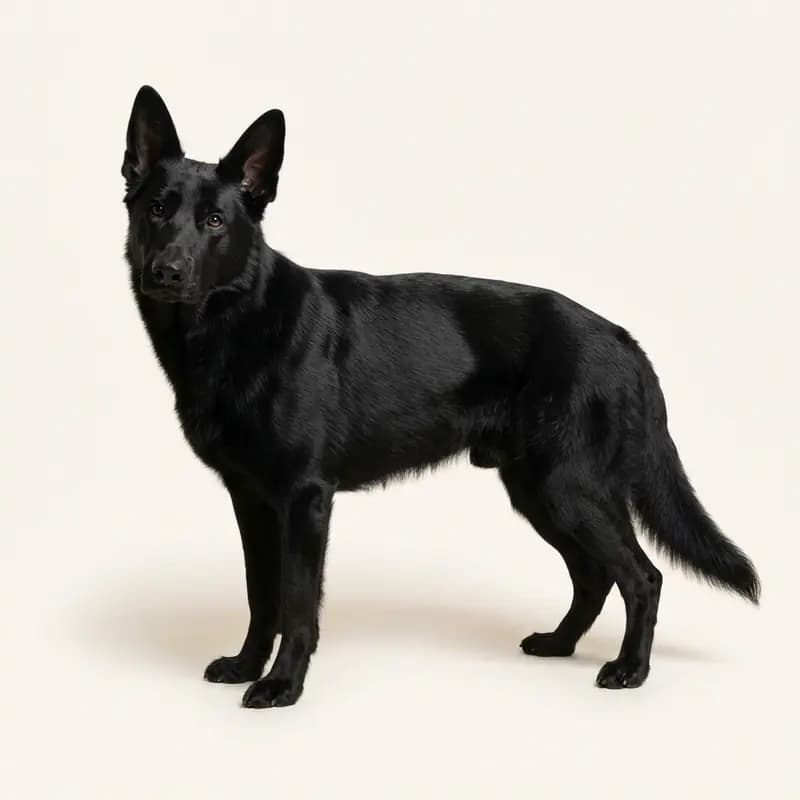
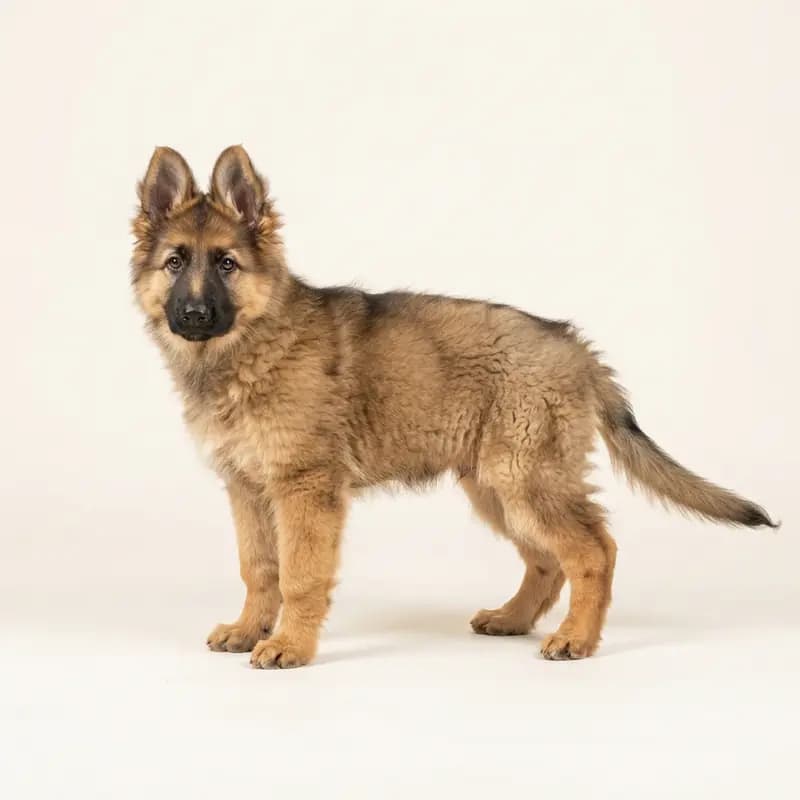
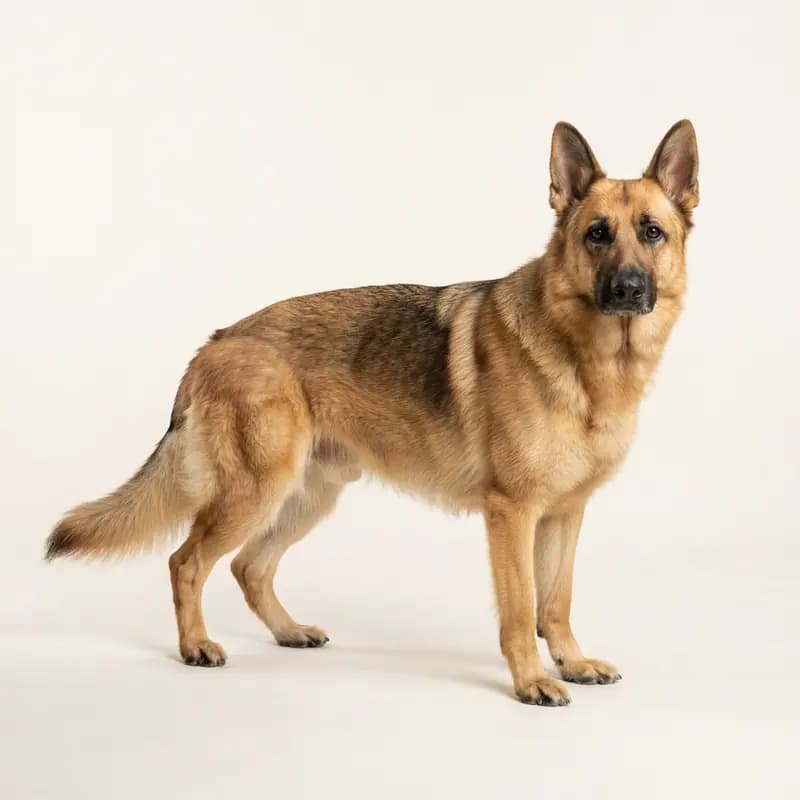
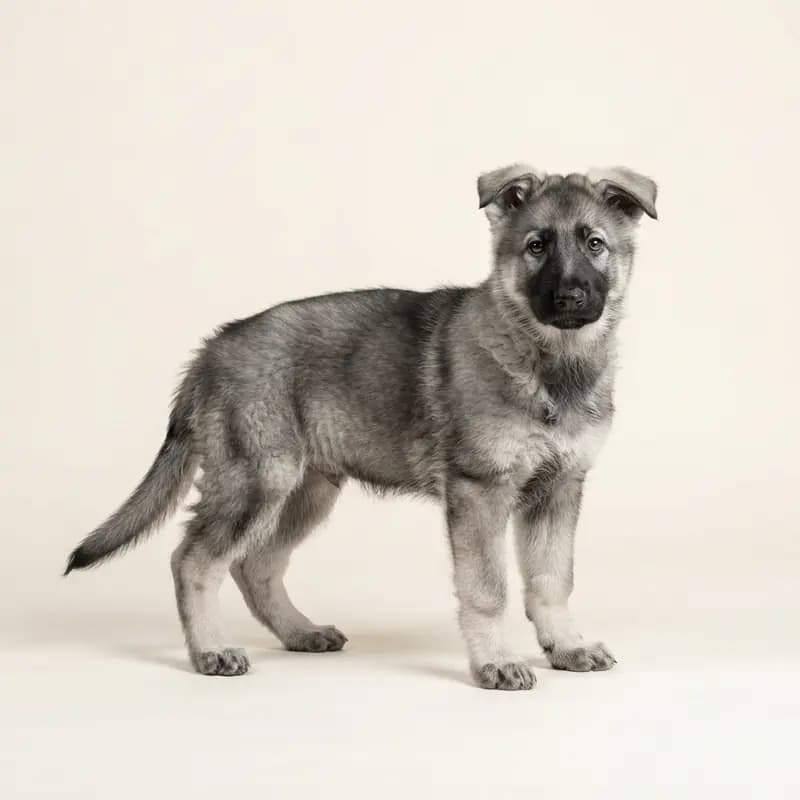
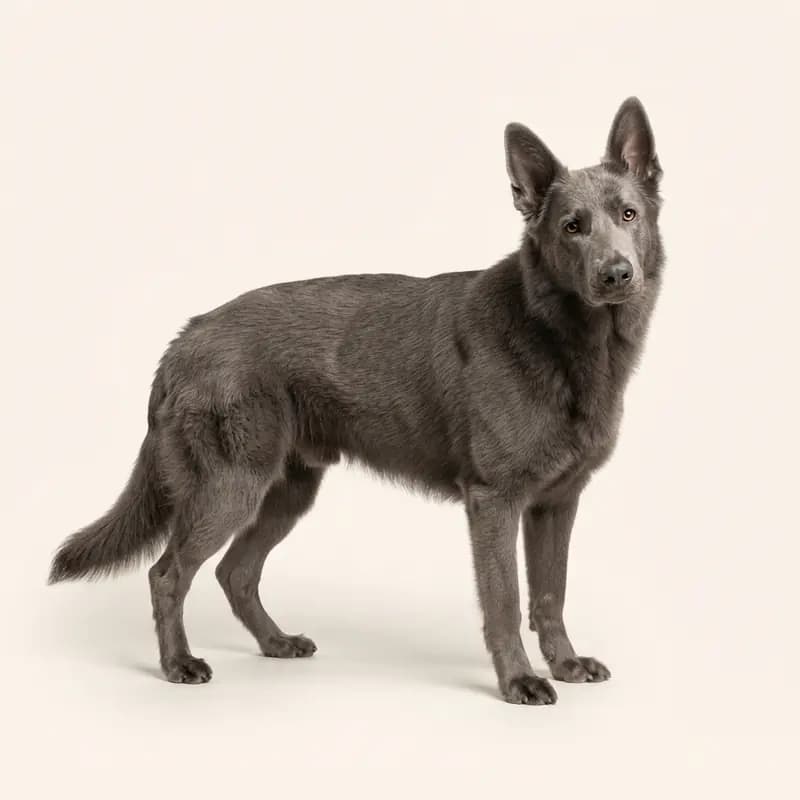
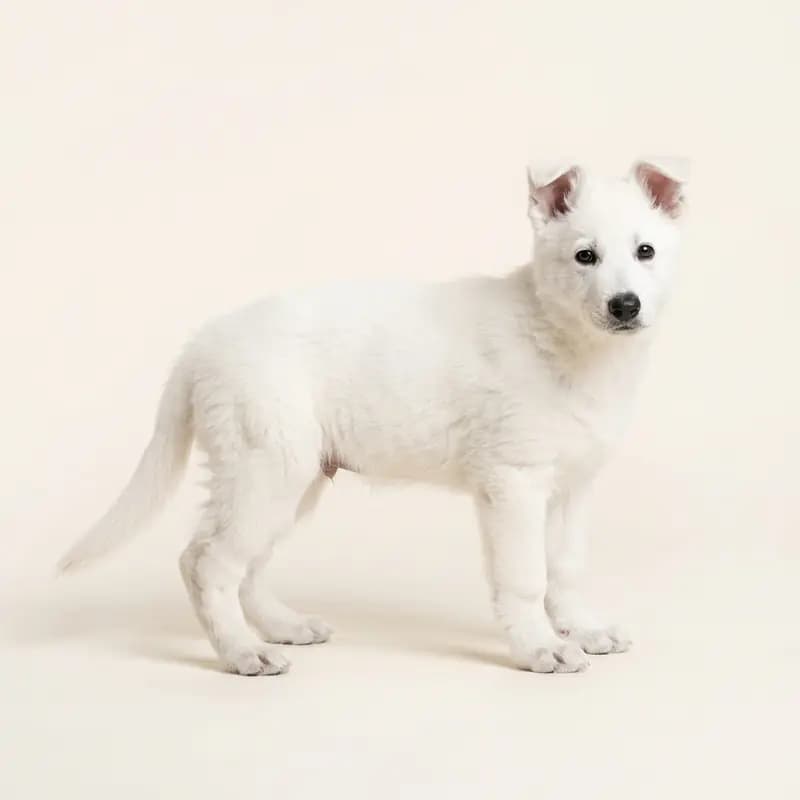
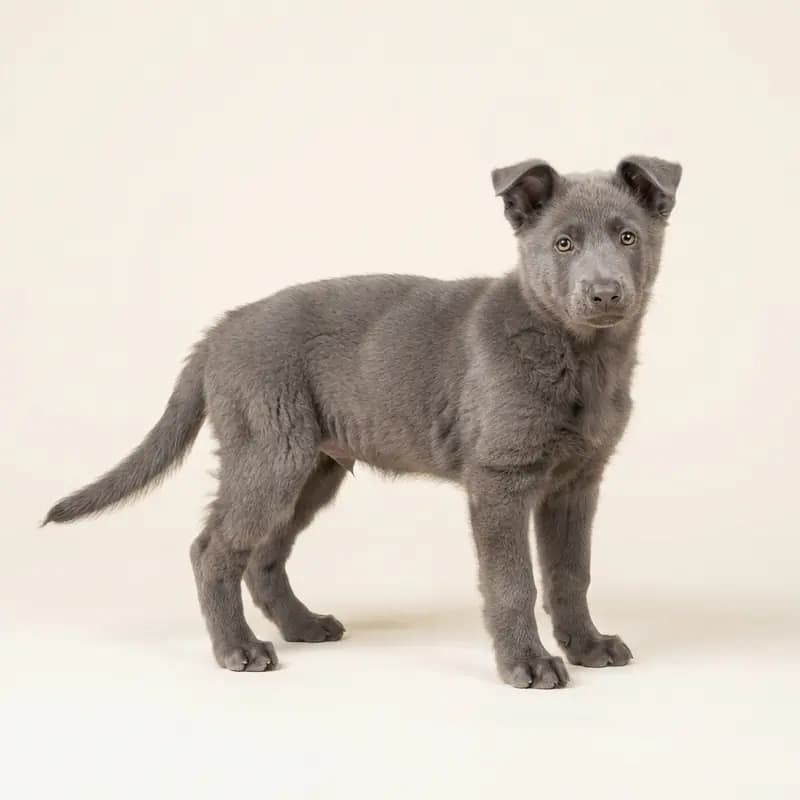
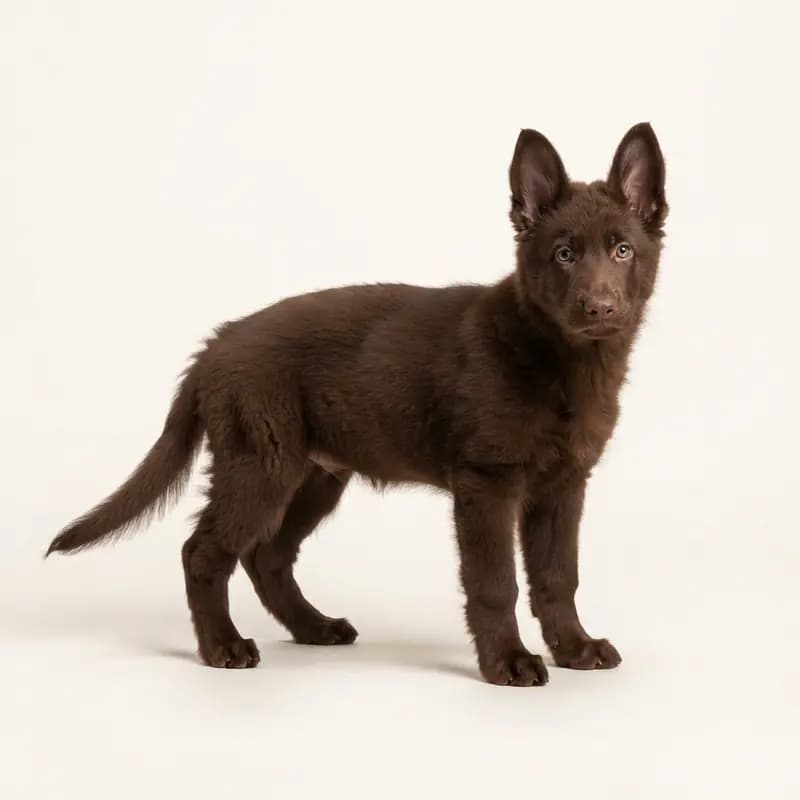
Hardly any dog breed is as iconic, admired, and at the same time as demanding as this powerful companion. If you are lucky enough to share your life with one, you are facing a wonderful but intensive task. German Shepherd training is the key to turning a boisterous bundle of energy into a loyal, reliable, and balanced partner for everyday life. Whether you’ve just brought home a fluffy puppy or are fine-tuning the skills of an adult dog – this guide will accompany you on your journey.
As an experienced dog trainer, I know: this breed rarely forgives inconsistency but rewards you with unparalleled devotion when you strike the right tone. Let’s dive deep into the world of training together, understand breed-specific traits, and find out how to fully unlock your dog’s enormous potential.
German Shepherd Training: A Model Student with High Standards
When we talk about the trainability of this breed, we are talking about the absolute top tier. With a rating of 5/5 in terms of docility, this dog brings an enormous "will to please" – he wants to work with you and satisfy you. But beware: a highly intelligent dog that learns good things in record time also picks up undesirable behaviors lightning-fast.
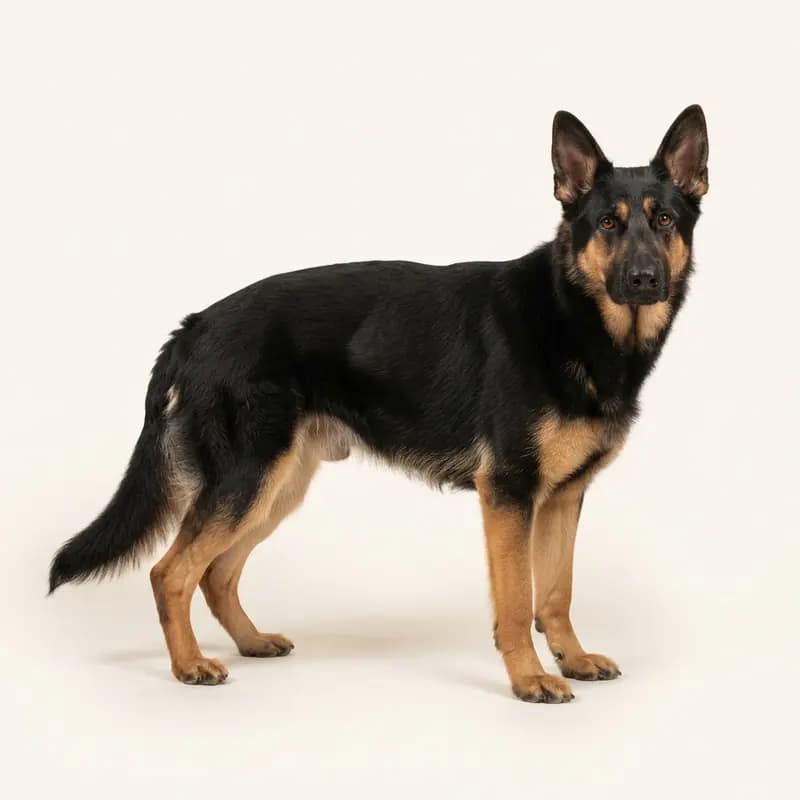
Their character is marked by confidence, courage, and a razor-sharp intellect. Historically bred as a herding and driving dog, they possess a strong working drive. It is crucial to know which line your dog comes from. While the working line is bursting with energy and almost mandatorily requires a demanding task, the show line often shows a slightly more moderate temperament. Nevertheless, both lines are absolute work horses. If you want to learn more about the specific physical characteristics and history, be sure to take a look at the detailed German Shepherd breed profile.
With a shoulder height of up to 65 cm for males and an adult weight of 30 to 40 kg, it quickly becomes clear: an untrained German Shepherd is a real safety risk. Physical strength alone will not be enough to hold this dog on a leash. Your leadership quality, clarity, and a deep, trusting bond are the foundation of your cooperation.
The Foundation: German Shepherd Puppy Training
The first weeks and months of life set the course for the rest of the dog's life. German Shepherd puppy training requires a lot of patience, love, and above all, foresight. What seems cute in a ten-week-old, tiny puppy (like jumping up to greet you) quickly becomes a problem with a full-grown 40-kilo dog.
Housebreaking: Consistency from Day One
Housebreaking is usually the first major training goal. The breed is very clean, which works in your favor. The key to success lies in close observation and a fixed rhythm. Take your puppy outside after every sleep, play session, and meal. Is he turning in circles searching or sniffing the floor intensely? Get out immediately! When he relieves himself outside, praise him enthusiastically with a gentle voice. Punishments for small "accidents" in the house are taboo – wipe it up without comment, as stress massively inhibits your puppy's learning process.
Training Bite Inhibition: When the Puppy Becomes a Piranha
German Shepherd puppies discover the world with their sharp milk teeth. Since they will later develop enormous biting power, learning bite inhibition in the first 16 weeks is elementary. If your puppy bites too hard during play, stop the game immediately. A short, clear "Ouch!", standing up, and ignoring the dog for a few seconds is often enough. Instead, always offer him an allowed alternative, such as a robust tug toy or a chew toy. He must learn: human skin is off-limits, toys are for chewing.
Socialization: Mastering the Environment with Confidence
The socialization phase is the most important window in development. The breed is considered family-friendly (4/5) but often brings a certain skepticism toward strangers. Additionally, their suitability for city life is rated rather low at 2/5, meaning urban stimuli can quickly become overwhelming for these dogs.
Show your puppy the world in small, positive doses:
- People and Children: Let him have positive experiences with people of different ages. Teach him that playing children (child-friendliness 3/5) are no reason to activate his herding or protective instinct.
- Environmental Stimuli: Trams, loud cars, rattling trash cans – he should explore all of this calmly and relaxed by your side.
- Other Dogs: Since compatibility with other dogs is average (3/5), positive, well-moderated canine contacts are essential. Avoid uncontrolled playgroups where your puppy might be bullied or turn into a bully himself.
For detailed information on welfare-oriented and stress-free socialization, the Veterinary Association for Animal Protection (TVT) offers excellent leaflets that can serve as a guide.
Essential German Shepherd Commands
Once the foundation for everyday life is set, it's time for basic obedience. The right German Shepherd commands provide safety and give the dog the necessary structure. Use your dog's motivation for training: most representatives of this breed are extremely food-oriented or can be excellently rewarded via a toy (prey drive).
Sit and Down: The Foundation of Control
Your smart four-legged friend will probably understand "Sit" after just a few repetitions. "Down" (lying down) is often a sign of submission for dogs and requires some trust initially with very self-confident German Shepherds. Lure the dog with a treat in front of his nose slowly from the sit position down between his front paws. As soon as the elbows touch the ground, follow up with the marker word (e.g., "Good!") and the reward. Demand these commands consistently even in distracting situations, while waiting for food, or before crossing a street.
Stay: Pure Impulse Control
For a dog with an energy level of 5/5, sitting still is a feat. The "Stay" command trains your dog's frustration tolerance and impulse control. Build it up in small steps: have the dog sit, say "Stay," take just one step back, and return to him immediately to reward him. Distance and duration should only be increased gradually during training. Always release the command deliberately with a release word (e.g., "Okay" or "Free").
Reliable Recall: The Life Insurance
No command is more important than the recall. While the German Shepherd usually doesn't have a strong hunting instinct for wild game, they react strongly to movement stimuli (joggers, cyclists, fleeing cats). Initially, always train the recall on a long training lead. Call your dog's name and the command (e.g., "Here"). When he charges toward you, make yourself interesting, crouch down, cheer, and reward him with the absolute "jackpot" – this could be liver paste from a tube or a game of tug with his favorite toy.
Leash Walking: Who’s Leading Whom?
A pulling 40-kilo dog is not only unpleasant but dangerous. Leash walking begins in the mind. Your dog must learn that a tight leash means: we aren't going another inch. Stand as firm as a tree trunk as soon as tension comes onto the leash. Only when the leash is slack again (because the dog orients toward you or takes a step back) do you continue your path. Changes in direction also help keep your dog's attention on you.
Breed-Specific Challenges in German Shepherd Training
Every breed brings its own set of traits. Understanding your dog's nature helps avoid problems before they arise. In German Shepherd training, there are specific hurdles that beginners and even advanced owners must master.
The Protective and Guarding Instinct
Your German Shepherd loves his family dearly and sees it as his job to guard house and home. This is desired but must happen within controlled boundaries. You are the decision-maker! When the doorbell rings, the dog may bark briefly but should then be sent to his place. You handle the greeting of the visitor. If the dog doesn't learn that you carry the responsibility, he will make decisions himself – which can lead to excessive guarding and aggressive behavior.
High Energy Levels and the Art of Relaxation
With an energy level of 5/5, this dog demands daily exercise. However, even more important than physical activity is learning how to rest. A German Shepherd that is constantly revved up (e.g., through hours of ball throwing) mutates into an adrenaline junkie who can never switch off. Actively teach your dog to relax in his place. Calm rituals, chews, and deliberate downtime are just as important as training on the field.
Leash Reactivity
Due to their sensitive perception and strong bond to the owner, some German Shepherds tend to react aggressively on the leash toward other dogs or strangers ("leash aggression"). Often this behavior stems from a mix of insecurity, frustration, and a desire to shield the owner. Only professional training, changing your own body language, and establishing a clear interrupt signal combined with alternative behavior (e.g., putting the dog behind you and demanding eye contact) will help here.
Advanced Training: Challenging the Intelligent Mind
When the basics are settled, the real fun begins. The German Shepherd is a working dog through and through. Simple walking isn't enough for him in the long run. He thrives when given a real job. Mental stimulation not only makes your dog happier but also more tired than hours of running.
Dog Sports: The Perfect Outlet
Organized dog sports provide the perfect platform to grow together as a team. The Verein für Deutsche Schäferhunde (SV) e.V. is traditionally the first point of contact for this. The following sports are excellent choices:
- IGP (International Working Dog Trial): Formerly known as Schutzhund. This combines tracking, obedience, and protection work. Contrary to many prejudices, serious protection work does not make the dog aggressive but promotes absolute controllability in high-drive situations.
- Obedience: The "High School" of discipline. Perfection, harmony, and lightning-fast execution of commands are the focus here.
- Agility: A course of hurdles, tunnels, and see-saws. Ideal for leaner German Shepherds, it requires great agility and blind trust.
- Rally Obedience: A fun variation of obedience where handler and dog navigate a forest of signs with different exercises.
Nose Work: The Underrated Superpower
A German Shepherd's nose is a high-performance organ. Nose work is incredibly taxing for the canine brain. Ten minutes of intensive searching often tires a dog more than a one-hour walk. Hide treats in the living room, teach him to find specific objects (like your keys), or try Mantrailing, where the dog follows the scent trail of a hidden person.
Common Mistakes in German Shepherd Training
Despite the best intentions, mistakes can quickly creep into everyday life. This breed is highly sensitive to their human's mood. Be sure to avoid these pitfalls:
- Overly Harsh Training Methods: The outdated image of the "tough German Shepherd" that must be broken with force is not only a welfare issue but also extremely counterproductive. Pressure creates counter-pressure in these dogs or destroys the vital foundation of trust. Modern dog training is based on positive reinforcement and clear, confident leadership without violence.
- Lack of Consistency: If "No" means no once, it must always mean no. If your dog is allowed on the sofa today but punished for it tomorrow, he will no longer understand the world. German Shepherds need black and white, no gray areas.
- Physical Overload in Puppies: Unfortunately, the breed is prone to joint diseases like Hip Dysplasia (HD) and Elbow Dysplasia (ED). Climbing stairs, wild jumping, running alongside a bike, or walks that are too long in the first year of life are poison for developing joints.
- Neglecting Mental Stimulation: Those who only tire out their German Shepherd physically (e.g., on a bike) breed a top athlete with enormous stamina but an unsatisfied mind.
Frequently Asked Questions
When should I start training my German Shepherd?
Training begins the second the puppy moves in with you – usually at 8 to 10 weeks of age. Initially, it's not about strict drills, but about gently learning house rules, housebreaking, building trust, and getting used to his name. An early start prevents undesirable behaviors from taking hold in the first place.
Is a German Shepherd suitable for first-time owners?
Yes, but with a big "but." A German Shepherd is not a classic beginner dog because he reacts very sensitively to mistakes and, due to his size and protective instinct, can be difficult to control if training is lacking. However, a highly motivated beginner who studies the breed intensively, attends a good dog school from day one, and is willing to invest a lot of time can master this task excellently.
How do you best mentally stimulate a German Shepherd?
Mental stimulation is just as important for this breed as daily walks. Learning new tricks, complex search games (nose work), tracking, or dog sports like Obedience and Rally Obedience are ideal ways to challenge your dog's mind and ensure his satisfaction.
How long can an adult German Shepherd stay home alone?
A German Shepherd builds an extremely close bond with his caregivers and dislikes being alone. With careful, step-by-step training from puppyhood, an adult dog can usually stay alone for 4 to a maximum of 5 hours without problems. However, the prerequisite is that he has been well exercised beforehand and is relaxed.
Conclusion: A Friend for Life through Clear Structures
Training a German Shepherd is not a sprint, it's a marathon. It requires time, infinite patience, empathy, and a large portion of humorous consistency. If you are ready to take the lead, show your dog clear boundaries, and challenge his extraordinary intelligence daily, you will be rewarded with a companion who would literally go through fire for you. Their loyalty and joy for work are almost unsurpassed in the canine world.
Investing in solid foundational work, understanding breed-specific challenges, and fostering their talents will turn your everyday life together into a wonderful journey. Are you looking for a reputable breeder for your dream dog or want to exchange ideas within the community? Discover verified breeders, expert tips, and a platform that dog lovers trust at HonestDog. Take the first step and start your life with a German Shepherd perfectly prepared!