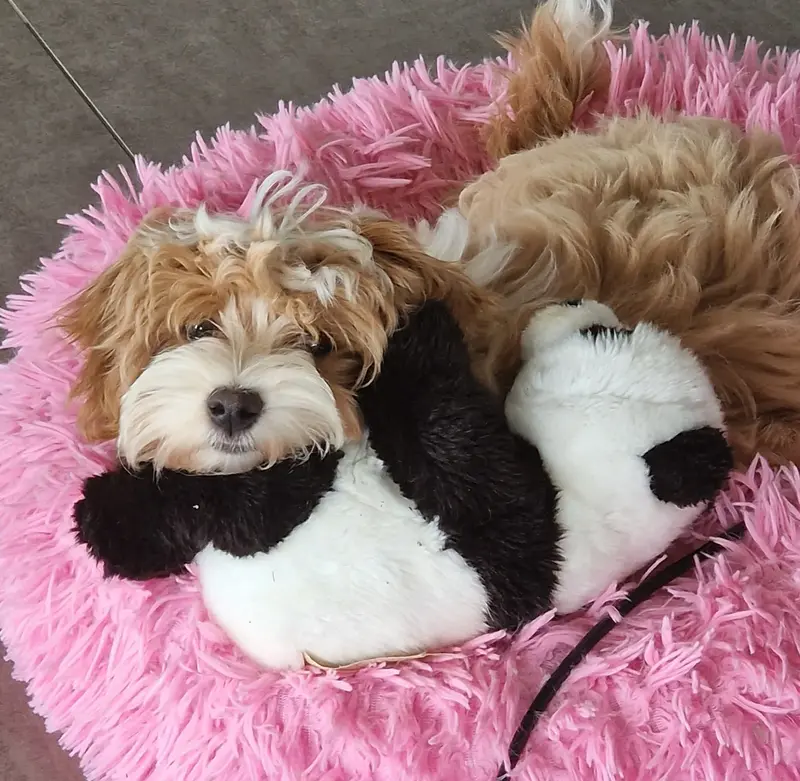
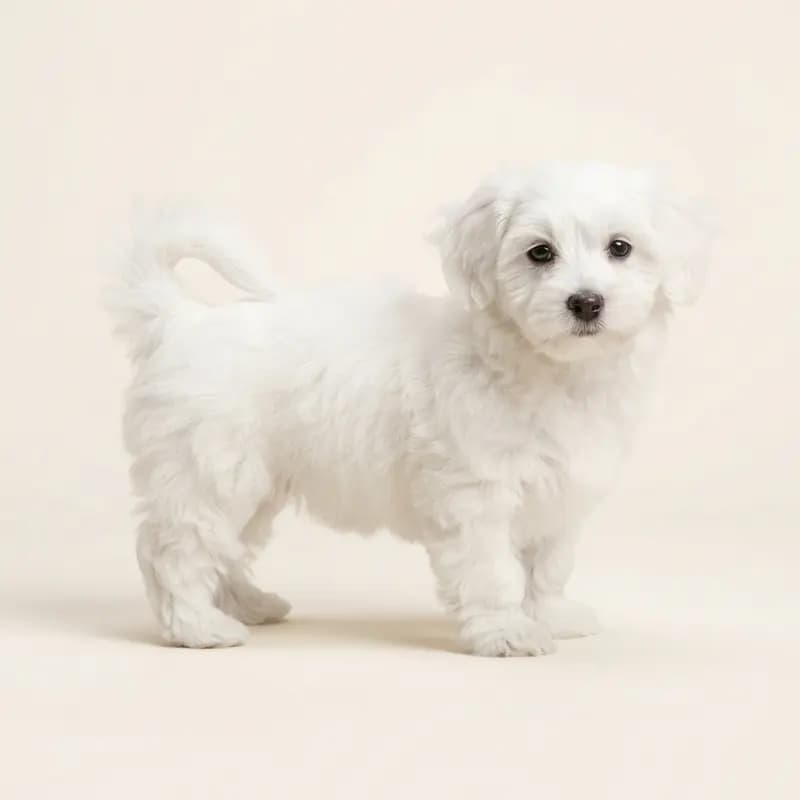
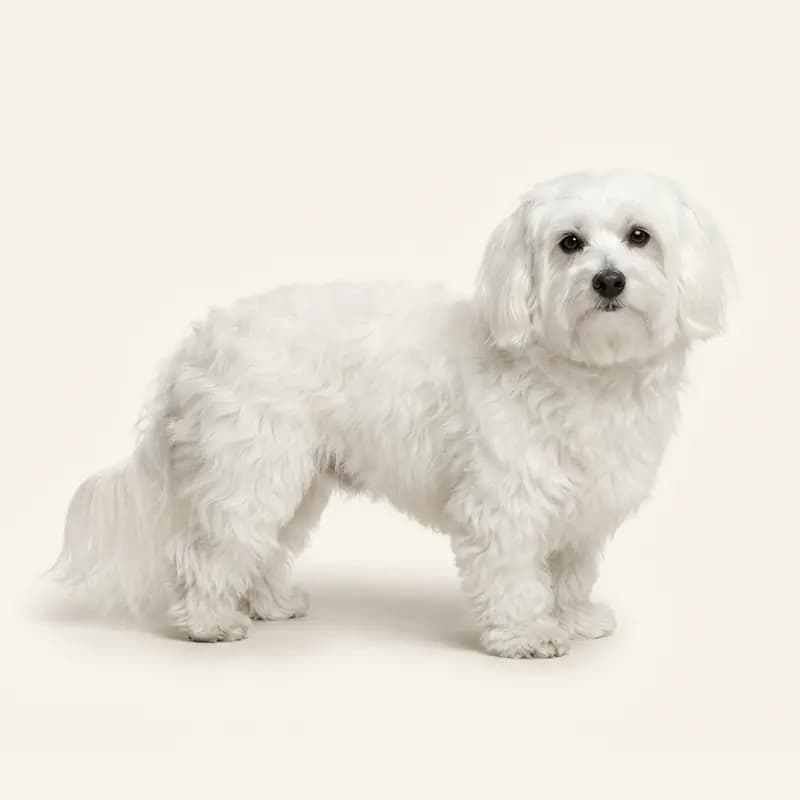
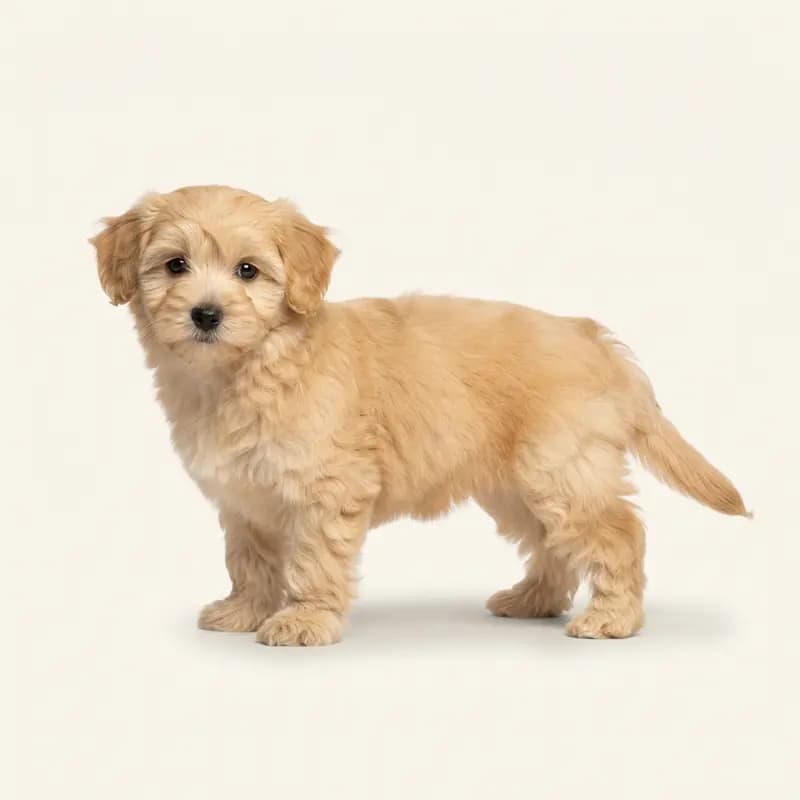
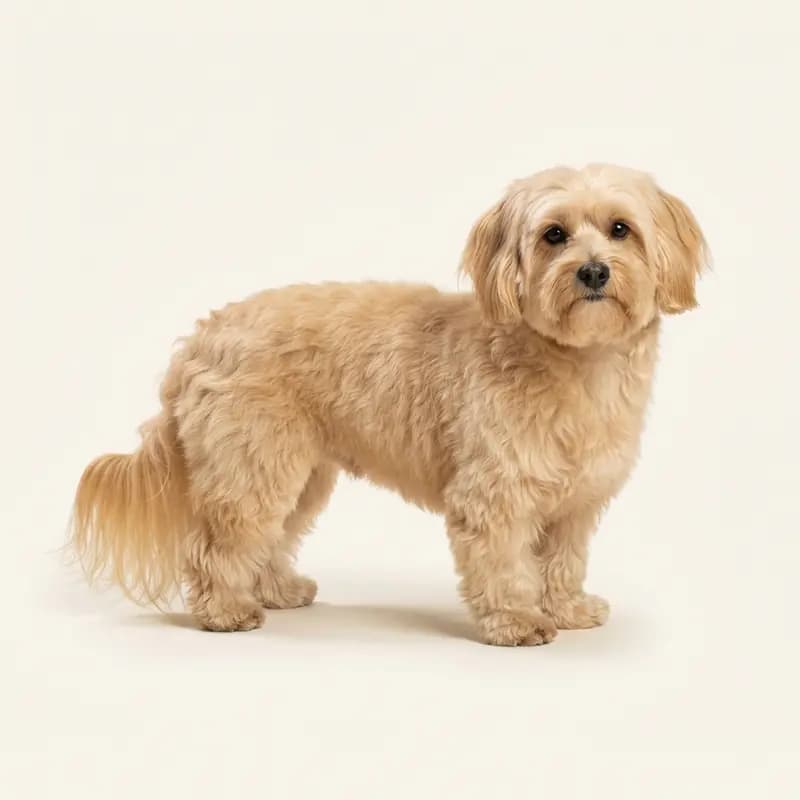
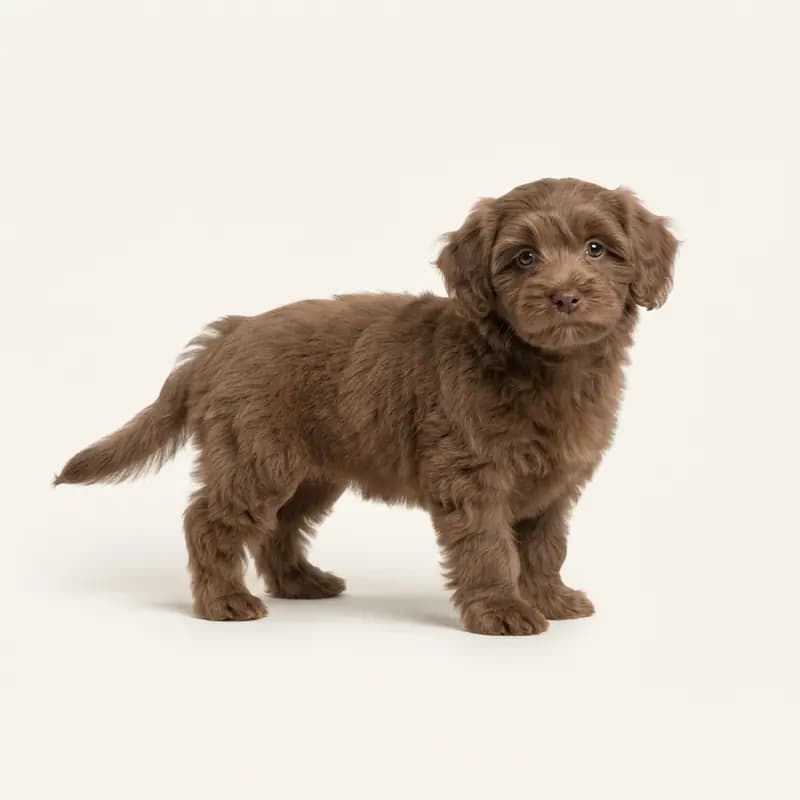
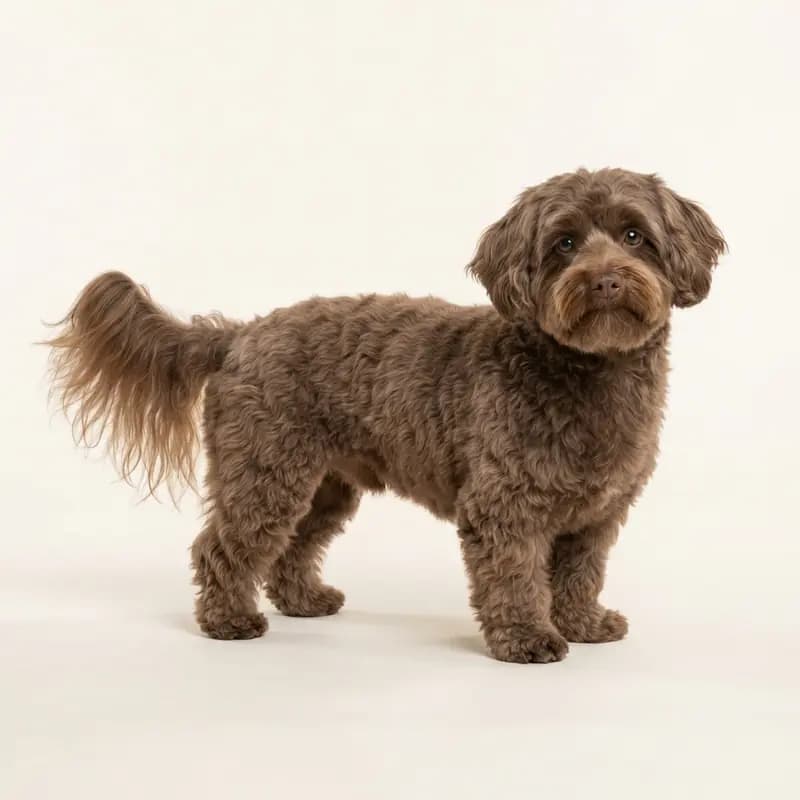
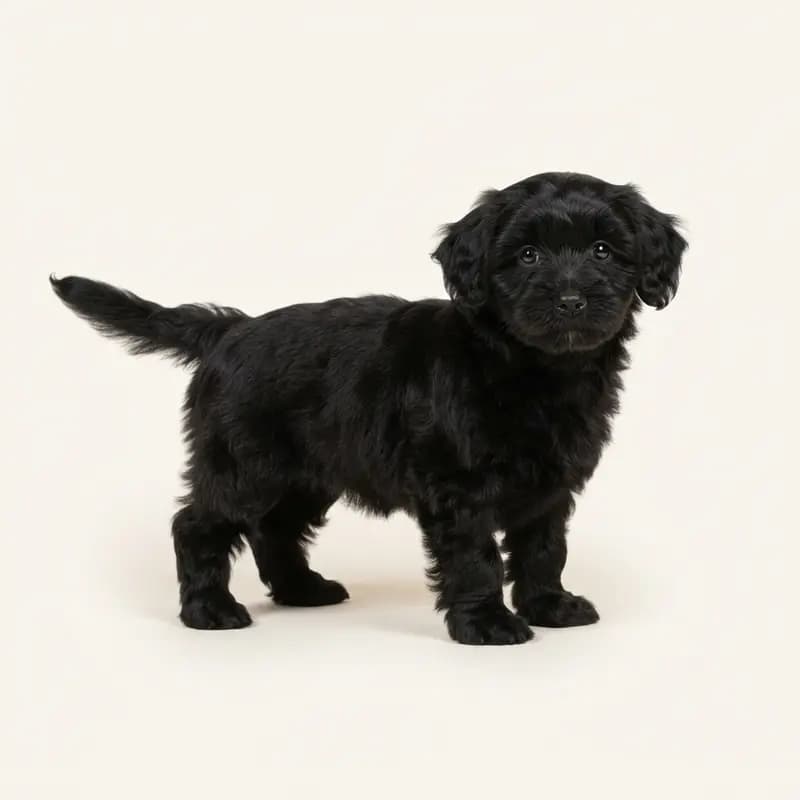
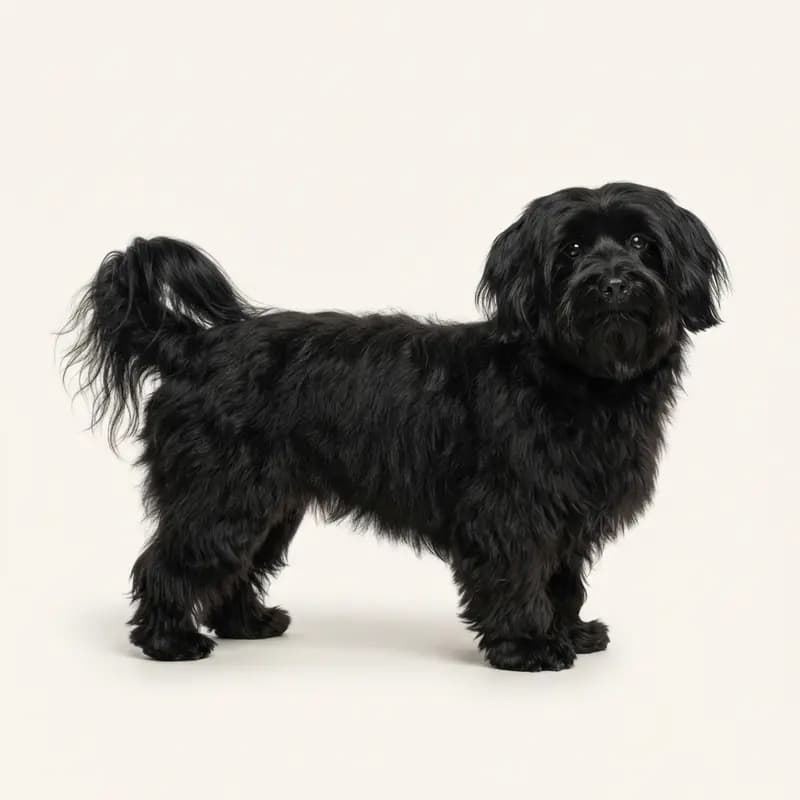
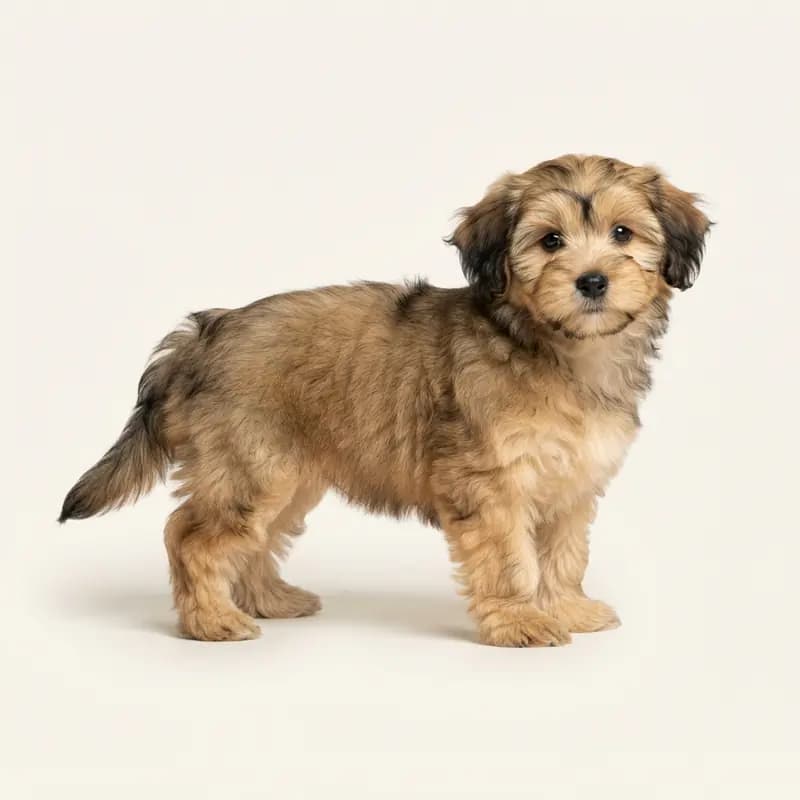
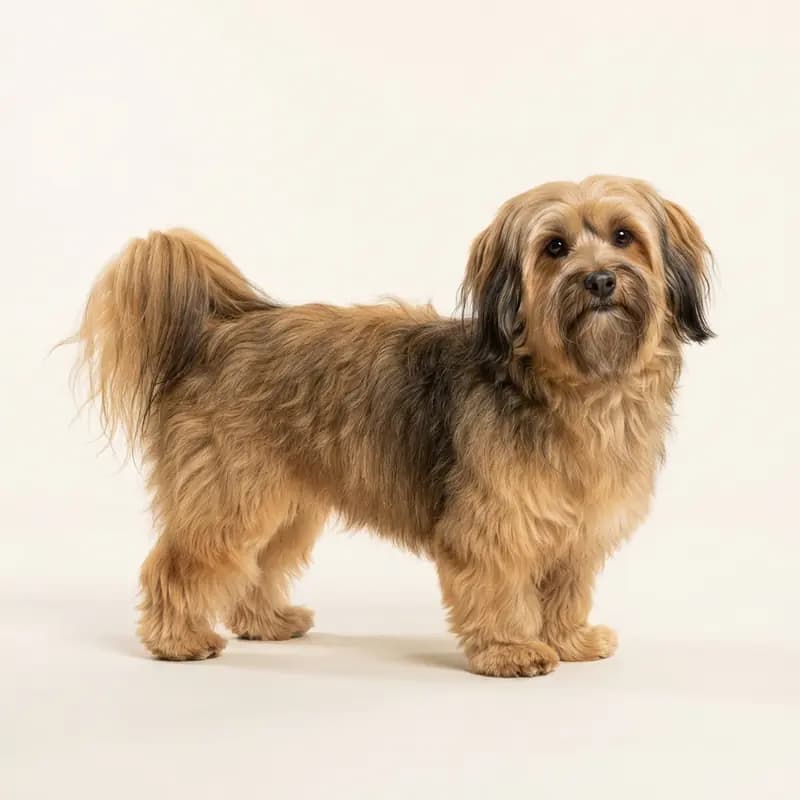
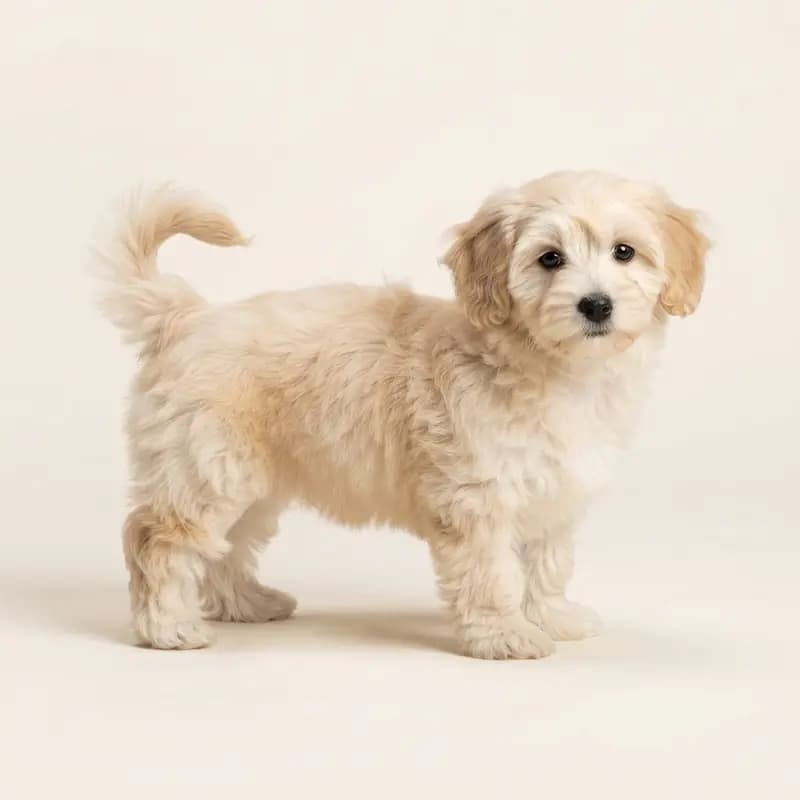
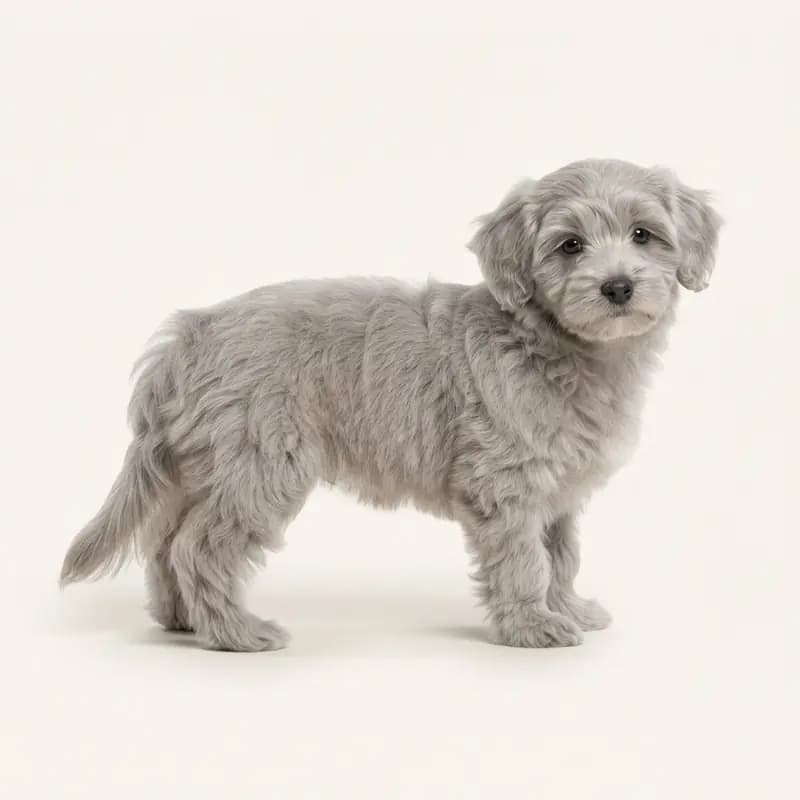
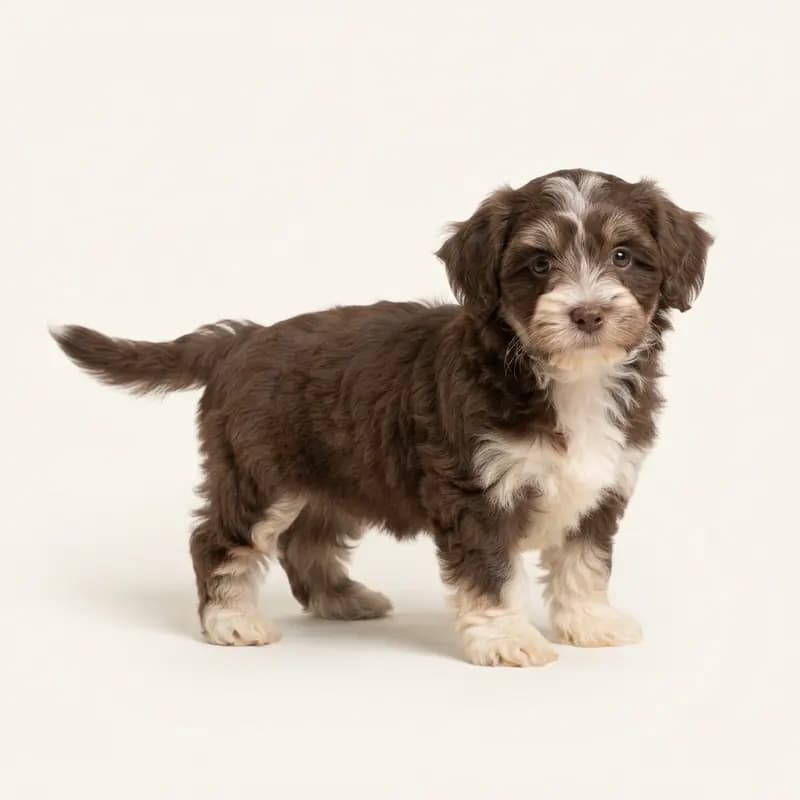
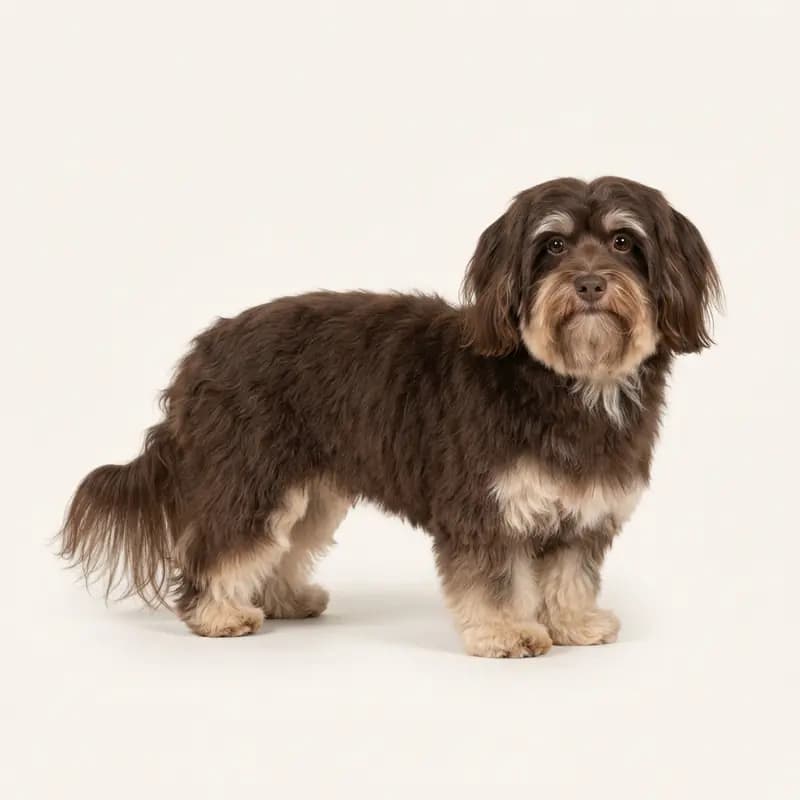
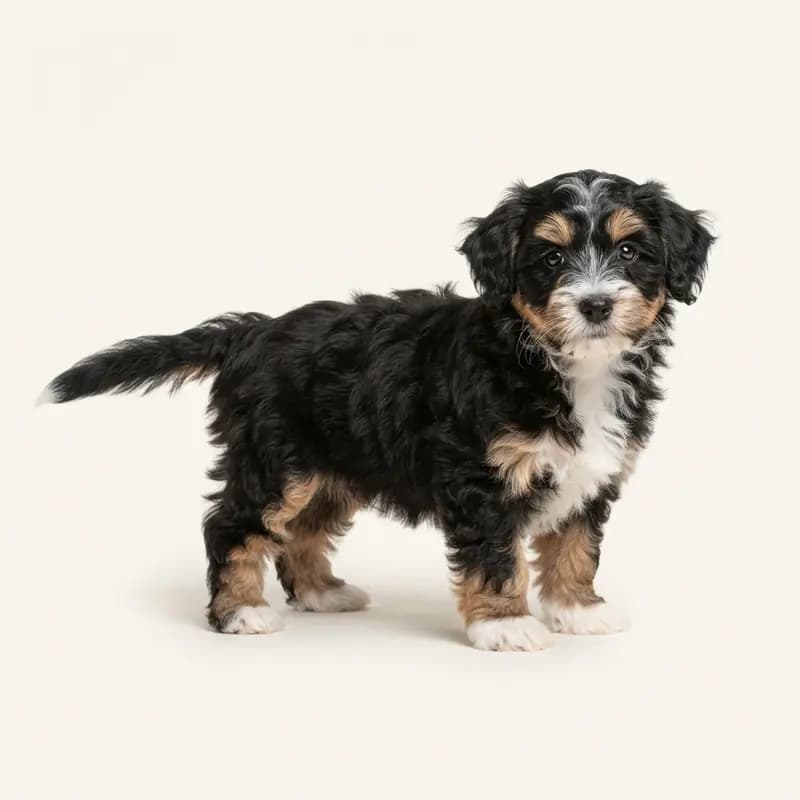
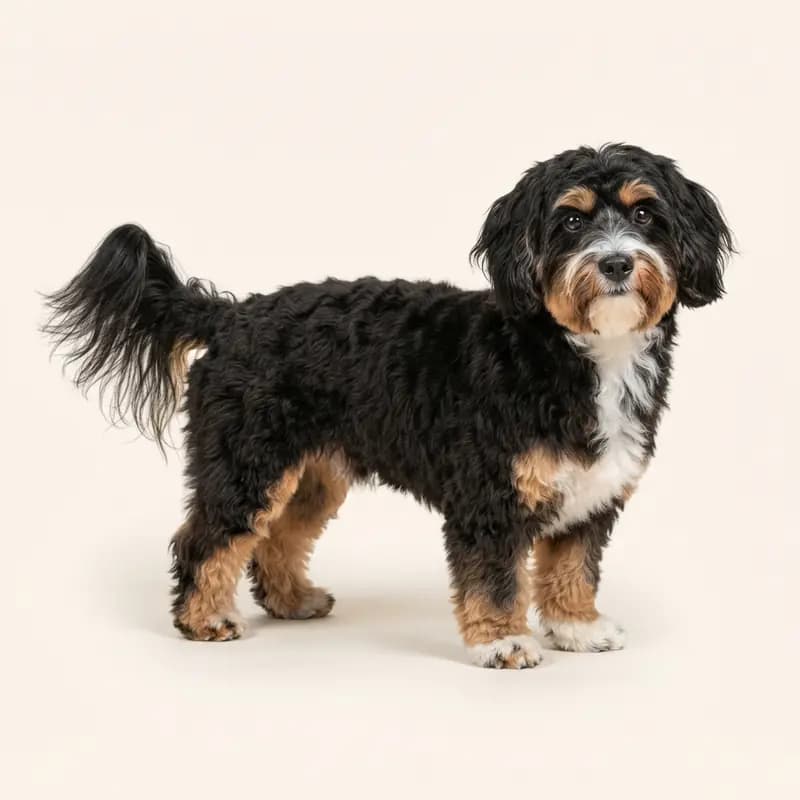
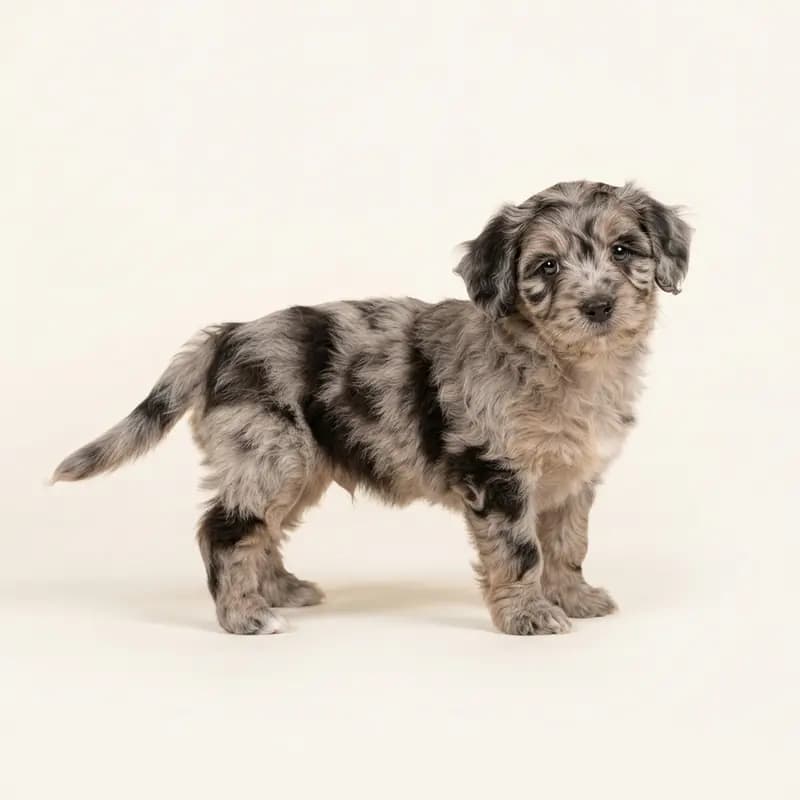
Congratulations! If you share your life with one of these cheerful little Cubans or are planning to welcome a puppy into your family, you have a wonderful time ahead of you. Havanese training is a thoroughly positive experience, as this breed possesses traits that make learning together a true joy. As an experienced dog trainer, I can assure you: with the right approach, some patience, and plenty of love, your little four-legged friend will quickly become the perfect companion for everyday life.
In this comprehensive guide, you will learn everything you need to know for a successful life together. From the very first days in their new home to learning the most important basic signals, all the way to advanced tricks and breed-specific characteristics. We dive deep into your dog's psychology so you can understand what makes them tick and how you can unlock their full potential.
Havanese Training: Why this Cuban is the perfect pupil
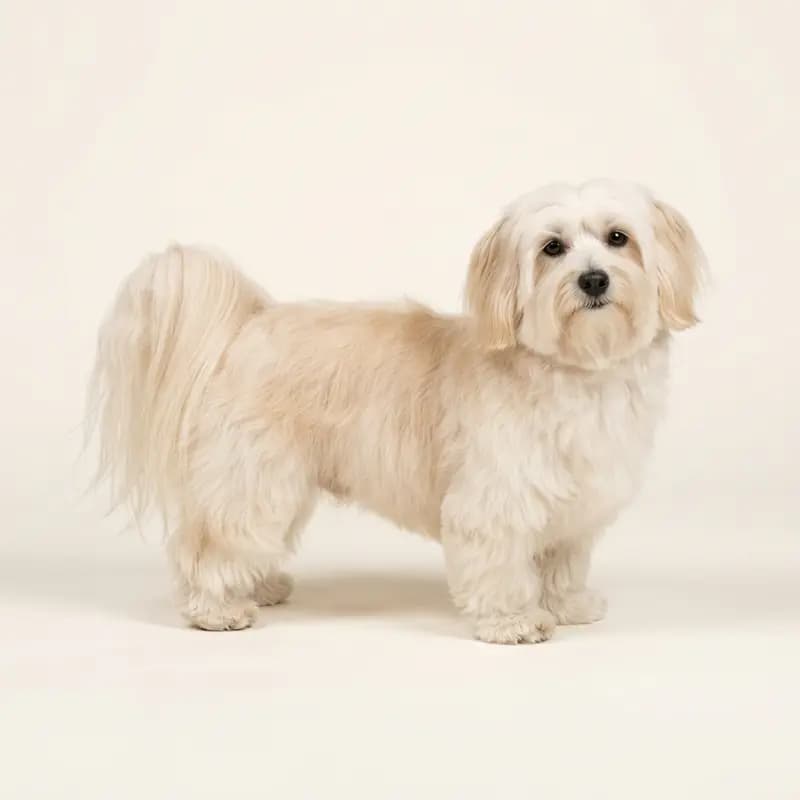
To train a dog optimally, one must first understand its roots and character. The Havanese originally hails from Cuba and belongs to the "Toy Group" (Companion and Toy Dogs). But don't let their small size of 23 to 27 centimeters (approx. 9-11 inches) at the shoulder and a weight of 3 to 9 kilograms (approx. 7-20 lbs) fool you! Inside this compact body lies an exceptionally intelligent, outgoing, and funny spirit.
When we look at the trainability of this breed, it easily earns 5 out of 5 stars. Havanese want to please ("Will to please"). They are closely bonded to their caregivers, extremely family-friendly (5/5), and great with children (5/5). This means they are very attentive during training and react sensitively to your moods. A loud word or a harsh hand are absolutely out of place in Havanese training. They learn best through positive reinforcement, praise, and treats.
You can learn more about their exciting history, physical characteristics, and exact breed data in our detailed Havanese breed profile.
The Foundation: Havanese Puppy Training in the first 16 weeks
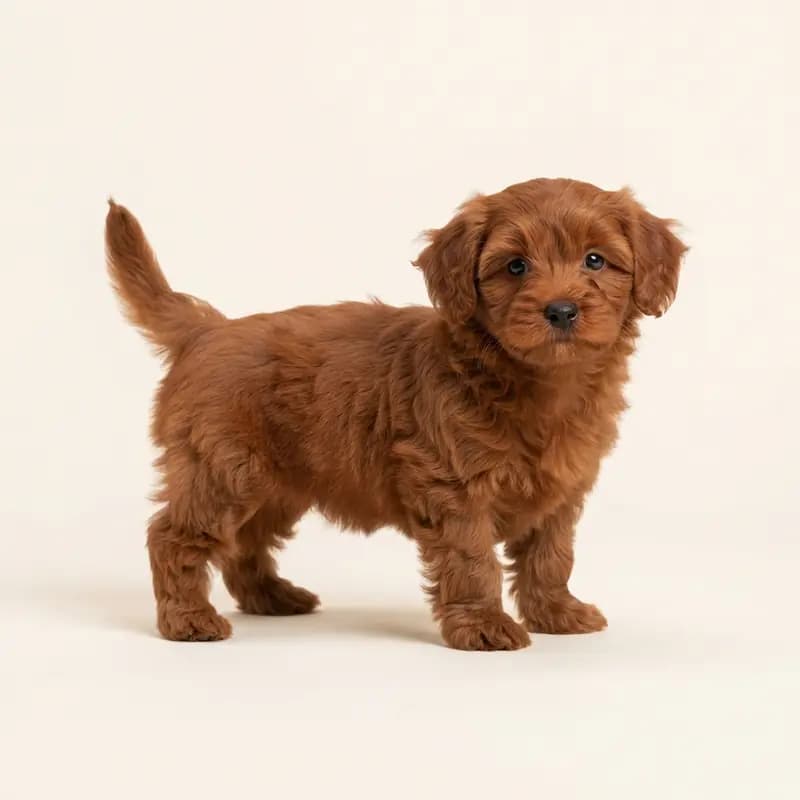
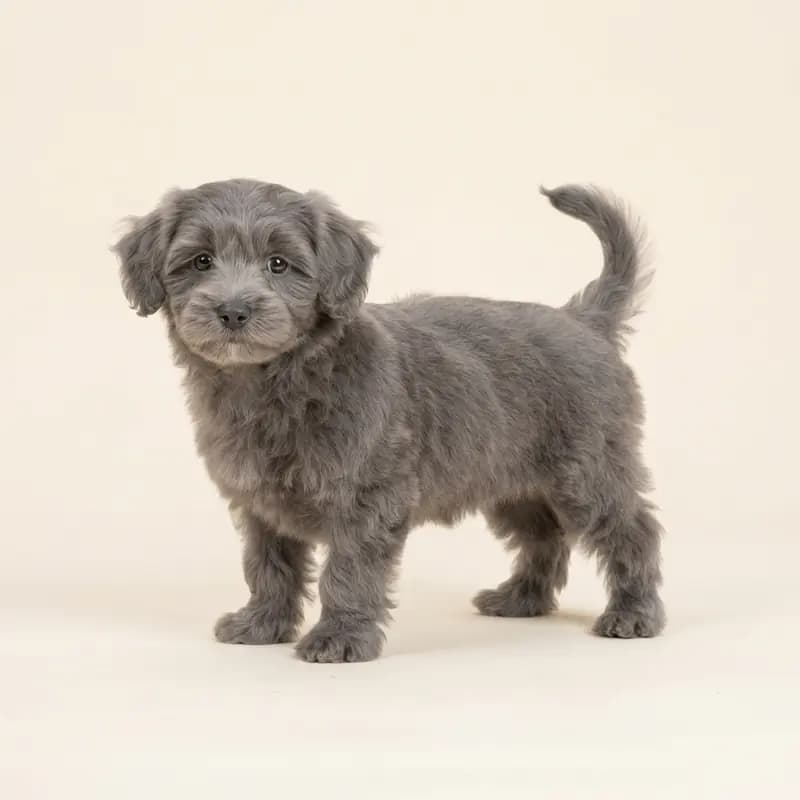
The first few weeks in a new home are formative for a dog's entire life. A healthy Havanese has a life expectancy of 13 to 15 years. What you invest in the Havanese puppy training phase will pay off for a very long time. Puppies of this breed, usually purchased from reputable breeders for a price between 1,800 and 3,000 EUR, typically come with a good foundation. Now it is up to you to build upon that.
Housebreaking: Patience pays off
Since they are small dogs, puppies have correspondingly small bladders. Housebreaking requires a watchful eye in the first few weeks.
- Rhythm is everything: Take your puppy outside after every sleep, play, and meal. Initially, this means every two hours.
- Observation: Is the puppy spinning in circles or sniffing the floor intensely? Pick them up calmly and immediately and place them in their designated outdoor spot.
- Mega Party: If they do their business outside, praise them enthusiastically and give them a special treat. If an accident happens indoors: clean it up without comment (never scold!).
Socialization and Environmental Adaptation
The Havanese is known for its high suitability for city life (5/5) and good compatibility with other dogs (4/5). However, these traits must be nurtured. In the first 16 weeks of life, your puppy is in the sensitive socialization phase. Show them the world, but do not overwhelm them. Bus rides, different surfaces, the vacuum cleaner, strangers with hats or umbrellas – all of this should now be linked to positive experiences. The VDH (German Kennel Club) often recommends visiting a well-managed puppy playgroup where your little Cuban learns to communicate appropriately even with larger breeds.
Training Bite Inhibition
Like all puppies, Havanese explore the world with their sharp milk teeth. If the game gets too wild and they bite your hand, give a short, high-pitched yelp (like a littermate), stop the game for a minute, and ignore them. This way, the intelligent dog quickly learns: "Aha, if I bite too hard, the fun stops."
Essential Havanese Commands: The basics of daily dog life
As soon as your puppy has settled in, the actual Havanese training begins. Since this breed likes to be mentally challenged, practicing basic signals is usually fun for both sides. The most important Havanese commands form the foundation for your safety and freedom in everyday life.
The "Sit" and "Down"
These two signals are usually learned in the blink of an eye.
- Sit: Lead a treat slowly over your Havanese's nose back toward their ears. Their head goes up, and their bottom goes down automatically. As soon as their rear touches the ground, say "Sit!" and release the treat.
- Down: From the "Sit" position, lead a treat vertically down between their front paws and then slowly pull it away from them along the floor. If they follow the treat into a lying position, say "Down!" and reward them.
The Life-Saving Command: The Recall
A functioning recall gives your dog the greatest possible freedom during walks. Train this first in a distraction-free environment (e.g., the living room), then in a fenced garden, and finally on a long training lead in an open field.
Call your dog's name and a clear "Here!". When they run joyfully toward you, crouch down, open your arms, and celebrate their arrival like a champion. Always use the absolute favorite treats for the recall (e.g., tiny pieces of cheese or cooked chicken) – the recall must always be more rewarding for the dog than any rabbit or interesting scent along the way.
Stay: Learning Impulse Control
Havanese are busy and always want to be where you are. The "Stay" command challenges their impulse control. Have the dog sit, say "Stay," show them a flat palm, and take just one single step back. Go back to them immediately before they get up and reward them. Increase the distance and duration only in tiny steps over the course of several weeks.
Breed-Specific Challenges in Havanese Training
Although training is generally considered easy, there are specific areas due to the breed profile that require special attention.
Training on the Grooming Table (Medical Training)
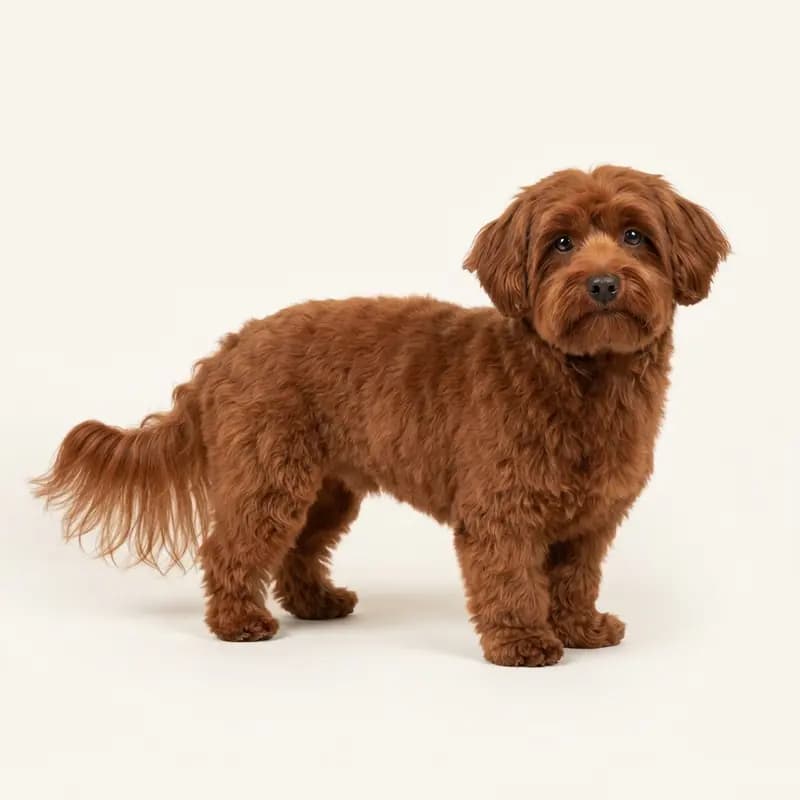
While the Havanese sheds very little (hair loss 1/5) and produces few dog allergens, its long, soft, silky coat with poorly developed undercoat requires intensive care. The grooming effort is 4/5! If you don't brush your dog regularly, they will develop painful matting.
Therefore, "grooming training" is one of the most important Havanese lessons of all. Get them used to standing on a table and being touched everywhere from day one. Always associate the brush with calm, relaxation, and treats. Show them that ear checks, paw handling, and combing are wonderful things. This trust will also make every visit to the vet stress-free later on.
Training to Stay Alone
Havanese are companion dogs through and through. They were bred to be with their people. This means they are prone to separation anxiety if they are not gently introduced to being alone.
Begin the training early by closing doors behind you within the house (e.g., when you go to the bathroom). Don't make a drama out of leaving and coming. Ignore the dog briefly when you return so that being alone is registered as something completely normal and unspectacular. Increase the time slowly from a few minutes to a maximum of 4 to 5 hours. Generally, a Havanese should not be left alone all day.
Advanced Havanese Training: Mental and Physical Stimulation
The energy level of the Havanese is at 3 out of 5 stars. They are not hyperactive working dogs that need to run for hours every day, but they are definitely not pure couch potatoes either. One to two hours of varied walks per day are mandatory. However, mental stimulation is much more important.
Trickdogging and Dog Dance
Since Havanese are little clowns, they love learning tricks. "Give paw," "Roll over," "Sit up," or running through your legs ("Slalom") are exercises that bring these dogs incredible joy. Working on tricks together also enormously strengthens the bond between you and your dog.
Agility for Small Dogs
Physically, Havanese are surprisingly robust and agile. Mini-agility or Hoopers (a joint-friendly version of agility) are excellent for Havanese training. They learn lightning-fast to zip through tunnels or jump over low hurdles. Important: Before starting dog sports that involve jumping, you should wait until your dog is fully grown (approx. 12 months). Professional associations like the Bundestierärztekammer (Federal Chamber of Veterinarians) always advise a quick health check of the joints (patella) before fully exerting small breeds in sports.
Nose Work
Hide treats in the apartment or incorporate search games during walks. Nose work is very tiring for dogs. Ten minutes of intensive sniffing will make your Havanese more satisfied and tired than an hour of monotonous ball throwing.
The 3 Most Common Mistakes in Training Small Dog Breeds
As a dog trainer, I often see owners of small dogs fall into certain traps that make living together more difficult. Be sure to avoid these three mistakes during Havanese training:
- Encouraging "Small Dog Syndrome": Because the Havanese is small and cute, they are often let off with misbehavior that would be corrected immediately in a German Shepherd. If they jump up on visitors or growl because they don't like something, this must be stopped just as lovingly but consistently as with a large dog. A dog wants clear rules – it gives them security.
- Excessive Picking Up: Havanese have four healthy legs. Don't panic and scoop your dog up into your arms at every dog encounter. This signals danger to them and can turn them into an insecure barker. Instead, physically block pushy stranger dogs and offer your dog protection between your legs.
- Inconsistency because of Puppy Eyes: The Havanese look is legendary. They know exactly how to wrap you around their little paw when begging at the dinner table. Stay strong! What is forbidden today must be forbidden tomorrow. Dogs don't understand exceptions; they interpret inconsistency as a weakness in your leadership.
Frequently Asked Questions (FAQ) about Havanese Training
Is the Havanese difficult to train?
No, quite the opposite. The trainability of the breed is rated 5 out of 5. Due to their high intelligence and desire to please their owners, they are also excellently suited for dedicated beginners. The key to success lies in positive reinforcement and loving consistency.
How do I housebreak my Havanese puppy quickly?
Small breeds have small bladders and sometimes take a bit longer than large breeds to gain physical control over their sphincters. Initially, take them out every 2 to 3 hours as well as after every sleep, meal, and play session. Praise them enthusiastically outside for every successful business. Patience is more important than strictness here.
How long can a Havanese stay alone?
As a classic companion dog, the Havanese hates being separated from its pack. With gentle, small-step training during puppyhood, they can learn to stay alone relaxed for 3 to a maximum of 4 hours. If you work full-time away from home, you should consider a dog daycare or a dog walker.
Do Havanese bark a lot?
The Havanese is generally not an extreme barker, but they do possess a certain alertness and will report unusual noises or visitors by barking. Through targeted training and calm leadership, you can teach them to settle down again after one or two "woofs." They must learn that you are in control of the situation and they don't need to get worked up.
Conclusion: Your path to the perfect companion with HonestDog
Havanese training is a process that will immensely enrich your life. This charming, intelligent Cuban brings all the prerequisites to become not just a loyal family member but also a model student. From loving consistency in Havanese puppy training to clever integration of Havanese commands into daily life and fun tricks in the evening – Havanese training welds you together as a team. Always remember: intensive coat care and early training for staying alone are just as important for this breed as "Sit" and "Down."
Are you ready to embark on the Havanese adventure? Or are you looking for a reputable breeder who will entrust you with a perfectly socialized puppy for the perfect start to life together? At HonestDog, we have made it our mission to connect you only with verified, trustworthy breeders. We set the highest standards for animal welfare, health, and upbringing.
Visit us at HonestDog.de, discover detailed breed information, and find your future best friend from breeders you can truly trust. Your Havanese is already waiting for you!