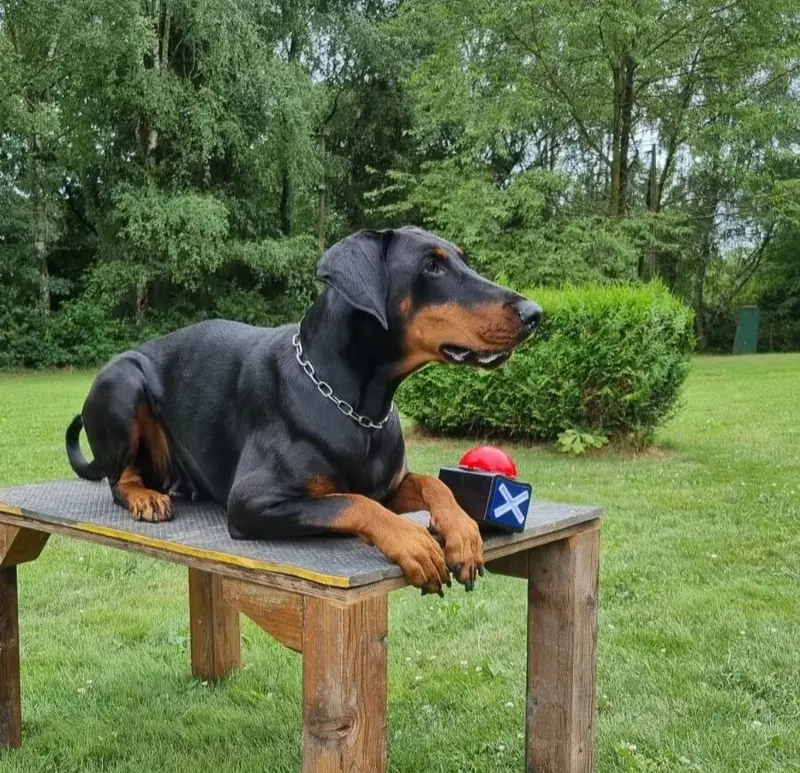
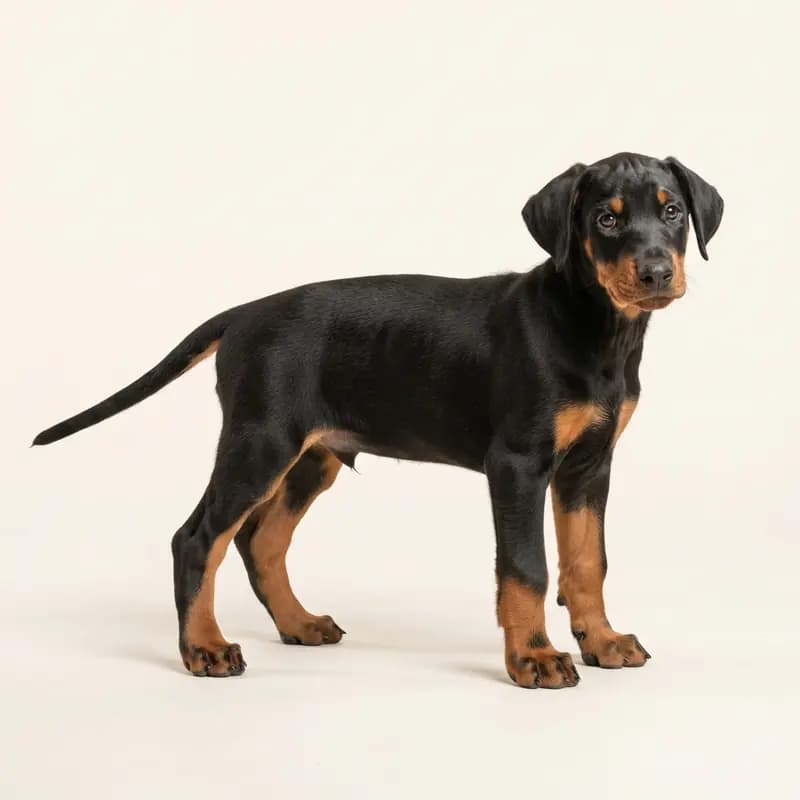
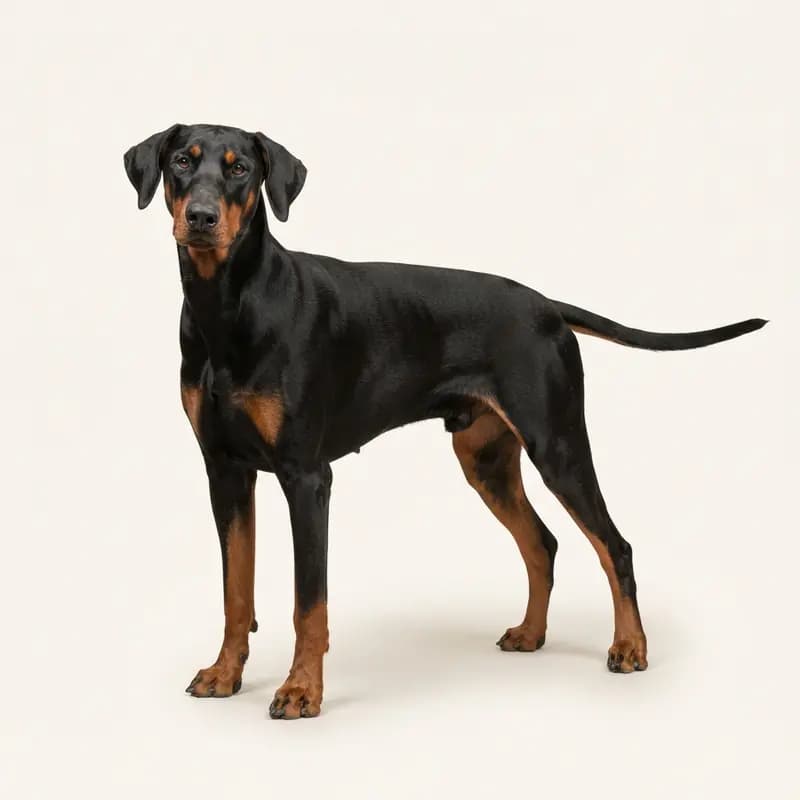
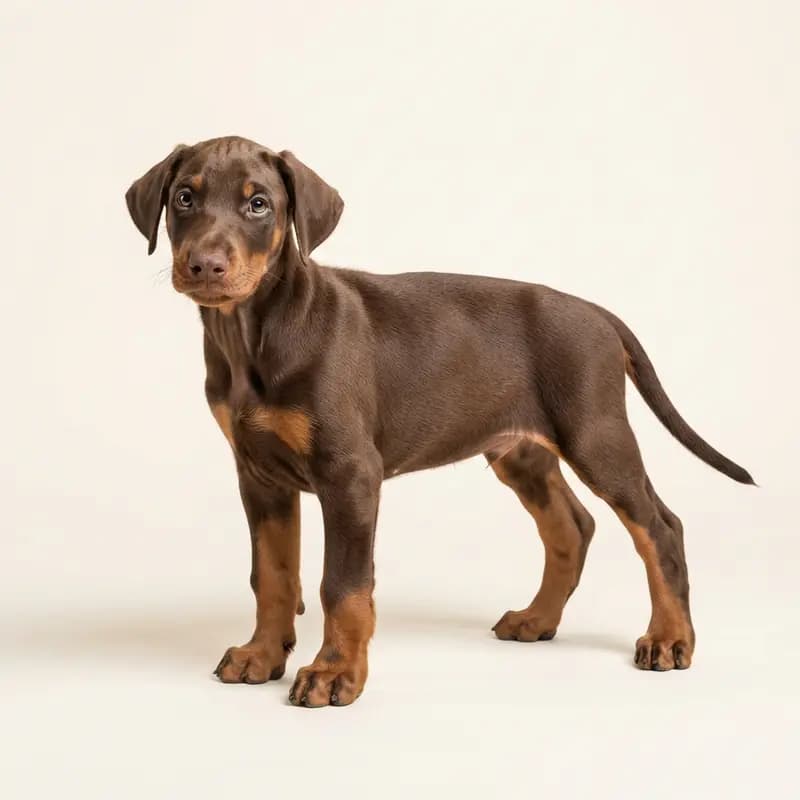
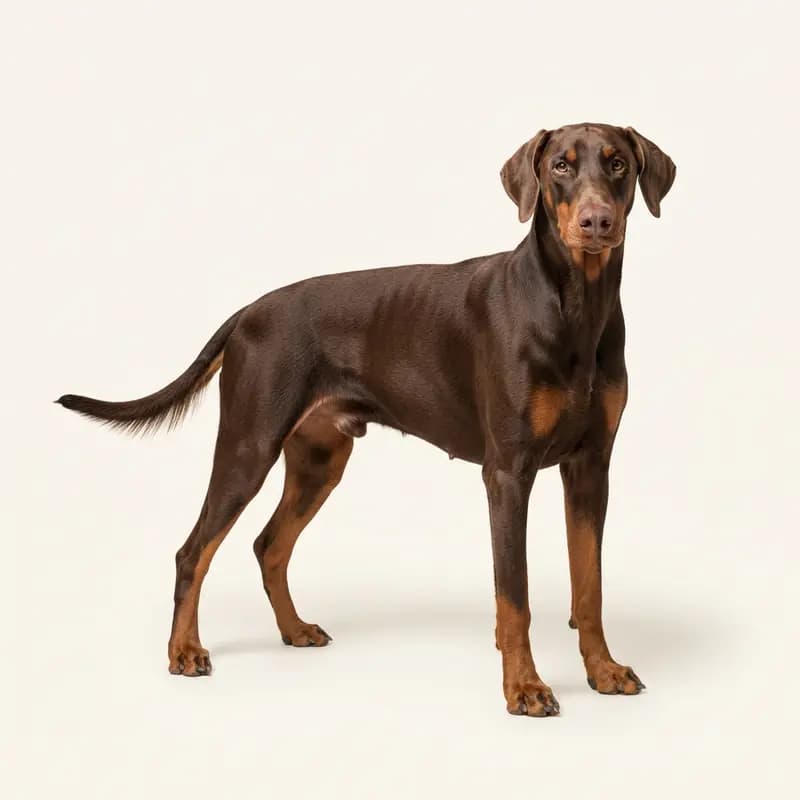
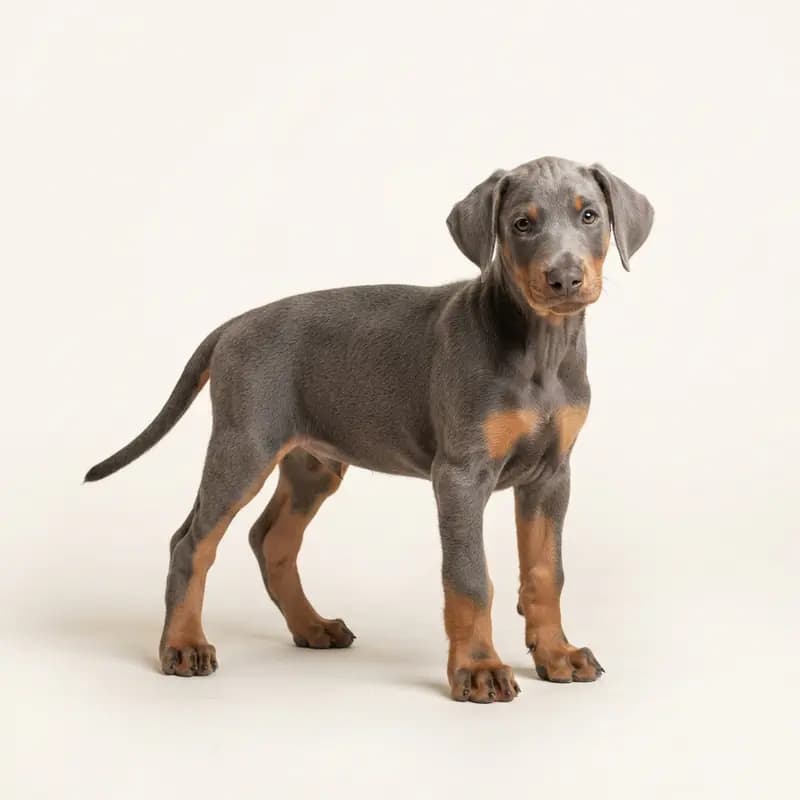
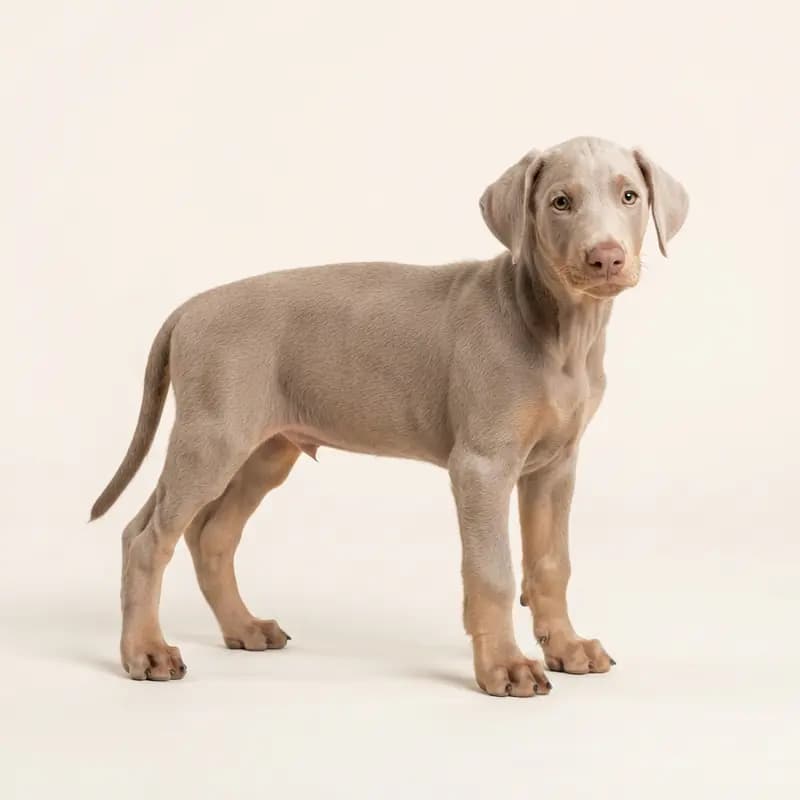
The Fundamentals: The Doberman as an Eager Learner
Learning how to train a doberman starts with understanding that this breed naturally brings everything needed for a successful partnership with humans. With exceptionally high energy levels and outstanding trainability, they learn quickly and tirelessly. However, Doberman training requires structure and absolute clarity. These dogs are remarkably intelligent, spot every inconsistency instantly, and will make their own decisions if they do not see you as a reliable, calm leader.
Despite their imposing stature—standing up to 72 centimetres at the withers and weighing over 40 kilograms for males—Dobermans are deeply sensitive. A heavy hand or harsh shouting will quickly lead to a loss of trust and stubborn refusal. Combining sensitivity, courage, and a pronounced protective instinct makes training an ambitious yet highly rewarding journey. If you would like to explore their breed-specific traits in detail, check out our comprehensive Doberman breed profile.
Doberman Puppy Training: The Formative Early Weeks
Puppy training lays the foundation for your dog's entire life. During the first 16 weeks, puppies go through a critical socialisation window. Everything they experience positively during this phase becomes their normal baseline for the world.
Socialisation with the Environment and Other Dogs
Dobermans are naturally vigilant. To prevent this alertness from turning into fearfulness or aggression later on, introduce your puppy to diverse environmental stimuli in calm, measured doses. This includes city traffic, different surfaces, car rides, and meeting people of varying ages and appearances.
Controlled interactions with well-socialised adult dogs and other puppies are equally vital. Dobermans often display a physical, boisterous play style as they mature. Experienced adult dogs teach puppies how to rein in their strength. Guidelines on healthy, safe puppy development can be found in veterinary resources such as those from the Bundestierärztekammer.
Teaching Bite Inhibition
Puppies explore the world with their mouths. For a Doberman that will grow up to have immense jaw strength, establishing bite inhibition early and consistently is essential. If your puppy bites too hard during play, end the interaction immediately with a calm, clear interruption marker. Turn away and ignore the puppy for a few seconds. This teaches the young Doberman that rough play brings an immediate end to your attention.
House-Training Through Routine and Vigilance
Dobermans are clean dogs by nature. House-training is usually straightforward with a consistent schedule. Take your puppy outside after every nap, meal, and play session. If you notice signs like frantic sniffing or circling, act immediately. Calm praise once they do their business outside reinforces the desired behaviour effectively.
Essential Doberman Cues for Everyday Life
A dog of this size and athletic power must be reliably controllable through verbal cues. Build every command step-by-step in low-distraction environments before testing it in busy public spaces.
A Reliable Recall
A dependable recall is your safety net. Because Dobermans are agile and possess a natural prey drive, a solid recall guarantees freedom for your dog and safety for everyone around you. Start in a quiet room at home, pairing your recall cue with high-value rewards. Once it works indoors, move to a long line outside. Only transition to off-leash freedom once your dog reliably turns away from distractions at a distance.
Impulse Control: "Stay" and Settling Calmly
Dobermans love being in motion. The biggest hurdle in training is often teaching them how to do nothing. Cues like "stay" on a mat or waiting patiently before eating their food build frustration tolerance and impulse control.
- Step 1: Send your dog to their bed and reward them for lying down.
- Step 2: Take one step back, return immediately, and reward if they stayed in place.
- Step 3: Gradually increase both distance and duration.
- Step 4: Introduce distractions, such as dropping a toy, while your dog remains on the mat.
The Interruption Cue
A clear "no" or "leave it" is indispensable. Your Doberman must learn to stop an action instantly. Build this positively: your dog learns that disengaging from a distraction (like staring at another dog or sniffing food on the floor) earns something far better from you.
Breed-Specific Challenges in Daily Life
Sharing your home with this breed means understanding their unique nature. Successful training requires working with their instincts rather than against them.
Managing Protective and Guarding Instincts
Historically bred as personal protection dogs, Dobermans are fiercely loyal and naturally inclined to guard their territory. This often shows up as door-dashing or attempting to control visitors. Experienced trainers know you cannot extinguish this drive—you channel it. You must take the lead and show your dog: "I have this handled; you can relax." Teach your dog to settle on their place or stay behind you when guests arrive. The Dobermann-Verein e.V., the breed club in Germany, continually emphasises the importance of stable temperament breeding and knowledgeable handling for these territorial dogs.
Loose-Leash Walking with a Powerhouse
A 40-kilo dog lunging on a lead is virtually impossible to hold safely. Loose-leash walking must be trained long before your puppy reaches adult strength. If your dog pulls, stop moving or calmly change direction. Your dog quickly learns that tension on the collar or harness stops all forward momentum—the only way forward is on a loose lead.
Sensitivity to Your Energy
Dobermans pick up on human emotions with acute precision. If you are stressed, angry, or anxious, your dog will reflect that energy immediately, often becoming fidgety, vocal, or hyper-vigilant. Training this breed requires honest self-reflection. When you project calm, quiet confidence, your Doberman will respect you as a trustworthy partner.
Advanced Training and Mental Enrichment
Given their boundless energy, standard daily walks are rarely enough to keep a Doberman satisfied. They thrive when given a dedicated job.
Canine Sports for Physical and Mental Balance
The Doberman is a versatile working breed that excels in dog sports. The Verband für das Deutsche Hundewesen (VDH) offers guidance on various disciplines suitable for athletic breeds, including:
- IGP (Working Dog Trials): A demanding tri-phase sport combining tracking, obedience, and protection work, tailor-made for working Dobermans.
- Competitive Obedience: Demands precision, focus, and teamwork, offering immense mental enrichment.
- Agility: A great outlet for speed and coordination, though high-impact training should wait until growth plates have fully closed.
Scent Work: The Ultimate Energy Burner
Ten minutes of focused nosework can tire a Doberman out more effectively than an hour of mindless fetch. Mantrailing or target scent detection are ideal everyday activities. They develop intense concentration, strengthen your bond, and provide species-appropriate exercise that is gentle on growing joints.
Common Mistakes in Doberman Training
Despite their eagerness to learn, common training mistakes can lead to problematic behaviours down the road.
- Inconsistent boundaries: Dobermans will test whether established rules still apply. If boundaries become blurry, they will naturally step up to take charge.
- Overtaxing puppies: Excessive stimulation, overly long walks, and non-stop entertainment create an overstimulated dog who cannot settle. Puppies and young dogs need 18 to 20 hours of rest each day.
- Physical exercise over mental work: Trying to tire out a Doberman solely through running creates a super-athlete with ever-increasing stamina. Mental challenge is the real key to a balanced dog.
- Harshness and unfair corrections: Punishment breaks trust. Dobermans remember unfair treatment vividly and will shut down during training if handled harshly.
Frequently Asked Questions
Is a Doberman suitable for a first-time dog owner?
Due to their strength, speed, and protective nature, Dobermans are generally not recommended for complete beginners. They thrive with clear leadership, proactive handling, and patient, consistent guidance. Highly dedicated first-time owners can succeed with guidance from an experienced trainer, but it demands significant time and a genuine willingness to learn.
How much exercise does an adult Doberman need daily?
An adult Doberman typically needs around two to three hours of active engagement each day. This should not just be pavement walking, but a healthy balance of free running, structured exercise, and focused mental work like scent games or obedience training. Quality of engagement always matters more than raw duration.
Why does my Doberman tremble during training?
Dobermans have a single coat without an insulating undercoat, so shivering in cold weather is common. However, during training or novel situations, trembling can also indicate high arousal, intense anticipation, or stress. Watch their body language closely: if your dog shows avoidance or appeasement signals, reduce the training pressure immediately.
When should you start training a Doberman?
Training starts the very day your puppy arrives home. In the first few weeks, the focus should not be on strict obedience or complex tricks, but on building house rules, house-training, gentle bite inhibition, and a deep foundation of trust and security.
Growing Together Through Mutual Understanding
Raising a Doberman is an ongoing journey that requires consistency, patience, and genuine empathy. When you embrace the intelligent, watchful nature of this breed, you gain a devoted companion who will stand by you through thick and thin. Grounded leadership, affectionate boundaries, and purposeful activities will turn this energetic powerhouse into a steady, well-adjusted family partner.
On HonestDog.de, you will find detailed insights into various breeds, helpful preparation guides, and a network of verified breeders to help you find the ideal match for your life.