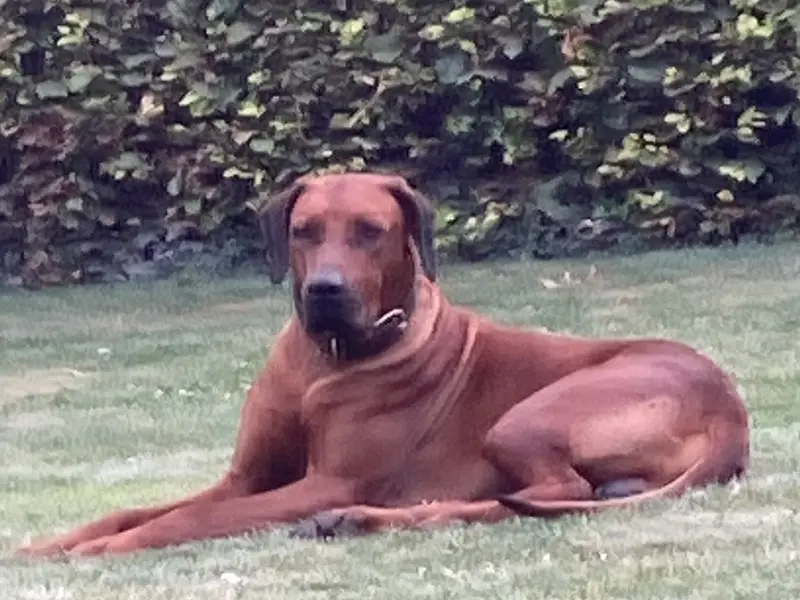
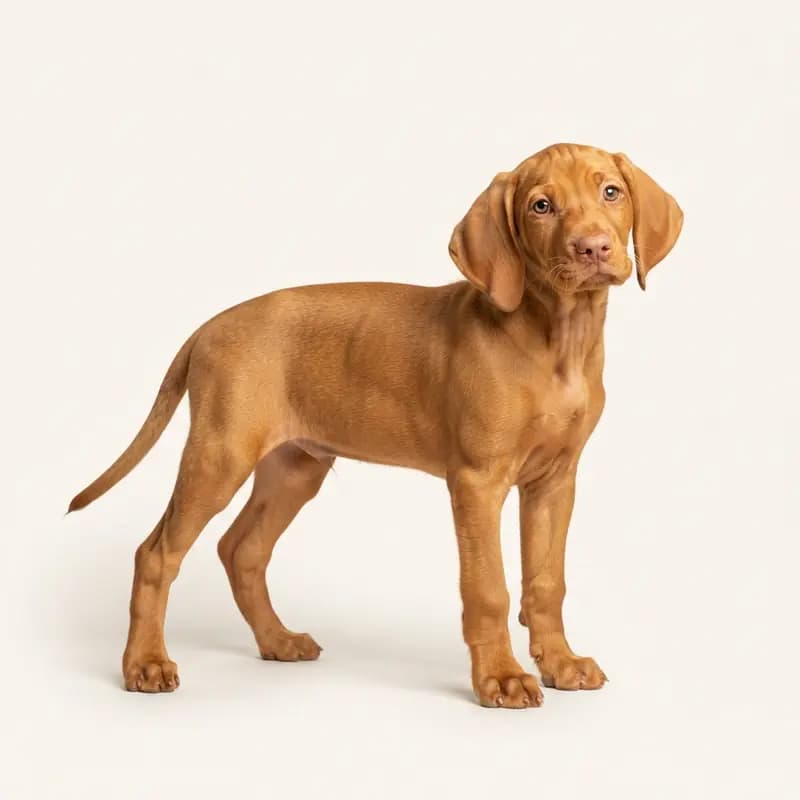
The Magyar Vizsla is a fascinating hunting dog that impresses with its noble, golden-rust appearance and incredibly loyal nature. Anyone who chooses this Hungarian Pointer quickly realizes: such a bundle of energy needs loving but absolutely consistent leadership. Proper Magyar Vizsla training is the indispensable key to a harmonious life together. If you provide this dog with the right mental and physical stimulation, you will gain a partner for life who would go to the ends of the earth for you.
In this comprehensive guide, I am sharing my years of experience as a dog trainer with you. You will learn how to guide the breed-typical traits of everything from a lively puppy to a full-grown hunting dog, and which training methods work best for this highly sensitive companion.
The Basics of Magyar Vizsla Training: Understanding Their Character
Before we dive into practice, we need to look at who we are actually dealing with. The Vizsla's trainability is an impressive 5 out of 5 points. He is a so-called "will-to-please" dog, which means he has a natural, strong urge to please his human and work together with them.
However, this high intelligence and willingness to work is a double-edged sword. The Vizsla learns good things extremely fast — but unfortunately, bad habits just as quickly. Furthermore, the breed is considered exceptionally sensitive. A loud word or a harsh tug on the leash can often sustainably destroy the trust of this sensitive dog. Pressure usually only creates counter-pressure or deep insecurity in a Vizsla. Your training tools should therefore be patience, positive reinforcement, clear body language, and fair consistency.
You can find more about the fascinating characteristics of this breed, its history, and its physical traits in our detailed Magyar Vizsla breed profile.
Magyar Vizsla Puppy Training: The First 16 Weeks
Magyar Vizsla puppy training lays the foundation for the dog's entire future life. The first few weeks in your home, especially up to the 16th week of life (the so-called imprint and socialization phase), are crucial for how confident your dog will be in various environments later on.
Gentle Socialization
Since the Vizsla can naturally react sensitively to stimuli, careful socialization is a must. Show your puppy the world, but do not overwhelm them. They should get to know different surfaces, everyday noises (vacuum cleaners, traffic), other animals, and people at their own pace. Important: Socialization does not mean that your puppy has to be petted by everyone or play with every dog. It means learning to endure stimuli calmly while staying oriented toward you. The Verband für das Deutsche Hundewesen (VDH) also offers sound tips for puppy-appropriate development.
Potty Training for Vizsla Puppies
Vizslas are very clean dogs and usually understand the concept of housebreaking very quickly. In the first few weeks, take your puppy outside after every nap, after eating, after playing, and generally every two to three hours. Praise them enthusiastically when they relieve themselves outdoors. If an accident happens inside, do not comment on it; simply wipe it away without a word. Scolding only intimidates the puppy and leads to them relieving themselves secretly behind the sofa.
Training Bite Inhibition
As a pointing and retrieving dog, the Vizsla uses its mouth intensively to explore the world. Puppy teeth are sharp and can be painful during play. Bite inhibition is not innate; it must be learned. If your puppy bites too hard during play, stop the game immediately with a calm but firm "Ouch" and turn away for a few seconds. This teaches them: if I am too rough, the fun stops.
Essential Magyar Vizsla Commands for Everyday Life
A dog with an energy level of 5/5 needs a firm framework. Basic Magyar Vizsla commands provide safety and structure. Sit, Down, and Stay are not just tricks; they are essential tools for your daily life.
The Reliable Recall: Your Life Insurance
For a dog with a strong hunting drive, the recall is the most important command of all. A Vizsla that cannot be called back can never be let off the leash. Training should be done in small steps:
- Starting in the House: Call your dog happily when they are already on their way to you anyway. Reward them with an absolute "super-treat" (e.g., liver pate from a tube or a small piece of cheese).
- The Training Lead Outdoors: Always use a long training lead outdoors (attached to a harness, never a collar!). Call them in low-distraction moments. If they come, throw a party. If they ignore you, you can use the long lead to gently remind them that your call is not an optional suggestion.
- The Super-Word: Introduce a word or a whistle that exclusively means: "No matter what you're doing, come here immediately, it's extremely worth it!". Never use this to leash them up and go home afterward (otherwise, they will associate the recall with the end of the fun).
Impulse Control Through "Stay"
The Vizsla always wants to be involved and prefers to rush off immediately. The "Stay" command teaches them the necessary calmness and frustration tolerance. Practice this first in front of the food bowl. They may only eat when you release them. Extend this waiting in everyday situations: before getting out of the car, before crossing the street, or when visitors arrive. This immensely strengthens the mental brakes of this high-spirited dog.
Breed-Specific Challenges in Magyar Vizsla Training
Successful Magyar Vizsla training requires knowledge of the specific quirks of the breed. This is not a dog that just tags along. There are two major themes that trainers encounter time and again with this breed.
The "Velcro Dog" and Separation Anxiety
Among Vizsla owners, there is a well-known nickname for the breed: the "Velcro Dog." These dogs form an extremely deep bond with their primary caregivers and prefer not to leave their side for a second. Naturally, staying alone is very difficult for them.
Training for being alone must begin in tiny steps, ideally as a puppy. Occasionally close the room door behind you when you leave the room and return after a few seconds. Do not create big farewell or greeting rituals. Your coming and going must become the most normal thing in the world. A cozy dog crate, established positively as a place of retreat, can help the dog relax in your absence.
Managing Hunting Drive (Anti-Hunting Training)
The Magyar Vizsla was bred for hunting on the vast Hungarian plains. Their job was searching, pointing (indicating game motionlessly by lifting a front paw), and retrieving. This instinct is hardwired into their DNA. You cannot simply train this drive away, but you can control and redirect it.
- Flirt Pole Training: A flirt pole is excellent for practicing impulse control on a moving object. The dog learns that they are only allowed to chase the "substitute game" after permission.
- Rewarding Eye Contact: Reward your dog for every voluntary bit of eye contact on walks. If they see a bird or a deer and then look at you questioningly, that's the jackpot!
- Meaningful Substitute Hunting: Offer alternatives where they can act out their hunting instincts (more on this in the next section).
Advanced Magyar Vizsla Training: Mental and Physical Exercise
A Vizsla that is only walked around the block on a short leash will quickly develop behavioral issues. They may start chasing cars, destroying the apartment, or becoming hyperactive. An energy level of 5/5 demands real exercise. However, the rule is: don't turn your dog into a pure endurance athlete. If you cycle 20 kilometers with them every day, you are merely training a triathlete who will soon demand 30 kilometers. True satisfaction is achieved through mental stimulation.
Dummy Work and Retrieving
Since the Vizsla loves carrying objects, dummy work is the perfect substitute for hunting work. This involves hiding or throwing canvas bags (dummies) which the dog must find and bring back on your command. This requires an extremely high degree of obedience, nose work, and concentration. After 20 minutes of dummy work, a Vizsla is often more satisfied and tired than after two hours of aimless running in the park. For professional guidance, specialized hunting dog associations like the Verein Ungarischer Vorstehhunde e.V. (VUV) provide excellent resources and training concepts.
Mantrailing and Scent Work
A dog's nose is a miracle of nature. In mantrailing, the dog searches for a hidden person based on a scent article. For the highly intelligent Vizsla, this nose work is a fantastic way to work focused in a team with their human.
Agility and Dog Sports
Due to their light, athletic build and jumping power, the Vizsla is also excellent for Agility or Hoopers. The important thing here is that you, as the owner, ensure the dog doesn't get too overexcited. Training should always include periods of rest.
Common Mistakes in Magyar Vizsla Training
Even if you want to do everything right, mistakes often creep into everyday life. You should definitely avoid the following things when training your Hungarian companion:
- Too Much Harshness: The "old school" of obedience with loud shouting and physical correction breaks the Vizsla. They will refuse to cooperate and lose trust. Train fairly, confidently, and calmly.
- Lack of Mental Stimulation: Anyone who thinks throwing a ball is good exercise is making a big mistake. It turns the dog into a mindless junkie and drives up adrenaline levels. Focus on searching games instead of pure chasing.
- Inconsistency in Daily Life: If your Vizsla is not allowed on the sofa today but is tomorrow because they look so cute, it confuses them. Sensitive dogs need absolutely reliable rules. Only when they know where they stand can they truly relax.
- Forgetting Rest Phases: A Vizsla must learn to switch off. A dog needs 18 to 20 hours of rest or sleep a day. Initially, you may have to literally force your dog to rest if they can't find an end to the activity themselves.
Frequently Asked Questions
Is the Magyar Vizsla suitable for beginners?
Yes, but only under certain conditions. The Vizsla is very eager to learn and people-oriented, but does not forgive harsh training mistakes. As a beginner, you must be prepared to visit a competent dog school from the start and deal intensively with the topics of hunting drive and mental stimulation. With dedication, even first-time dog owners can form a great team with a Vizsla.
How much exercise does a Vizsla need per day?
A healthy, adult Vizsla needs at least 2 to 2.5 hours of active movement a day. Simply walking on a leash is not enough. This time should include off-leash freedom, sprints, and above all, brain work like searching games or retrieving.
Is the Magyar Vizsla easy to train?
Due to their pronounced "will-to-please" and high intelligence, they are very easy to train. The challenge lies more in channeling their high energy, controlling their hunting drive, and remaining consistently fair as an owner.
Can you completely train away the Vizsla's hunting drive?
No. The hunting instinct is the result of centuries of breeding and is firmly anchored in the dog's nature. You cannot "delete" a natural drive. However, you can teach the dog to control this drive (impulse control) and offer permitted alternatives (such as dummy work) where they can express their disposition without endangering wildlife.
Conclusion: A Team for Life
Magyar Vizsla training is a wonderful journey that requires time, empathy, and sometimes strong nerves. This noble Hungarian Pointer is not an accessory, nor is it a dog that will be satisfied with a short walk around the block. He is an intelligent worker who needs a task and who wants to build an indestructible bond with his human.
If you are ready to lead fairly and lovingly, to promote his strengths in nose work and retrieving, and to set clear boundaries, your Vizsla will reward you with a loyalty that is second to none. Your training should always be based on positive reinforcement and mutual respect.
Would you like to learn even more about this wonderful breed, are you looking for certified breeders, or do you want to connect with other dog owners? At HonestDog.de, you will find a trustworthy platform that stands by your side at every step of your dog-owning journey. Register today, discover our detailed breed profiles, engage with the community, and find the perfect companion for your life!