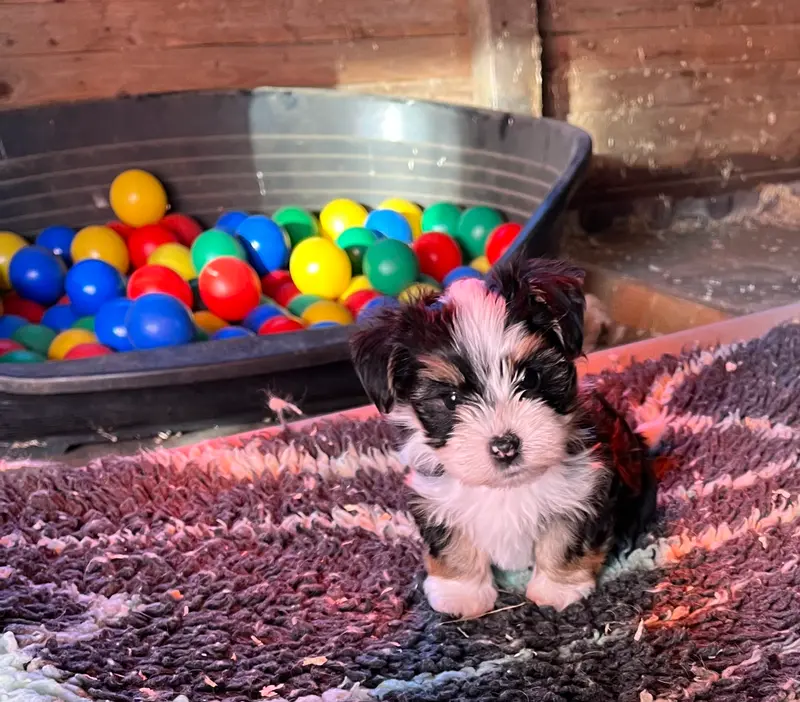
Anyone who has looked into the dark, expressive eyes of a Havanese usually falls for the breed's charm instantly. These cheerful little Cubans are known for their sunny disposition, remarkable intelligence, and deep bond with their humans. Unfortunately, a wonderful character doesn't always protect these dogs from ending up in a rescue situation. If you are considering adopting a Havanese, you are facing one of the most rewarding, yet responsible decisions of your life.
As an experienced animal welfare advocate and dog expert, I want to take you on this special journey. This guide is designed not only to show you the rose-colored side of adoption but to prepare you honestly and empathetically for what it means to give a rescue dog a new home. From the first meeting to a relaxed daily routine — let's look together at how you can pave the way for a Havanese to have a happy life.
Adopting a Havanese: Why these small Cubans end up in shelters
When we think of shelter dogs, many people often imagine large, misunderstood breeds. But the reality is different. Even popular companion dogs like the Havanese sit behind bars waiting for a second chance. But how does a dog, considered the epitome of a perfect family pet, end up in such a situation?
Underestimated grooming requirements
A look at the breed data shows: The Havanese scores well for low shedding (1/5). It has long, soft, silky hair and very little undercoat. For many allergy sufferers and cleanliness-conscious people, this sounds like the perfect housemate. However, what is often massively underestimated is general grooming (4/5). The long, silky coat tangles and mats extremely quickly if it is not brushed daily. Many first-time owners are overwhelmed by the intensive coat care. If the dog becomes severely matted, leading to painful skin inflammations and rising vet or groomer costs, the animal is unfortunately all too often surrendered to a Havanese shelter.
Changing life circumstances and overwhelm
Havanese are companion dogs through and through. They were bred in Cuba specifically to keep their owners company. This also means they are extremely attached to their people. Breakups, divorces, sudden unemployment, or serious illness of the owners often lead to the dog losing its home. A Havanese that suddenly has to stay home alone for eight hours a day will suffer, often reacting with barking and, out of pure desperation, perhaps even chewing furniture. This is also a common reason for surrender.
Puppy mills and unethical breeding
Unfortunately, the breed's popularity has its dark side. Many dogs come from illegal puppy mills. When these facilities are shut down, Havanese rescue organizations often step in to take in and rehabilitate hundreds of terrified, and sometimes sick, dogs.
What to expect from a Havanese rescue dog
A dog from a rescue is like a surprise package. Some bring a backpack full of negative experiences, while others come from wonderful homes and are simply grieving for the humans they lost.
Behavior and character
Fundamentally, the Havanese is intelligent, open-minded, and funny. Its trainability is excellent (5/5). However, a dog sitting in a shelter is under enormous stress. The noise, the smells, the lack of a primary caregiver — all of this can cause a dog to withdraw initially. When you visit your potential new companion, don't expect a joyful, bouncing lap dog immediately. Give them time. Some rescue Havanese are shy at first or show fear of loud noises or strangers. With patience and love, their true, cheerful core almost always resurfaces.
The sensitive soul of the Havanese
This breed is characterized by enormous sensitivity. They react strongly to their owner's moods. This makes them wonderful, empathetic companions (City suitability 5/5, Family-friendly 5/5), but it also means that loud scolding or a harsh hand in training are absolutely out of place. Positive reinforcement and a calm, confident approach are the keys to a Havanese's heart.
If you want to dive deeper into the breed-specific characteristics, history, and exact needs of these wonderful dogs, I recommend taking a look at our detailed Havanese breed profile. There you will find all the details to help you with your decision.
Adoption costs vs. buying from a breeder: An honest comparison
Acquisition costs are a topic that must be spoken about honestly in animal welfare. There is often a misconception that a shelter dog is "cheap." This is a completely wrong and dangerous approach.
The price from a breeder
If you buy a Havanese puppy from a reputable breeder (for example, under the umbrella of the Verband für das Deutsche Hundewesen - VDH), the price range is usually between 1,800 and 3,000 EUR. This price is justified by extensive health checks of the parent dogs, high-quality raising, vaccinations, microchip, and pedigree papers.
The adoption fee
If you adopt a Havanese from a shelter or a rescue organization, you don't pay a purchase price, but a so-called adoption fee. In Germany, this is usually between 350 and 500 EUR. The adoption fee serves several functions:
- Cost coverage: It covers part of the costs for veterinary exams, vaccinations, neutering, deworming, and the microchip. Reputable rescue organizations work closely with veterinarians, often following the guidelines of the German Veterinary Association, to ensure the animals start their new life healthy.
- Protection against impulse buys: The fee is intended to prevent animals from being acquired thoughtlessly or for illegal purposes (such as dog fighting or animal testing).
- Solidarity principle: Young, healthy purebred dogs help fund the medical care of old, sick, or hard-to-place dogs in the shelter through their adoption fee.
Important: Even if the initial acquisition is cheaper, the ongoing costs for food, vet visits, liability insurance, dog tax, and accessories remain just as high throughout a dog's life (which, for a Havanese, is 13 to 15 years).
The first few weeks: Tips for a successful adjustment
The day has come, your new Havanese is moving in! Now, above all, patience is required. The so-called "3-3-3 rule" (3 days, 3 weeks, 3 months) is a proven model in animal welfare for understanding the adjustment period.
The first 3 days: Decompressing and arriving
In the first few days, your dog will likely be completely overwhelmed. They don't know where they are, who you are, or what is expected of them.
- Keep it quiet: Avoid large groups of visitors. Let the dog explore the apartment in peace.
- A safe retreat: Offer a cozy bed in a quiet, draft-free place (but not completely isolated). If they retreat there, leave them alone.
- Establish routines: Feed and walk at fixed times. Security comes from predictability.
The first 3 weeks: Bonding and boundaries
Slowly, the Havanese realizes they are allowed to stay. Their true personality emerges. They become more curious, and their energy level (3/5) settles into a normal range.
- Consistency with love: Set rules now, lovingly but firmly. What they won't be allowed to do later (e.g., jumping on the couch) should not be allowed now either.
- Grooming as a ritual: Start grooming gently. Since Havanese often have negative associations from the shelter (pulling, pain from mats), connect brushing with high-value treats. Brush for only a few minutes at a time initially.
After 3 months: Feeling at home
Your Havanese has now usually built full trust in you. You are a team. Now is the perfect time to deepen training (Trainability 5/5). Tricks, scent work, or agility for small dogs are wonderful ways to mentally challenge the intelligent Cuban.
Special considerations for international Havanese rescues
Often, people specifically look for purebred dogs in rescue and come across Havanese rescues from abroad (e.g., Spain, Hungary, Romania). There are some specific things to keep in mind here.
Are they truly purebred Havanese?
Dogs from international rescues declared as Havanese are very often mixed breeds. They might have the fluffy coat and stature but may show behavioral traits of other breeds (like Terriers or Poodles). A good international rescue organization will always communicate honestly about whether it is a suspected mix or a true purebred dog.
Mediterranean diseases
A dog from Southern or Eastern Europe should always be tested for so-called Mediterranean diseases (e.g., Leishmaniasis, Ehrlichiosis, Babesiosis). Reputable organizations do this routinely before travel and will inform you about possible health consequences and treatments.
Learning to live indoors
Many international rescue dogs have never lived inside a house. Tiles, stairs, televisions, vacuum cleaners — all of this is new and often scary. Housebreaking also frequently needs to be trained from scratch, just like with a puppy.
Is a rescue Havanese right for you?
Adopting a dog is romantic, but daily life is often hard work. Before you take the step, honestly reflect on your life situation.
When adoption is the perfect choice
You are ready for a Havanese from a shelter if you:
- Have time. Not just for walks, but especially for daily, sometimes time-consuming coat care.
- Show understanding that the dog may not function perfectly at first and might bring fears or separation issues.
- Are looking for a loyal, people-oriented companion who fits perfectly into city life and integrates well into a family with children (with the right introduction).
- Are ready to work on behavioral issues with positive reinforcement (and potentially a dog trainer).
When you might want to wait
A rescue Havanese is not the right choice if you:
- Are looking for a dog that can immediately stay home alone for eight hours a day.
- Do not want to or cannot spend time daily on combing and brushing.
- Expect a "perfect," finished family member who immediately knows all basic commands and never barks.
Frequently Asked Questions (FAQ)
Are shelter Havanese suitable for beginners?
Generally, yes, because Havanese have a very friendly, "will-to-please" nature and are easy to train. However, as a beginner with a rescue dog, you should be prepared to seek professional help (dog school) to correctly assess and handle any potential traumatic history.
How high is the grooming requirement for a Havanese really?
The grooming requirement is very high. Although Havanese barely shed, their long coat must be brushed daily to avoid painful matting. Rescue dogs often arrive neglected and may need to be shaved by a groomer first so the coat can grow back healthily. After that, combing becomes part of the daily routine.
Can a rescue Havanese stay home alone?
Havanese are very people-oriented. Many rescue dogs have strong separation anxiety. Staying home alone often has to be built up from scratch in tiny increments (minute by minute). In the beginning, you should take time off or work from home to slowly acclimate the dog to being alone.
Do rescue Havanese get along with other dogs or cats?
The breed typically brings good compatibility with other dogs (4/5). Whether this applies to your individual rescue dog depends on their previous experiences. Most shelters test compatibility with other dogs and cats beforehand, so you can be well-advised during the adoption process.
Find your dream dog with HonestDog
Have you made the decision to give a little Cuban a forever sofa? That is a wonderful resolution! You don't have to scour hundreds of websites to find the right companion.
At HonestDog, we have made it our mission to bring reputable rescue organizations and future dog parents together safely and transparently. If you are ready to open your heart and home, then come straight to us and discover dogs waiting just for you. Here you can safely and easily find a Havanese in a shelter. Start your happy life together today!