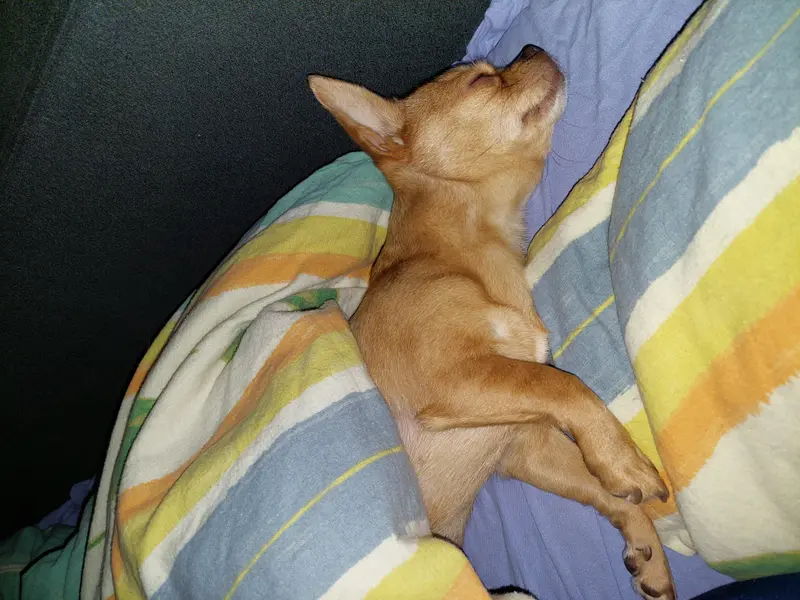
Adopting a Chihuahua: A Tiny Dog with a Big Heart Searching for a Home
There is hardly any dog breed as frequently misunderstood as the smallest dog in the world. If you are thinking about adopting a Chihuahua, you are facing one of the most rewarding yet demanding decisions of your life. These charming, graceful, and often quite cheeky companions from Mexico are much more than just a fashion accessory. They are full-fledged dogs with strong characters that require consistent leadership and an infinite amount of love.
Unfortunately, countless tiny dogs are waiting for a second chance in many animal shelters and foster homes. Whether due to impulsive purchases, changes in the previous owners' circumstances, or being rescued from illegal breeding operations—their stories are diverse. In this guide, I will share my experiences in animal welfare with you and show you what to look out for when you want to give a Chihuahua a new home. If you would like to learn more about the breed's characteristics beforehand, take a look at our detailed Chihuahua breed profile.
Why So Many Chihuahuas End Up in Shelters
It breaks a dog lover's heart to walk through the aisles of a shelter and look into the large, often frightened eyes of a Chihuahua. But how is it that a dog with a shoulder height of 18 to 23 cm and a weight of just 1 to 3 kg, seemingly so easy to care for, is surrendered so often? The reasons are closely linked to breed-typical traits and false human expectations.
The "Handbag Dog" Syndrome
Many people massively underestimate the Chihuahua. Because of its size, it is often viewed as a living cuddly toy. However, the Chihuahua is brave, extremely self-confident, and often feels like a Great Dane in the body of a dwarf. If they are not treated like a "real" dog—meaning if they aren't allowed to walk on their own, aren't given boundaries, and don't receive training—they quickly develop behavioral issues. They can become excessive barkers, vehemently defend their owners, or snap out of insecurity. The owners' inability to cope is then the primary reason why the dog eventually ends up in a Chihuahua shelter.
Extreme Fixation on One Person
Chihuahuas are extremely loyal and tend to choose a single primary caregiver. This trait makes them wonderful, faithful companions. However, if changes occur in the social environment—such as a new partner, the birth of a child, or a separation—the small dog's world can be shaken. They often react to such situations with intense jealousy or withdrawal, which many owners find difficult to handle.
What to Expect from a Chihuahua Rescue
When you contact a Chihuahua rescue or a local shelter, you should prepare for a dog that already has a history. Not every rescue dog is traumatized, but almost all bring a "backpack" of experiences with them.
History and Behavior
Some dogs come from loving elderly people who have passed away and are deeply grieving their loss. Others come from poor conditions, perhaps having known only a small kennel for years, and are consequently not house-trained or familiar with environmental stimuli. You may find that your new roommate is initially terrified of loud noises, quick movements, or large dogs. Precisely because Chihuahuas often forget how small they are and tend to overestimate themselves against larger dogs, you must act as a safe harbor and protector.
Physical Condition
In addition to their psychological state, you should also pay attention to their physical health. Many rescue dogs, especially those from puppy mills, have issues with their teeth, knee joints (patellar luxation), or heart. A reputable Chihuahua rescue organization will be transparent with you about all known medical issues.
Costs and Effort: Shelter vs. Breeder
An important aspect of getting a dog is an honest assessment of the costs. If you buy a puppy from a reputable breeder, the price range for a Chihuahua is usually between 1,000 and 2,500 EUR. Serious breeders, such as those affiliated with the Verband für das Deutsche Hundewesen (VDH), invest a lot of money in health screenings, high-quality food, and puppy socialization.
In contrast, the adoption fee from a shelter or rescue group is usually between 250 and 450 EUR. This fee often doesn't even come close to covering the costs of vaccinations, neutering, microchipping, and veterinary treatments that the rescue organization has already provided.
But beware: An adopted dog may incur higher veterinary costs later on, especially if they come from poor conditions and have pre-existing health issues. Pet health insurance is therefore often a very sensible investment.
The First Few Weeks: Tips for Stress-Free Settling In
Arriving in a new home is extremely stressful for a dog. Everything smells new, the people are strangers, and old routines no longer exist. With these tips, you can make the transition easier for your new family member:
- Safety first: Be sure to use an escape-proof safety harness in the first few weeks. Chihuahuas are masters at backing out of a normal collar or harness when they panic.
- Create a quiet zone: Offer your dog a protected retreat, such as a cozy cave or a soft crate where they won't be disturbed. The rule here is: if the dog is in their spot, they are not to be petted or approached.
- Routine and clear rules: No matter how pitifully the little guy looks at you—pity is the wrong companion right now. What they need is security through clear structures, fixed feeding times, and confident leadership. Treat them like a big dog from day one.
- Patience with house training: Stress can cause rescue dogs to have setbacks in house training. Never punish your dog for an accident in the house. Instead, take them outside regularly and after every sleep or meal, and praise them extensively when they do their business.
Specifics for Dogs from International Rescue
Many Chihuahuas and Chihuahua mixes available for adoption come from other European countries. In countries like Spain or Romania, they often end up on the streets or are rescued from cruel puppy mills. Adopting from international rescue brings specific challenges.
These dogs often don't know what it's like to live in a house at all. Vacuum cleaners, televisions, or slippery floors can be very frightening to them. Additionally, you must take the issue of Mediterranean diseases seriously. Diseases like Leishmaniasis or Ehrlichiosis can break out months after arrival. It is essential to have a blood test done in consultation with your veterinarian a few months after they arrive. Comprehensive and reliable information on travel-related diseases in dogs can be found on the pages of the Bundestieraerztekammer.
When a Chihuahua from a Shelter Is (Not) Right for You
Chihuahuas are fantastic dogs, but they don't fit every life situation. To ensure the adoption is a success for both sides, you should be honest with yourself.
A Chihuahua is perfect for you if...
- you live in the city. With a city-suitability rating of 5/5, they are excellent companions in urban areas.
- you are looking for a loyal, affectionate companion and have plenty of time to dedicate to them.
- you are willing to provide even a small dog with mental and physical stimulation (their energy level is at 2/5, but they love small adventures and scent games).
- you have the necessary sensitivity to approach a potentially fearful animal with patience.
An adoption is less suitable if...
- you have small, boisterous children. Their child-friendliness is rated at 2/5. Small children can easily injure these delicate dogs or overlook their warning signals (growling), which can quickly lead to bite injuries.
- you already have a busy pack with large, boisterous dogs. Compatibility with other dogs is at 2/5. Chihuahuas often prefer their own kind and are at high risk of injury during wild play with large dogs.
- you work full-time away from home and have to leave the dog alone for many hours every day. Chihuahuas are prone to separation anxiety and often resort to hours of barking.
Frequently Asked Questions
How long do Chihuahuas live?
Chihuahuas have a remarkably high life expectancy. With good care, a healthy diet, and sufficient exercise, they can live between 14 and 17 years. Some representatives of this breed even reach an age of up to 20 years. Adoption therefore means a long-term responsibility.
Do Chihuahuas really get cold so easily in winter?
Yes, they actually do. Chihuahuas do not have a thick layer of fat and often, especially in the short-haired variety, have very little to no warming undercoat. Since they move very close to the cold ground, they cool down quickly. A well-fitting dog sweater or winter coat is not a fashion gimmick for this breed in cold, wet weather—it is an absolute necessity for animal welfare.
Do Chihuahuas bark a lot?
The breed is often considered a "yapper," but this behavior is usually the result of incorrect or lack of training, as well as massive insecurity. While a Chihuahua likes to alert you when they hear something unusual, a well-socialized, well-exercised, and confidently led Chihuahua does not bark incessantly. If you provide security for a rescue dog, they will become significantly calmer.
Are Chihuahuas difficult to train?
The trainability of the Chihuahua is rated at 3/5. They are very intelligent and eager to learn. The main problem with training is usually the human, who is inconsistent because the dog is so small and cute. If you work consistently and with positive reinforcement, a Chihuahua learns just as quickly and reliably as a German Shepherd.
Find Your Dream Dog on HonestDog
The decision to give a rescue dog a home is a wonderful step. It requires time, patience, and sometimes strong nerves. But the unconditional love and loyalty that a rescued Chihuahua will show you is incomparable to anything else in the world. You aren't just giving a small living being a secure future; you're gaining a friend for life who will stick by you through thick and thin.
Are you ready for this adventure? We at HonestDog are happy to help you find reputable animal welfare organizations and shelters looking for loving adopters. Browse through our verified listings and find the dog that perfectly fits you and your life. Start your search today and see how you can find a Chihuahua in a shelter. Your new family member might already be waiting for you!