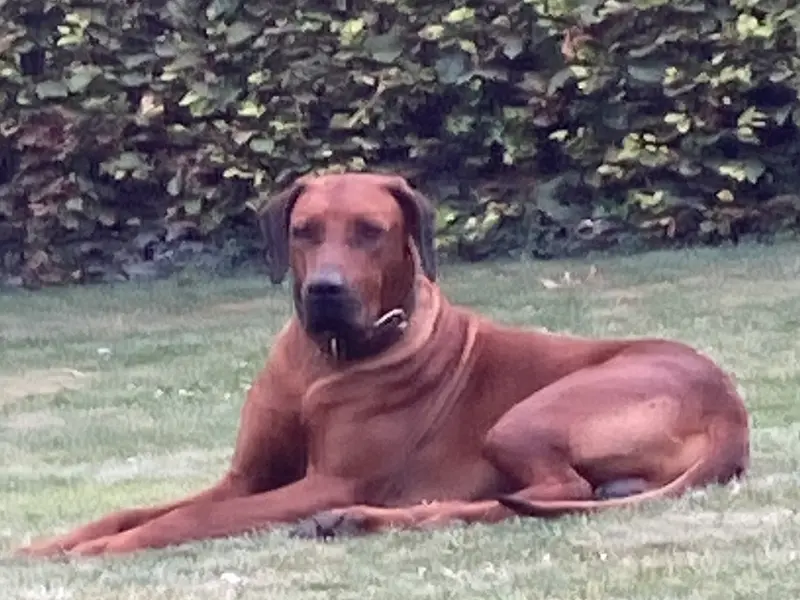
Adopting a Magyar Vizsla: Experiences, Tips & Everything You Need to Know
There is perhaps no other dog that binds itself as closely and devotedly to its human as the Hungarian Pointer. If you are thinking about adopting a Magyar Vizsla, you are facing a decision that will inevitably enrich your life while simultaneously turning it upside down. These elegant, golden-rust dogs are truly sensitive souls with the engine of a high-performance athlete. Yet, despite—or perhaps because of—their wonderful and demanding nature, Vizslas frequently end up in animal shelters. In this comprehensive guide, I share my honest experiences as a dog expert and show you what really matters when giving a rescue dog a second chance at a happy life.
Adopting a Magyar Vizsla: Why these wonderful dogs lose their homes
Before you take the step of visiting a shelter, it is essential to understand why purebred dogs are given up in the first place. No one gives up their best friend lightly, but the reality is often that the purchase was made without enough thought. A look at the Magyar Vizsla breed profile already reveals a great deal about the true needs of these animals. The Vizsla is primarily a serious hunting dog, bred for extremely close cooperation with humans.
Overwhelmed by immense energy levels
With an energy level of 5 out of 5 stars, this dog requires daily, intensive physical and mental stimulation. Many people simply fall in love with the noble, athletic appearance but massively underestimate that a leisurely daily walk around the block is far from enough for a Magyar Vizsla. If the dog is not challenged in a breed-appropriate way, it will find its own tasks. It quickly develops behavioral issues such as destructive behavior in the home, excessive barking, or uncontrollable hunting drive. Often, the destruction of a beloved sofa or constant noise complaints are the moments when former owners give up.
Lack of city suitability and massive separation anxiety
Known as a "Velcro dog," the Vizsla prefers to be physically attached to its owner. It follows you every step of the way, even into the bathroom. While this makes them fantastic and loyal companions, it often leads to massive separation anxiety if being left alone wasn't built up carefully and in tiny steps during puppyhood. Furthermore, their suitability for city life is relatively low at 2 out of 5 stars. The constant noise, the cramped nature of a big city, the many stimuli, and the lack of opportunities for off-leash freedom stress these extremely sensitive dogs enormously. A stressed dog quickly becomes a problem dog—and eventually ends up in a shelter.
What to expect at a Magyar Vizsla shelter
When you start your search, you will find that while you may occasionally get lucky in local municipal shelters, you are far more likely to find success with a specialized Magyar Vizsla rescue. These organizations focus explicitly on the breed and its mixes, know the breed-specific traits inside out, and often work regionally with experienced foster homes.
The possible history of your dog
Dogs looking for a new home often carry an invisible backpack. Some come from broken homes and grieve deeply for their previous owners. Others were given up due to biting incidents (usually stemming from extreme stress or misdirected prey drive). Still others were simply isolated in an apartment and know nothing of the outside world. It is immensely important that you listen carefully during the initial interview and ask active questions. A reputable rescue organization will tell you the unvarnished truth about the dog's quirks, as no one benefits from a dog being returned.
Kennel behavior vs. behavior at home
If you visit a Magyar Vizsla in a shelter, please remember one golden rule: the behavior the dog shows in the kennel almost never reflects its true character. The constant, deafening noise of barking dogs, the unnatural confinement, and the permanent stress often cause these sensitive dogs to fall into two extremes. They either withdraw completely, hiding trembling in the furthest corner and appearing apathetic, or they are permanently "on edge," restlessly jumping up at the bars and barking their hearts out.
Don't be deterred by either extreme. Ask the staff for a quiet walk away from the shelter grounds. It often takes only a few minutes in nature for the dog to visibly breathe a sigh of relief, giving you a brief, true glimpse of its wonderful nature.
Magyar Vizsla Rescue and international adoption: What you must know
Since the breed originates from Hungary, international rescue plays a giant role in Magyar Vizsla adoption. Countless dogs available for adoption in the UK, USA, or Germany originally come from Hungarian hunters or commercial breeding facilities. They were discarded there because, for example, they were not "gun-shy proof" (meaning they feared the sound of a gun), were not ideal for breeding, or simply became too old for hard hunting work.
Specifics of dogs from Hungarian kill shelters
Dogs coming directly from Hungarian rescues often bring a specific set of challenges you must be prepared for:
- Life in a house is a mystery: Many Vizslas from foreign rescues simply do not know what it's like to live inside a warm house. Reflective tiled floors, loud televisions, the hum of a vacuum cleaner, or open stairs are completely foreign to them and can initially cause panic.
- Lack of house training: A dog that has spent its whole life outside in a kennel or on a chain must learn house training from scratch like a puppy. With empathy and patience, these smart dogs (trainability 5/5) usually catch on surprisingly quickly.
- Significant socialization gaps: Environmental stimuli like cars, cyclists, screaming children, or trams can lead to "spooky phases," where the dog freezes in fright or tries to flee.
Health aspects and travel diseases
A reputable rescue organization tests all dogs for Mediterranean or vector-borne diseases (such as Babesiosis or Heartworm) before they travel. Research this thoroughly beforehand through independent veterinary sources. Always ask for all veterinary records from the shelter and discuss them with your own vet before finalising the adoption.
Adoption costs vs. buying from a breeder: An honest financial comparison
A puppy from a reputable, certified breeder associated with organizations like the VDH or the Kennel Club usually costs between $1,500 and $2,500 today. For this price, you receive a traceable pedigree, certainty regarding genetic health screenings of the parents (like hip/elbow dysplasia), and a puppy that was optimally prepared for life in its first vital weeks.
The adoption fee for a shelter dog, on the other hand, is significantly lower, usually between $350 and $600. It is essential to understand: this fee is not a purchase price for the animal! Rather, it serves to cover a small portion of the costs incurred by the organization for veterinary care (neutering, vaccinations, microchipping, deworming), transport, and food. It also acts as a psychological barrier to prevent impulsive purchases.
But beware of a common misconception: A rescue dog is not necessarily the "cheaper" option in the long run. You may need to invest significantly more in one-on-one sessions with a competent, force-free dog trainer in the first few months. Specific health costs may also arise if the dog brings unexpected pre-existing conditions or deficiencies from its past. A solid financial cushion is therefore an absolute must even when adopting.
The first weeks: Concrete tips for settling in your Vizsla
When the big day finally arrives and your new companion moves in, one of the most exciting but also exhausting times of your life begins. The trainability of this breed is 5 out of 5—they literally want to learn and please their human. However, in the very first weeks at home, a different golden rule applies: less is more.
Allowing them to arrive and providing unwavering security
The biggest and most common mistake motivated adopters make is providing an absolute overabundance of stimuli. The whole extended family visits immediately, the dog is taken to a busy dog park on day two, and new toys are tested in rapid succession. For a dog already deeply stressed by the move, this is pure poison.
Give your new companion time. A fixed, soft sleeping spot in a quiet corner where they are guaranteed not to be disturbed is essential. Since the grooming effort for their short coat is very low (2 out of 5 stars), you can initially use grooming sessions to build trust through gentle, rhythmic stroking or brushing—provided the dog allows touch without stress.
Do's and Don'ts for the first days with your rescue dog
- Do: Establish a strict, "boring" routine. Fixed feeding and walking times on the same, low-stimulus routes give the dog structure and security.
- Do: Use double-leashing. Always use a well-fitting escape-proof harness (safety harness) combined with a collar. Vizslas are incredibly fast and have an extreme flight instinct if they panic.
- Don't: Let the dog off-leash immediately. The hunting drive of a Magyar Vizsla must never be underestimated. Recall must be built up over many months on a long training lead before off-leash freedom is even considered.
- Don't: Start separation training right away. The Vizsla must first internalize that their new home is safe and that you will always return before you can begin leaving them alone for seconds and then minutes.
When adoption is the right choice—and when you should honestly abstain
Adopting from a shelter is often a deeply romanticized idea. But in daily life, it requires hard work, consistency, and a large dose of humor to handle setbacks.
Who a rescue Vizsla is perfect for
You are the perfect candidate for this wonderful breed if you lead a very active lifestyle, enjoy being out in nature regardless of the weather, and ideally live in a rural area or on the green outskirts of a city. You must be fully prepared to work actively with your dog. Whether it's mantrailing, scent work, or dummy training—the Magyar Vizsla needs a mental job.
If you have solid dog experience and can offer reliable leadership with gentle but clear consistency, you will gain an incomparably loyal friend for life. With a life expectancy of 12 to 14 years, this is a long, beautiful partnership. Their general family-friendliness is extremely high (5/5), provided the children in the household have learned to respect dogs.
When you should reconsider adoption
You should steer clear of a rescue Vizsla (and honestly, this demanding breed in general) if you are looking for a convenient dog that just "tags along" in everyday life. If you work full-time in a loud office and the dog is expected to stay home alone for eight hours a day, you will make them miserable and provoke massive behavioral issues.
For couch potatoes, people with highly erratic schedules, or absolute beginners unwilling to invest time and emotional energy into professional training, a potentially traumatized or untrained hunting dog is the wrong choice. It is no shame to admit that a breed doesn't fit your lifestyle—it is a sign of great respect for the animal.
Frequently Asked Questions (FAQ)
Are rescue Magyar Vizslas suitable for beginners?
Generally, reputable rescues prefer to rehome these dogs with experienced owners. A Vizsla is highly sensitive and intelligent; it doesn't forgive training mistakes as easily as more robust breeds. However, if you are a highly motivated beginner prepared to work with a professional positive-reinforcement trainer from day one, it can work—especially if you choose an older, more settled dog.
Do rescue Vizslas get along with other dogs or cats?
Compatibility with other dogs is generally good (4/5). They are often very social. However, because the Vizsla is a hunting dog at heart, cats or small pets in the same household can be extremely problematic. It often depends on whether the dog learned to live with cats during its socialization phase.
How much do they shed and do they need winter clothing?
Shedding is moderate (2/5). The coat is short and has no insulating undercoat. This means less mess in the house, but it also means they feel the cold intensely. A well-fitting, waterproof dog coat is a mandatory piece of equipment for the colder months.
How long does it really take for a rescue dog to settle in?
The "3-3-3 rule" is a good guideline: 3 days to decompress, 3 weeks to learn your routine and show their true personality, and 3 months to feel they are truly home. For traumatized dogs, this process can take a year or longer. Patience is your most important tool.
Find your Magyar Vizsla from a shelter on HonestDog
Are you ready for the greatest adventure of your life? If you have lost your heart to these elegant, golden-rust hunters and want to give a dog in need a warm place to sleep for the rest of its life, we are here to support you.
At HonestDog, we place the highest priority on presenting dogs only from strictly vetted, transparent, and reputable rescue organizations and local shelters. We want dog and owner to be a perfect match. Start your search now and see how easy and safe it can be to find a Magyar Vizsla in a shelter. Browse our profiles—your new best friend might be waiting on the other side of the screen right now!