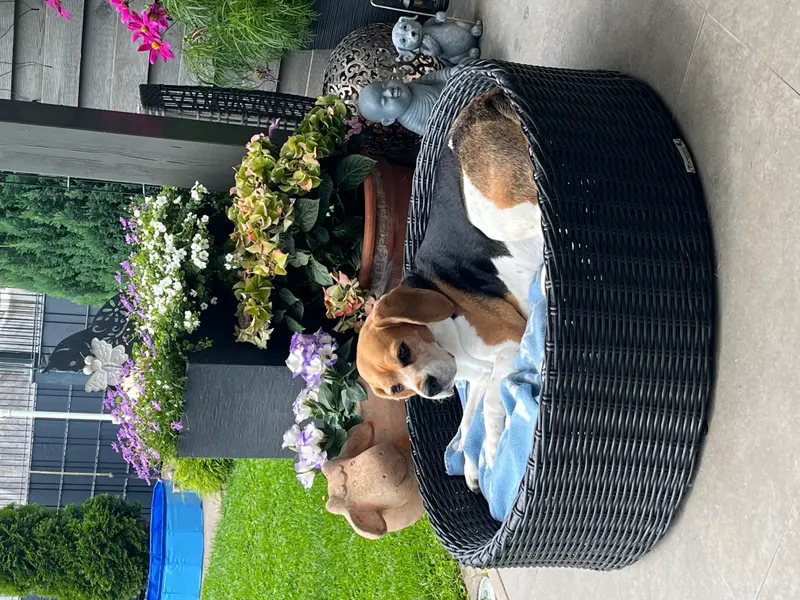
Why Adopt a Beagle? Is It the Right Choice for You?
The decision to bring a dog into your life is a game-changer. If you are thinking about wanting to adopt a Beagle, you are embarking on a wonderful but challenging journey. With their loyal, large puppy-dog eyes, soft floppy ears, and happily wagging tails, these British scent hounds instantly win almost everyone over. However, behind that cute facade lies a true working dog with its own specific needs, a strong will, and a remarkable nose.
As an animal welfare expert and canine journalist, I have spent years guiding people through the process of adopting dogs from shelters. One thing I can tell you upfront: a Beagle from a rescue often comes with its own unique history and set of experiences. But if you are ready to invest time, patience, and love, you will gain one of the most loyal and cheerful companions imaginable.
The Fascination of the Beagle: What Defines the Breed
Before we dive deep into the topic of animal welfare and adoption, it's worth taking a quick look at the genetic roots of these fascinating dogs. The Beagle originally hails from Great Britain and belongs to the "Hound Group" (specifically scent hounds). They were bred for pack hunting — specifically for tracking hares and rabbits.
This heritage is still evident in every step a Beagle takes. With a shoulder height of 33 to 40 centimeters (for males) and a compact weight of 10 to 11 kilograms, it is a medium-sized dog that packs a punch. Their life expectancy is encouragingly high at 12 to 15 years, which means you are entering into a very long-term commitment.
In our detailed Beagle breed profile, we explore every facet of this breed, but you should already know the most important traits:
- Energy Level (5/5): Beagles are not couch potatoes. They have enormous stamina and require daily physical and mental exercise.
- Family and Child Friendliness (5/5): They are absolute family animals — friendly, cheerful, and usually very patient with children.
- Compatibility with Other Dogs (5/5): As former pack dogs, they love company and integrate excellently into multi-dog households.
- Trainability (2/5): This is where the often-cited "stubbornness" appears. A Beagle weighs up whether a command is worth their while. Scent work is often more important to them than blind obedience.
- Suitability for City Life (3/5): Generally possible, but due to their hunting drive and sometimes vocal nature (the breed-typical baying or howling), they aren't always ideal for cramped apartments.
For those who want to study the breed in depth, the Beagle Club Deutschland e.V. offers valuable information regarding breed standards and the original use of these charming scent hounds.
Why Do Beagles End Up in Shelters or Rescues?
It is heartbreaking, but unfortunately a reality: many purebred Beagles and Beagle mixes are looking for a new home. If you type Beagle shelter into a search engine, you will quickly see that there are many dogs of this breed in need through no fault of their own. The reasons are varied but often trace back to the false expectations of the previous owners.
The Underestimated Hunting Drive and the Nose on the Ground
Many people buy a Beagle puppy because they are incredibly cute. They expect an uncomplicated family dog that trots politely next to the stroller. In reality, however, their instincts awaken during puberty. The Beagle dives into its own world as soon as it catches a scent. They switch their ears to "mute," follow their nose — often regardless of the consequences — and suddenly become unresponsive to recall. This independence quickly leads to massive frustration for owners who were hoping for a dog with a strong "will to please.".
A Bundle of Energy on Four Paws
A Beagle needs exercise, and not just a quick lap around the block. Without sufficient mental and physical stimulation (such as mantrailing or scent games), this intelligent dog will find its own tasks. This can include destroying furniture, excessive barking, or raiding the trash can. When families cannot find the time to channel this energy into structured activities, turning to a Beagle rescue is often the last resort.
Laboratory Beagles – A Very Emotional Beagle Rescue
A particularly sad but immensely important chapter in animal welfare is the Beagle rescue from research laboratories. Due to their extremely good-natured, docile temperament and manageable size, Beagles are the most commonly used laboratory dogs worldwide. Dedicated animal welfare organizations have made it their mission to rescue these dogs after the completion of trials and find them homes.
A laboratory Beagle has often never felt grass under its paws, knows nothing of stairs, cars, or family security. Adopting such a dog requires the utmost empathy, patience, and an absolutely secure environment. It is one of the most touching tasks to explain the world to such a dog and watch them blossom step by step.
What to Expect: History, Behavior, and Settling In
When you take on a Beagle from a rescue, you generally don't get a "ready-made" dog. Every dog has its own story that shapes its behavior.
A Second-Hand Personality
Dogs from domestic animal welfare may have been surrendered due to divorce, owner illness, or being overwhelmed. These dogs usually already know life in a house, are often house-trained, and have had some basic training. Nevertheless, staying in a shelter is extremely stressful. Your new roommate will likely be restless, perhaps anxious, or conversely, hyperactive during the first few days.
Many Beagles develop separation anxiety in shelters. Since they are absolute pack animals, they find it incredibly hard to be alone in a kennel. The fear of being left alone is therefore a topic that frequently requires a lot of training and a very gentle approach with adopted Beagles.
Specifics of Beagles from International Rescue
Many rescue Beagles come from Southern or Eastern Europe. There, they were often discarded by hunters because they weren't good enough at hunting, were sick, or grew too old. Some of these dogs have experienced trauma, were treated poorly, or don't know life inside a house at all.
An important aspect of international dogs is health screening. Diseases such as Leishmaniasis, Ehrlichiosis, or Babesiosis (so-called Mediterranean diseases) must be tested for. Reputable organizations will provide you with full disclosure beforehand. Information on travel diseases and their prevention is provided by the Verband für das Deutsche Hundewesen (VDH) or the relevant Federal Chamber of Veterinarians.
Cost Comparison: Shelter vs. Breeder
Initial costs are a pragmatic but essential point in the decision-making process. If we buy a puppy from a reputable breeder, the price range for a Beagle today is between 1,000 and 2,500 Euros. Here, you are paying for professional breeding, health evaluations of the parents, and registration papers.
If you choose to adopt a Beagle, an adoption fee (Schutzgebühr) applies instead. For most shelters and rescue organizations in Germany, this ranges between 300 and 500 Euros. This fee is not a "purchase price" but covers part of the costs incurred by the organization for vaccinations, microchipping, neutering (if applicable), transport, and veterinary care.
Note: Even if the initial cost is lower through a rescue, you should build financial reserves. Older dogs or dogs with an unclear history can cause unexpected veterinary costs. A good pet health or surgery insurance policy, as recommended by experts from the Bundestierärztekammer, is an absolutely sensible investment.
The First Few Weeks: Practical Tips for Settling In Your Beagle
The day has arrived: your new family member is moving in. How do you ensure the start goes smoothly?
Patience is the Absolute Key
Don't expect anything from your dog in the first few days. No "sit," no "stay," no long walks in busy pedestrian zones. The dog needs peace to process the many new impressions. Set up a dedicated retreat for them — a cozy bed in a quiet spot in the house. The Beagle has a short, dense coat with an undercoat (grooming needs 3/5, shedding 3/5) and often loves soft, warm places.
Safety and First Walks
A Beagle's hunting drive paired with the potential spookiness of a rescue dog is a dangerous combination. Especially in the first few weeks, safety comes first!
- Always use a double-leash system for your Beagle (a 3-strap safety harness plus a collar).
- Use a long line (training lead) to give them a radius of movement while keeping them under control. Never let them off-leash in the beginning.
- Avoid high-traffic dog parks initially. Walk the same quiet route repeatedly so the dog can get their bearings.
Training and Bonding
Beagles are curious and extremely motivated by food. This is your greatest advantage in training! To strengthen the bond and provide mental exercise (remember: energy level 5/5), you should start scent work very early on.
Hide their food ration in the garden, use snuffle mats, or start with simple tracking. If you tire out a Beagle's brain, they will be much more relaxed at home. Since trainability (in terms of stubborn obedience) is at 2/5, you have to be more creative than with a German Shepherd. Convince your Beagle that working with you is simply the most rewarding and delicious game in the world.
Is a Rescue Beagle Right for You?
Adoption should never happen out of pity; it should be a well-considered decision that fits your lifestyle.
When Adoption is the Best Choice:
- You are active and love nature: You enjoy long walks in any weather and are looking for a high-stamina companion.
- You have a sense of humor and are tolerant: A Beagle will always try to test boundaries (especially regarding food theft). You need humor to avoid despairing at their famous stubbornness.
- You are looking for a true family dog: Beagles are exceptionally friendly (5/5) and fit seamlessly into an active family life if treated fairly.
- You already have a dog: As pack animals, many Beagles flourish when they have canine company (compatibility 5/5).
When You Should Perhaps Wait:
- You want a dog that quietly stays in the background: A Beagle stands out, demands attention, and needs active engagement.
- You live in a very central city area on the 5th floor: Although city suitability (3/5) is possible with good exercise, a hunting-motivated dog suffers without green spaces nearby.
- You work full-time in an office and the dog would be alone for 8 hours: Beagles suffer massively from isolation. They need their "pack" around them.
Frequently Asked Questions (FAQ)
Are Beagles from shelters suitable for beginners?
Yes and no. A confident, well-socialized Beagle from a rescue can be a great beginner dog because their basic nature is very good-natured. However, the hunting drive requires clear leadership. If you are willing to work with a good dog school (ideally with rescue experience), it is achievable even for dedicated first-time owners.
How much do Beagles shed?
Although the Beagle has short fur, don't underestimate it. They have a dense undercoat that makes them weather-resistant. On our scale, shedding is a 3 out of 5. They lose a significant amount of hair, especially during the coat change in spring and autumn. Regular brushing is a must.
Can you train the hunting drive out of an adopted Beagle?
You cannot "train out" an instinct, as it is genetically hardwired in the Hound group. However, you can make the hunting drive manageable through targeted anti-hunting training and alternative activities (like dummy training or tracking). For many rescue Beagles, this still means they may need to stay on a long line in wildlife-rich areas for life.
How well can Beagles stay home alone?
By nature, extremely poorly. As pack animals, being alone means pure stress for them. With a Beagle from a shelter who may have already experienced loss, you must rebuild the ability to stay alone in tiny steps (sometimes minute by minute). A second dog can often be a great support in this regard.
Find Your Dream Beagle with HonestDog
The decision is made — you want to give a Beagle a second chance? That's fantastic! Animal welfare work thrives on people like you who don't look away but actively create space in their hearts and on their sofas.
At HonestDog, we want to make this path as transparent, safe, and easy as possible for you. As a trusted platform, we connect reputable rescue organizations and shelters with responsible adopters. We carefully screen listings to exclude illegal puppy trade and promote genuine animal welfare work.
Are you ready to fall in love? Then head straight to our adoption portal and discover wonderful dogs waiting for their forever homes. Click here to start searching for your new best friend: Find a Beagle in a shelter.