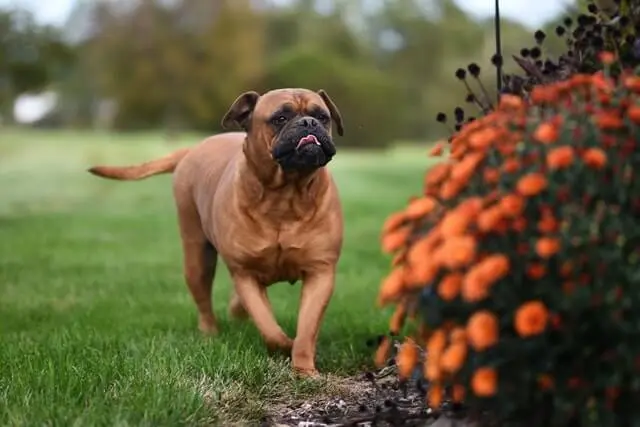
Massive, majestic, and surprisingly gentle: the Bullmastiff has fascinated dog lovers worldwide for decades. If you're thinking about getting bullmastiff puppies for sale, you're not just choosing a striking companion, but a family member that craves human closeness and appreciates clear leadership. Originally bred in 19th-century England as a "gentle giant" to assist gamekeepers, the breed today is known for its calm, steady, and affectionate nature.
Such a large and powerful dog presents owners with unique challenges. Choosing this molosser requires thorough preparation—from selecting a reputable breeder and planning your budget to understanding the legal regulations in your area.
Puppy Price and Ongoing Costs for a Bullmastiff
If you want to buy a puppy from a responsible breeding program, you should expect transparent pricing and clear cost factors.
How Is the Price of a Puppy Calculated?
The price for a purebred puppy from a reputable breeder typically ranges between 1,800 and 3,000 euros. This amount reflects the enormous financial and time investment that responsible breeding operations put into their litters. Their expenses include:
- Comprehensive health screenings for the parent dogs (including hip and elbow dysplasia X-rays, heart ultrasounds)
- Breeding suitability tests and stud fees
- High-quality nutrition for the mother dog and puppies
- Initial vaccinations, deworming, microchipping, and official pedigree paperwork
- Intensive rearing and socialization in a home environment
Offers that fall well below this price range are a warning sign. They often indicate that corners are being cut on the health of the parents or the quality of the puppy's upbringing, which can lead to high veterinary bills later on.
Calculating Monthly Maintenance Costs
The initial purchase price is only part of the total expense. Due to the size of adult males weighing up to 59 kg, ongoing costs are higher than for smaller breeds. Your monthly budget should account for the following items:
- Food costs: 100 to 180 euros per month for high-quality, protein-rich wet or dry food, plus appropriate supplements during the growth phase.
- Liability insurance: Legally required in many regions. Depending on the coverage amount and tariff, costs range from about 5 to 15 euros monthly.
- Vet bills and pet insurance: Routine check-ups, vaccinations, and parasite prevention average 30 to 60 euros monthly. Because of the risk of expensive treatments (such as for joint disorders or bloat), pet health or surgery insurance is strongly recommended, adding about 40 to 90 euros monthly.
- Dog tax: Rates vary greatly depending on where you live (approx. 60 to 180 euros annually). Note: In regions where the Bullmastiff is classified as a restricted breed, local taxes may be higher.
- Initial equipment: Sturdy harnesses, leashes, XXL orthopedic dog beds, and crates require a one-time initial investment of about 300 to 600 euros.
Spotting Reputable Breeders: What to Look For
Choosing the right breeder is the most important step when you want to buy a Bullmastiff puppy. An experienced breeder lays the foundation for the dog's health and social behavior.
Characteristics of an Exemplary Breeding Kennel
Quality breeders, such as those registered with the VDH or affiliated breed clubs, operate under strict regulations. During an on-site visit, look for the following criteria:
- Home rearing: The puppies grow up inside the house or with direct family integration and are accustomed to everyday household noises (vacuum cleaners, visitors, children).
- Mother dog present: The mother lives on-site, appears relaxed and social, and actively cares for her litter.
- Transparency: The breeder readily shows health test results for the parents and answers questions about the mating pair openly.
- Interest in the buyer: A responsible breeder will ask you about your living situation, dog experience, and daily routine. They genuinely care about the welfare of their puppies.
- Contract & papers: The sale includes a transparent contract, EU pet passport, microchip, and pedigree from a recognized kennel club.
A good starting point for finding reliable sources is our overview of Bullmastiff breeders in Germany.
Red Flags: Warning Signs When Buying a Puppy
Steer clear of a purchase if any of the following apply:
- The handover is supposed to take place in a parking lot, rest stop, or quickly "at your doorstep."
- The mother dog is not shown or appears severely frightened or aggressive.
- The puppies look dull, lethargic, have crusty eyes, or have bloated bellies.
- Multiple different breeds are being offered in large quantities at the same time.
- Health screenings are missing, or the seller brushes off your questions.
Health Check: Breed-Specific Prevention for the Bullmastiff
Due to their heavy build and rapid growth, large-scale breeds are prone to specific health vulnerabilities. Careful selection by the breeder significantly reduces the risk of hereditary diseases.
Important Health Screenings for Parent Dogs
Before a dog is approved for breeding, renowned kennel clubs require comprehensive medical clearances. These primarily include:
- Hip dysplasia (HD) & Elbow dysplasia (ED): Skeletal X-rays are mandatory. Only dogs with clear or mild results should be used for breeding.
- Heart evaluations: Cardiologic checks (such as heart ultrasounds by certified specialists) rule out congenital or acquired heart conditions like subaortic stenosis.
- Eye and genetic tests: Tests for hereditary eye conditions or metabolic disorders ensure that no genetically affected pairings take place.
Ask the breeder for written evaluations from the veterinary specialists. Healthy puppies come from parents whose medical clearances are fully documented.
Is the Bullmastiff Right for You? Space, Training, and Legalities
The Bullmastiff is a loyal, affectionate, and calm companion, but it places clear demands on its owners.
Requirements for Daily Life and Housing
Because of its stature, a Bullmastiff is not suited for a fourth-floor apartment without an elevator. Regular stair climbing heavily stresses the joints during the first few months of life. Step-free access or a ground-floor home with a fenced yard is ideal.
Although its drive for exercise is moderate compared to working breeds, this molosser still needs daily, balanced walks and mental stimulation. The short coat is easy to care for and only requires occasional brushing. However, keep in mind that individual dogs can be sensitive to weather extremes and may drool.
Training: Consistency Without Harshness
With a body weight of over 50 kg, an adult male cannot be restrained by physical force alone. Early, consistent, and affectionate training starting in puppyhood is essential. The breed is sensitive—pressure or harshness will only lead to stubbornness. Positive reinforcement training and thorough socialization with other dogs and environmental stimuli ensure that its natural protective instinct remains manageable.
Legal Framework and Breed Restrictions
Dog ownership laws vary by region. In some jurisdictions, the Bullmastiff is classified as a restricted breed or listed under specific regulations. This means owners must meet certain requirements, which may include:
- Proof of dog ownership competency (knowledge test)
- Clean background check
- Passing a temperament test to be exempt from leash or muzzle requirements
Before purchasing, check with your local municipal office regarding applicable laws and tax rates.
Alternative Rescue: Bullmastiffs in Need
It doesn't always have to be a puppy from a breeder. Animal shelters and breed-specific rescue organizations frequently have adult Bullmastiffs looking for a fresh start. Often, these are dogs whose owners underestimated their size or the administrative requirements.
Adopting an older dog has advantages: their personality is established, and basic obedience is often already in place. However, with rescue dogs, you should verify in advance whether the dog fits well into your living situation and if you have prior experience handling powerful breeds.
Frequently Asked Questions (FAQ)
How much do bullmastiff puppies for sale cost from a breeder?
A purebred puppy from a reputable, recognized breeding club typically costs between 1,800 and 3,000 euros. This price includes parental health screenings, vaccinations, microchipping, and official pedigree papers.
Is the Bullmastiff a restricted breed?
That depends entirely on your local regulations. In certain regions, the Bullmastiff is placed on restricted breed lists, requiring specific permits like a competency test or temperament test. In other areas, no such lists apply.
How long do Bullmastiffs live on average?
The average life expectancy for this breed is around 8 to 10 years. A balanced diet, joint-friendly upbringing during the growth phase, and regular veterinary check-ups contribute to a healthy life.
Does a Bullmastiff need a lot of exercise?
Bullmastiffs have moderate energy levels. They appreciate daily, relaxed walks and brain games, but they do not need hours of high-performance training. Excessive running should be avoided, especially in young dogs, to protect their developing joints.
Conclusion: Finding the Right Partner
A Bullmastiff enriches your life with its loyal, calm, and loving demeanor. If you account for the physical requirements, costs, and legal regulations, you will find a reliable partner for many years in this breed.
If you're looking for the right puppy or breeder, HonestDog offers a transparent platform with verified providers. Visit the Bullmastiff breed profile for more information or use our search to contact verified Bullmastiff breeders in Germany.