
Dogs in Winter: How to Protect Your Four-legged Friend from the Cold
Winter is a magical season, but it also presents challenges for dog owners. While some dogs love the snow, others feel uncomfortable in the cold. In this guide, you'll learn how to best protect your dog in winter and what you should pay particular attention to. Whether you live in Berlin, Hamburg, or Munich, with the right tips and tricks, winter will be a wonderful time for you and your dog.
Responsibility as a Dog Owner in Winter
A dog in winter requires special attention and responsibility. The cold temperatures can affect your dog's health, especially if they aren't adequately prepared. Responsible dog owners should be aware that some dogs are more sensitive to the cold than others. Short-haired breeds or older dogs often require additional protection.
It's important to plan walks well in winter. Make sure your dog doesn't stay out in the cold for too long and keeps them moving to avoid hypothermia. In extreme weather conditions, it may be advisable to shorten walks and provide plenty of indoor exercise.
Preparing for the Cold Season
The Right Clothing for Your Dog
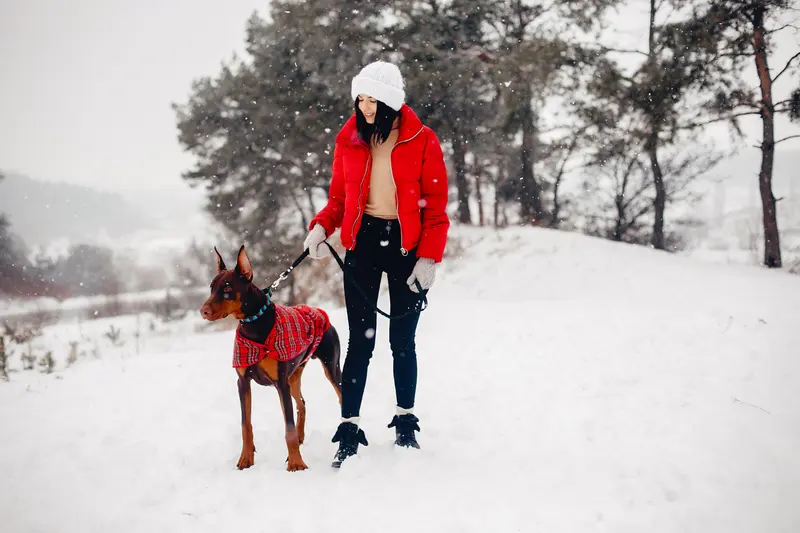
Not every dog needs a coat, but for some, it's essential. A well-fitting coat can help regulate body temperature and protect them from wetness and wind. Make sure the coat isn't too tight and doesn't restrict their freedom of movement. Dogs with little undercoat or older dogs especially benefit from additional protection.
Paw Care in Winter
Your dog's paws are particularly stressed in winter. Ice, snow, and road salt can dry out and damage the skin. Regular paw care is therefore essential. Before the walk, a special paw ointment can be applied to keep the skin supple. After the walk, the paws should be rinsed with lukewarm water and dried thoroughly.
Experience Reports from Everyday Life
Case 1: A Young Family from Cologne and Their Labrador
A family from Cologne decided to adopt a Labrador without adequately informing themselves about its winter needs. Initially, the dog received no special care, which led to cracked paws. After a visit to the vet, they learned the importance of proper paw care and incorporated it into their routine. Today, the Labrador happily walks in the snow without any problems.
Case 2: A Working Couple from Hamburg with a Whippet
The couple from Hamburg wanted an active dog to accompany them on their walks. They chose a Whippet without considering that this breed gets cold easily in winter. After a few unfortunate walks in freezing temperatures, which left the Whippet shivering, they bought a well-lined coat. Now the Whippet enjoys walks without freezing, and the couple is happy with their decision.
Practical tips for everyday life
Planning winter walks correctly
Make sure to adjust walks to the weather conditions. In freezing temperatures, they should be shorter, while longer walks are possible in moderate conditions. It's important that your dog stays active to avoid getting cold.
Diet and hydration in winter
In winter, your dog's energy needs can increase. Adjust the amount of food accordingly, but avoid overfeeding. Ensure fresh water is always available, as adequate hydration is important even in winter.
Actionable Tools and Checklists
📋 Checklist: Am I Ready for a Dog? (to print/save)
- Do I have enough time to care for the dog daily?
- Can I afford the financial costs of food, grooming, and veterinary care?
- Am I prepared to walk the dog in all weather conditions?
- Do I have a plan for winter care?
5 Steps to Getting Your First Dog
- Educate yourself about different breeds and their needs.
- Visit breeders or shelters to find the right dog.
- Prepare your home Prepare in a dog-friendly manner.
- Organize the initial supplies (food, leash, toys).
- Plan an acclimatization period to help your dog get used to its new surroundings.
Conclusion: Well-prepared for winter
With the right preparation and the right measures, you can ensure that your dog survives the winter safely and healthily. Pay attention to your four-legged friend's individual needs and support him with appropriate clothing, care, and nutrition. This way, you can enjoy the cold season together, whether on a walk in the snow or a cozy day at home. Remember that a dog is a lifelong commitment and responsibility, but one that will be rewarded with many wonderful moments.