
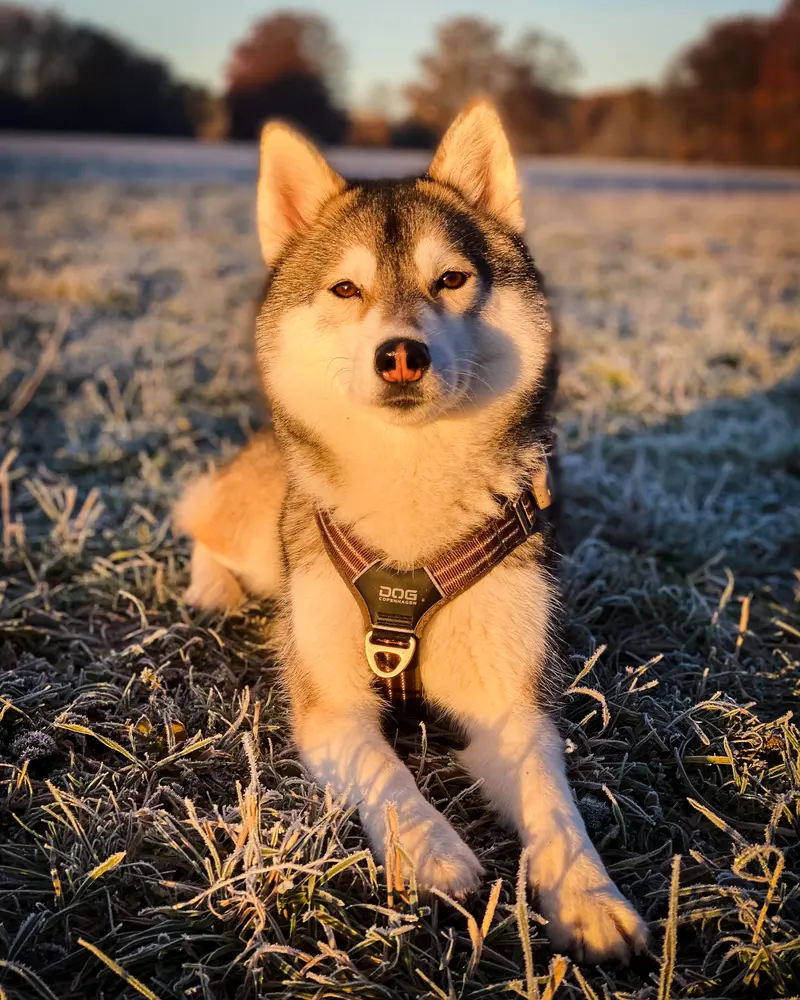
Are you thinking about sharing your life with a four-legged companion and giving a dog in need a second chance? That is a wonderful decision! If you are particularly enthusiastic about Nordic breeds and Spitz-type dogs, you may have already considered the idea to adopt a Pomsky. This fascinating cross between a Siberian Husky and a Pomeranian has taken the hearts of many dog lovers by storm in recent years. However, behind the fluffy exterior and those often piercing blue eyes lies a dog with a real personality that places special demands on its owners.
As an experienced animal welfare advocate and dog expert, I want to accompany you on this exciting journey. In this comprehensive guide, you will learn everything you need to know if you want to give a Pomsky from a rescue organization a new, loving forever home. We will look at breed-specific traits, explain why these popular "designer dogs" end up in shelters in the first place, and provide you with field-tested tips for a harmonious transition.
Pomsky adoption: Why do these trend dogs end up in rescue?
At first glance, it may seem paradoxical: how can a dog, for which buyers pay between 2,000 and 4,000 Euros at a breeder, suddenly end up behind the bars of a kennel? The bitter reality of animal welfare shows that so-called "designer dogs" are particularly prone to being surrendered. If you check with a Pomsky shelter or a specialized rescue organization, you will often hear similar stories.
Many people fall in love with the look of Pomskies on social media platforms. They look like tiny, lifelong Husky puppies. But the Pomsky is a real surprise package. When the cute puppy grows up, its true genetic traits emerge. The combination of a Husky's energy and strong drive to run, paired with the alertness and vocal nature of a Pomeranian, can quickly overwhelm inexperienced owners.
Common reasons for surrender that we encounter in animal rescue include:
- Underestimated energy needs: Pomskies have a solid energy level. They don't just want physical exercise; as highly intelligent dogs, they also require mental stimulation (brain games, scent work, trick training).
- Stubbornness and independence: While they are considered loyal and people-oriented, the Nordic independence of the Husky often shines through. This stubborn streak requires consistent but loving training.
- Strong prey drive: The drive to hunt should not be underestimated in many Pomskies. Smaller pets in the same household or wildlife on walks are often viewed as prey.
- Changed life circumstances: As with many other breeds, divorces, moves, financial bottlenecks, or allergies also lead to the animal being given up.
What to expect when you get a Pomsky from a shelter
Choosing a rescue dog is always a bit like a surprise egg. If you decide to give a Pomsky a new home, you should study the physical and psychological characteristics of the breed intensively. For more detailed information on genetic backgrounds and breed-specific traits, visit our detailed Pomsky breed profile.
Possible history and behaviors
Rescue dogs bring an invisible backpack of experiences with them. A Pomsky surrendered because its previous owners had no time for it may suffer from separation anxiety. A dog that was kept as a yard dog or isolated might not yet know the basic rules of living in an apartment. Still others may have been rescued from unethical breeding facilities (puppy mills) and experienced little to no socialization in their first weeks of life.
You must be prepared for the fact that your new roommate might not walk perfectly on a leash yet, may react uncertainly to environmental stimuli (such as loud cars or strange dogs), or may initially have difficulty settling down. Empathy, patience, and knowledge of canine body language are your most important tools here.
The character: Confident, active, and incredibly loyal
Let's look at the facts that define the Pomsky. An adult male usually reaches a shoulder height of 25 to 38 centimeters and a weight of about 9 to 14 kilograms. This makes them medium-sized dogs—robust enough for long hikes, but compact enough to lead a good life in an apartment (their suitability for city life is rated highly, as long as their exercise needs are met).
The Pomsky's temperament is fascinating: they are active, very confident, and usually bond very closely with their primary caregivers. They love being the center of attention and being involved in all family activities. At the same time, they can prove to be good little watchdogs who reliably report anything strange—even if their size doesn't necessarily make them fearsome protectors.
Pomsky rescue and international animal welfare: Special challenges
Not every Pomsky looking for a home is sitting in a local municipal shelter. Often, placements are organized through specialized associations for Nordic dogs or a direct Pomsky rescue. Additionally, a significant portion of rescue dogs now comes from other European countries.
So-called backyard breeders often produce designer dogs en masse. When these animals get sick, do not meet the desired beauty standards, or come from official seizures, dedicated animal welfare organizations take over the Pomsky rescue. However, a dog from international rescue requires special attention:
- Health checks: Ensure the dog has been tested for so-called Mediterranean diseases (Leishmaniasis, Ehrlichiosis, Babesiosis, etc.) if it comes from the corresponding regions.
- Safety measures: Dogs that do not know life inside a house often tend to flight behavior initially. Securing them with a well-fitting safety harness (escape-proof harness) and double leashing during the first few weeks is an absolute must.
- Overcoming trauma: Some rescued animals have experienced bad things. They need plenty of space, should not be pressured, and must be allowed to build trust at their own pace.
Reputable rescue organizations will inform you transparently about the health status and behavioral issues of the dog. General veterinary recommendations for adopting dogs from abroad are also provided by the Bundestierärztekammer on their website.
Adoption costs vs. buying from a breeder: An honest comparison
One argument that unfortunately sometimes comes up when searching for a pet is financial. "A Pomsky from a breeder costs up to 4,000 Euros; I can get one cheaper at the shelter." Anyone who thinks this way is starting the adoption for the wrong reasons.
While the so-called adoption fee at rescue organizations is significantly lower than the purchase price from a breeder—averaging 350 to 500 Euros—this fee is not a "sale price." It serves to cover part of the immense costs the association incurs for veterinary exams, vaccinations, neutering, microchips, EU pet passports, transport, and boarding.
Furthermore, you should consider that a rescue dog may result in higher follow-up costs. If the dog requires behavioral training due to its history or has chronic health issues (perhaps due to poor nutrition during the formative phase), costs for dog trainers, physiotherapy, or vet visits can quickly add up. A financial reserve and solid pet health insurance are therefore highly recommended.
The first weeks: Tips for a successful transition
The day has come when you can finally take your Pomsky home. This initial period is crucial for your future bond. Here are some essential tips from rescue experts to make the transition as smooth as possible:
1. Understand the 3-3-3 rule
In animal rescue, we often talk about the 3-3-3 rule. It states that a dog needs about 3 days to decompress from initial stress and realize it is in a new environment. After 3 weeks, it begins to understand the routines and rules of your household and starts showing initial behaviors (even undesirable ones). After 3 months, it usually feels fully settled and has built a deep bond with you. Give the dog (and yourself!) this time.
2. Create a safe retreat
Your Pomsky needs a fixed place to lie down where it is absolutely undisturbed. An open, cozy dog crate (kennel) or a plush bed in a quiet corner is ideal. When the dog retreats there, neither children nor adults should touch or disturb it. This is its personal safety zone.
3. Establish structure and routine
Dogs love predictability because it gives them security. Try to keep feeding times, walks, and rest periods at the same time as much as possible during the first few weeks. The stubborn, independent side of the Pomsky benefits massively from clear but friendly boundaries.
4. Use grooming for bonding
The Pomsky has a medium to long coat with a dense undercoat. The grooming requirement is moderate to high. Significant shedding can occur, especially during coat changes. Use daily brushing not just as a chore, but as a calm, reward-based ritual. This strengthens your dog's trust in your touch.
5. Safety first
Rescue dogs especially can react unexpectedly in moments of fright. Register your dog immediately after adoption with pet registries. Organizations like TASSO e.V. offer a free service that can save lives if your dog ever breaks free.
Is a Pomsky rescue the right decision for you?
Before you take the final step, you should be completely honest with yourself. A Pomsky is not a stuffed animal, but an intelligent living being with needs. Since the breed has a life expectancy of 12 to 15 years, you are making a long-term commitment.
When adoption is ideal
You are the perfect candidate for a rescue Pomsky if you already have dog experience or are willing to work closely with a positive-reinforcement dog trainer. You love being outside in all kinds of weather, enjoy mental enrichment for dogs, and have a good sense of humor—because you will need it when the Husky stubbornness awakens. Since Pomskies are generally considered very family-friendly, they can also live wonderfully in households with older, respectful children if introduced correctly.
When you might want to wait
If you are looking for a dog that lies on the sofa all day, never barks, has no prey drive, and trains itself, this breed is not right for you. Absolute beginners should also be cautious with a rescue Pomsky. The combination of Husky energy and a potential rescue background requires a good hand for canine body language. Additionally, consider that you must invest a lot of time in grooming. Further helpful tips for the basic decision-making process before getting a dog are also offered by the Verband für das Deutsche Hundewesen (VDH).
Frequently Asked Questions (FAQ)
Are shelter Pomskies suitable for beginners?
This cannot be answered with a simple yes or no, but they tend to be a challenge for absolute beginners. The mix of prey drive, high activity levels, and often headstrong behavior requires consistency and knowledge of dog training. If you are a beginner willing to invest a lot of time in a good dog school, it can work. However, it is better if previous dog experience is present.
How much exercise does an adult Pomsky need?
Despite their small size of 25 to 38 centimeters, they possess the energy of Nordic sled dogs. An adult Pomsky needs at least 1.5 to 2 hours of active movement in the fresh air daily. Just walking is often not enough; they want to run, sniff, and be mentally challenged through scent games or dog sports like agility.
Can a rescue Pomsky be kept in an apartment?
Yes, their suitability for city life is generally rated high. A Pomsky can live very well in an apartment, provided it is sufficiently exercised physically and mentally outdoors. However, keep in mind that the Pomeranian in them can bring a certain tendency to bark. A rescue dog that might have separation anxiety could initially cause trouble with neighbors in a multi-family house if it has to relearn how to be left alone.
How demanding is Pomsky grooming really?
The effort should not be underestimated. They have a dense undercoat that requires regular brushing—ideally several times a week, and even daily during the spring and fall shedding seasons. Rescue dogs sometimes need to be slowly desensitized to combs and brushes with many treats, as they may not have positive associations with being handled.
Your next step: Find your dream dog on HonestDog
The decision is made and you feel ready for the adventure of opening your heart and home to a dog in need? Then you have come to the right place. At HonestDog, we know how important it is to bring reputable rescue organizations and future dog owners together safely and transparently.
On our platform, you will find lovingly maintained profiles of dogs longing for a second chance. We carefully vet the connected shelters and rescue groups so you can adopt with peace of mind. Take the first step now and see if your new best friend is already waiting for you: Find a Pomsky in a shelter.
The journey with a rescue dog is not always the easiest path, but it is undoubtedly one of the most rewarding. When your Pomsky looks at you one day with its bright eyes and you realize it has finally fully arrived home, you will know: every second of patience and work has paid off a thousand times over.