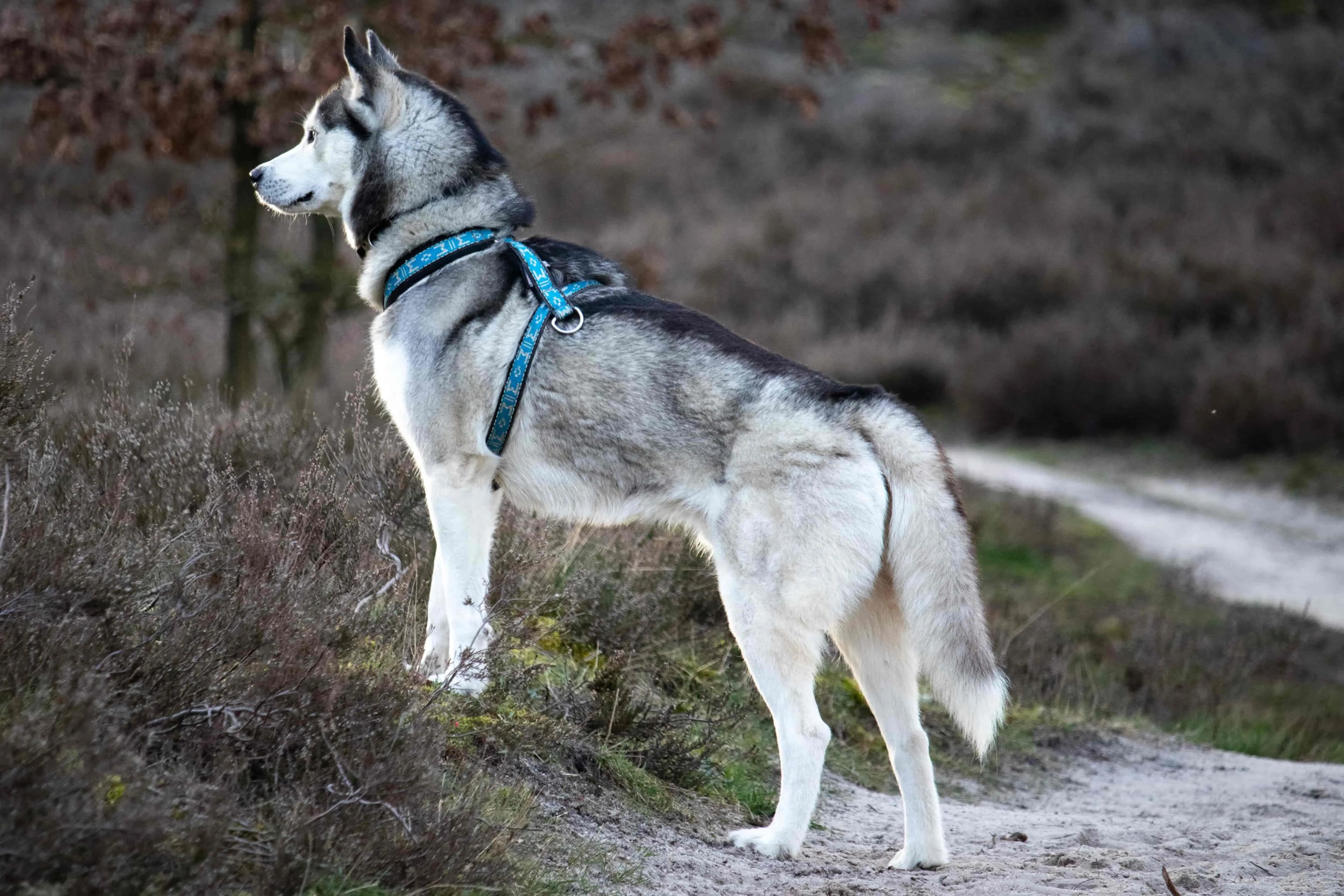
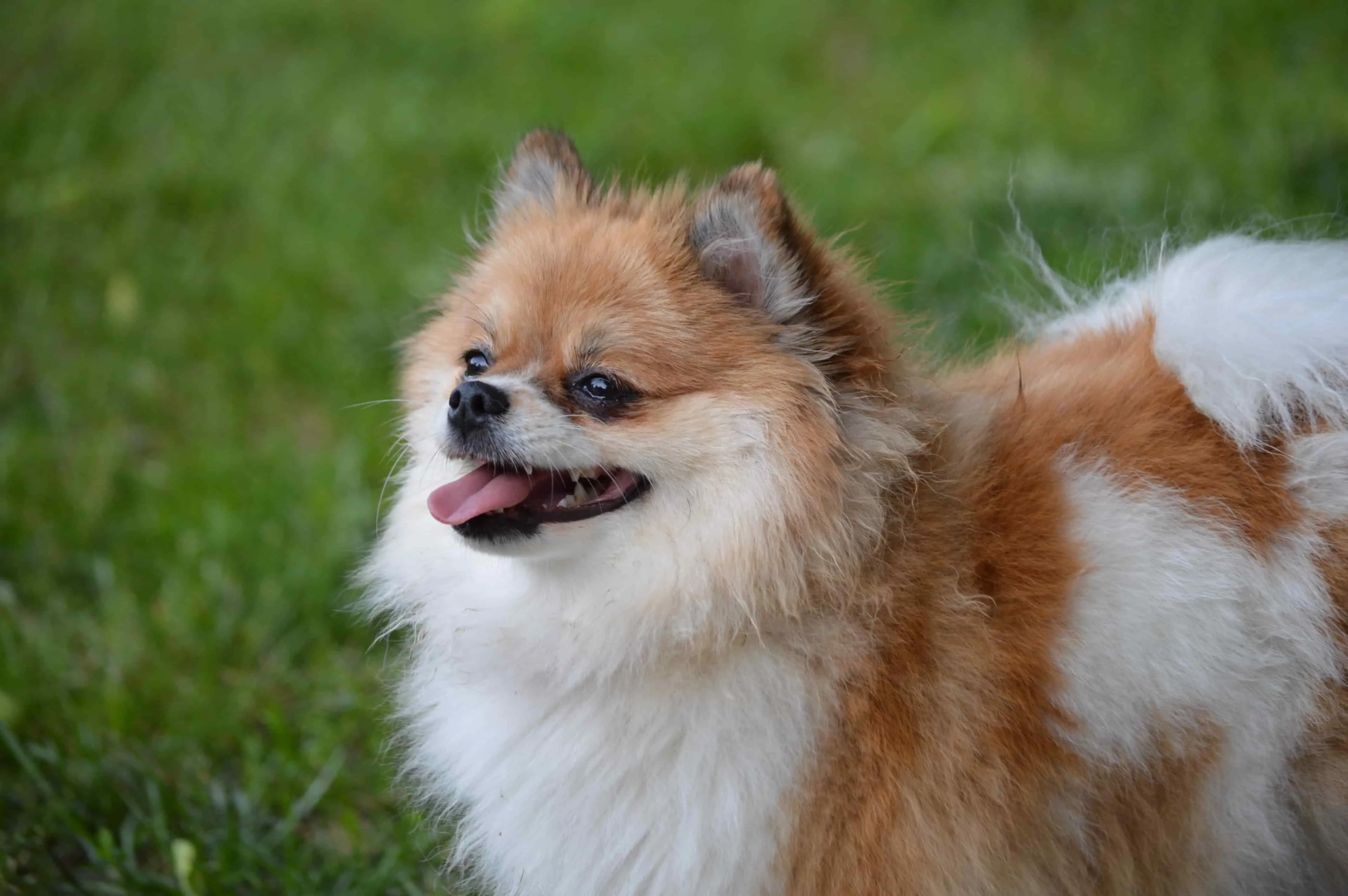
Siberian HuskyClose relative
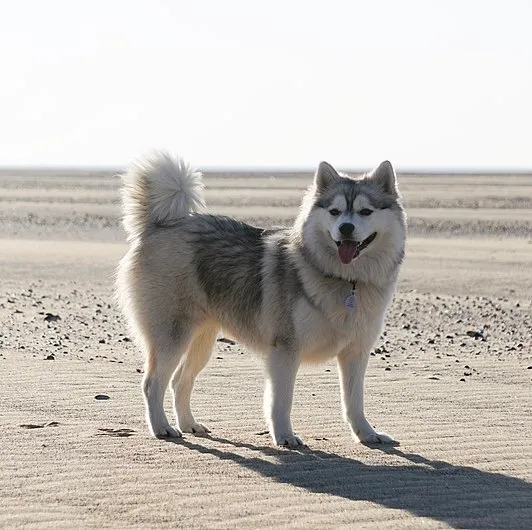
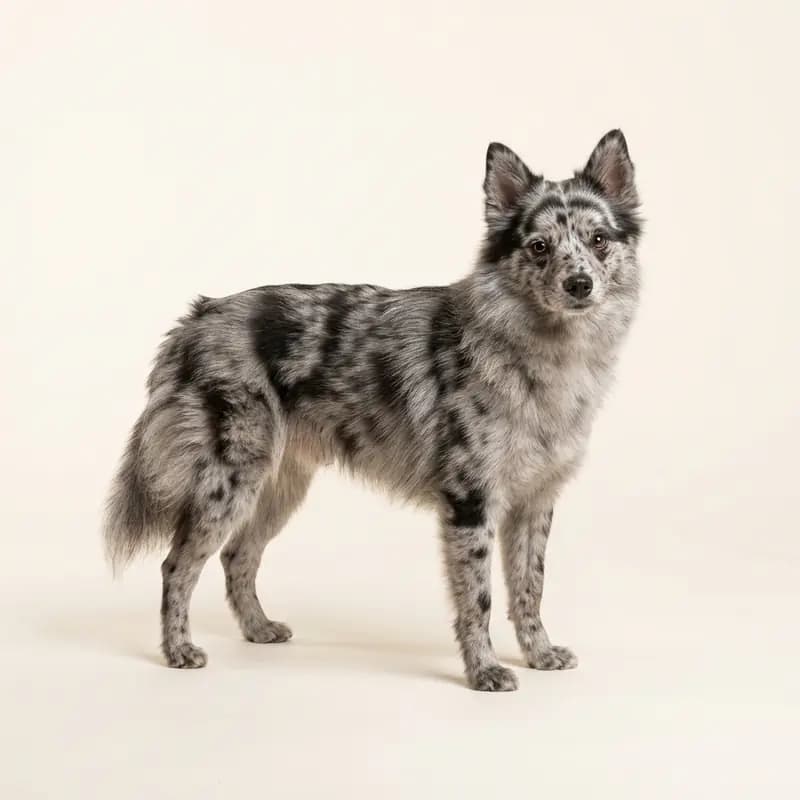
The Pomsky is a fluffy, often unpredictable hybrid—a genetic grab bag featuring the endurance of a sled dog and the alertness of a Pomeranian. You aren't buying a fixed breed, but a surprise package that combines the stubbornness and vocal nature of both worlds.
Self-check
Answer 6 quick questions about your everyday life and see how well the Pomsky fits you — including an honest cost estimate per month, per year, and across the dog's lifetime.

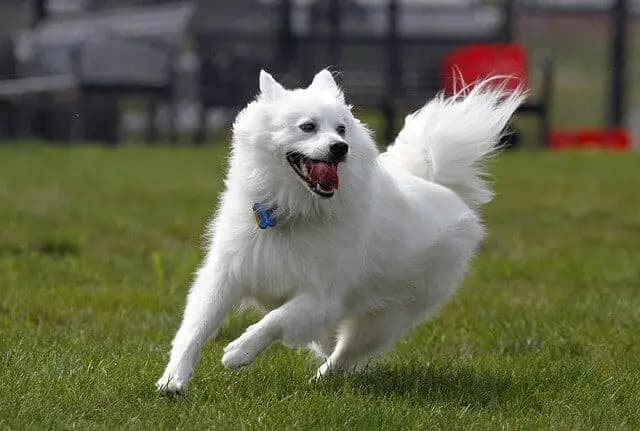
At a glance
The essentials — key facts, traits, and health priorities — before you dive deeper.
Lifespan
12–15 yrs
Shoulder height
25–38 cm
Weight
9–14 kg
Practical
Temperament
Daily life
What matters most
Especially with a Pomsky, choosing the right breeder is the single most important decision you'll make. Serious breeders consistently test the parents for inherited conditions, prioritize healthy early socialization, and stay accountable long after handover. A cheap puppy without health screening tends to become the most expensive dog later on.
See HonestDog breeder standards →Colors & coat
The coat colors that occur in the Pomsky — including which ones fall outside the breed standard and which carry genetic risk.
Eye colors
 Brown
 Amber
 Blue
 Green
 Odd-eyed
 Partial (split eye)
Coat type
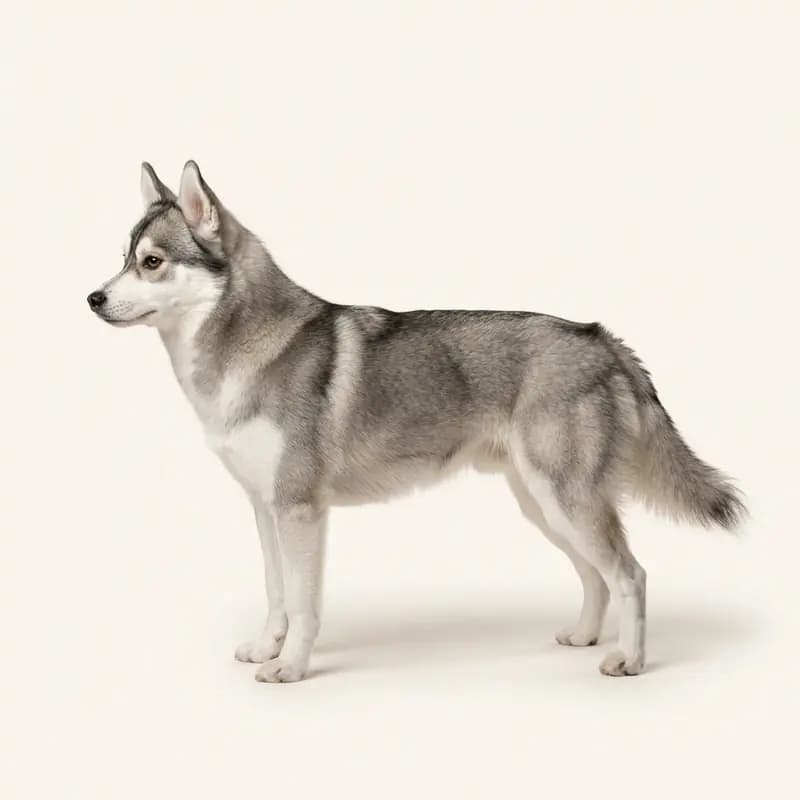 Illustrative image
Short
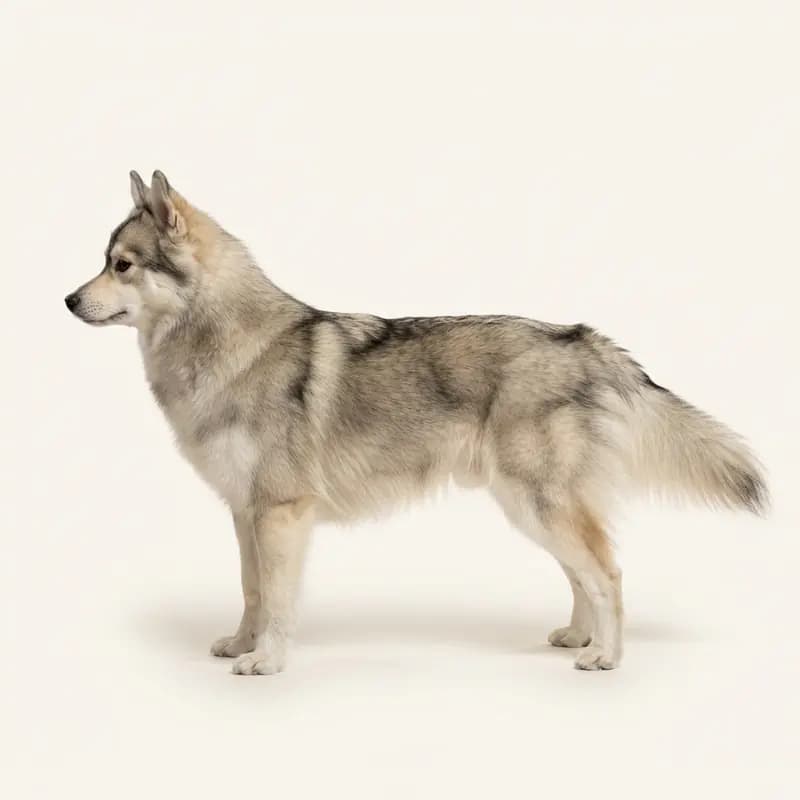 Illustrative image
Medium
 Illustrative image
Long
 Double coat
The real vibes check
A Pomsky might look like an eternal puppy, but in its head, it is often a stubborn adventurer with a built-in megaphone. You aren't buying a predictable lap dog here, but a lottery ticket: in the best case, you win a charming companion; in the worst, a constantly barking Husky in a compact format that desperately needs a real job.
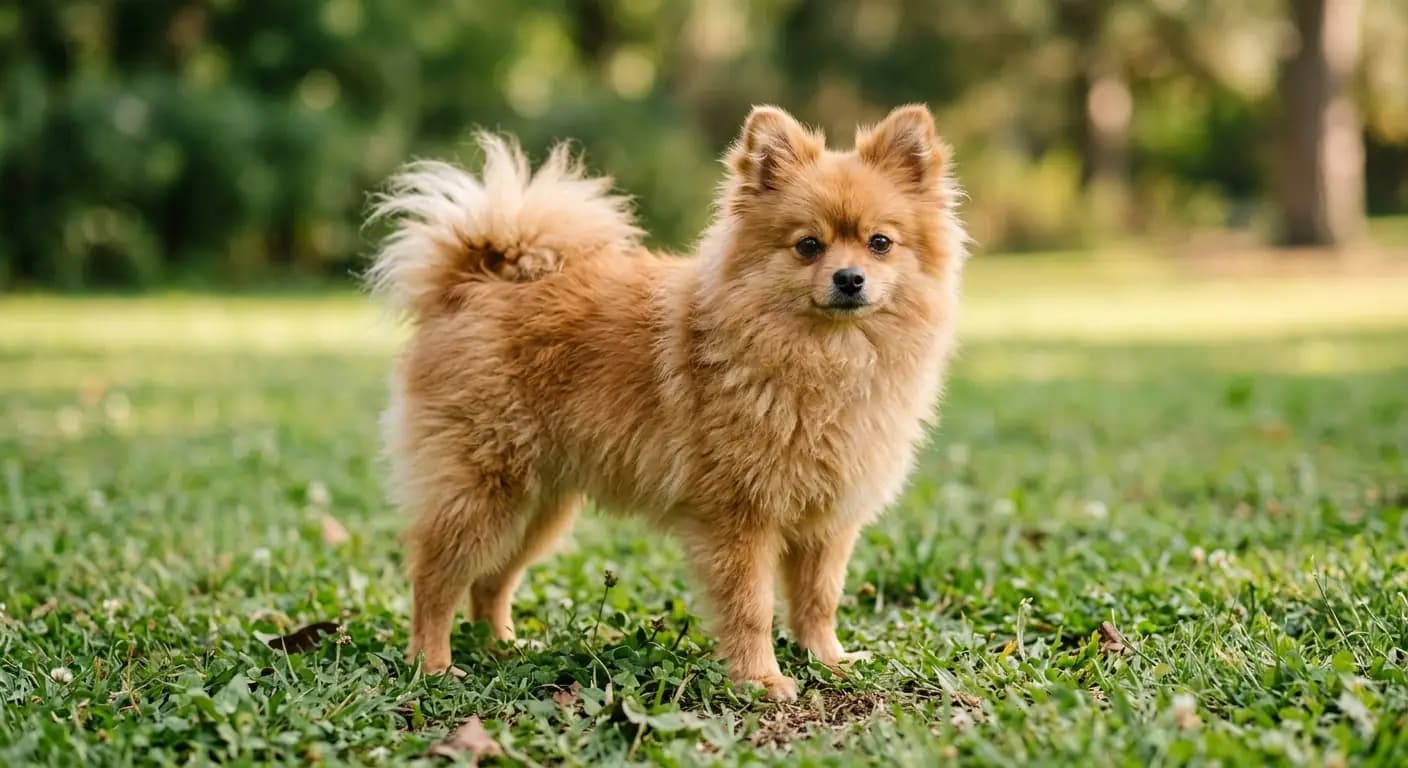
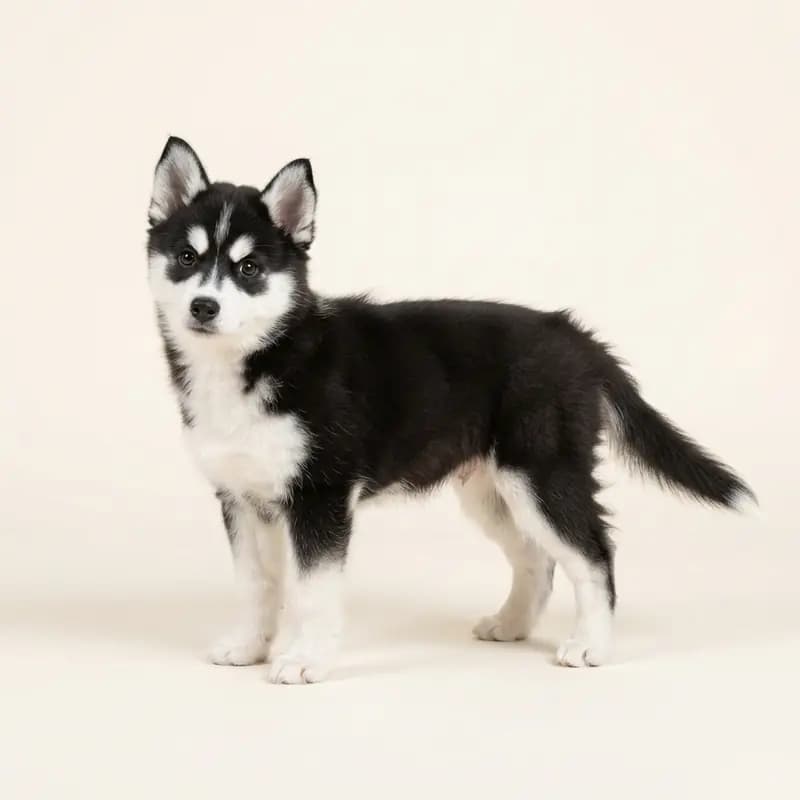
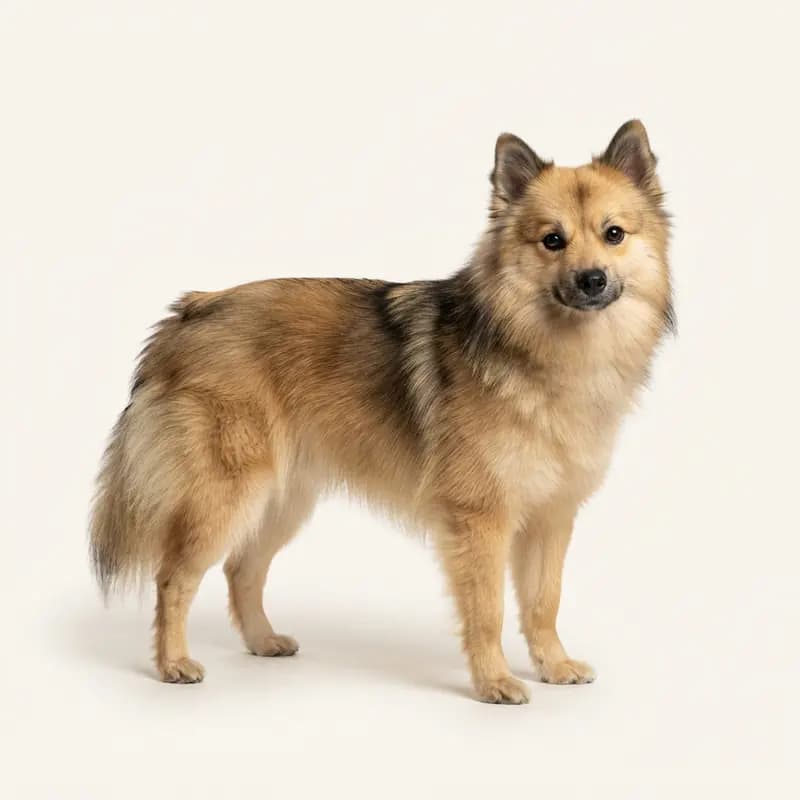
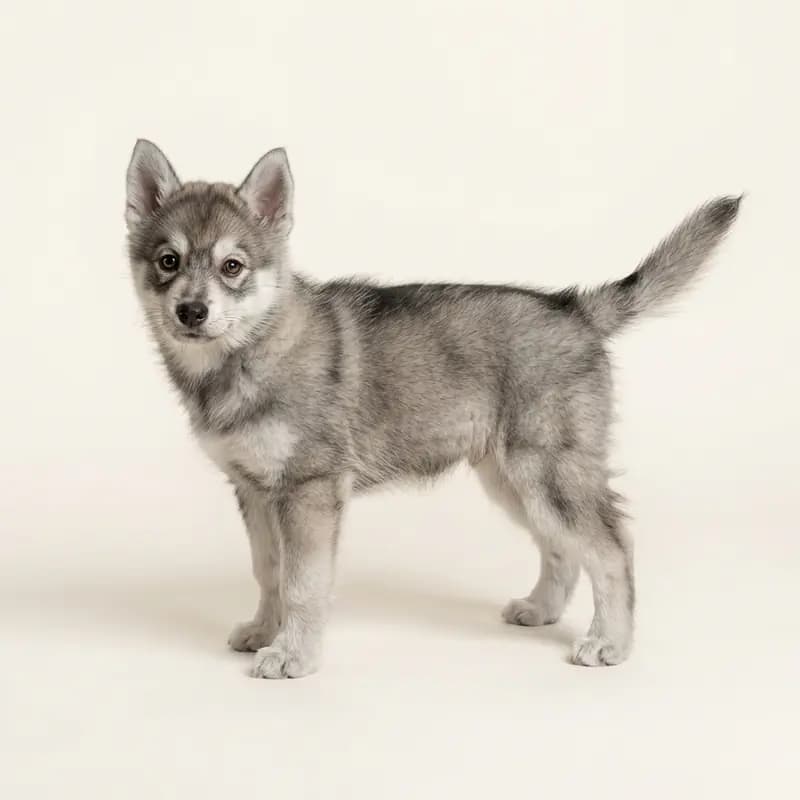
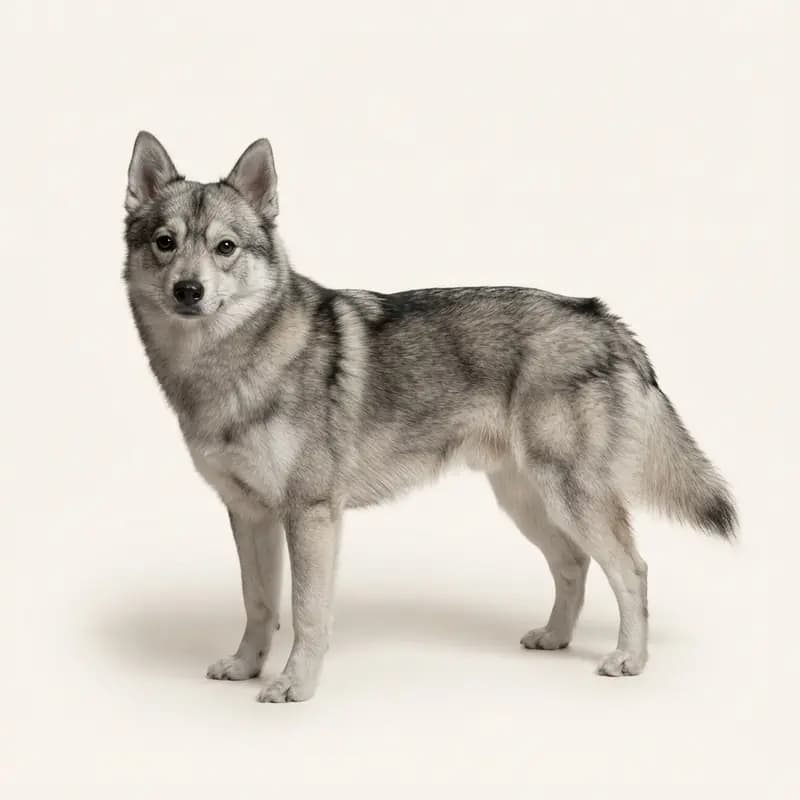
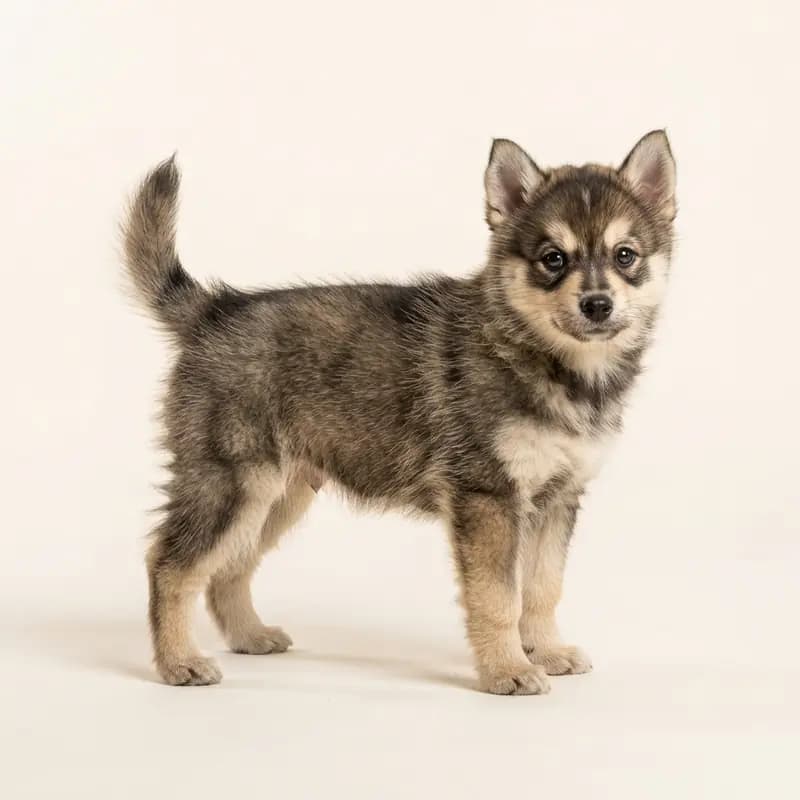
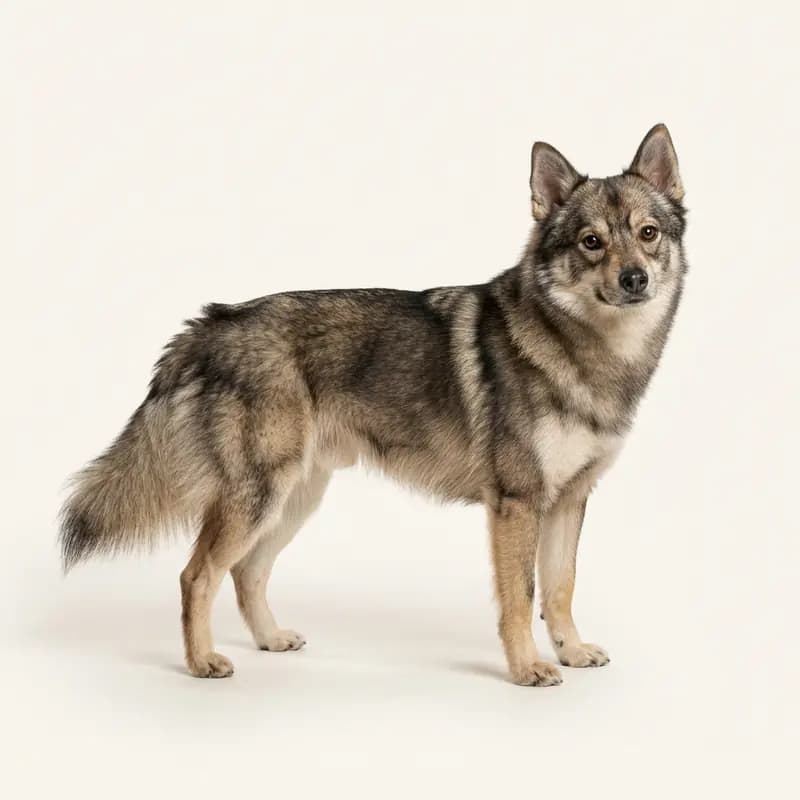
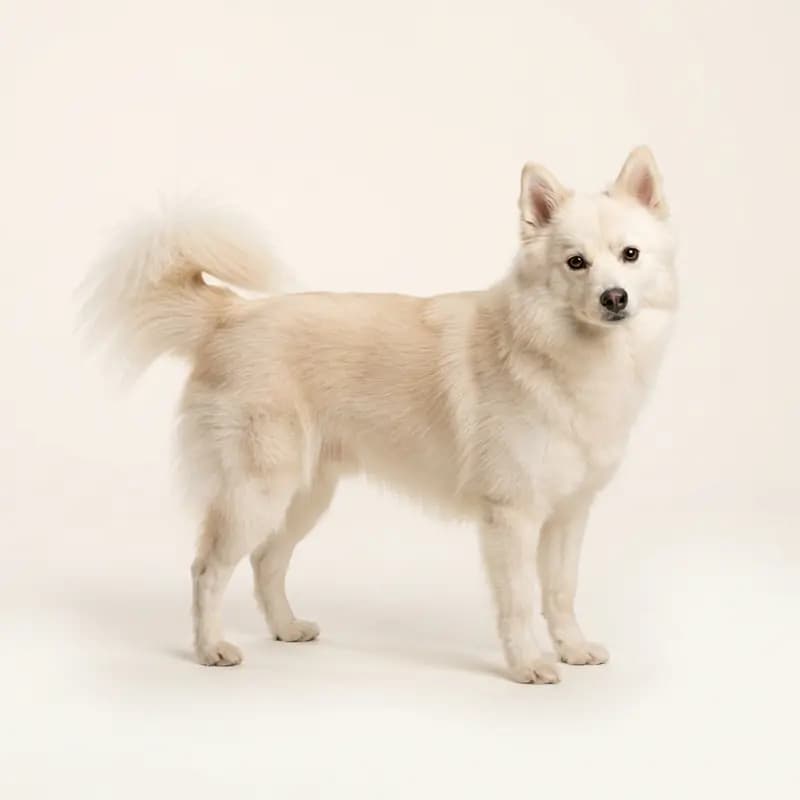
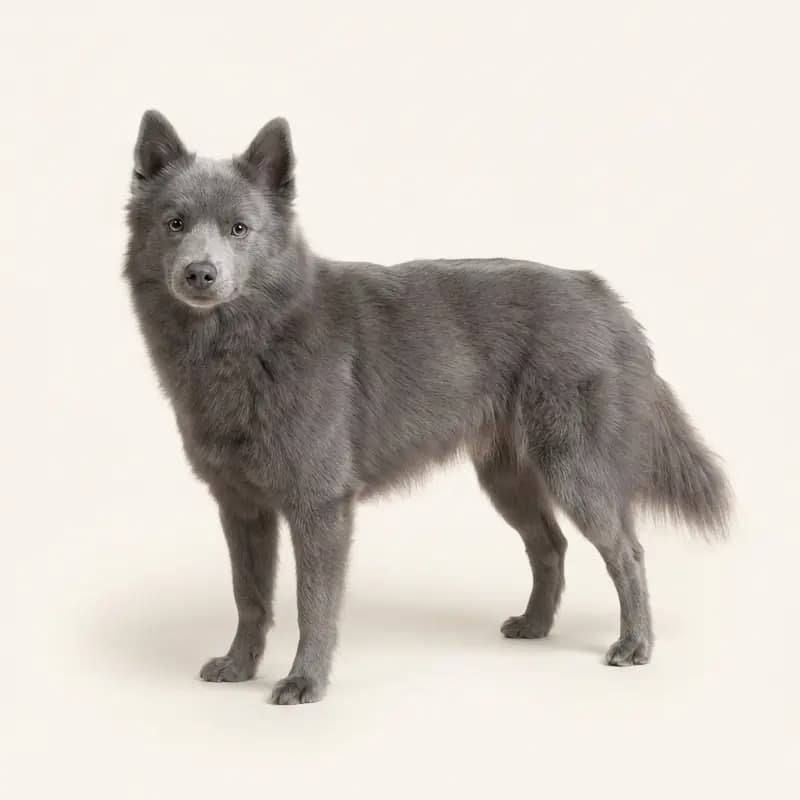
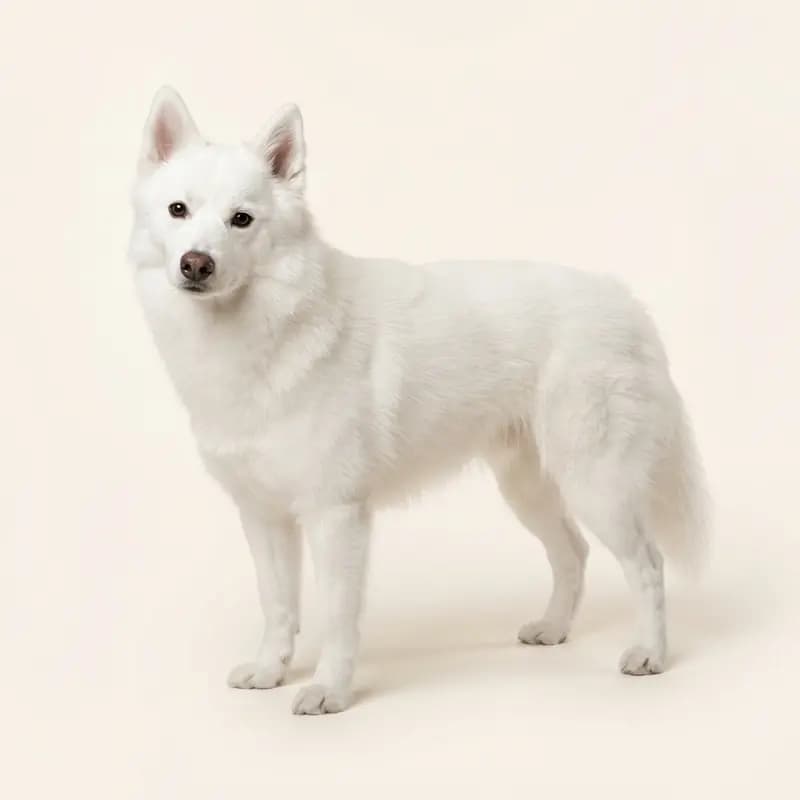
The Pomsky is a mixed breed that results from crossing a Siberian Husky and a Pomeranian. It is loved for his striking looks and friendly personality. Despite their smaller size, Pomskies retain the husky's wolf-like appearance, including blue or multi-colored eyes and distinctive facial masks. The breed is not recognized by the FCI but is gaining popularity as a designer breed.
Pomskies are known for their playful and attentive temperament. They tend to be very people-oriented and affectionate and enjoy being around their owners. They are intelligent and quick learners, making them good candidates for training and obedience. Despite their small size, Pomskies are often very active and require regular exercise and mental stimulation. Although they are small, Pomskies can have strong personalities and tend to be independent and sometimes stubborn. They can also exhibit strong prey-catching behavior, leading them to hunt smaller pets or animals outdoors. They are often alert and can be good guard dogs, although their small size makes them less intimidating. In terms of their use, Pomskies are primarily companion dogs. They enjoy human company and do well with families or individuals. They can live well in an apartment as long as they get enough exercise. Despite their active nature, they can learn to stay alone, but they enjoy the most when included in their family's daily activities. In conclusion, it is important to remember that although Pomskies are charming and friendly, they are a mixed breed and their temperament and personality can vary greatly. It's important to remember that this breed is a commitment and that, like all dogs, they require time, attention and training to stay happy and healthy. However, with proper care and socialization, a Pomsky can be a wonderful companion and beloved member of the family.
| Watchfulness Occasionally alerts but is fundamentally open. | Low |
| Openness to Strangers Warms up quickly and is generally welcoming. | Friendly |
| Hunting or Herding Drive Mild interest in movement and small animals — easily managed. | Low |
Fun Fact!
Did you know that the name "Pomsky" is a combination of the names of its parent breeds? "Pom" stands for Pomeranian and "Sky" for Siberian Husky!
Pomsky: The Pomsky is a lively and intelligent dog that combines the characteristics of a Husky and a Pomeranian. These dogs are playful, affectionate, and require a lot of exercise as well as mental stimulation. Due to their friendly nature, they are well suited as family dogs but require consistent training and socialization.
The Pomsky can be kept well in both the city and the country as long as it receives enough exercise and mental stimulation. They are adaptable and can live well in an apartment as long as they have regular walks and playtime. They are generally friendly with people and get along well with children. However, with very small children, a supervisor should always be present to ensure that neither the child nor the dog is injured.
Loves family life and thrives in a group.
Takes boisterous and affectionate children in its stride.
Usually gets on fine with other dogs.
Adapts well to city living and urban environments.
Owning a dog is a privilege, but it's also a real responsibility. Before you bring one into your life, be honest with yourself about the commitment it takes.
Raising a Pomsky can be challenging due to their intelligent and sometimes independent nature. They learn quickly but can also be stubborn, which requires consistent and positive training. They tend to get bored with boring or repetitive exercises, so training should be varied and entertaining. Sports like agility or obedience can be a great way to keep their minds and bodies busy. It is important to note that Pomskies often have a high prey drive and therefore there is a risk of them becoming "ball junkies". Therefore, it is important to teach them how to control their impulses and to offer them various play and activity options.
Pomskies require a balanced diet tailored to their size, age, metabolism and activity level. High-quality dog food that provides all the necessary nutrients is essential. While exact food amounts vary from dog to dog, care should be taken to ensure that the Pomsky does not become overweight, as this can put additional stress on the joints and lead to health problems. When it comes to grooming, the Pomsky has a dense undercoat and therefore requires regular brushing to keep the coat clean and healthy. The Pomsky can shed a lot, especially during the shedding phases, which requires additional fur care. Despite their thick undercoat, Pomskies cope well with the German climate, although they may need extra precautions in extreme temperatures "in both summer and winter."
| Care Level Regular brushing and occasional professional grooming. | Moderate |
| Exercise Needs Needs 1–2 hours of real exercise daily. | Active |
| Shedding Regular shedding — dog hair on clothes is now normal. | Moderate |
| Trainability Willing to learn with clear rules and regular training. | Balanced |
Our experts are still reviewing this information. Spotted something wrong? Email us at info@honestdog.de.
Solid
Health grade
As a designer dog, the Pomsky combines the health risks of the Pomeranian and the Husky, but overall has a solid health profile. A key area buyers need to watch out for is patellar luxation (loose kneecap). Because there are no strict kennel club regulations for this hybrid breed, checking the parents' test results independently is essential.
Grade is relative to other breeds — AI-assisted and editorially reviewed.
Methodology and data: HonestDog Dog Breed Health Report 2026
What matters most for this breed
Tap any item to see details.
By focusing on joint-friendly rearing, maintaining a healthy weight, and scheduling regular eye exams with your vet, you lay the best foundation for a long and active life.
Reputable breeders have the hips, knees, and eyes of the parent dogs tested and strictly adhere to genetic screening to avoid risks associated with dangerous color combinations or extreme dwarfing.
Note: This health overview is AI-assisted and editorially reviewed. It is for orientation only and does not replace veterinary advice.
What matters most for this breed — what's common, how much it affects the dog's life, and how to protect yourself as a buyer.
Tap a body region to see the inherited conditions linked to it.
The three most important risks
Pick a region on the map to explore other areas.
Tier 1 is the recommended health standard for this breed. Tiers 2 and 3 show how responsible breeders go beyond.
Recommended standard. These tests make up the recommended health standard for this breed — the baseline of any careful breeding program. Ask any reputable breeder for the results.
Note: This health overview is AI-assisted and editorially reviewed. It is for orientation only and does not replace veterinary advice.
A Pomsky costs around ~€170 per month (€90 – €320, depending on your setup). The first year adds up to roughly ~€5,910 including purchase, equipment and puppy school; across the dog's life (13.5 years) it comes to about ~€31,910.
With surgery cover, running costs come to about ~€160 per month — in return, your share of a major operation drops from several thousand euros to around 20 percent.
Per month
~€170
In the first year
~€5,910
Across the dog's life
~€31,910
Estimated purchase price from a breeder: €2,000 – €4,000
Estimate at a mid-range setup (suburban, dry food, 1–2 hours of daily exercise), average German prices, as of July 2026.

 Illustrative image
 Illustrative image
 Illustrative image
 Illustrative image
The Pomsky breed is a fairly new mixed breed that emerged in the United States in the early 2000s. She quickly gained popularity due to her charming looks and friendly personality. Although born from two purebred parents, Pomskies' size and appearance vary significantly because the breed is still developing.
The Pomsky is a designer breed, created by crossing the Pomeranian and Siberian Husky, and was bred as a companion dog with the appearance of a small husky.
USA
2009
Day to day, owners usually describe the Pomsky as a very bright, people-oriented and highly sociable companion. Many owners point out how affectionate these dogs are at home and how much they seek close contact with their people. It's often reported that their charming looks draw a great deal of attention from strangers on everyday outings. At the same time, owners repeatedly stress that a Pomsky is by no means just a lapdog. Its energy level is described as considerable: long daily walks, games and mental work are a must, since under-stimulated dogs quickly get restless or pushy.
Being left alone is a recurring topic among owners. Several report a tendency toward separation stress if alone time isn't built up in very small steps from the start. The noise level also surprises some owners: while some dogs are fairly quiet, many tend to bark to announce things or inherit the typical, quirky "husky talk" and howling they use to voice their displeasure or demands loudly. In thin-walled rental apartments, this can quickly become a challenge without deliberate management.
Sources:reddit.comfutterhaus.de
In training, owners usually find that a Pomsky learns very quickly and pays close attention but by no means obeys blindly. Many owners describe real stubbornness and independence. These dogs pick up exercises fast but often weigh carefully whether cooperating is worth it. Experienced owners therefore unanimously recommend positive reinforcement, high-value rewards and short, varied sessions, since these dogs quickly lose interest with monotonous repetition or simply outwit their owner.
A prey drive that shouldn't be underestimated comes up especially often. Because both the Husky's hunting behavior and the Spitz's alertness can come through, many of these dogs react in a flash outdoors to things they see, such as birds, mice, rabbits or the neighbors' cats. Owners therefore stress that reliable off-leash time is by no means a given and takes intensive recall training. Accounts also describe early introduction to other small pets in the home as essential for getting predatory behavior under control early on.
Sources:reddit.comwirliebenhunter.de
On care and health, the heavy grooming workload is by far the most frequently mentioned reality. Owners consistently report very heavy shedding, caused by the very dense undercoat that both parent breeds bring. During the spring and fall coat change in particular, owners describe daily brushing and constant piles of hair around the apartment. Experienced owners regularly warn anyone looking for a low-maintenance, barely shedding companion against choosing this cross.
On health, many owner accounts stress the genetic unpredictability of the cross. Because it's a hybrid without standards refined over decades, owners and specialist reports say weaknesses from both parent lines can show up. Pet-owner forums occasionally mention knee problems (patellar luxation), which can be inherited mainly through the Pomeranian side. Owners also repeatedly describe uncertainty about how puppies will develop physically, since adult size, weight and build often can hardly be predicted reliably in advance and sometimes end up well above what the sellers forecast.
Paraphrased from real owner reports · translated from German
The Pomsky is an adaptable dog that adjusts well to various lifestyles. Research the temperament, grooming needs, and space requirements before deciding.
The average life expectancy of a Pomsky is 12-15 years. With proper care and regular vet visits, your dog can live a long, healthy life.
Pomsky grooming requirements include regular brushing, nail trimming, and dental care. HonestDog provides detailed grooming tips for every breed.
The Pomsky can be a great family dog. Proper training and socialization are key. HonestDog provides family suitability information for every breed.
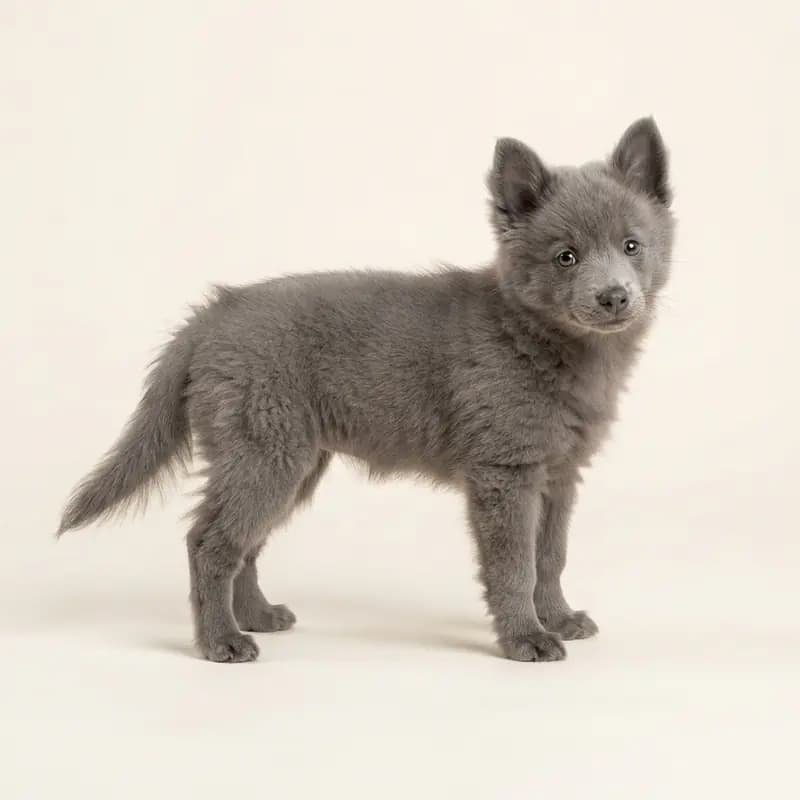
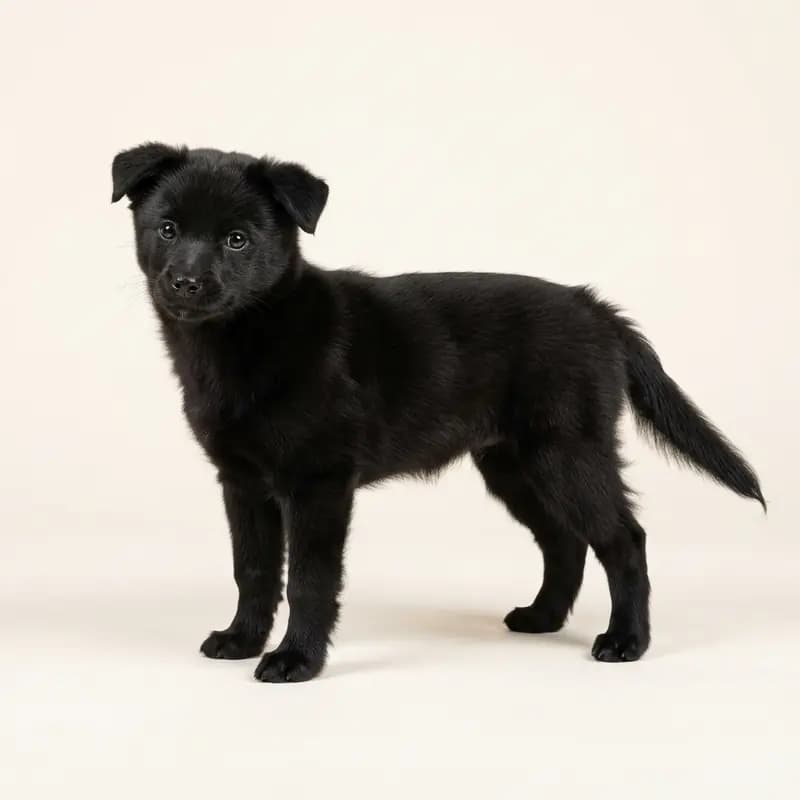
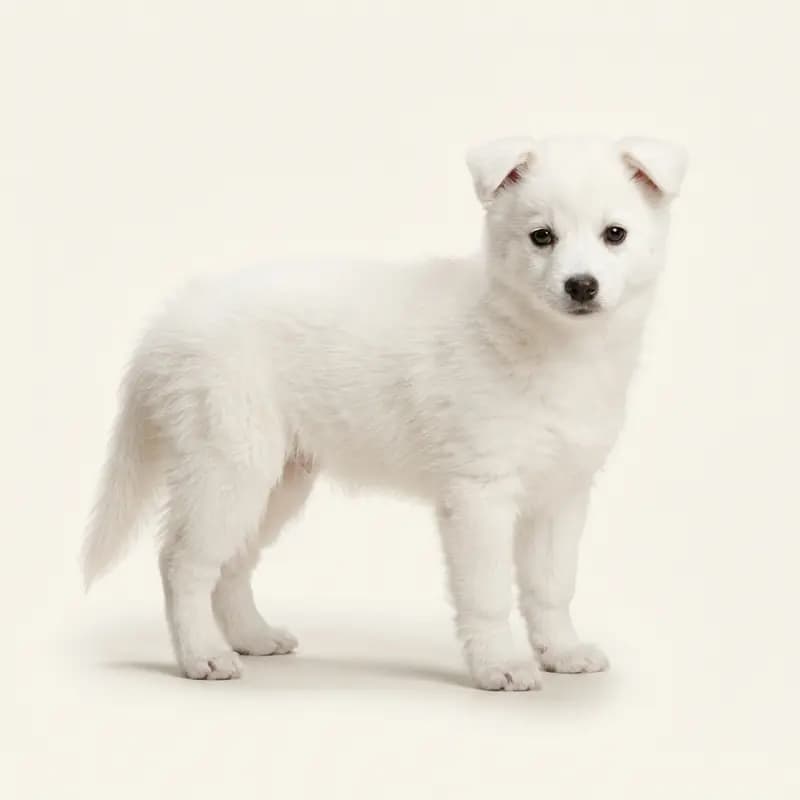
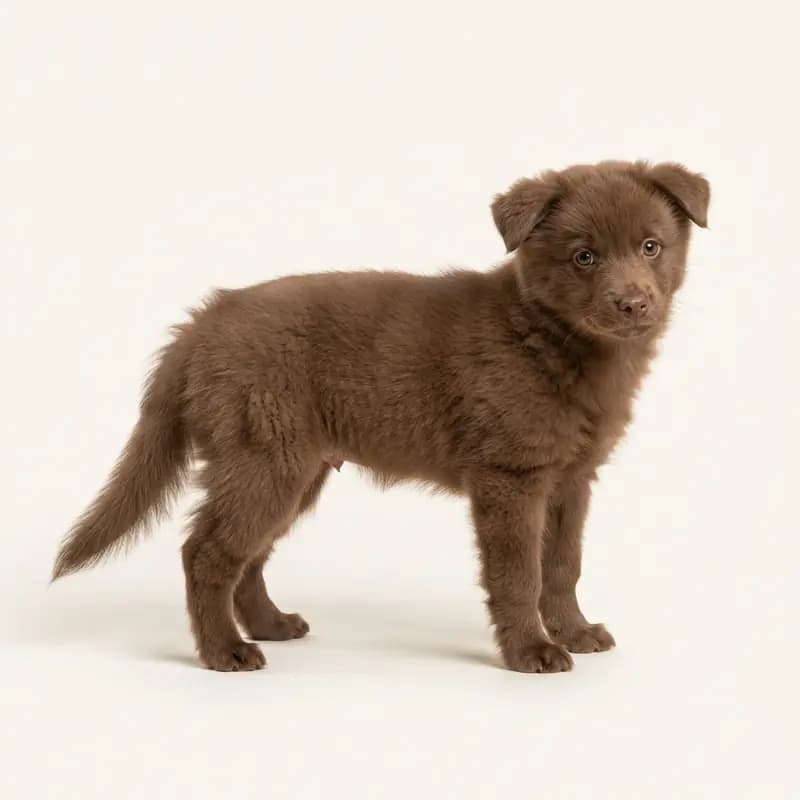
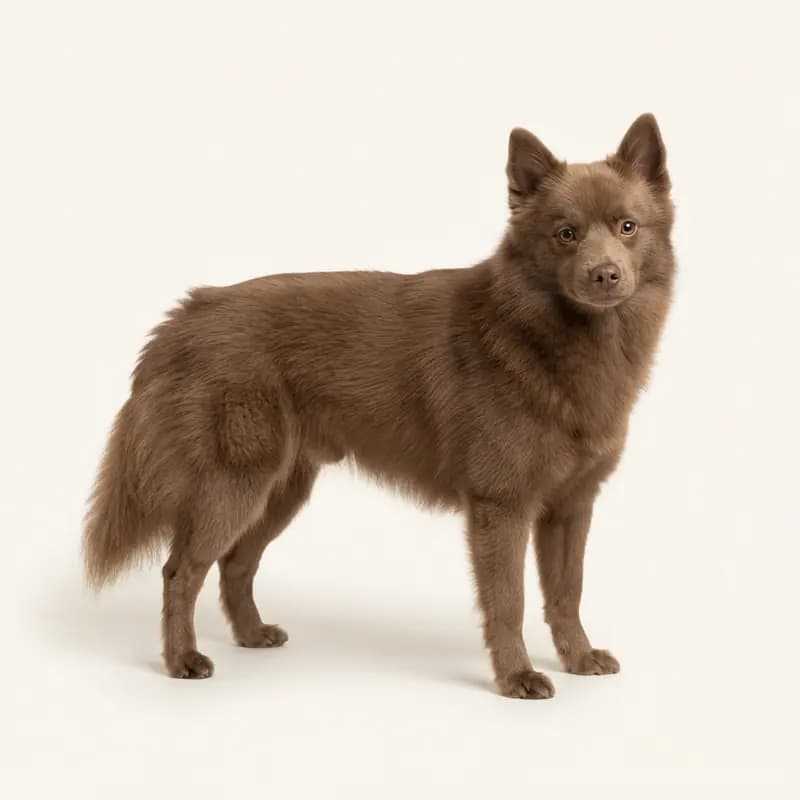
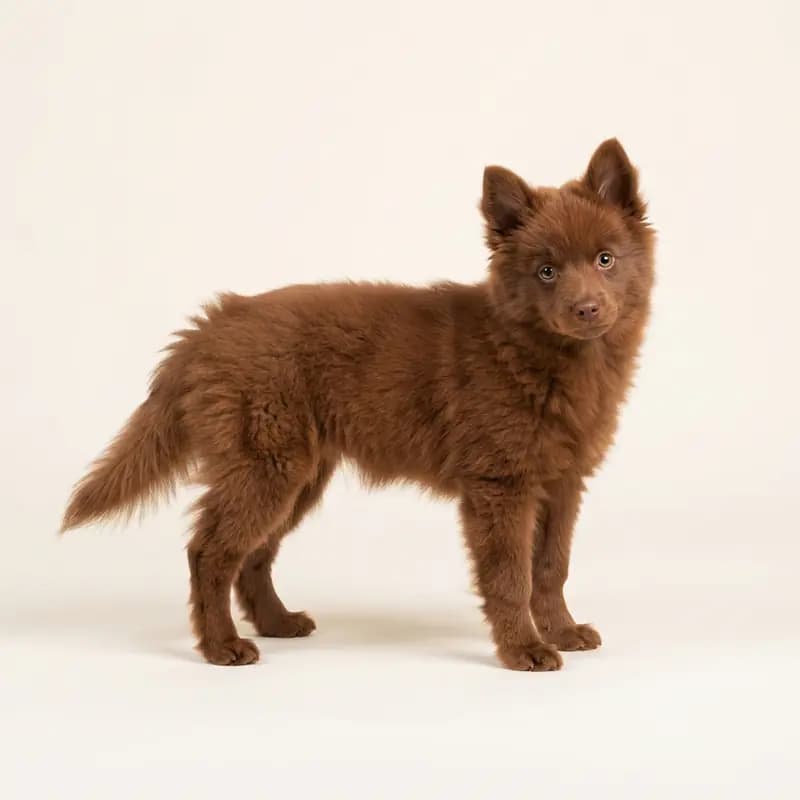
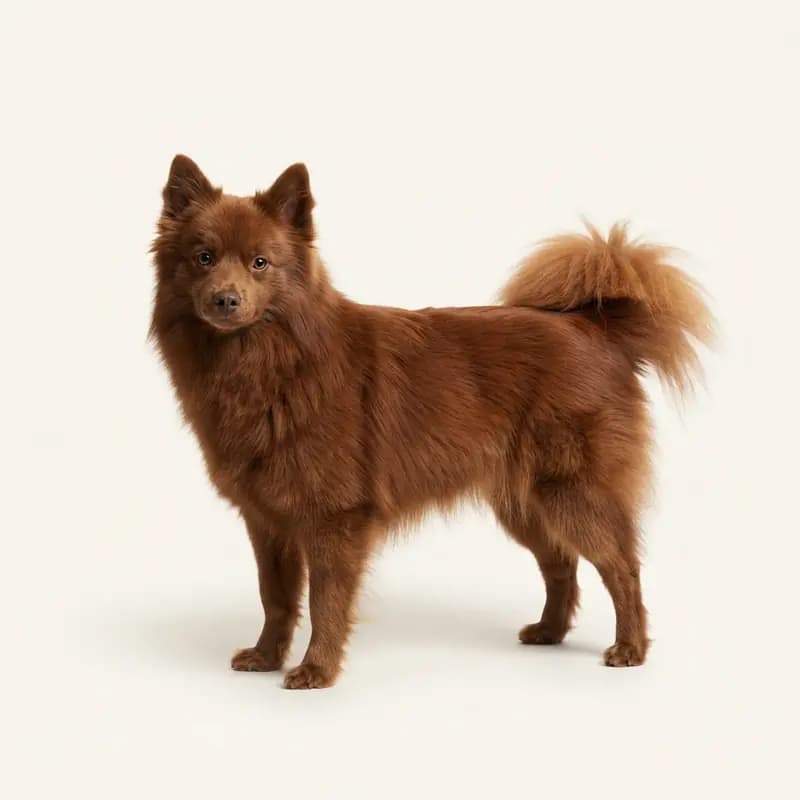
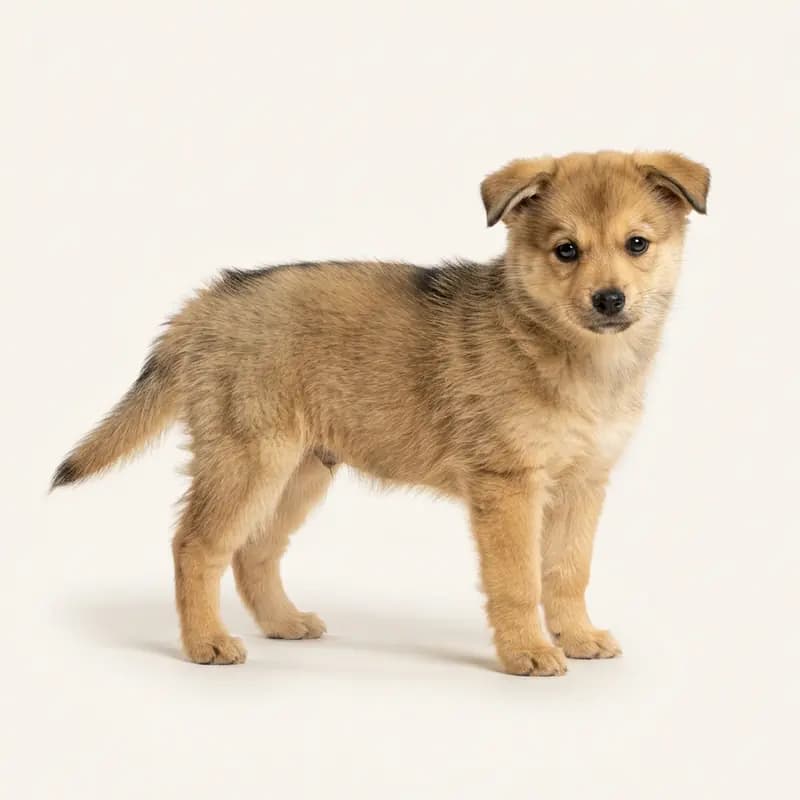
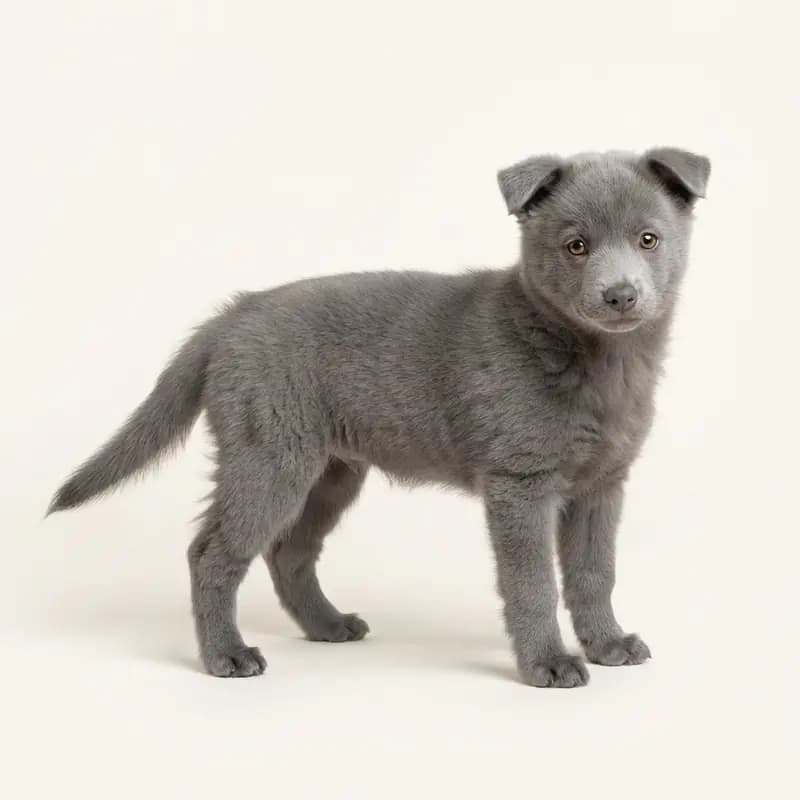
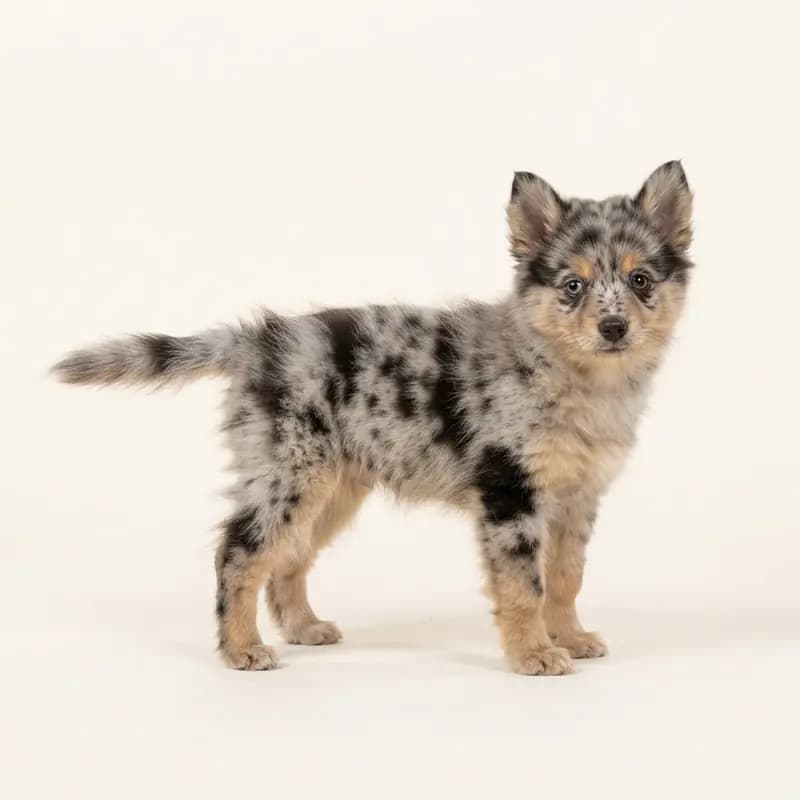
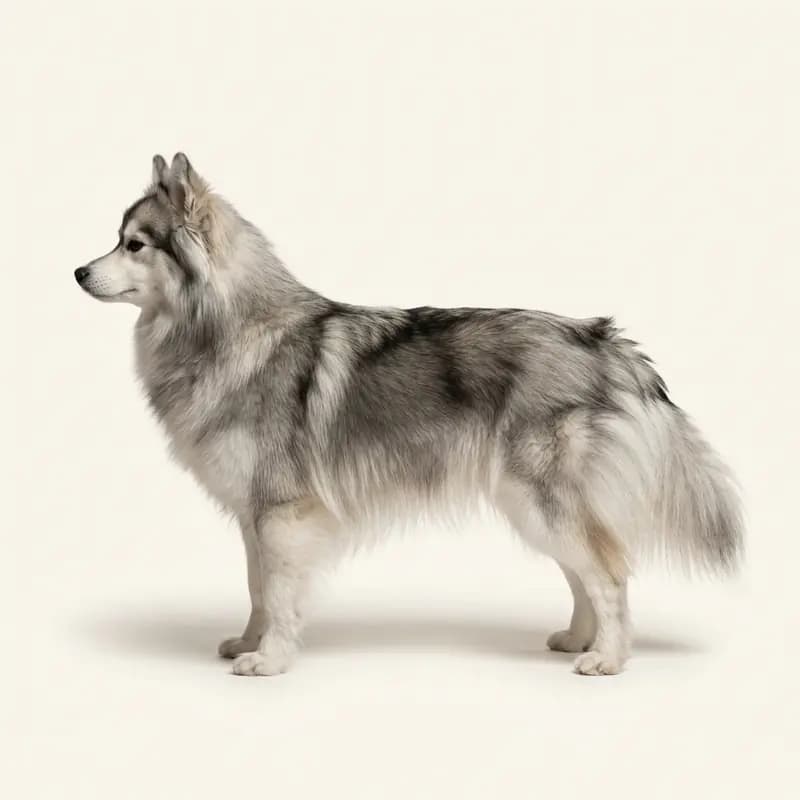
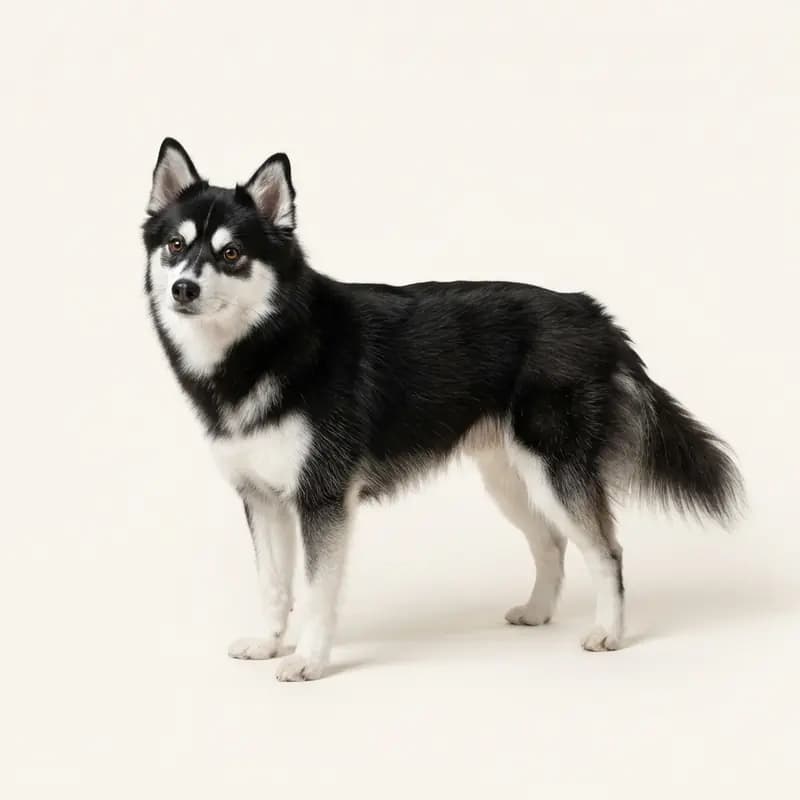
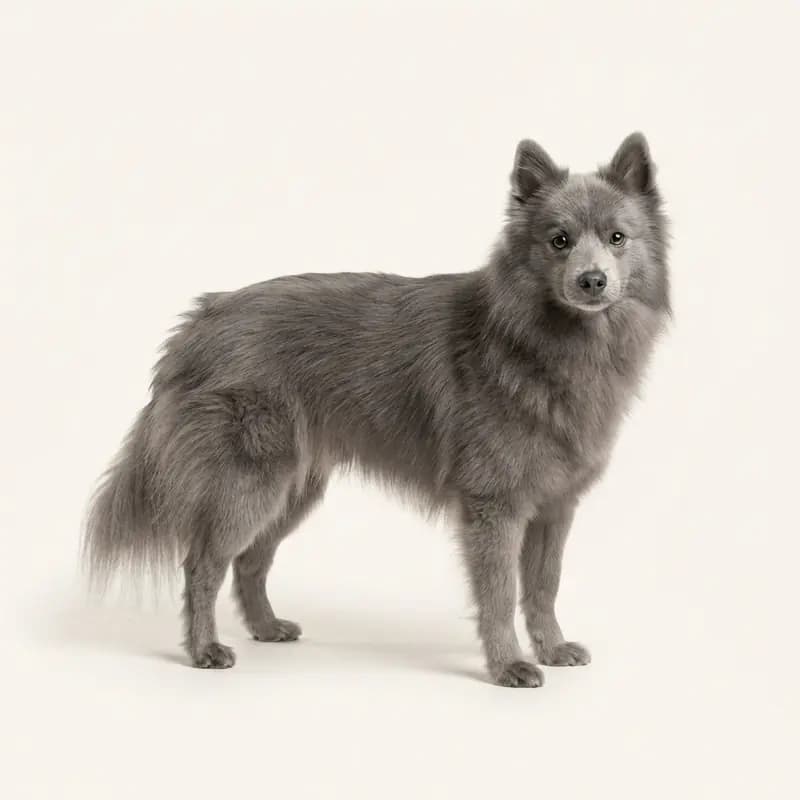
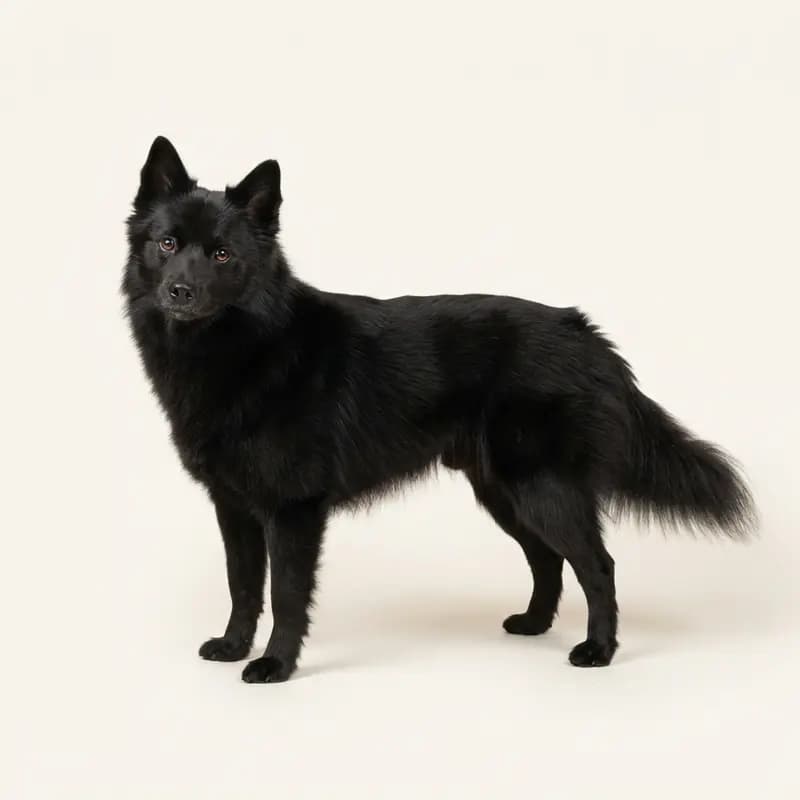
The Pomsky comes in these colors: Black and white, Grey, Black, White, Brown, Red, Sable, Wolf grey, Agouti, Cream, Blue, Merle.
Showcase your kennel on HonestDog and reach families searching for a responsibly bred Pomsky.