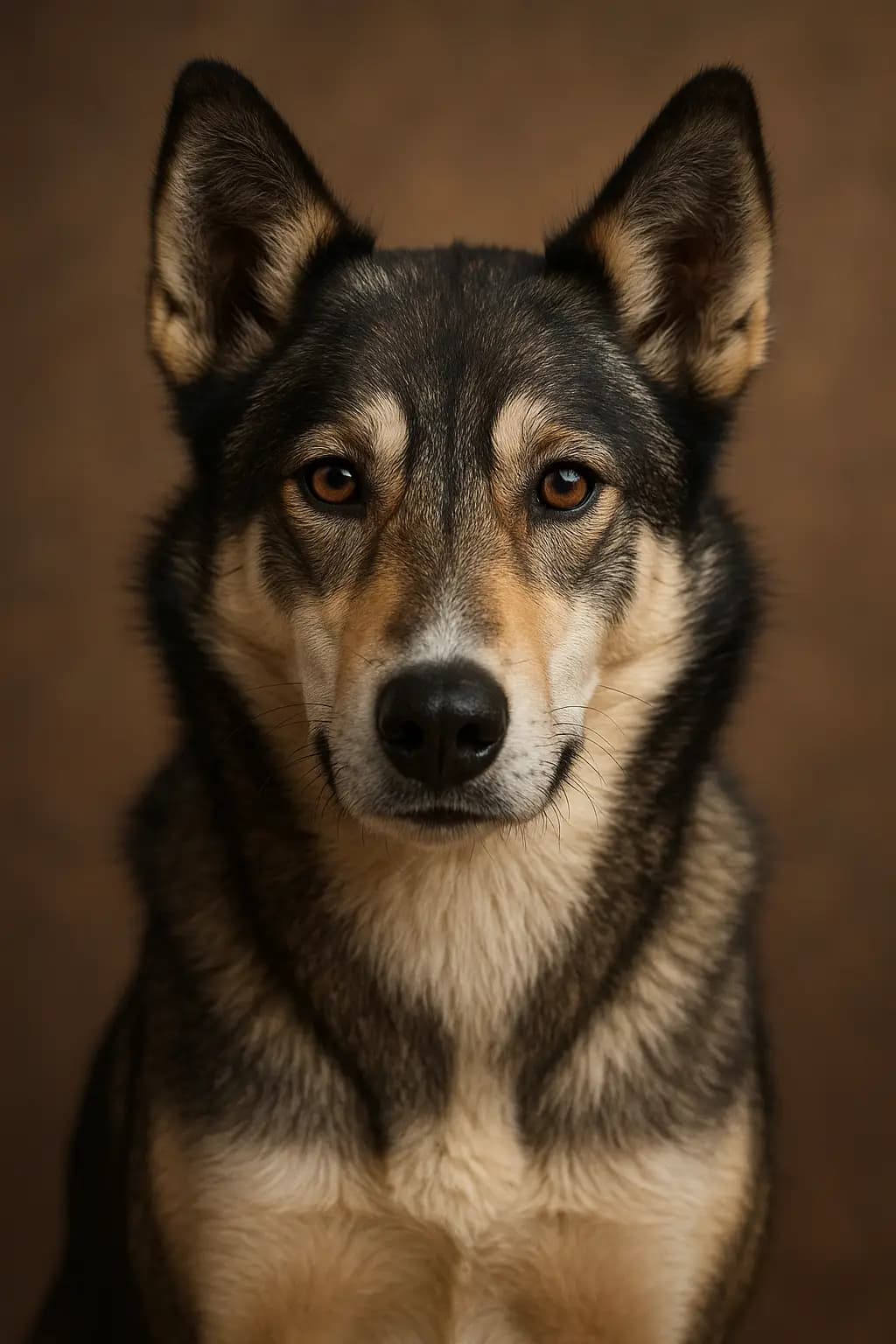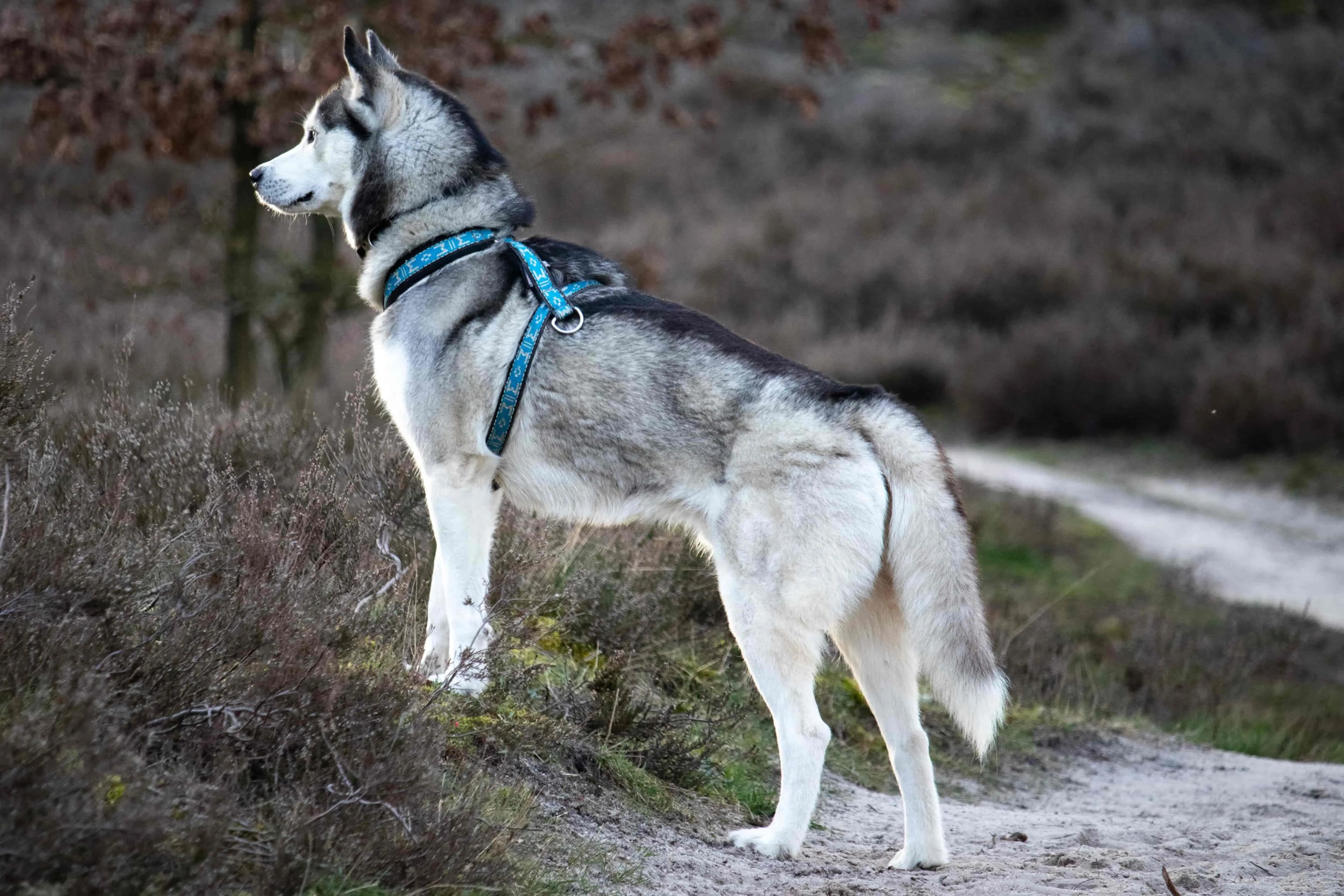
Siberian HuskyClose relative
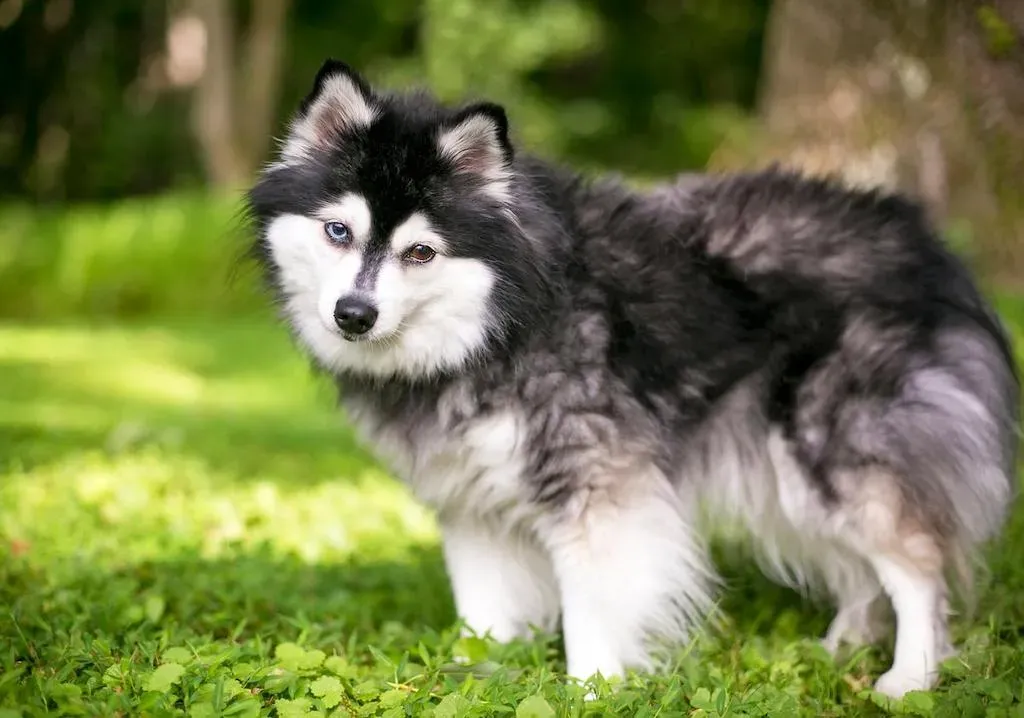
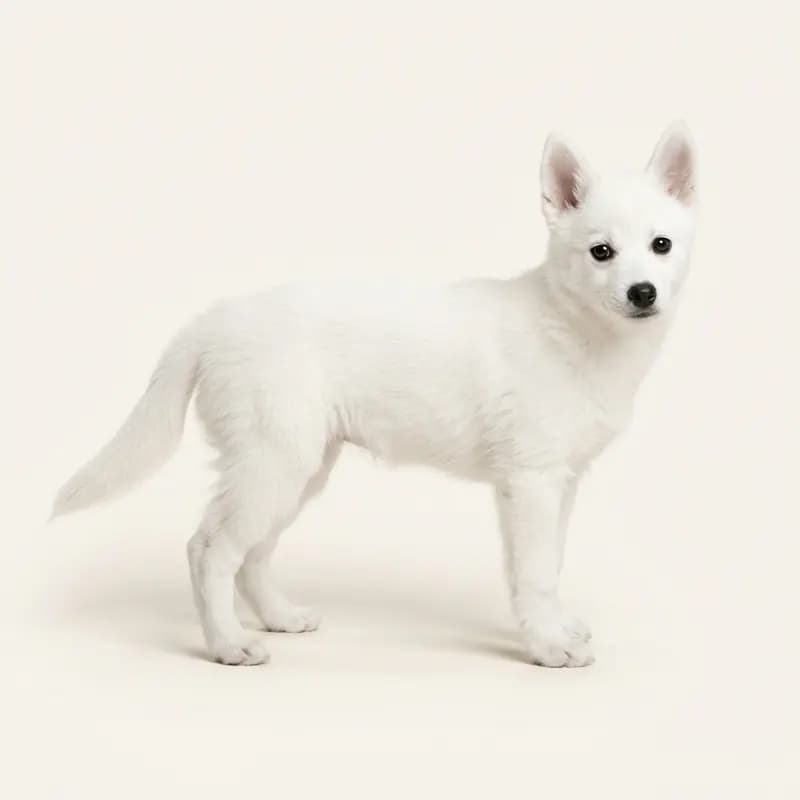
The Alaskan Klee Kai is a highly intelligent, reactive Nordic Spitz in miniature format—bred to shrink the look of a sled dog down to companion size. However, inside, it packs the full, unfiltered Nordic operating system.
Self-check
Answer 6 quick questions about your everyday life and see how well the Alaskan Klee Kai fits you — including an honest cost estimate per month, per year, and across the dog's lifetime.

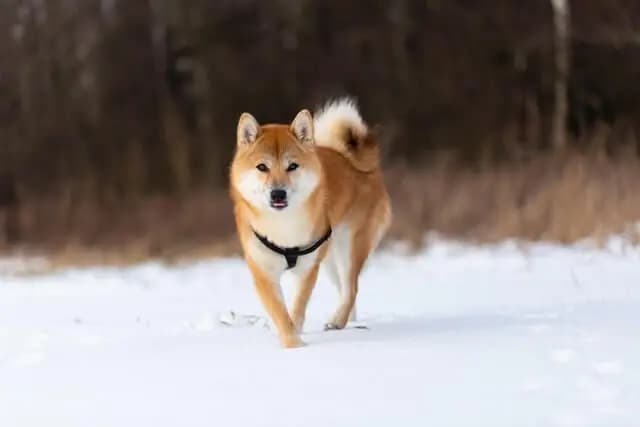
At a glance
The essentials — key facts, traits, and health priorities — before you dive deeper.
Lifespan
12–16 yrs
Shoulder height
33–43 cm
Weight
5–9 kg
Practical
Temperament
Daily life
What matters most
Especially with a Alaskan Klee Kai, choosing the right breeder is the single most important decision you'll make. Serious breeders consistently test the parents for inherited conditions, prioritize healthy early socialization, and stay accountable long after handover. A cheap puppy without health screening tends to become the most expensive dog later on.
See HonestDog breeder standards →Colors & coat
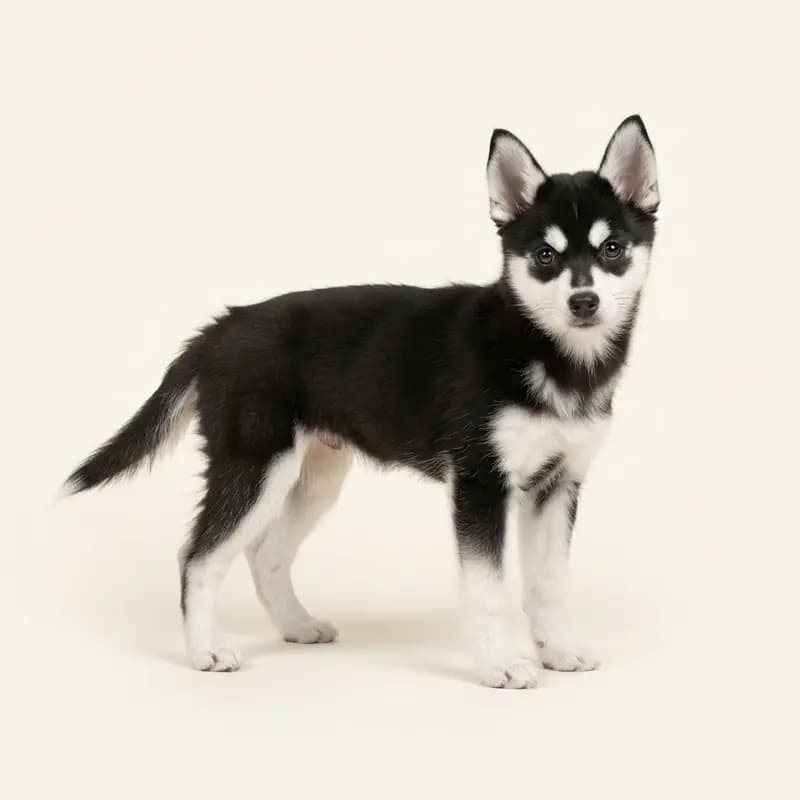
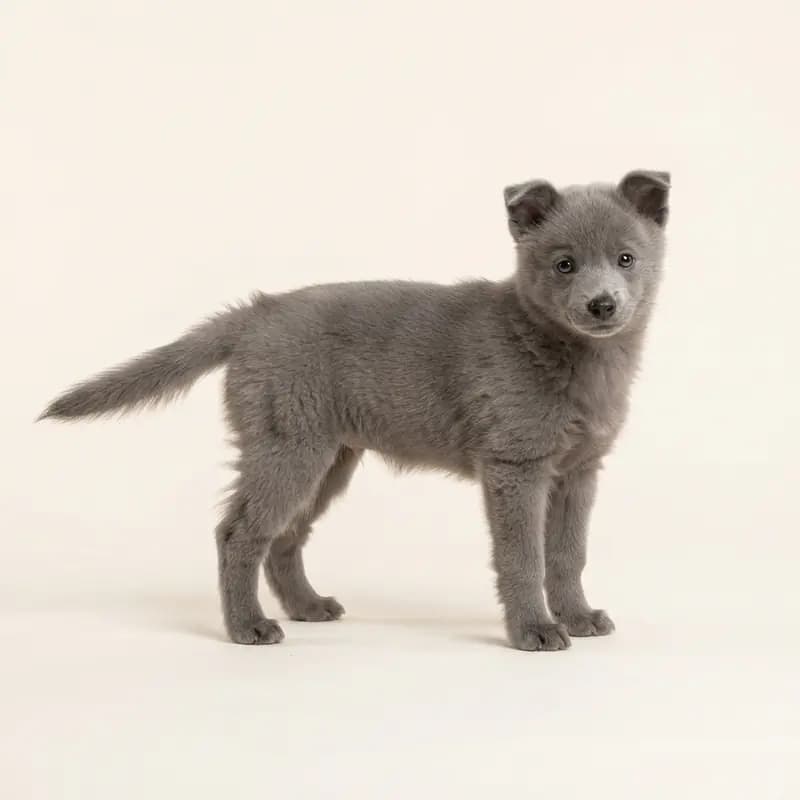
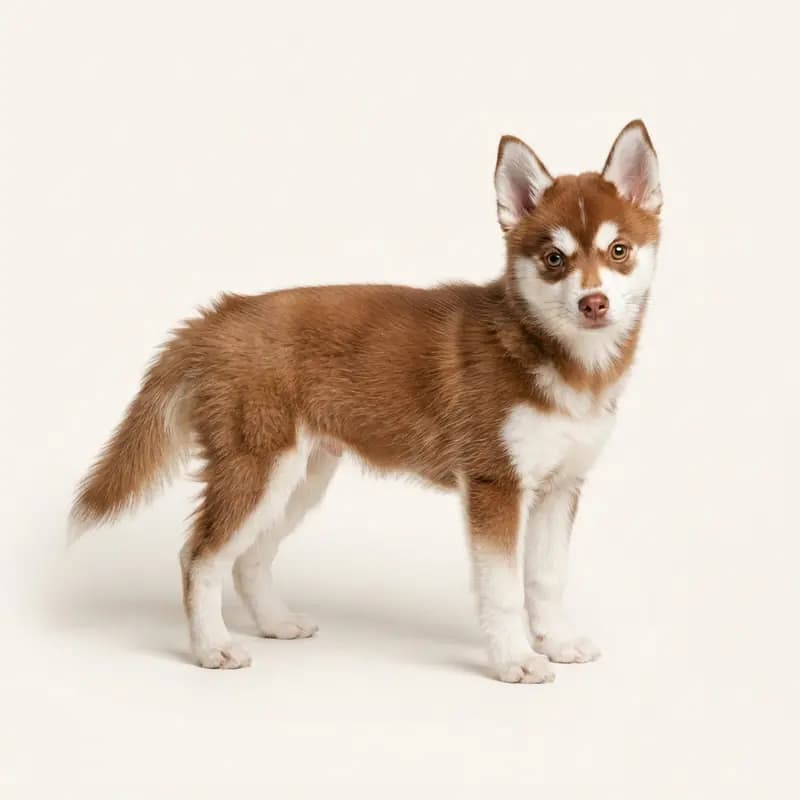
The coat colors that occur in the Alaskan Klee Kai — including which ones fall outside the breed standard and which carry genetic risk.
Eye colors
 Brown
 Amber
 Blue
 Green
 Odd-eyed
 Partial (split eye)
Coat type
 Medium
 Double coat
The real vibes check
An Alaskan Klee Kai is not a stuffed animal, but rather a Husky that was washed in hot water—all the stubbornness, volume, and urge to move are compressed into a tiny space. You aren't buying an uncomplicated lap dog, but a big, demanding spirit in a small body. If you take its Nordic soul seriously, you get a fascinating, extremely loyal companion.
The Alaskan Klee Kai is a small to medium sized dog breed that looks similar to the Siberian Husky, but in a more compact form. This breed was developed in Alaska in the late 1970s with the goal of breeding a friendly and loyal companion dog that offered the appearance of a husky in a smaller body size. They are known for their lively, intelligent and playful nature, as well as their strong bonds with their families. Their thick double coat, which comes in a variety of colors, and distinctive facial masks make them a visually striking breed. Despite their energy, they are known for their adaptability and can live in a variety of living situations as long as they receive adequate mental and physical stimulation.
The Alaskan Klee Kai is an intelligent and lively dog that impresses with its striking wolf-like appearance. Despite its compact size, it has a strong character and shows a pronounced curiosity as well as alertness. It is very people-oriented and forms a close bond with its family, responding particularly well to children and other pets when socialized early. The Alaskan Klee Kai has a strong need for exercise and requires both physical and mental activity to remain balanced. It learns quickly and enjoys varied training, such as scent work or agility. Due to its origin as a companion and watchdog, it is attentive and shows natural protective behavior without being aggressive. Its prey drive is moderately developed, which is why consistent training and early socialization are important to avoid unwanted hunting behavior. The Alaskan Klee Kai is not a dog for long periods alone, as it seeks closeness to its people and otherwise quickly becomes bored or restless. Overall, it is a loyal, watchful, and active companion that is well suited for families who can provide it with sufficient time and activity.
| Watchfulness Reports unusual activity but stays controlled. | Moderate |
| Openness to Strangers Careful around unfamiliar people — thaws slowly. | Cautious |
| Hunting or Herding Drive Powerful instinct that can override recall when triggered. | Strong |
Fun Fact!
The Alaskan Klee Kai can often be born with two different colored eyes - a fascinating phenomenon known as heterochromia, which gives each dog a unique and amazing appearance.
The Alaskan Klee Kai is a lively and intelligent dog that is very devoted to its owner. This breed is active and requires regular exercise as well as mental challenges. Despite its similarity to the Siberian Husky, the Alaskan Klee Kai is smaller and is well suited for families looking for a watchful yet friendly companion. Consistent training is important to properly manage its temperament.
Alaskan Klee Kai are lively and intelligent dogs that require a lot of exercise and mental stimulation. They are well suited for active people or families who have time for regular walks and outdoor playtime. Due to their size, they are also suitable for apartments but still need sufficient exercise. When dealing with children, Alaskan Klee Kai are usually friendly but should always be supervised around small children, as they can sometimes be somewhat reserved or shy. They get along well with other pets if socialized early. Overall, they are affectionate, alert, and curious, making them attentive companions.
Loves family life and thrives in a group.
Gets on well with children — with adult supervision.
Usually gets on fine with other dogs.
City-appropriate with enough exercise and stimulation.
Owning a dog is a privilege, but it's also a real responsibility. Before you bring one into your life, be honest with yourself about the commitment it takes.
Alaskan Klee Kai are intelligent and eager-to-learn dogs that like to be challenged but also respond sensitively to their environment. Their training should be varied and positive to keep their motivation high. Similar to Labradors and German Shepherds, it is important to start socialization early and set boundaries consistently but lovingly. Alaskan Klee Kai have a strong need for mental activity and benefit from dog sports like obedience or rally obedience. Due to their size and temperament, they are less suited for very intense physical work but ideal for demanding mental tasks and tricks. Frustration tolerance should also be encouraged, as they can become insecure quickly when overwhelmed. Training should always be reward-based to build a trusting bond. Patience and consistency are crucial because Alaskan Klee Kai can be stubborn if they do not feel sufficiently challenged. Overall, they are grateful for clear leadership and regular, varied activities that engage both body and mind. This way, they develop into balanced and happy companions.
The Alaskan Klee Kai is an active and intelligent dog that requires a balanced diet to stay healthy and fit. High-quality food with a good amount of proteins and nutrients is important to support its energy. Be careful to avoid overfeeding, as this breed can be prone to overweight. The coat of the Alaskan Klee Kai is dense with a soft undercoat that protects it from the cold. Regular brushing, at least 2-3 times a week, helps keep the coat clean and healthy and reduces shedding, especially during the shedding seasons in spring and autumn. Despite its protective coat, sufficient shade and water should be provided in high temperatures to prevent overheating. The Alaskan Klee Kai feels comfortable in moderate climates and needs enough exercise and mental stimulation to stay balanced.
| Care Level Regular brushing and occasional professional grooming. | Moderate |
| Exercise Needs Needs 1–2 hours of real exercise daily. | Active |
| Shedding Regular shedding — dog hair on clothes is now normal. | Moderate |
| Trainability Willing to learn with clear rules and regular training. | Balanced |
Our experts are still reviewing this information. Spotted something wrong? Email us at info@honestdog.de.
Solid
Health grade
In the Alaskan Klee Kai, typical health risks primarily include cataracts, patellar luxation (PL), and hypothyroidism. A responsible breeder therefore has their breeding dogs specifically screened for these conditions prior to breeding and additionally uses genetic testing to prevent Factor VII deficiency (F7). Before purchasing, ask to see veterinary certificates confirming a rating of clear for cataracts, a result of PL 0, and normal values for hypothyroidism and heart disease. In testing for Factor VII deficiency (F7), a parent may only be a carrier if the breeding partner is verifiably clear.
Grade is relative to other breeds — AI-assisted and editorially reviewed.
Methodology and data: HonestDog Dog Breed Health Report 2026
What matters most for this breed
Tap any item to see details.
With consistent preventative care, joint-friendly exercise, and regular thyroid and eye check-ups, most dogs remain active and healthy for a long time.
Reputable breeders have the knees, eyes, thyroid, blood clotting, and hearts of the parent animals tested and pay special attention to healthy lines due to the small gene pool.
Note: This health overview is AI-assisted and editorially reviewed. It is for orientation only and does not replace veterinary advice.
What matters most for this breed — what's common, how much it affects the dog's life, and how to protect yourself as a buyer.
Tap a body region to see the inherited conditions linked to it.
The three most important risks
Pick a region on the map to explore other areas.
Tier 1 is the recommended health standard for this breed. Tiers 2 and 3 show how responsible breeders go beyond.
Recommended standard. These tests make up the recommended health standard for this breed — the baseline of any careful breeding program. Ask any reputable breeder for the results.
No entries in this tier.
Note: This health overview is AI-assisted and editorially reviewed. It is for orientation only and does not replace veterinary advice.
A Alaskan Klee Kai costs around ~€160 per month (€90 – €300, depending on your setup). The first year adds up to roughly ~€5,550 including purchase, equipment and puppy school; across the dog's life (14 years) it comes to about ~€31,130.
With surgery cover, running costs come to about ~€150 per month — in return, your share of a major operation drops from several thousand euros to around 20 percent.
Per month
~€160
In the first year
~€5,550
Across the dog's life
~€31,130
Estimated purchase price from a breeder: €2,000 – €3,500
Estimate at a mid-range setup (suburban, dry food, 1–2 hours of daily exercise), average German prices, as of July 2026.

 Illustrative image
 Illustrative image
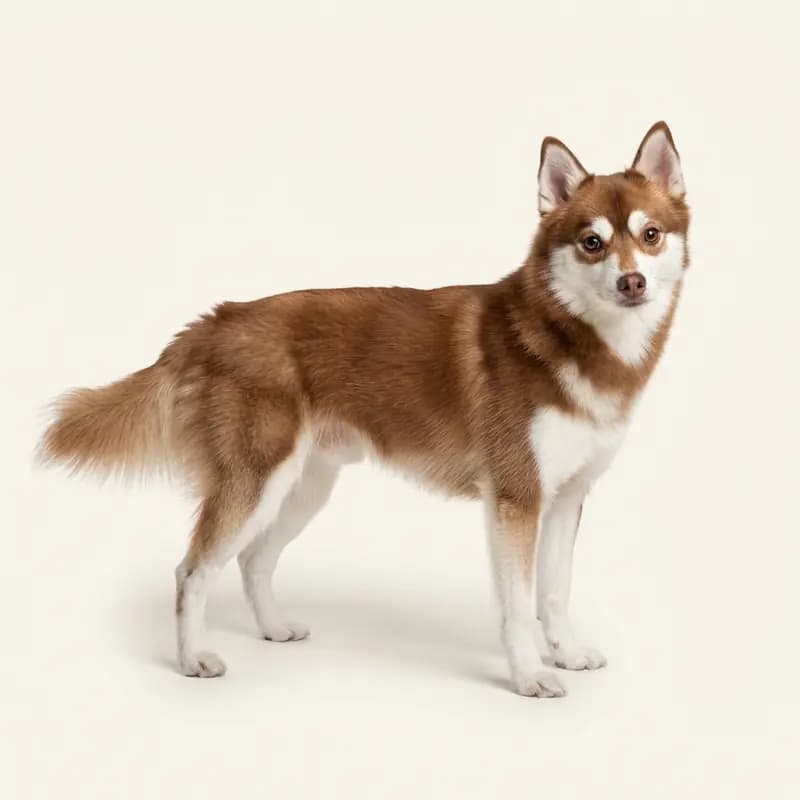 Illustrative image
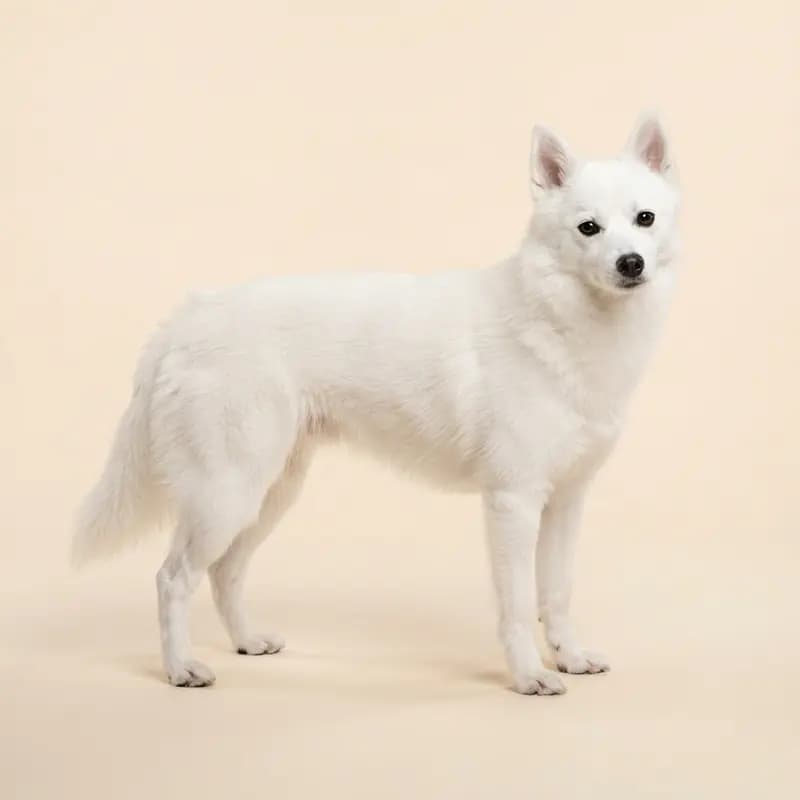 Illustrative image
The history of the Alaskan Klee Kai begins in the 1970s in the USA. Breeder Linda Spurlin wanted a smaller dog that resembled the appearance and temperament of the Alaskan Malamute but was better suited for apartment living. Through targeted crossbreeding with various Nordic dog breeds, the Alaskan Klee Kai was created, combining the characteristics of a Husky in a compact form. The breed was officially recognized in the 1990s and has since been popular as an active and intelligent companion dog.
The Alaskan Klee Kai originated as a companion dog with the appearance of a husky. He was specifically bred to be a small, family-friendly dog.
USA
1970
In daily life, owners describe the Alaskan Klee Kai as a very loyal but also demanding family member. At home these dogs often bond very closely with their people, ask for attention and keep a watchful eye on everything going on in the household. Despite their cute, husky-like looks, they are anything but quiet lap dogs: owners report a very high energy level and stress that these dogs need mental and physical exercise every day.
A recurring everyday challenge is the breed's strong wariness and shyness around strangers. Many owners point out that these dogs really don't like being touched carelessly by strangers, let alone patted from above. Without forward-looking management and a deliberate safe space in daily life, some may get defensive or snap. Being left alone is also often hard for the breed, since these dogs are very sensitive to separation and, when bored or left on their own, tend toward loud vocalizing and destructiveness.
Owner and trainer accounts of training consistently highlight the breed's quick mind, but also its stubbornness and independence. These dogs learn new tricks and tasks remarkably fast, yet they regularly question commands when there's no clear point or motivation. In activities like agility or scent work they often show real eagerness to learn and work enthusiastically, as long as the bond of trust with their person is solid.
At the same time, owners point to the sometimes considerable prey drive inherited from ancestors such as the Husky and the Schipperke. Many Klee Kais react instantly and impulsively to the slightest movement, to birds or to running wildlife. Quite a few owners report that reliable off-leash time in the woods or in areas with lots of wildlife is very difficult or impossible, so the long line often remains a constant companion. Very early, gentle exposure to new surroundings and people is also described as essential, since these dogs are naturally prone to fearfulness.
Sources:reddit.comfloxik.deforum.champdogs.co.ukfressnapf.de
In owner accounts and breed profiles, the Alaskan Klee Kai is generally described as a comparatively robust breed, provided the breeding dogs have been screened for typical hereditary diseases. Recurring vet issues that owners mention include sensitive skin, digestive sensitivities, and hereditary eye problems or patellar luxation. Weight also needs watching, since the breed can put on fat with unbalanced feeding despite being active.
Vocalizing and grooming are much-discussed topics among owners. Many Klee Kais rarely bark in the "classic" sense; instead they express their mood with howls, whines or very high-pitched screams. As for the dense double coat, owners warn about the sheer amount of undercoat: during the seasonal coat change these dogs shed heavily, which makes brushing out several times a week essential.
Sources:vierbeinerwelten.dereddit.comdogorama.appzooplus.chpeqaboo.com
Paraphrased from real owner reports · translated from German
The Alaskan Klee Kai is an adaptable dog that adjusts well to various lifestyles. Research the temperament, grooming needs, and space requirements before deciding.
The average life expectancy of a Alaskan Klee Kai is 12-16 years. With proper care and regular vet visits, your dog can live a long, healthy life.
Alaskan Klee Kai grooming requirements include regular brushing, nail trimming, and dental care. HonestDog provides detailed grooming tips for every breed.
The Alaskan Klee Kai can be a great family dog. Proper training and socialization are key. HonestDog provides family suitability information for every breed.
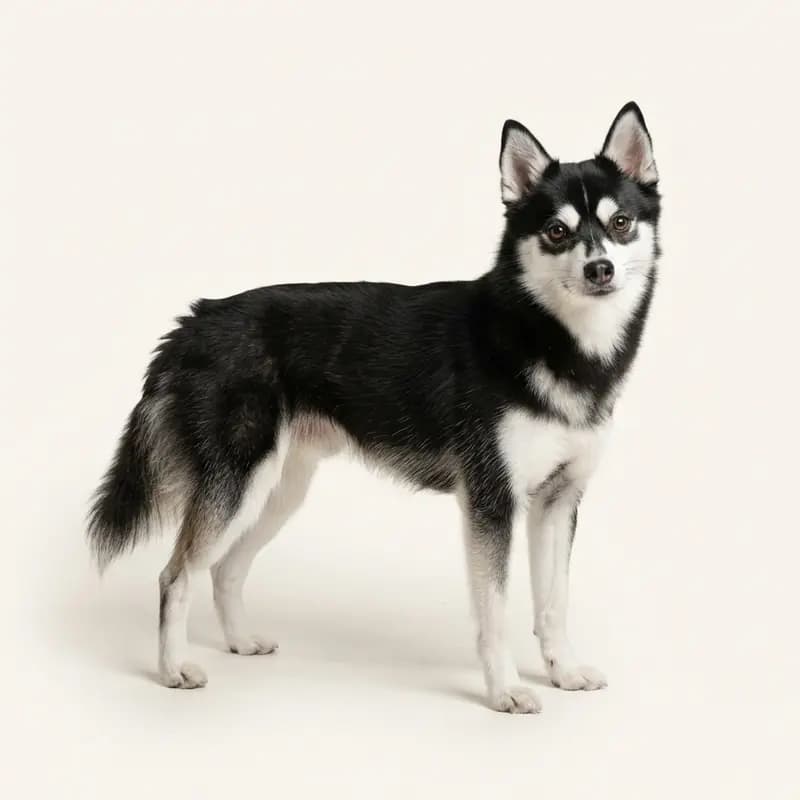
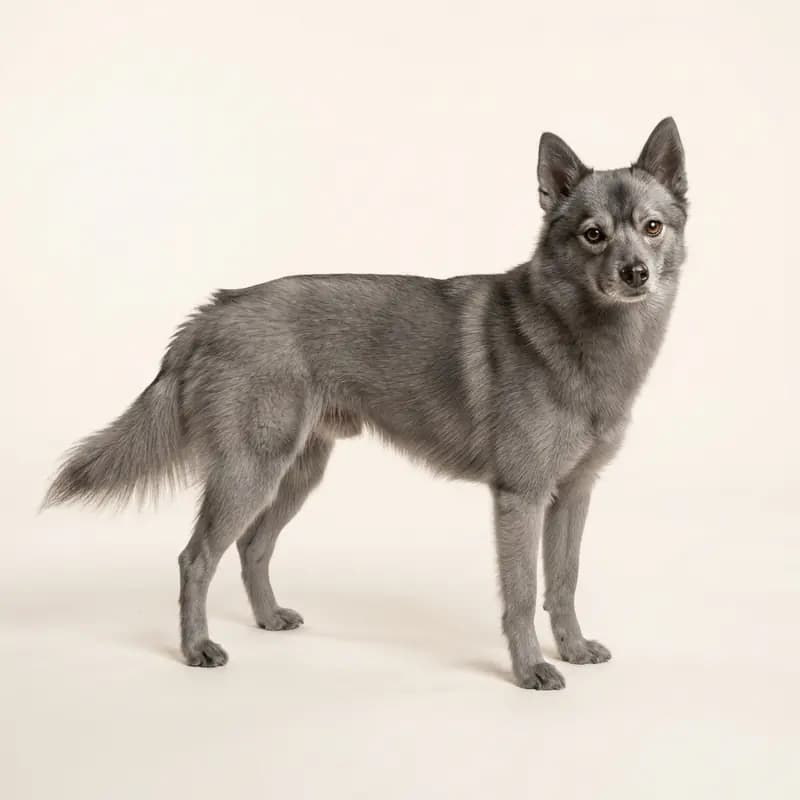
The Alaskan Klee Kai comes in these colors: Black and white, Grey, Red and white, White. Colors that fall outside the breed standard are marked as such on the breed page.
Showcase your kennel on HonestDog and reach families searching for a responsibly bred Alaskan Klee Kai.