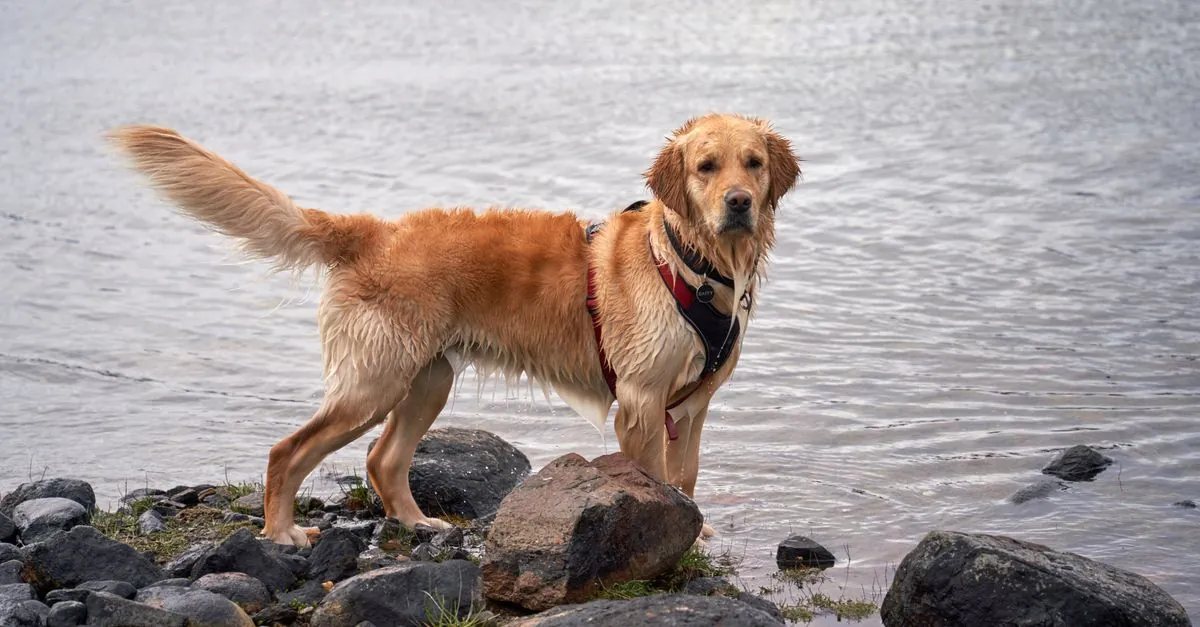
During warm summer months, an invisible danger surfaces across many lakes, ponds, and slow-moving rivers: cyanobacteria in swimming lakes, commonly known as blue-green algae. Prolonged heatwaves and intense sunlight cause water temperatures in standing water to soar, creating ideal conditions for these micro-organisms to multiply at an explosive rate. While exposure often causes mild skin irritation in humans, it can quickly turn fatal for dogs without immediate intervention.
Enthusiastic swimmers—especially water-loving retrieving breeds from Labrador Retrievers to Spaniels—face the highest risk. Learning to spot the warning signs in the water and recognizing the symptoms of poisoning can save your dog's life.
What Are Cyanobacteria and Why Are They So Dangerous?
Despite their common name, blue-green algae aren't true algae or plants. Biologically speaking, they're bacteria capable of photosynthesis. When specific environmental factors align—high nutrient levels from phosphorus and nitrogen, calm water, and temperatures above 20 to 25 degrees Celsius—they trigger a massive "algal bloom."
Certain strains of cyanobacteria produce potent toxins that rank among the most powerful natural poisons on Earth:
- Anatoxins: Fast-acting nerve poisons (neurotoxins) that block neuromuscular transmission, leading to severe tremors, seizures, and respiratory paralysis within minutes.
- Microcystins and Nodularins: Aggressive liver toxins (hepatotoxins) that cause irreversible damage to liver cells and acute liver failure.
- Dermatotoxins: Irritants that inflame mucous membranes and cause painful skin reactions upon direct contact.
Because dogs gulp large quantities of lake water while swimming, lick their wet coats after retrieving near the shoreline, or nibble dried algal crusts along the beach, they ingest these toxins directly. For a dog, a single swallow of contaminated water or thoroughly grooming damp paws after a walk can deliver a toxic dose.
Spotting High-Risk Waters: What a Contaminated Lake Looks Like
Not every bloom is toxic, but you can't reliably distinguish dangerous cyanobacteria from harmless green algae with the naked eye. The safest rule: if a body of water looks or smells suspicious, keep your dog firmly on a lead.
Key Visual Warning Signs:
- Water discoloration: Unusual cloudiness resembling thick pea soup, or a distinct blue-green, bright turquoise, or reddish-brown tint across the surface.
- Scum and foam: Oily streaks, frothy foam lines, or floating mats of algae drifting into sheltered bays, reed beds, and downwind shores.
- Shoreline deposits: Bluish-black, dark green, or slimy crusts clinging to rocks, wooden docks, and shoreline sand.
- Odor: A distinct musty, swampy, or rotting smell rising from the water.
The Knee-Depth Rule: Environmental protection agencies recommend a simple rule of thumb: step knee-deep into the water. If you can't clearly see your own feet through the murk, water clarity is dangerously low—keep your dog out entirely!
Symptoms of Blue-Green Algae Poisoning: Every Minute Counts
Depending on the strain and the amount of toxin ingested, symptoms can appear within minutes or take a few hours to develop.
Progression and Key Warning Signs:
- Early phase: Heavy panting, excessive drooling, sudden vomiting, watery or bloody diarrhea, and visible restlessness.
- Intermediate stage: Staggering gait, muscle weakness, severe tremors, disorientation, and pale or jaundiced (yellowish) gums.
- Acute emergency: Violent seizures, collapse, inability to stand, and severe respiratory distress.
There is no known universal antidote for cyanotoxins in veterinary medicine. Clinical treatment focuses on aggressive emergency decontamination, intravenous fluids to stabilize blood pressure, and protective measures to support liver and kidney function.
First Aid Steps: What to Do Immediately
If you suspect your dog has had contact with or ingested cyanobacteria, act swiftly and methodically:
- Remove your dog from the water: Pull your dog away immediately and prevent any grooming. If necessary, place a towel, loop lead, or jacket around their muzzle to stop them from licking their fur.
- Rinse the coat thoroughly: Wash your dog's fur and paws with clean, safe drinking water right away. Wear gloves if possible to prevent skin irritation.
- Activated charcoal: If your dog is fully conscious, alert, and able to swallow, administering medical activated charcoal can help bind toxins in the stomach. The standard dosage is roughly 1 to 3 grams of charcoal powder per kilogram of body weight.
- Call the emergency vet and head out: Call the nearest veterinary clinic or animal hospital while en route so their intensive care team can prepare for immediate decontamination and supportive therapy.
Safer Summer Alternatives for Water-Loving Dogs
Before heading out, check local environmental health advisories and swimming water monitoring maps. Keep in mind that small neighborhood ponds, drainage basins, and ornamental park waters are rarely tested on a regular schedule. Keep your dog away from these stagnant spots, and always pack a dog travel bottle filled with fresh tap water for walks.
Looking for a safe way to cool off? Fast-flowing forest streams, clean mountain brooks, or a sturdy splash pool in your own garden provide all the summer fun without the toxic risks of late-summer lakes.
At HonestDog, we're passionate about evidence-based dog care, responsible breeding, and canine welfare. Our platform connects you with vetted breeders and practical health guides. Explore our breed directory on HonestDog to discover the specific needs, temperament, and health traits of your favorite breeds.
Frequently Asked Questions (FAQ)
How quickly can blue-green algae poisoning kill a dog?
With high exposure to neurotoxic cyanobacteria like Anatoxin-A, severe muscle tremors and fatal respiratory failure can occur within 15 to 60 minutes after contact. Immediate veterinary emergency care is essential for survival.
Is it safe if my dog only wades in the lake without drinking?
No, wading carries serious risks. Cyanobacteria cling to your dog's paws, legs, and belly. As soon as your dog licks their coat on the ride home, they ingest the concentrated toxins. Direct exposure can also cause painful skin and eye irritation.
Does boiling contaminated lake water make it safe?
No. While boiling kills the bacterial cells, the toxins (especially microcystins) are heat-stable and remain fully active in the water. Contaminated water should never be boiled for drinking, cooking, or giving to pets.