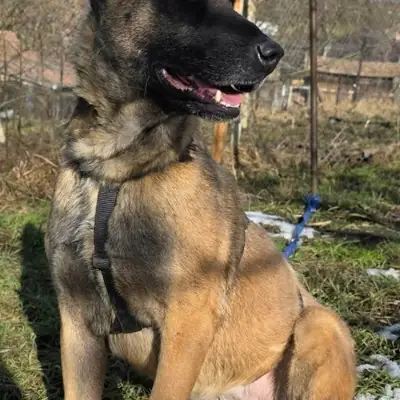
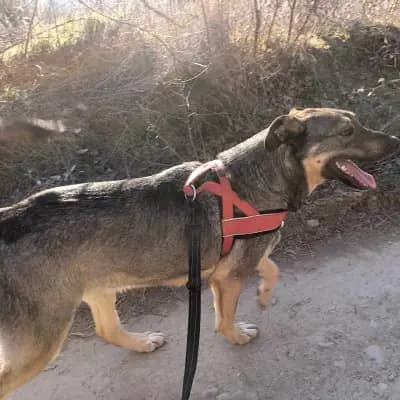
If you want to adopt an American Akita, you will meet a dog that watches its people closely. It is not pushy, but it forms an extremely deep bond once you have won its trust. Expect a dog with a past to be reserved at first and to need clear, calm structure so that its protective instinct can be channelled in an orderly way.
Looking at health is also part of good preparation. When well bred, American Akitas are considered robust overall and have a life expectancy of 10 to 15 years. However, because of their size and genetics, they come with breed-typical issues affecting the joints and eyes, as well as autoimmune diseases. A health-focused breeder has the parents’ hips, elbows and eyes examined clinically or by X-ray, and knows about the autoimmune issues in their lines, in order to reduce the risk for the offspring. In the Akita Club e.V., for example, screening for hip dysplasia and eye abnormalities is mandatory; a DNA test for amelogenesis imperfecta (enamel hypoplasia) is part of the breed’s recommended health standard. In addition, primary hypothyroidism is one of the breed-typical risks.
With a dog in a shelter, the exact origin is often unknown – if it comes from disreputable backyard breeders, these screening tests on the parents are usually missing. So pay particular attention to a fluid gait, joint-friendly exercise and early changes in the skin, coat or eyes, so that any problems are spotted quickly and followed up by a vet.