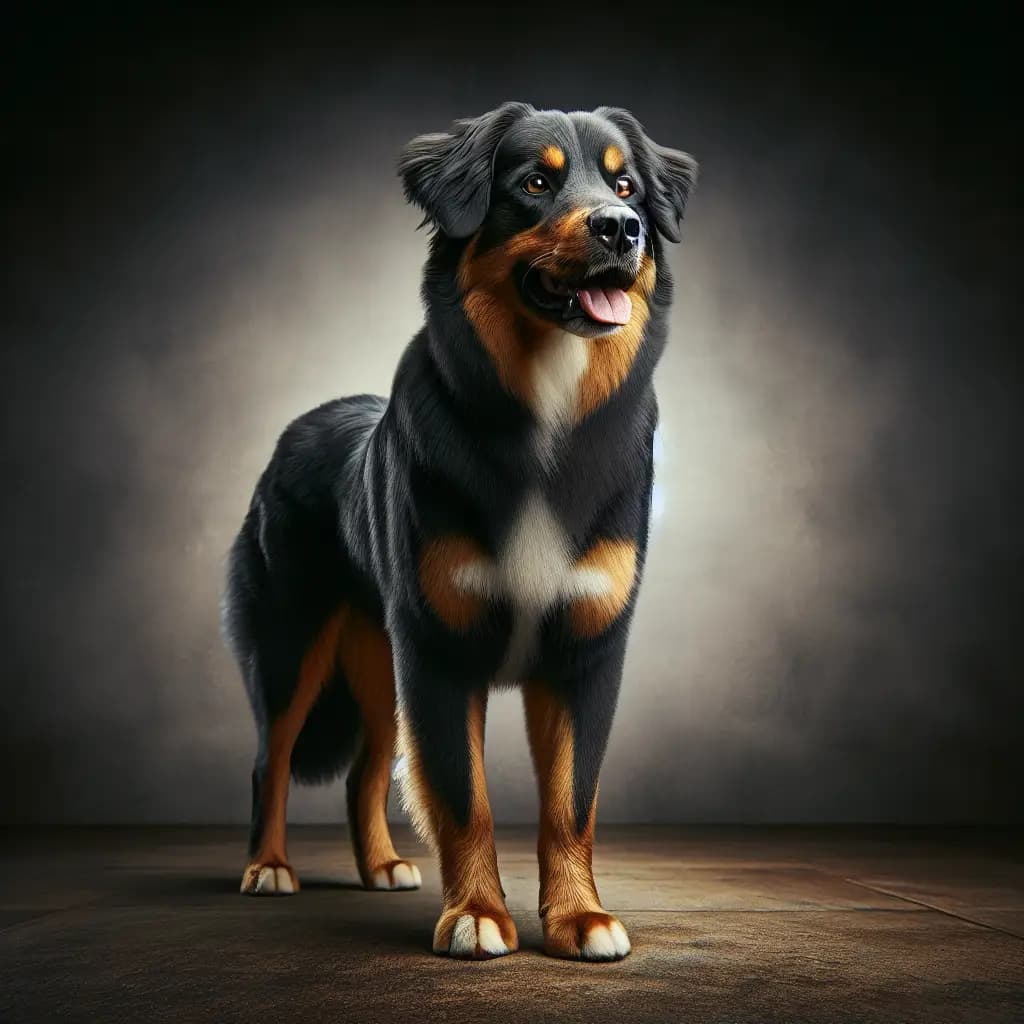
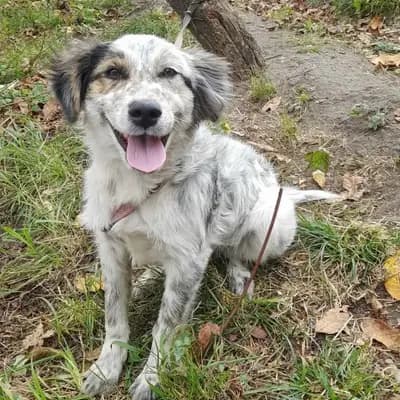
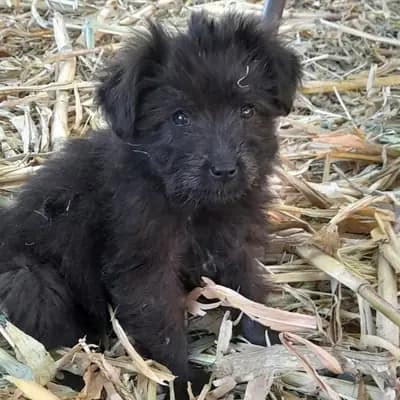
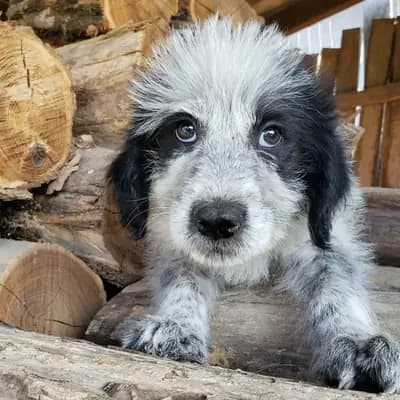
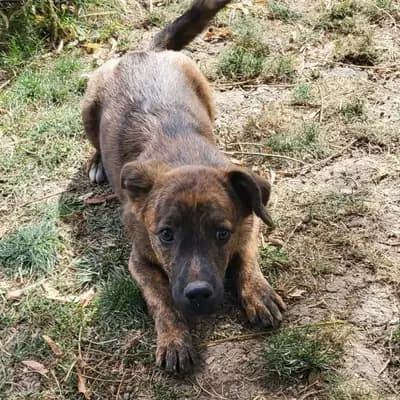
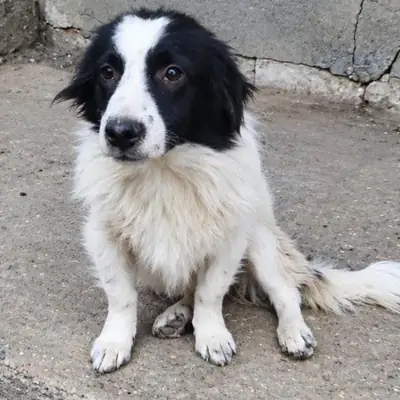
If you are specifically looking for an Aussiedor in a shelter, you will mostly come across young or adult dogs whose character is already easy to assess. At heart, they are people-oriented, playful and good with other dogs. Depending on their history, however, some dogs bring insecurities, lead reactivity or separation stress with them. Plan for regular training and clear structure during the first few months.
Keeping an eye on health concerns
Aussiedors from good stock are considered robust dogs overall, with a life expectancy of 10 to 13 years. Because of their two parent breeds, however, they can be affected by occasional issues with the joints and eyes, as well as possible drug sensitivity. A health-focused breeder has the parents' hips, elbows and eyes checked clinically and by X-ray, pays attention to safe colour pairings (particularly with merle genetics, to avoid eye and hearing damage) and to genetic testing for drug tolerance in order to reduce these risks. In rescue, by contrast, the genetic background is often unknown.
Breed-typical health issues include hip dysplasia (HD), eye conditions such as cataracts and generalised progressive retinal atrophy (PRA), and the MDR1 defect (drug hypersensitivity). Degenerative myelopathy also occurs in the parent breeds. So have your adopted dog checked over by a vet promptly, ask your vet specifically about a DNA test for the MDR1 defect before certain medications are given, and make sure exercise is gentle on the joints.