Finding a reputable Australian Labradoodle breeder: what really matters
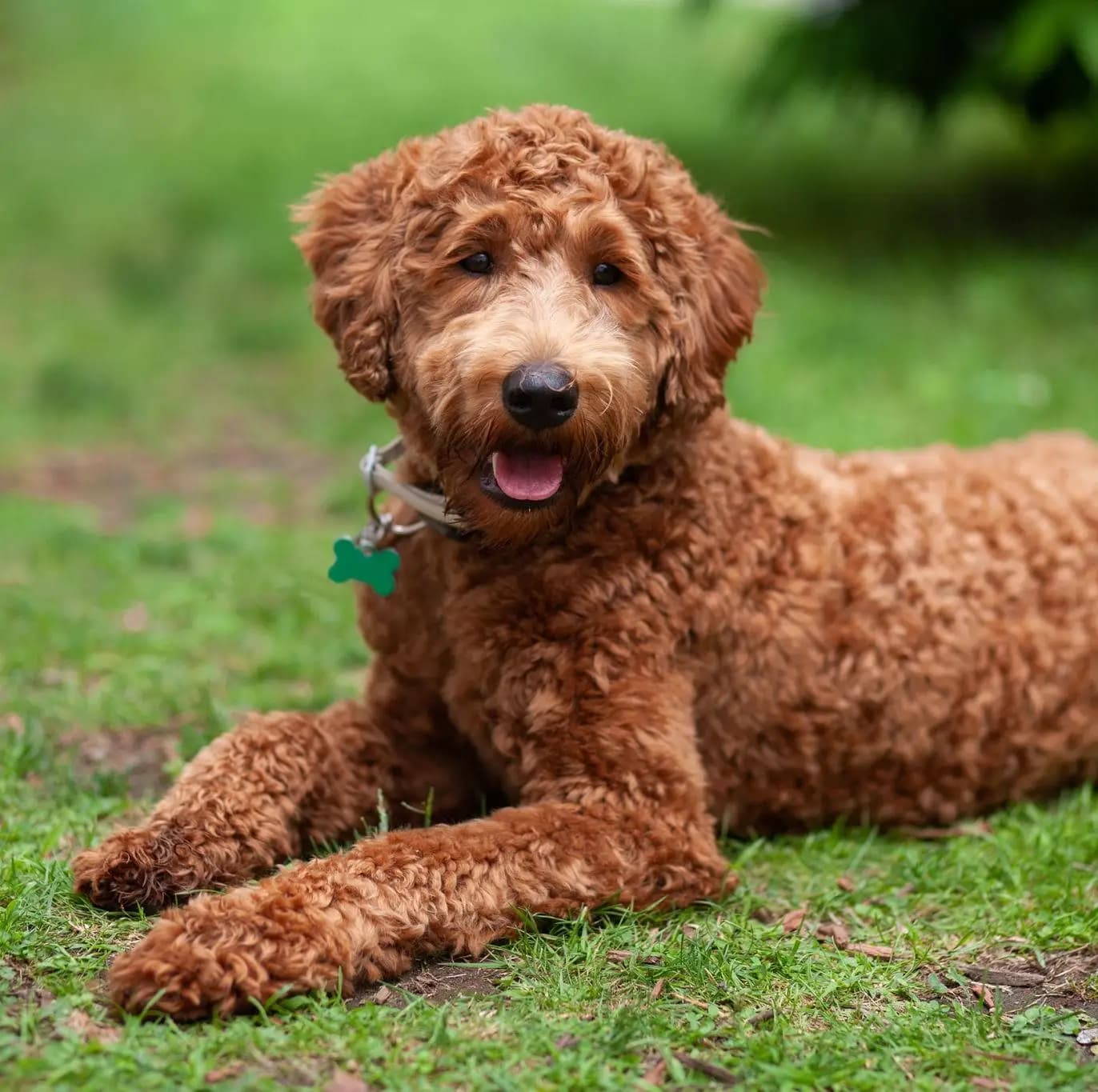
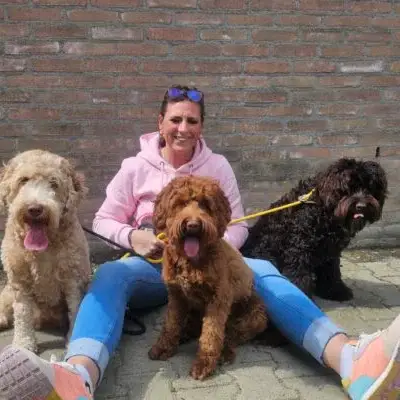
The Australian Labradoodle wins people over with its people-loving, friendly and playful nature. Originally bred in Australia as a hypoallergenic guide dog, this intelligent, empathetic dog is now a popular family, therapy and assistance dog. With a shoulder height of 35 to 63 cm and a weight of 7 to 30 kg, the breed covers a wide range. Precisely because demand for these dogs with their wavy to curly coats is so high, your choice of breeder has a major say in the health and the steady temperament of your future companion.
Why choosing the right breeder matters so much with the Australian Labradoodle
A true Australian Labradoodle isn't a simple first-generation Labrador–Poodle cross. It's the result of deliberate breeding over many generations. Only this structured selection produces the predictable, family-friendly temperament and the typical low-shedding coat. At the same time, these dogs inherit specific genetic predispositions from their ancestors: problems with the joints and eyes, with blood clotting and with exercise tolerance. A skilled Australian Labradoodle breeder knows these risks inside out and actively works against them with targeted screening programs and well-thought-out pairings.
Health care: which tests matter for the Australian Labradoodle
Well-bred Australian Labradoodles are considered fairly robust and have a life expectancy of 12 to 15 years. To lower the likelihood of breed-typical diseases in their lines, health-focused breeders rely on precise diagnostics before every dog is used for breeding:
- Joint screening: Hip dysplasia (HD) and elbow dysplasia (ED) are relevant issues. Breeders have the hips, elbows and knees of the parent dogs examined and X-rayed by a vet. Choosing parents with good results lowers the risk of joint problems in the puppies. Later on, it's up to you to raise your dog in a joint-friendly way and keep it at a healthy weight.
- Eye exams: Progressive retinal atrophy (PRA) is a progressive disease of the retina. Regular clinical eye exams by veterinary ophthalmologists show the current state of the eyes.
- DNA tests for exercise tolerance and blood clotting: For exercise-induced collapse (EIC) and von Willebrand disease (a bleeding disorder), breeders use DNA tests. A DNA test reliably shows whether a parent dog is genetically clear, a symptom-free carrier or affected itself. If the breeder pairs a carrier only with a partner proven to be clear, no puppy can inherit the mutation in question from both parents. Even so, it's wise to always discuss blood clotting with your vet before any surgery.
- Other breed-typical issues: Degenerative myelopathy, a neurological disease of the spinal cord, is also one of the breed's known health issues.
Signs of a good Australian Labradoodle breeder
You'll recognize a responsible breeder by complete transparency and loving, knowledgeable puppy rearing. The puppies grow up in the house as part of the family and get used to everyday noises, children and different surfaces early on. This lays the foundation for coping well with city life and getting along with others later. The breeder gives you thorough advice on caring for the medium-length coat with its undercoat and asks detailed questions about your circumstances so they can pick the right puppy for your activity level. They can clearly explain a fair price of 2,000 to 3,500 euros through the extensive health care, high-quality feeding and complete documentation of the pedigree.
6 specific questions to ask the breeder
Prepare well for your first conversation and ask to see all results in the original. Put these specific questions to the Australian Labradoodle breeder:
- Can you show me the official X-ray results for hip dysplasia (HD) and elbow dysplasia (ED), plus the knee exam results, for both parents?
- What were the parents' DNA test results for exercise-induced collapse (EIC) and von Willebrand disease?
- When was the last clinical eye exam for progressive retinal atrophy (PRA), and may I see the exam form?
- Are there any known cases of degenerative myelopathy or other breed-typical diseases in your lines?
- Over how many generations (multigeneration) are the parents documented as Australian Labradoodles?
- How do you prepare the puppies in their first weeks for the grooming they'll need and for life with a family?
Warning signs: how to spot a puppy mill straight away
With sought-after dogs like the Australian Labradoodle in particular, puppy mills take advantage of buyers who don't know what to look for. Walk away if you notice any of these warning signs:
- No proof of health testing: The seller only says the parents "seemed healthy" at the vet, but can't show written X-ray results for HD and ED or lab reports for EIC and von Willebrand disease.
- Blanket allergy claims: The seller makes sweeping, unfounded promises about allergy-friendliness but doesn't offer you time with the parent dogs beforehand so you can test how you personally react to them.
- False labelling: Simple Labrador–Poodle crosses without a traceable multigeneration pedigree are offered to you as genuine Australian Labradoodles at inflated prices.
- Isolated rearing and time pressure: The mother isn't on site, the puppies grow up isolated in outbuildings, or the seller pushes you to decide quickly without meeting the dogs first.
On HonestDog, every breeder goes through a sign-up process before their profile goes live: an identity check with ID and selfie, proof of club membership or a §11 permit (the breeding license under Germany's Animal Welfare Act) where applicable, a knowledge test on breeding and animal welfare, and agreement to the HonestDog breeding standards – including no breeding with extreme-breeding traits and no breeding dogs under 18 months. Without a verified §11 permit, a breeder can list at most two breeding females there, and you can flag anything odd on a breeder profile directly via "Report content". When you visit, ask to see the parents' original results. You'll find current litters among the Australian Labradoodle puppies on HonestDog.